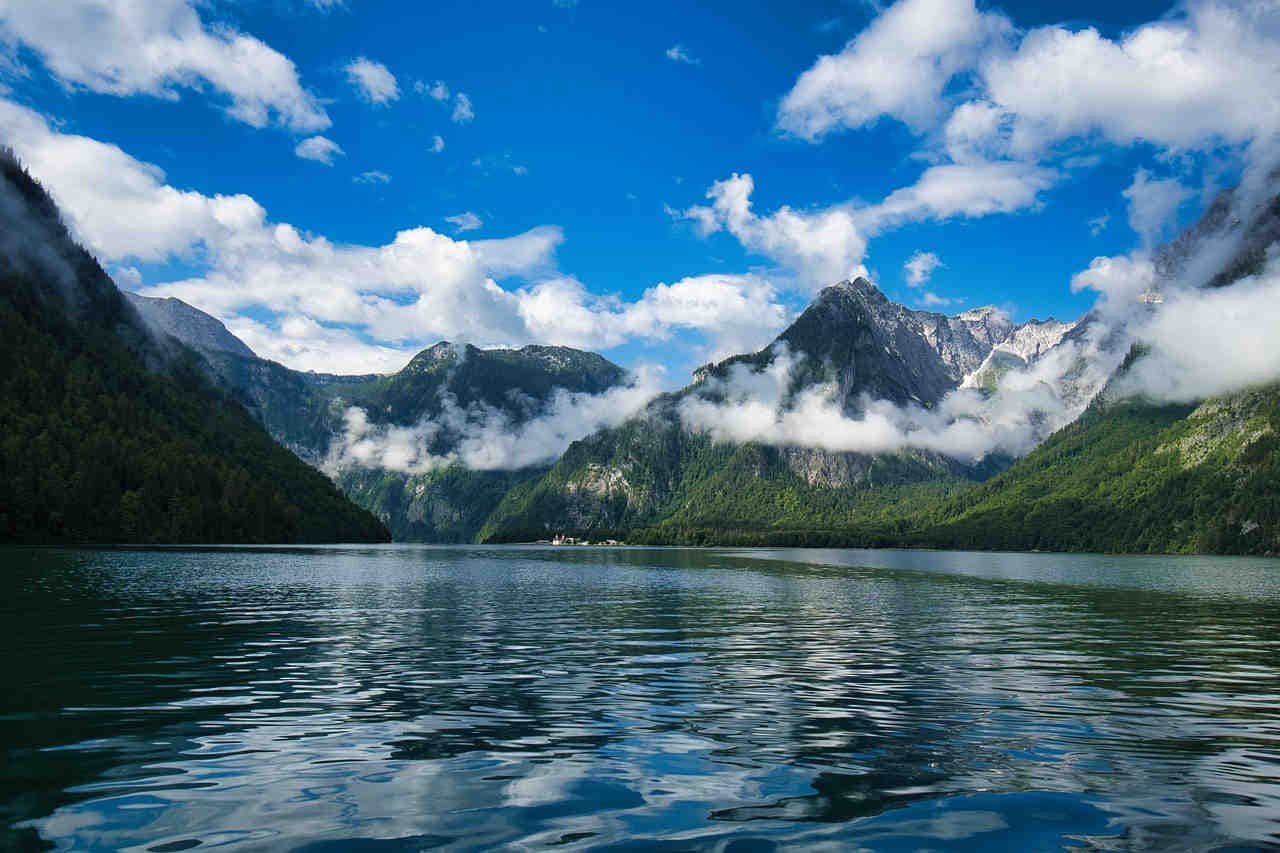
December 11 is International Mountain Day
    DayMountainThreatsSentinels

    December 11 is International Mountain Day

    International Mountain Day, celebrated annually on December 11, is an opportunity to reflect on the importance of these natural ecosystems and raise public awareness about the challenges mountains face globally. Learn more in this article.

    Read the article
    10/12/2024Of 3Bee, Lisa Santillo
    636 Views
    10/12/2024Of 3Bee, Lisa Santillo
    636 Views

    International Mountain Day: the history

    Disclaimer: this is an automated translation from Italian. Go to the original article.

    International Mountain Day, celebrated every year on December 11, has been established since 2003 by the United Nations General Assembly, after declaring 2002 the International Year of Mountains. This day celebrates the value of mountains not only as a natural symbol but also as an essential economic, cultural, and environmental resource. Furthermore, it represents an occasion to reflect globally on the difficulties mountainous regions face, from environmental challenges related to climate change, to increasing urbanization, to the threat of natural degradation. Each year, the FAO-Mountain Partnership leadership identifies a theme for celebration, which for 2024 is 'Mountain solutions for a sustainable future – innovation, adaptation, youth and beyond.'
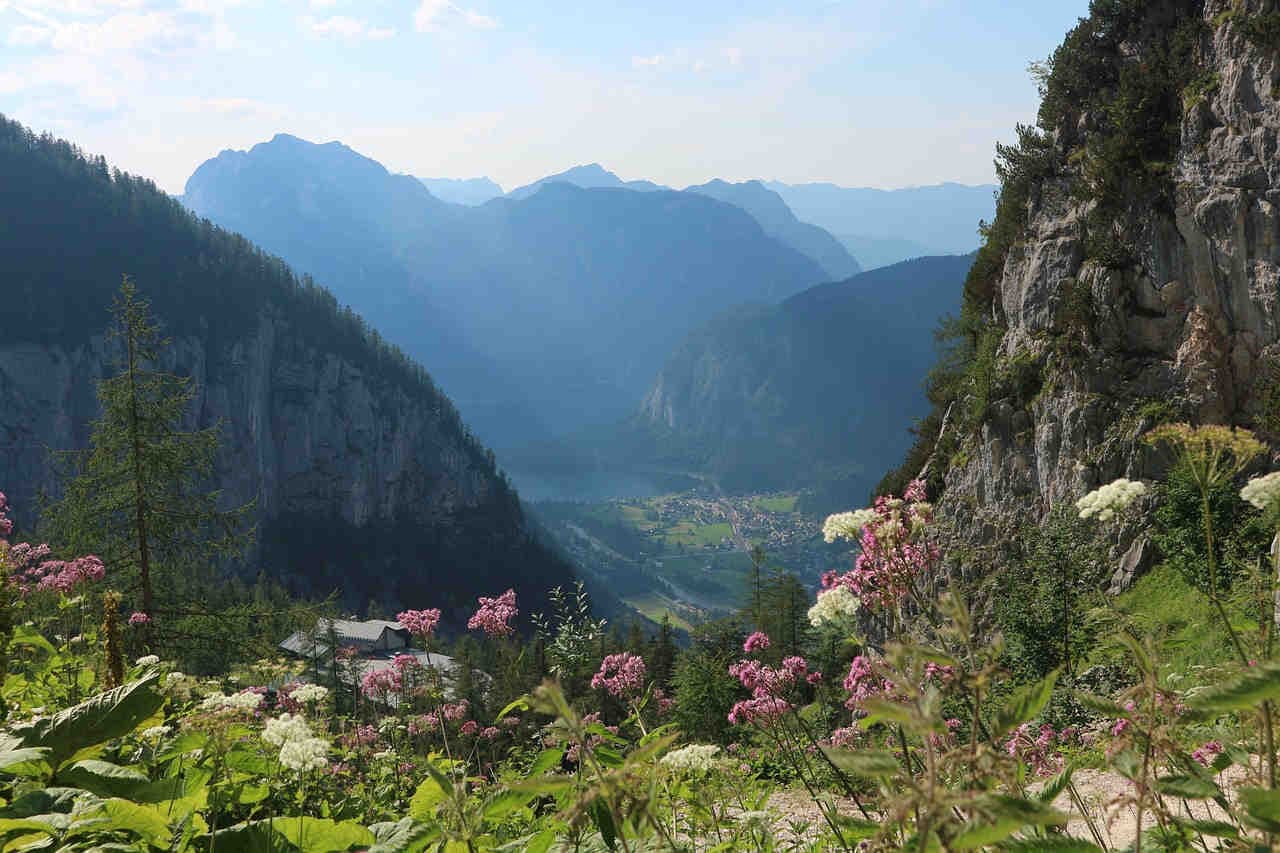
    montagna fiori

    The importance of mountains for biodiversity

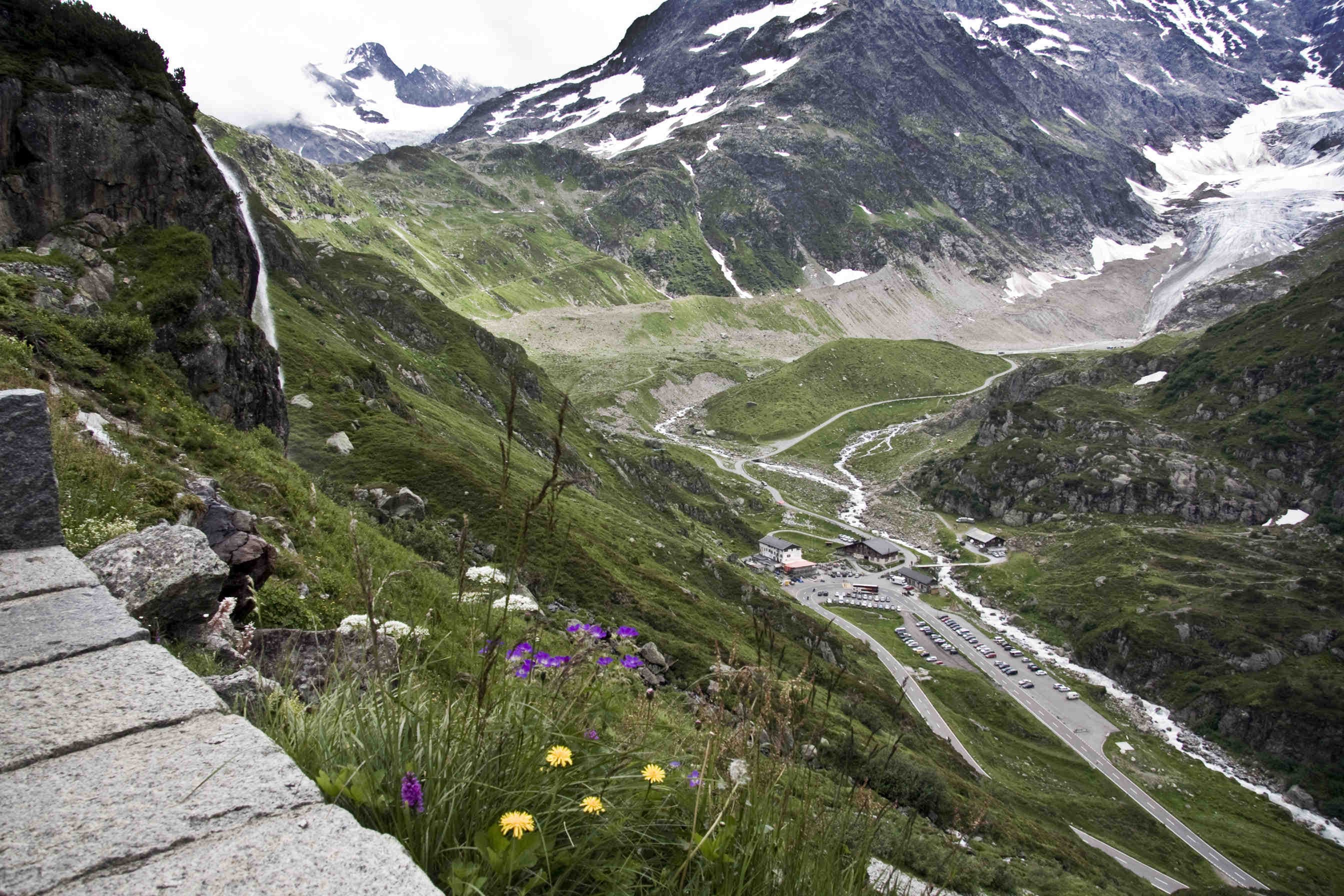
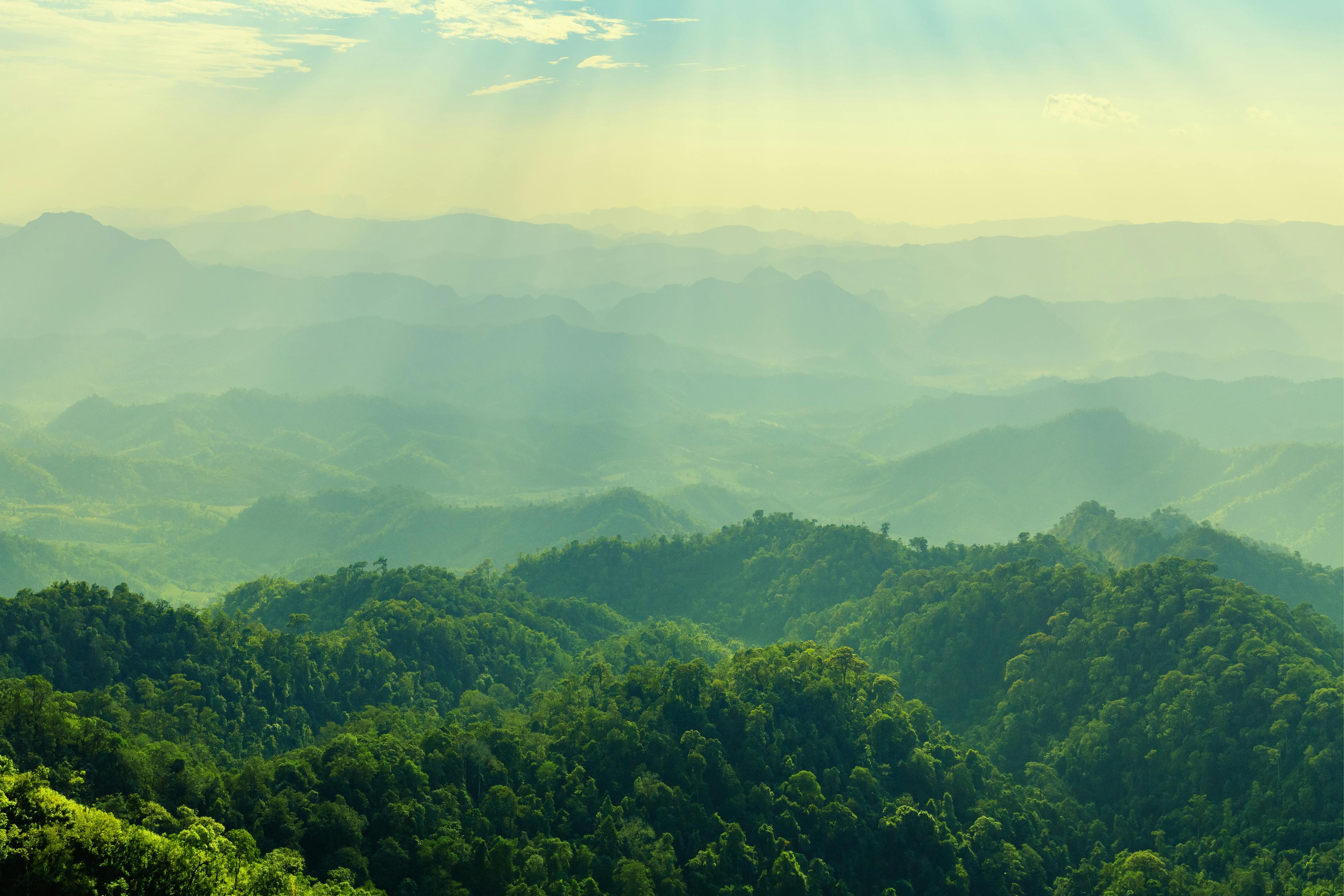
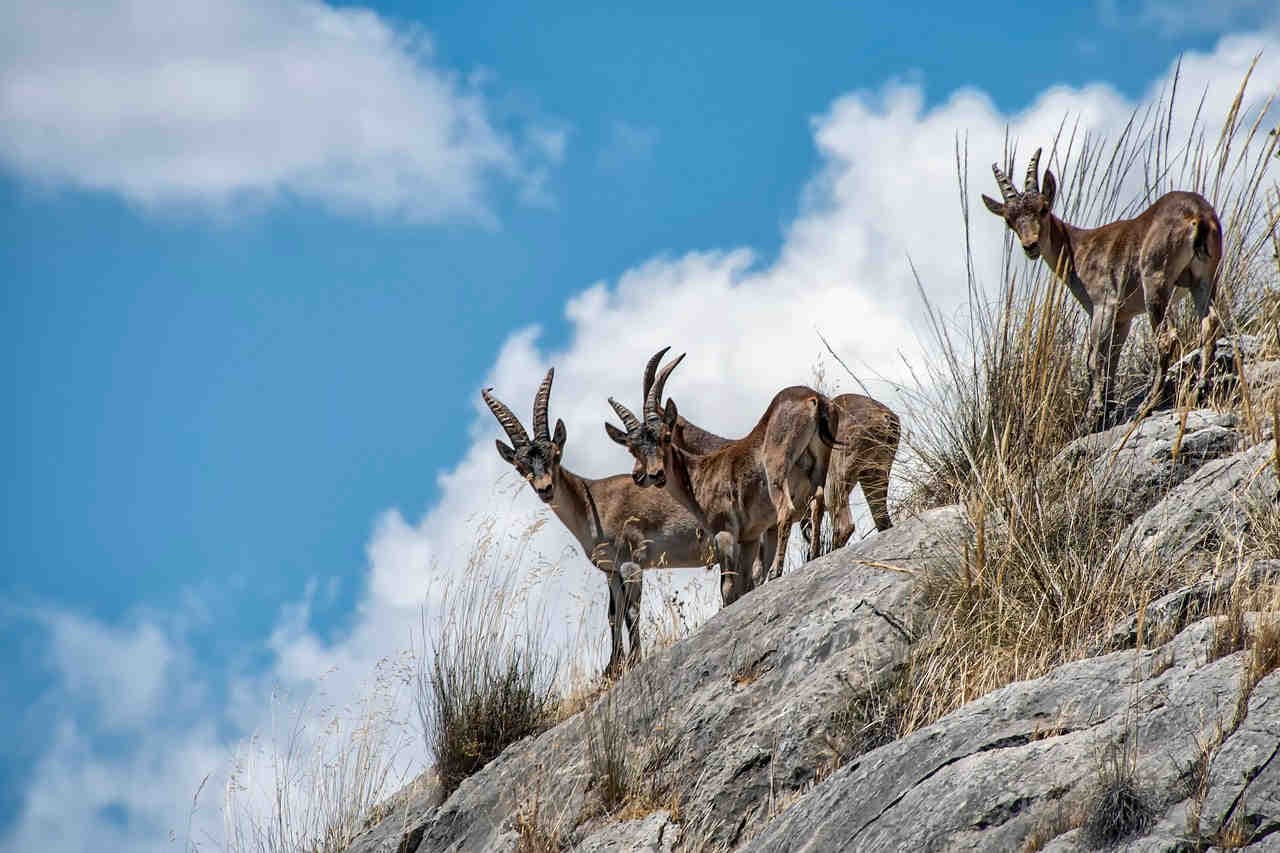
    As reported by FAO, 'mountains host about half of the world's biodiversity hotspots and 30% of all key biodiversity areas. Mountains provide food and medicine, as well as contribute to regulating climate, water, soil, and air quality. Yet mountain ecosystems are under pressure from changes in land and climate use, as well as indirect factors like demographic, economic, and political changes.' Mountain ecosystems indeed offer hospitality to numerous plant and animal species, many of which are endemic, meaning they are found exclusively in these areas. However, these habitats face serious threats related to climate change, with biodiversity loss that could compromise vital ecological balances.

    specie animali montagna
    XNatura

    Threats to the integrity of mountains

    Mountains forests, vital for the conservation of biodiversity, are threatened by intensive exploitation of forest resources. Mining exploration has further compromised the ecological integrity of many mountain areas, damaging habitats and altering natural balances. In recent decades, tourism development, especially for winter sports, has led to the construction of facilities and structures, invading alpine territories and other mountainous areas. The creation of roads, hotels, ski facilities, and hydroelectric power plants leads to the destruction of mountain habitats, putting numerous species at risk. The lack of an integrated development plan, considering landscape and biodiversity protection, can lead to the extinction of these very species. Added to this are climate changes, which intensify the impact of these threats, accelerating biodiversity loss in mountains.

    ghiacciaio

    Mountains as 'sentinels' of climate change

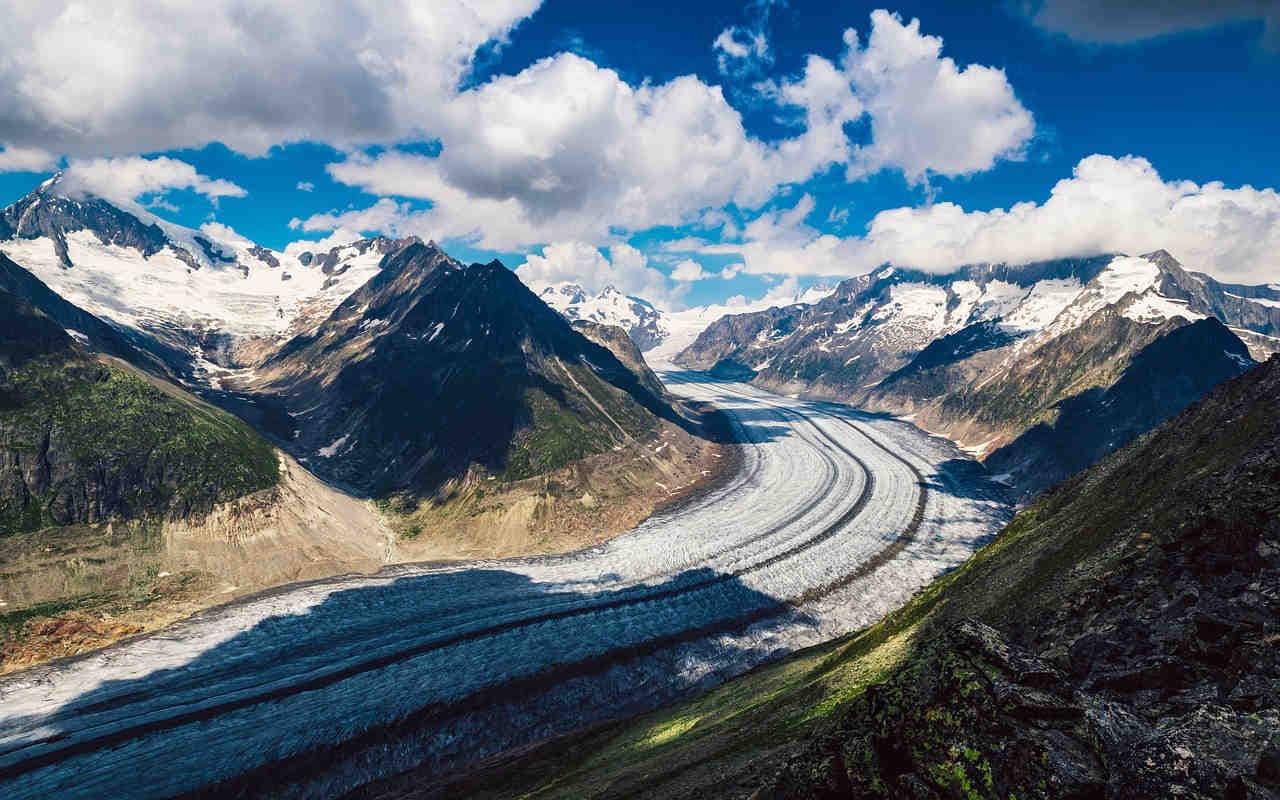
    Mountains are often defined as 'sentinels' of climate change, as mountain ecosystems are among the first to suffer the effects of global warming. These environments are particularly vulnerable compared to other natural areas, mainly due to difficult access, habitat fragility, and lack of resources for research and conservation. According to the Intergovernmental Panel on Climate Change (IPCC), the volume of glaciers is rapidly shrinking due to rising global temperatures, with devastating impacts on the water resources of surrounding regions, which depend on these glaciers for potable and agricultural water supply. In many areas, glacier melting leads to habitat loss for many species, and the alteration of seasonal cycles is changing ecological dynamics globally.

    montagna tramonto
    XNatura

    Mountains: precious ecosystems to protect

    International Mountain Day offers us the opportunity to reflect on the fundamental role these ecosystems play for global biodiversity and the populations living there. Protecting mountains means protecting a resource of tangible value, which requires concrete actions beyond mere conservation but also includes monitoring through innovative technologies and the inclusion of local communities in planning and managing mountainous territories. With an integrated approach combining science, innovation, culture, and local policies, it will be possible to contribute to the conservation of the essential role of mountains in maintaining the global ecological balance.

    montagna flora
    3Bee
    10/12/2024Of 3Bee, Lisa Santillo
    636 Views
    Newsletter
    newsletter
    Subscribe to the Blog about bees and biodiversity

    Frequently Asked Questions

    Do you have any doubts or other curiosities about this article? Here you will find some insights