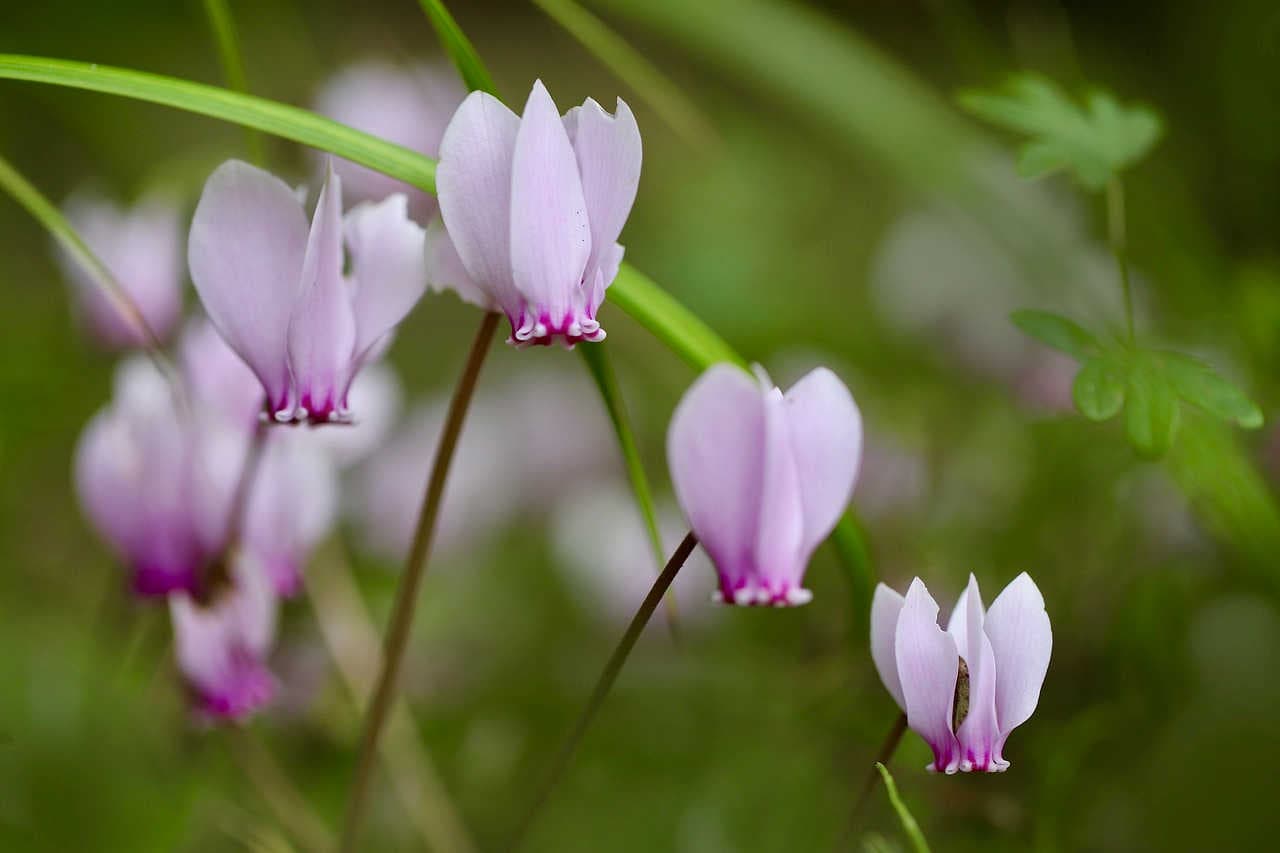
Cyclamens: everything you need to know
    CyclamenEtymologyDistributionItaly Species

    Cyclamens: everything you need to know

    The genus Cyclamen includes perennial plants of the Primulaceae family, known for their colorful flowers and heart-shaped leaves, better known as cyclamens. Discover in this article the different types of cyclamen, where they are widespread, and some curiosities.

    Read the article
    25/01/2025Of 3Bee, Lara Vivarelli
    670 Views
    25/01/2025Of 3Bee, Lara Vivarelli
    670 Views

    What is cyclamen?

    Disclaimer: this is an automated translation from Italian. Go to the original article.

    Cyclamen is the scientific name of a genus of angiosperm plants in the Primulaceae family, characterized by small tuberous herbaceous plants and delicate flowers, usually pink in color and better known as cyclamen. The main biological form of cyclamen is that of a bulbous geophyte: these are perennial herbaceous plants that have a bulb as a reserve organ. Every year, leaves and flowers grow from the bulb and emerge at the base of the plant. Bulbous geophytes are plants that preserve their underground buds in organs such as bulbs, tubers, or rhizomes, and during the adverse season, they do not develop aerial parts. The Cyclamen genus comprises about 30 species distributed around the Mediterranean basin, but in Italy only three species are found spontaneously.
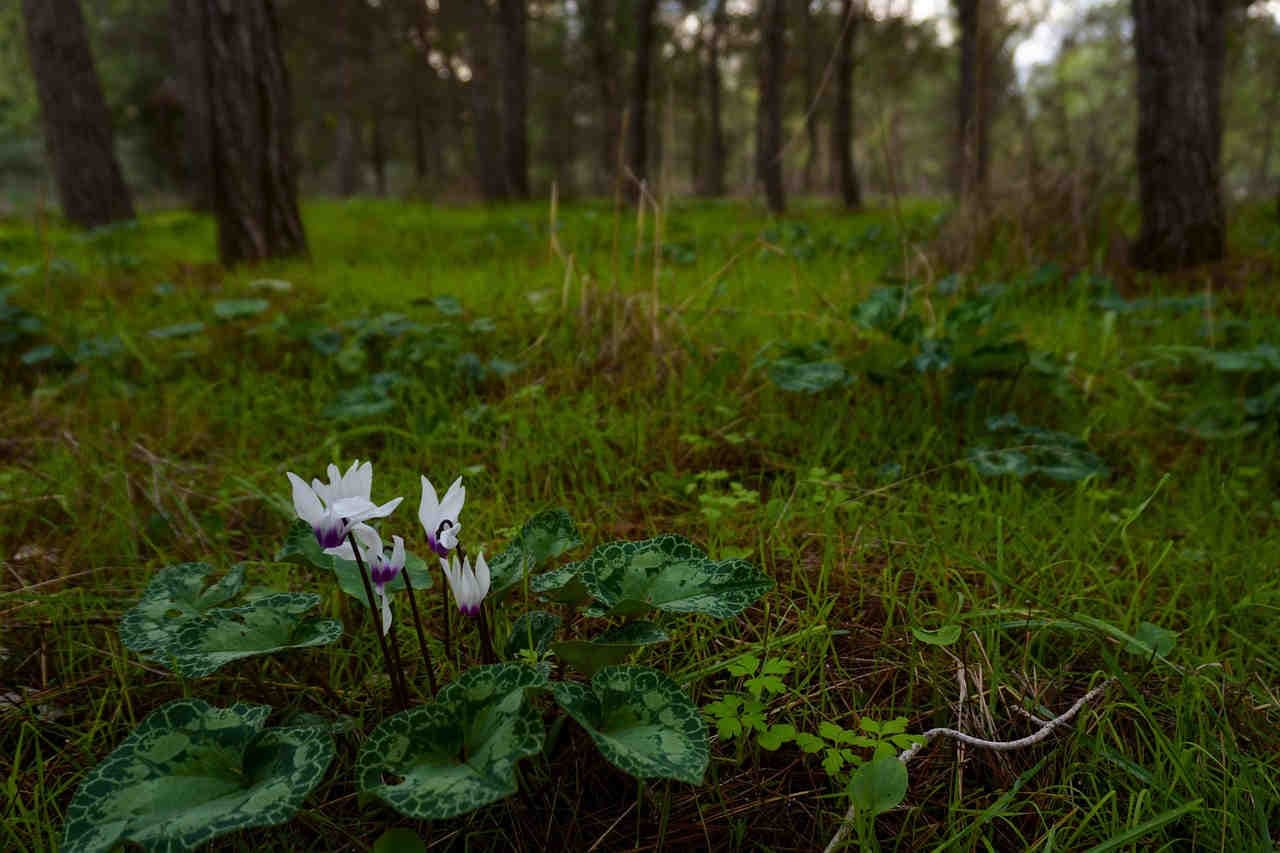
    cyclamen ciclamino

    What is the etymology of the name Cyclamen?

    The name of the Cyclamen genus derives from the Greek word "kyklos", which means circle, probably referring to the round shape of the tuberous roots. These plants were already known in antiquity. Pliny the Elder, a naturalist philosopher and Roman military commander, mentioned them in his writings with various common names, including "turnip", "tuber" and "navel of the earth". In the modern period, it was the French botanist Joseph Pitton de Tournefort who introduced the name Cyclamen, a term that was later confirmed by Linnaeus in 1735.
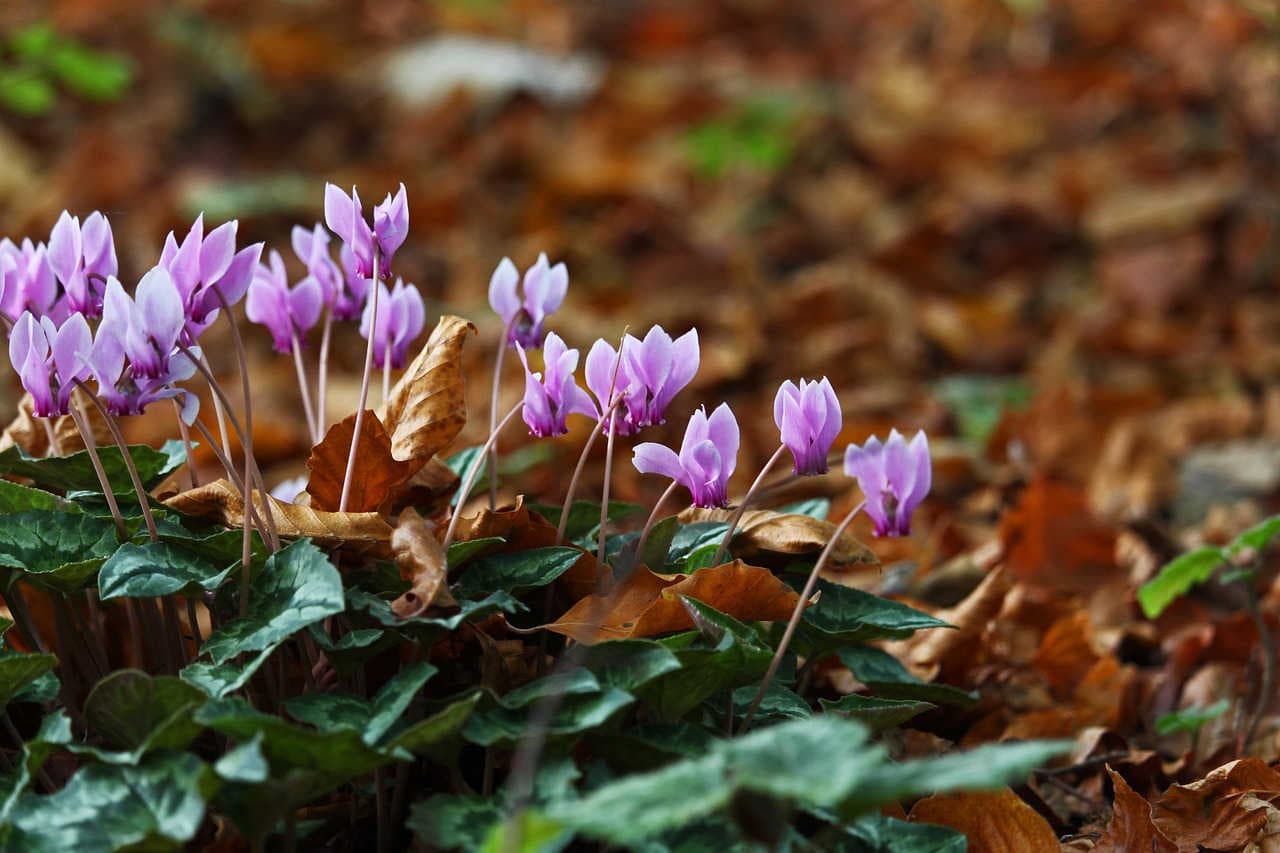
    etimologia nome cyclamen
    XNatura

    Where is cyclamen found?

    Cyclamen plants are mainly found in areas surrounding the Mediterranean basin, including Southern Europe, Western Asia, and North Africa. The greatest species diversity is found in Asia Minor. In Italy, the habitat of these plants changes depending on the species: alpine species prefer shaded forests, shrublands, and meadows on light soils, but they can also grow in hornbeam, oak, and birch woods. Species found in more southern regions inhabit holm oak forests and other deciduous formations, such as chestnut groves. Cold tolerance varies depending on the species and the environment in which it grows: alpine plants can withstand temperatures down to -30°C, while other species are more susceptible to frost.
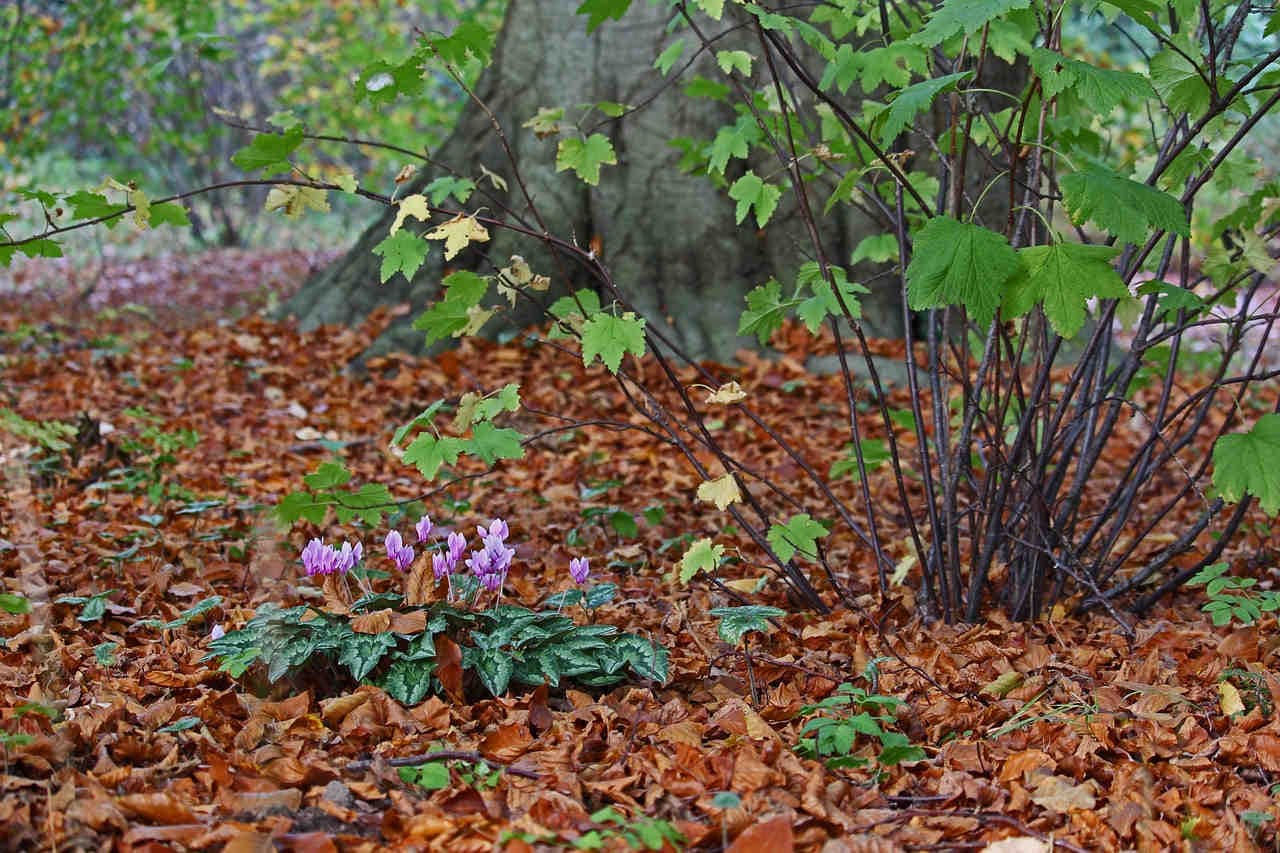
    diffusione e habitat ciclamino

    What are the wild species of cyclamen in Italy?

    The cyclamen is a flower that we can admire in our woods both in autumn and in spring, with a shade tending towards fuchsia. In Italy, there are three wild species of cyclamen. The Cyclamen hederifolium, also known as the autumn cyclamen, blooms in autumn and has ivy-like leaves that appear only after flowering. Another species, the Cyclamen purpurascens, called Alpine cyclamen due to its spread in the Alpine regions, also grows in autumn. In spring, however, the Cyclamen repandum blooms, where flowers and leaves emerge simultaneously.
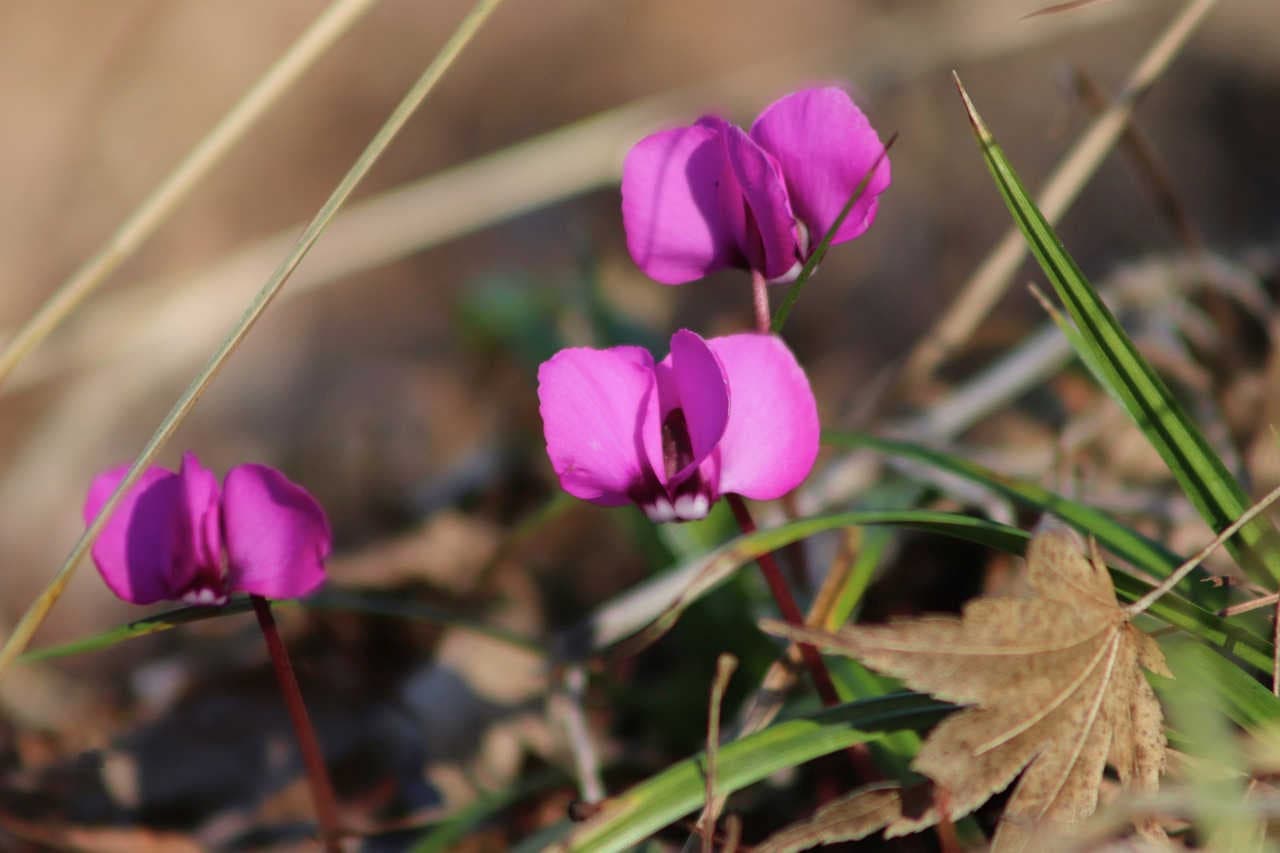
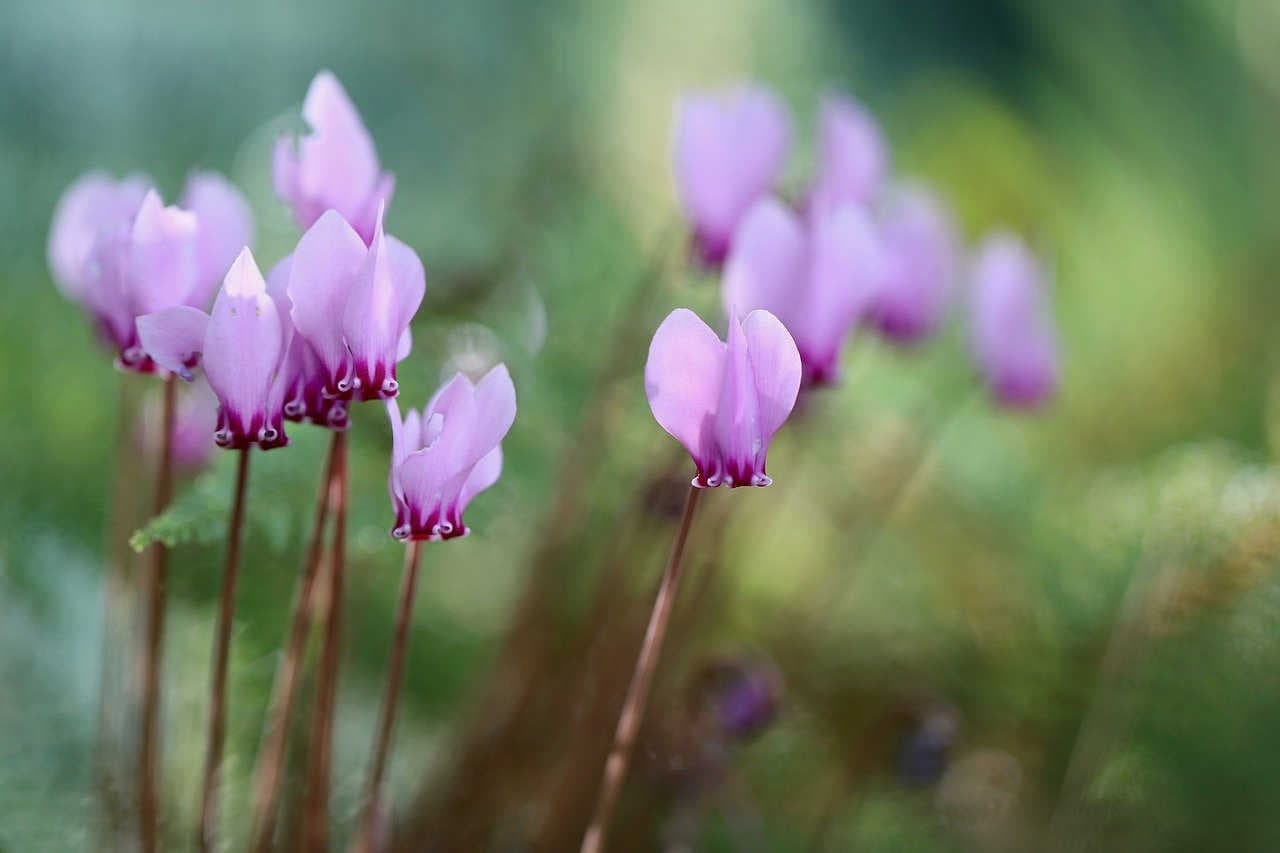
    tre specie spontanee di ciclamino in italia
    XNatura

    What are the characteristics of the Neapolitan cyclamen?

    Cyclamen hederifolium, also known as C. neapolitanum or Neapolitan cyclamen, is a species that grows along the Mediterranean coasts, in central-southern Italy and on the islands. This plant is distinguished by its leaves, which have a sharp apex and toothed margins. The shape of the leaf blade resembles that of ivy, from which its scientific name (C. hederifolium) is derived. The flowers, which are odorless, are pink with purplish shades at the base of the petals. Blooming occurs in autumn, and the Neapolitan cyclamen prefers holm oak woods and humid, cool deciduous forests.

    ciclamino napoletano cyclamen
    3Bee

    What are the peculiarities of the spring cyclamen?

    The spring cyclamen, Cyclamen repandum, is distinguished by more triangular-shaped leaves, ending with a sharp apex and toothed margins. Unlike the Neapolitan cyclamen, its flowers are fragrant, purplish in color, and bloom in spring, generally between March and June. This species is distributed in the central-southern part of Italy and on the islands, up to an altitude of 1200 m above sea level. It is the only species of cyclamen that grows in Sardinia, where it is mainly found in oak forests.
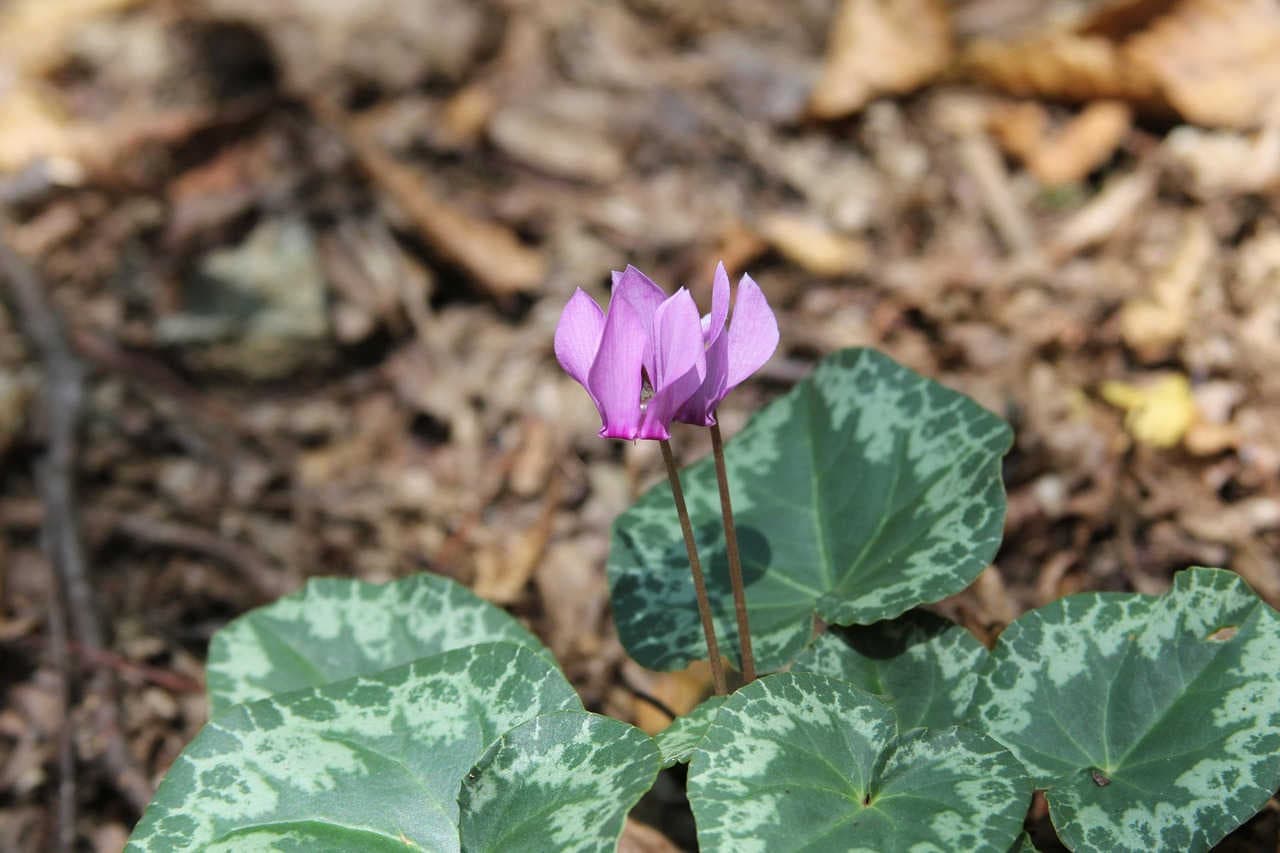
    ciclamino

    What characterizes the Alpine cyclamen?

    The Alpine cyclamen, scientifically known as Cyclamen purpurascens or Cyclamen europaeum Auct, is easily recognizable by the rounded tip of its leaves, a feature that distinguishes it from other species, whose leaves end with a pointed tip. The margins of the Alpine cyclamen leaves are regularly notched, giving the plant a unique appearance. The flowers of this species are particularly fragrant and have a corolla of purple color with blossoming in autumn. This species grows exclusively in the Alpine areas, confined to northern Italy and spreading up to an altitude of 1900 m above sea level. This species prefers cool and shady environments, typical of the Alps, where it can be found in conifer and beech forests.

    ciclamino delle alpi

    Cyclamen in Traditional Culture

    In ancient times, the cyclamen was known mainly for its therapeutic properties, rather than for its ornamental value. The plant contains a highly toxic substance, cyclamin, a glucoside with purgative effects. The ancient Greeks considered it a symbol of fertility, perhaps due to the shape of the flower which resembled the image of the female uterus. Introduced to Europe in the 16th century, cyclamen was cultivated in the botanical gardens of Queen Elizabeth I of England. The Catholic Church associated it with the bleeding heart of Mary, a symbolism also embraced by Flemish painters. Today, cyclamens are mainly ornamental plants, the result of numerous cross-breeding that has led to very showy varieties appreciated worldwide.
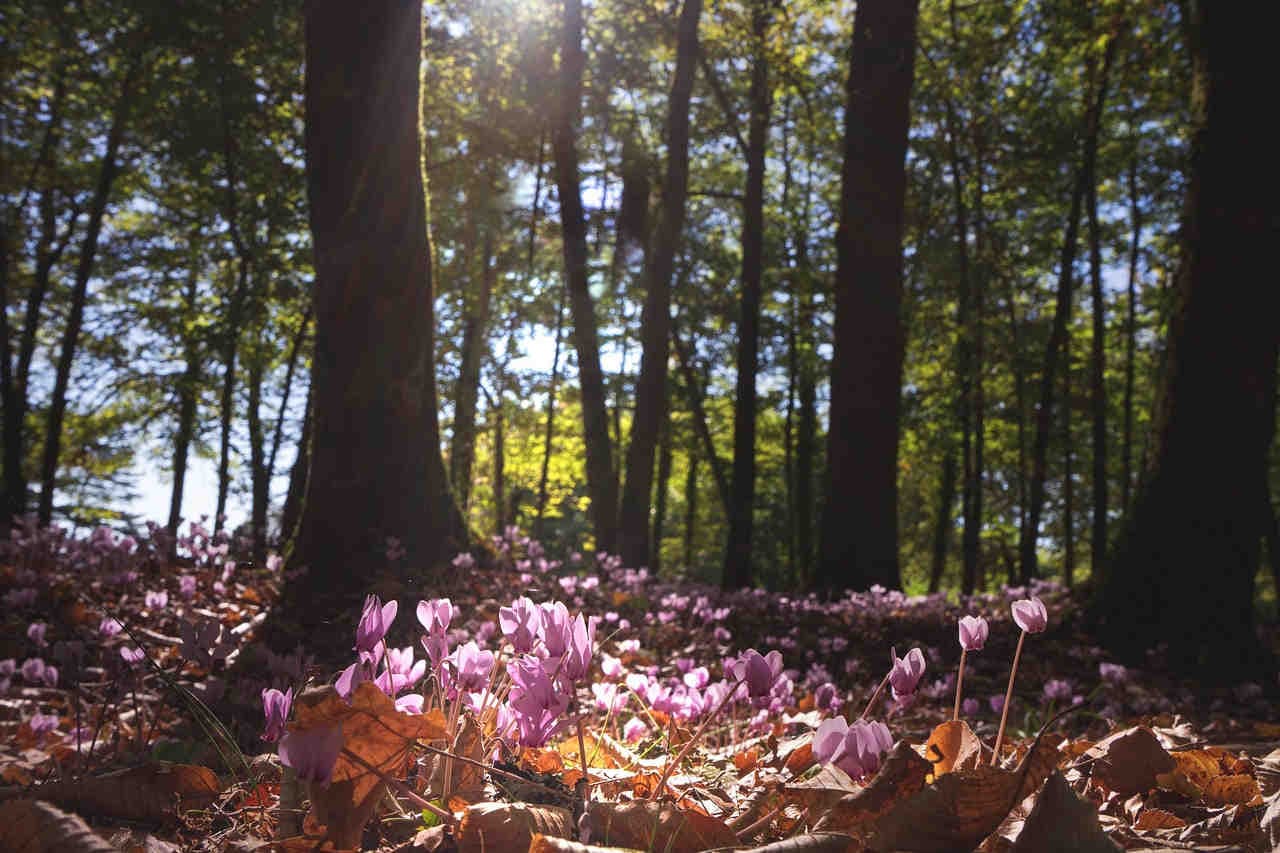
    ciclamini e cultura tradizionale

    Why are Cyclamen species protected by CITES?

    All species of the genus Cyclamen are included in the list of CITES, the Convention on International Trade in Endangered Species of Wild Fauna and Flora. This convention aims to regulate international trade in endangered wild fauna and flora, protecting species that could become extinct due to removal from their natural habitat. CITES prohibits trade in specimens taken from the wild if this would lead to a rapid decline in wild populations. However, trade in artificially propagated specimens is allowed, but only under strict controls. Among the cyclamen species, many are of great interest to the horticultural industry, and four of them are widely cultivated in European gardens.
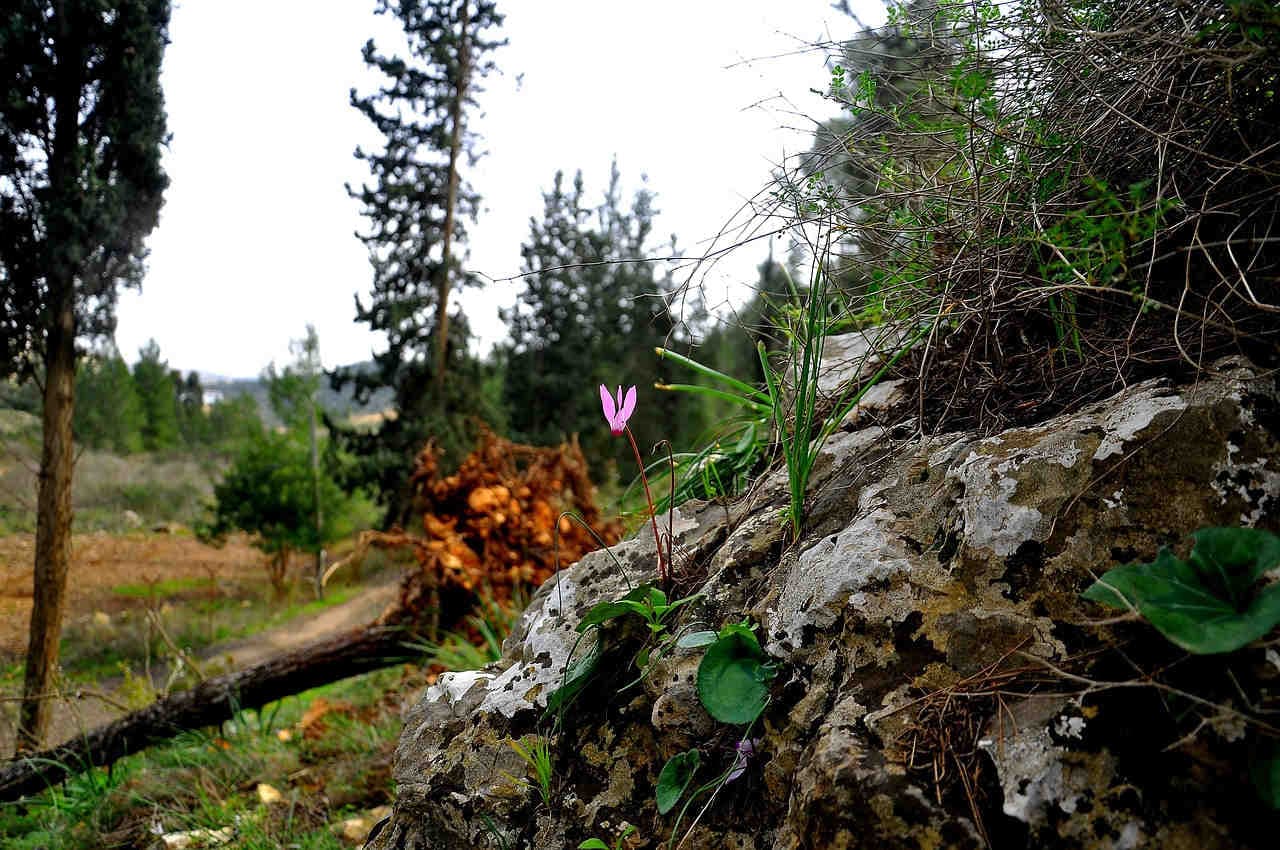
    ciclamino protetto dalla CITES
    25/01/2025Of 3Bee, Lara Vivarelli
    670 Views
    Newsletter
    newsletter
    Subscribe to the Blog about bees and biodiversity

    Frequently Asked Questions

    Do you have any doubts or other curiosities about this article? Here you will find some insights