Communicating corporate sustainability with 3Bee
    ChoiceCommunicationReputationDifficulties

    Communicating corporate sustainability with 3Bee

    Communicating sustainability is as necessary as it is difficult and insidious. Between misrepresentations and half-declared information, companies struggle to build a sustainable reputation. All this does not contribute to the change we expect and need.

    Read the article
    17/01/2023Of 3Bee, Elena Fraccaro
    305 Views
    17/01/2023Of 3Bee, Elena Fraccaro
    305 Views

    Communicating sustainability: a must?

    Various legal provisions regulate and govern sustainability in different sectors. But, more than anything else, it is thepeople - with their consumption choices and preferences - who direct corporate activities. Indeed, it is consumers who demand that companies create sustainable products and services and are willing to pay more for them. Specifically, almost 90% of Gen Z (the generation born between 1997 and 2012) are willing to pay more than 10% more for sustainable goods. And given that, by 2030, Gen Z will represent the majority of the global workforce, companies have no choice but to align with their expectations and adapt their offering. The desire for sustainable products is - fortunately! - a growing trend. Not even inflation is distracting consumers from their ideals: for many, buying sustainable products is not the exception, but the norm.

    siccità

    The (real) role of communication

    At least88% of consumers are fully aware of what sustainability is. And one in five people always check how sustainable a product/service really is before buying/using it. While many companies are born with the aim of respecting the environment and society through the pursuit of an ethical profit, many others turn to sustainability (only) to remain competitive. For the latter, rethinking production processes, reducing emissions, guaranteeing rights and decent working conditions is quite costly. This is not to say that companies that are sustainable in themselves do not incur high costs, quite the contrary! Communication is the most powerful tool that all companies - more or less sustainable - have at their disposal to make sustainability a distinctive lever, but also one that can create value and repay the efforts made. In other words, to become a true competitive factor, sustainability must be communicated clearly and transparently.

    ape illuminata
    XNatura

    Sustainability, communication and corporate reputation

    Communicating sustainability is only one component of corporate reputation. Indeed, it is also important that words are followed by deeds: every company must show coherence between the behaviour adopted and the promises communicated. This is why, among other things, more and more companies are drawing up a Sustainability Report, a useful tool for demonstrating to their stakeholders (suppliers, customers, consumers, etc.) the commitments they have made and the results they have achieved. And its effectiveness has proven such that, from 2024, the Sustainability Report will become mandatory for all companies with more than 250 employees. However, communicating sustainability not only serves to enhance and valorise corporate objectives, it is also essential to increase attention to these issues and create greater awareness. But care must be taken. Not all communication strategies pursue the same goals.

    bombo dentro un fiore

    Communicating sustainability: the downside

    "For better or worse, as long as it is talked about" is not a winning business strategy when it comes to sustainability. Mind you, the more it is talked about, the more chance there is that other companies will commit to it and that even the most sceptical will be convinced of the need to convert to the creed of sustainability. But, in general, the pressure that companies are under can also have some very negative implications that manifest themselves precisely through communication. On the one hand, there is Greenwashing, untruthful communication that leads consumers to believe that the company is interested in environmental and social issues. Greenwashing is a widespread and ever-increasing practice: according to the European Commission, to date, more than 40 per cent of corporate 'green' claims are exaggerated, false or misleading. On the other hand, there is Greenhushing, a totally opposite phenomenon that, once again, undermines people's trust and companies' credibility. Let us see what this is all about.

    ape su dito
    XNatura

    What is Greenhushing?

    Greenhushing occurs when a company with sustainability goals consciously decides not to communicate its commitment and the characteristics of its products/services. According to the South Pole report, about 23% of companies engaged in sustainable activities refuse to publicise future goals and targets. The reason? Fear of being criticised for not doing enough or being accused of greenwashing. In both cases, the reputational consequences are enormous. When companies do not disclose sustainability information, we all lose out. Consumers lose the opportunity to be informed and make informed decisions, companieslose the opportunity both to be a role model for all others and to attract new consumers. "Companies that want to take a step forward prefer not to do so. Expressing themselves is risky. Better to change some copy (this is malicious greenwashing),' says our CEO Niccolò Calandri.
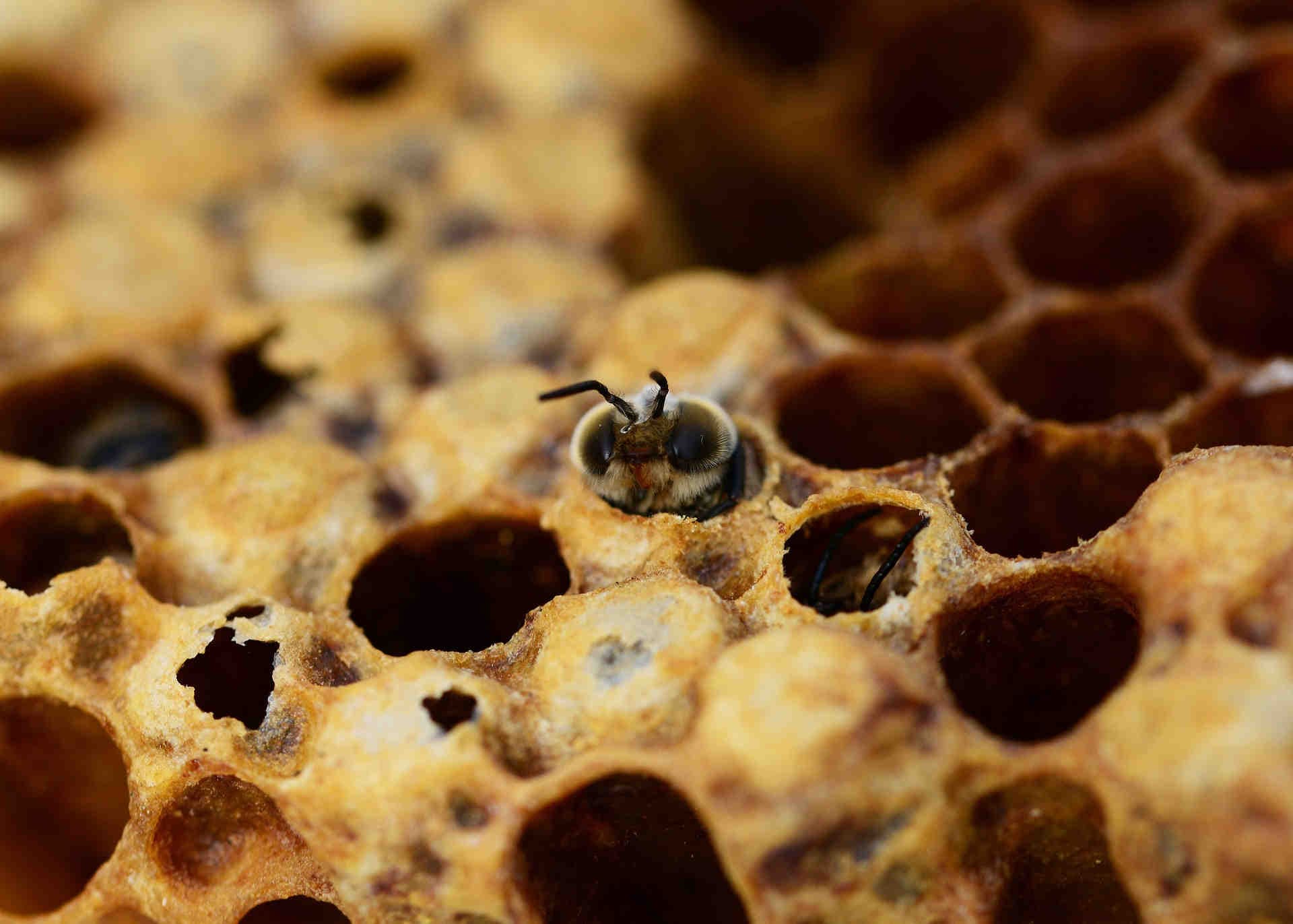
    ape che esce da cella
    3Bee

    Communicating sustainability together with 3Bee projects

    By becoming a 3Bee partner for one or more biodiversity protection projects, you can immediately start communicating your company's commitment to the planet in a concrete and transparent way. With us you can create your "Corporate Oasis", a virtual space where you can monitor the concrete impact generated by all projects developed together with 3Bee. The Oasis is one of many perfect tools for communicating to your stakeholders and your community the sustainability milestones you have achieved. Also not to be underestimated are the social channels, where you can tell people about your project and practise a form of indirect disclosure. Finally, each company can talk about its commitment to sustainability in customised interviews published on 3Bee's Business Blog. The projects of 3Bee are all based on scientific data and, therefore, do not lead to unsubstantiated communications.
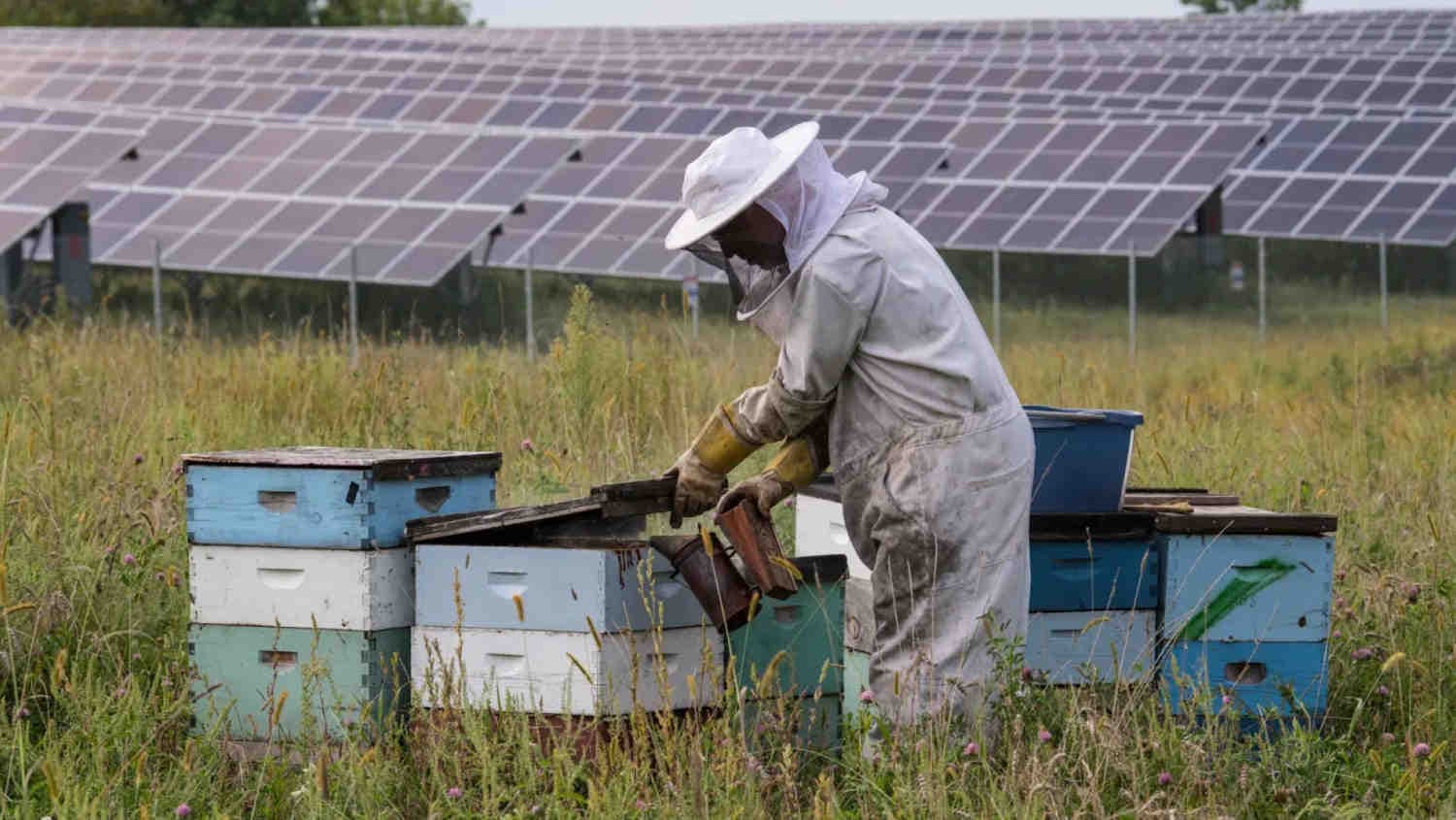
    BeEnergy
    17/01/2023Of 3Bee, Elena Fraccaro
    305 Views
    Newsletter
    newsletter
    Subscribe to the Blog about bees and biodiversity