COP29: everything you need to know about the Baku Climate Summit
    COP29NegotiationsCOP29 ProgrammeGGA

    COP29: everything you need to know about the Baku Climate Summit

    COP29, one of the most eagerly anticipated events for the future of the fight against climate change, kicks off today in Baku, Azerbaijan. Find out in this article everything you need to know about the climate summit: the goals, the challenges and the crucial role of business.

    Read the article
    11/11/2024Of 3Bee, Lisa Santillo
    193 Views
    11/11/2024Of 3Bee, Lisa Santillo
    193 Views

    What is COP29 on climate?

    The COP29 is the twenty-ninth Conference of the Parties to the United Nations Framework Convention on Climate Change (UNFCCC), which takes place from 11 to 22 November 2024 in Baku. This summit comes at a time when the world is facing record temperatures and increasingly frequent extreme weather phenomena. The World Meteorological Organisation (WMO) confirmed that 2023 was one of the hottest years on record, highlighting the urgency for concrete action. At COP29, leaders will discuss how to limit global temperature rise to within 1.5°C of pre-industrial levels, as set out in the Paris Agreement. They will also discuss adaptation plans, investments in renewable energy and how to protect the most vulnerable communities from climate impacts.
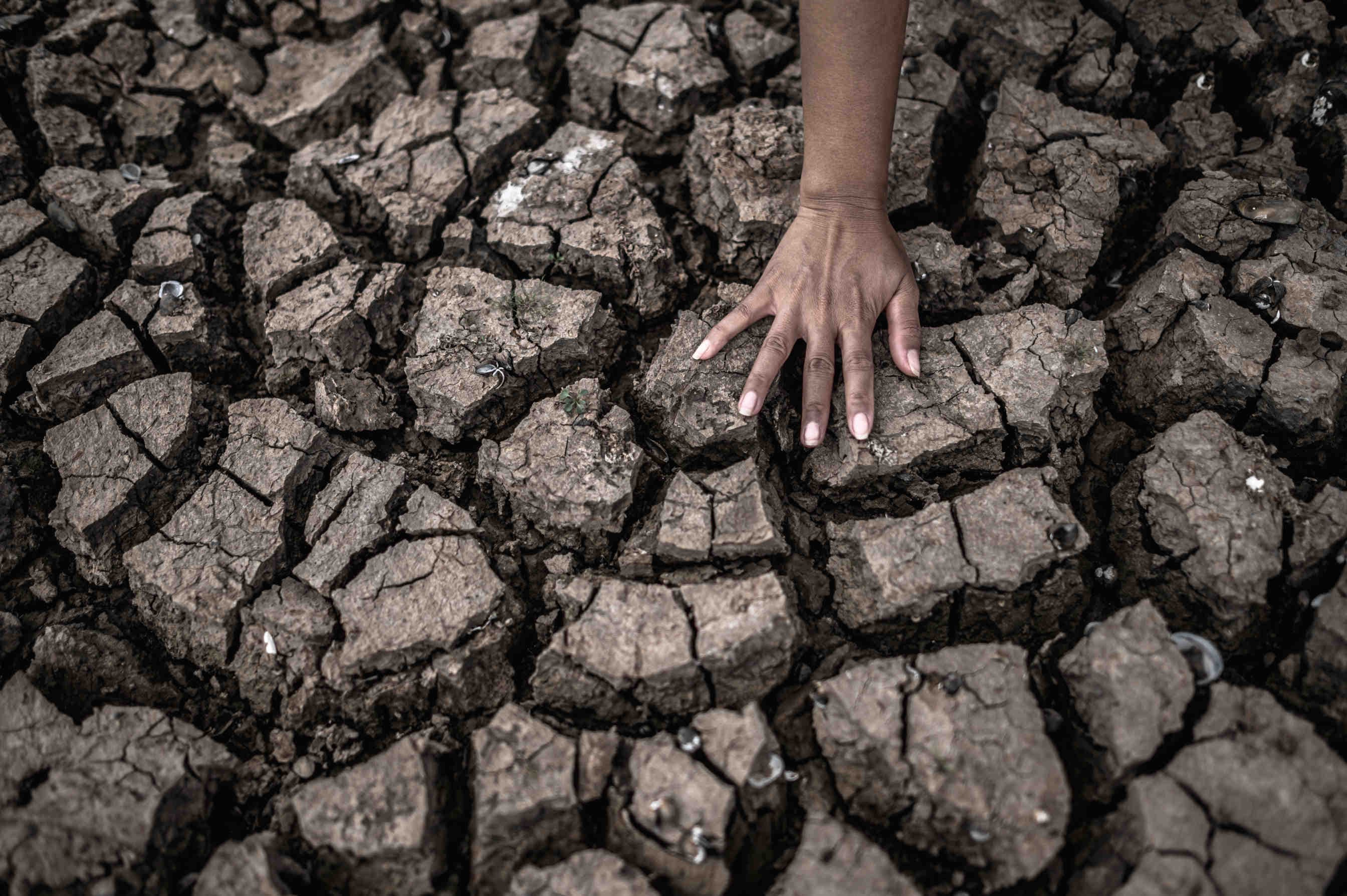
    climate change

    What are the objectives of the COP29 negotiations?

    One of the main topics of discussion will be climate finance, a key issue to support developing countries. Despite the target of mobilising USD 100 billion per year by 2020, many promised funds have not yet been disbursed, putting adaptation and mitigation projects at risk. The creation of a Loss and Damage Fund will be another crucial issue, as many nations are suffering irreversible damage due to climate change. Other key aspects of the negotiations include updating the Nationally Determined Contributions (NDCs), i.e. each country's commitments to reduce emissions. COP29 will be an opportunity to strengthen transparency and accountability of states, and increasing pressure is expected on high-emitting countries to accelerate their energy transitions.

    terra
    XNatura

    What is on the COP29 agenda?

    The programme of the COP29 in Baku is packed with events, meetings and sessions that will run parallel to the negotiations to reach a final agreement. 11 November marks the official opening of the conference, while the summit of global leaders will take place on 12 and 13 November. The 14th will be devoted to the topics of finance, investment and trade, while the 15th will address the topics of energy, with a focus on the integration of peace, relief and recovery strategies. On 16 November, science, technology and digitalisation will be discussed. After the break on the 17th, on 18 November, human capital, youth, health and education will be discussed. On the 19th it will be the turn of food, water and agriculture, while on the 20th the focus will be on urbanisation, transport and tourism. 21 November will focus on nature, biodiversity, indigenous peoples, gender equality and oceans. Finally, on 22 November there will be final negotiations, decisive in shaping the agreement that will guide global climate action.
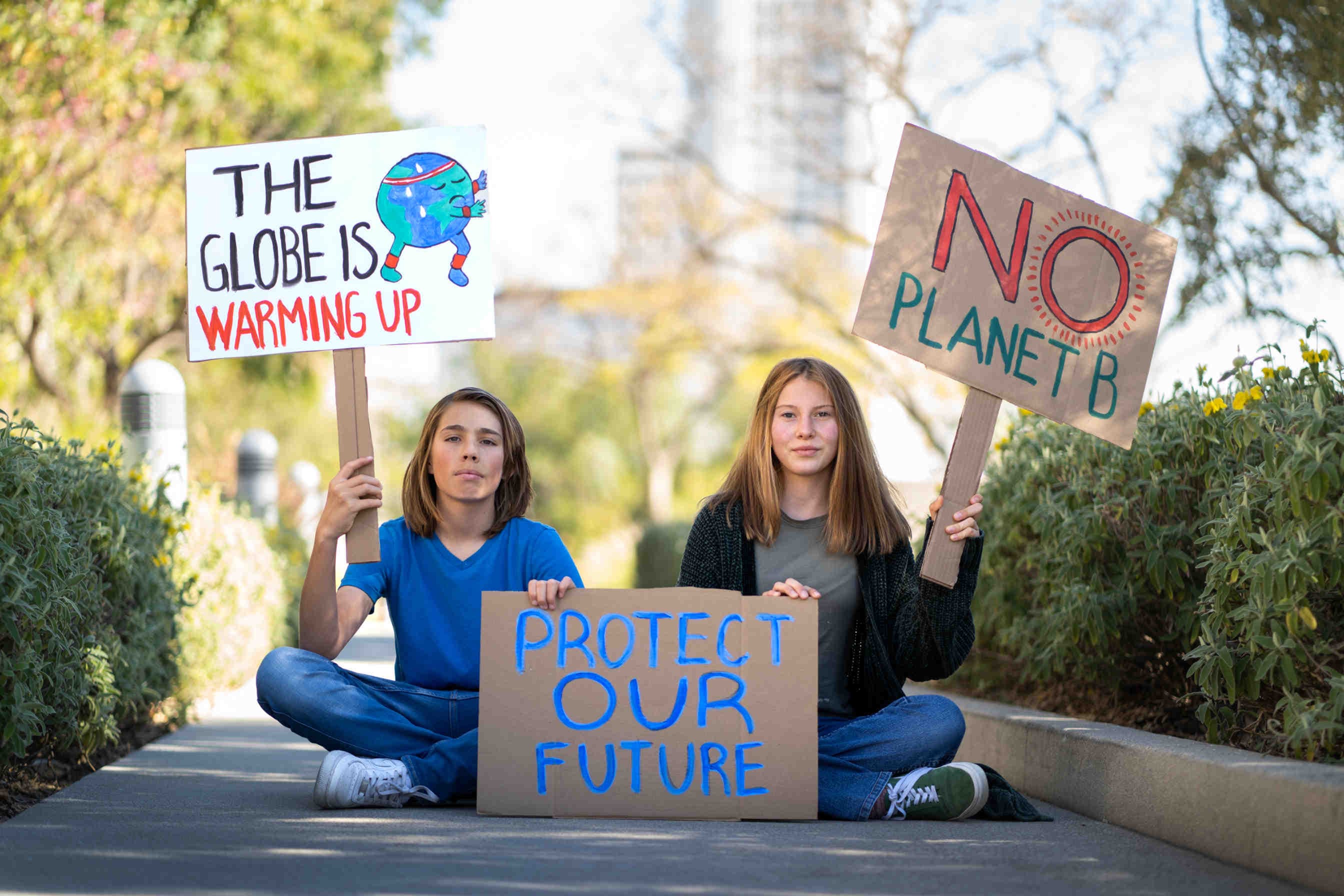
    no planet B

    National Adaptation Plans and the Global Goal on Adaptation

    At COP29, national adaptation plans and the Global Goal on Adaptation (GGA) will be the focus of negotiations. The aim will be to define clear and measurable indicators to assess global progress in adapting to climate change, a task made urgent by the climate impacts already underway. The Paris Agreement had introduced the GGA to create a global framework that would strengthen resilience, improve adaptive capacity and reduce vulnerabilities. At COP28, the framework had been discussed; now, at COP29, concrete targets and standards will be set to monitor these efforts. However, the challenge is significant, as adaptation actions are highly local, and identifying common metrics is complex. The negotiations will also address financing, with the need estimated at USD 400 billion per year by 2030, to support developing countries in particular.

    adattamento al cambiamento climatico
    XNatura

    Challenges and complexities of global climate cooperation

    Reaching a global climate agreement is a complex challenge. States move according to often conflicting interests and face problems such as free riding, or 'opportunistic behaviour': some countries benefit from the climate actions of others without contributing adequately. Greenhouse gas emissions, in fact, have a global impact: when a country reduces its emissions, it incurs significant costs, but the benefits are distributed globally. This dynamic creates an incentive to postpone efforts or do the bare minimum, hoping that other countries will bear the brunt of the transition. Then there are the difficulties surrounding international cooperation on energy issues, due to diverging interests related to the strategic resources and energy mixes of different states, uneven vulnerabilities, different political, economic and technological capabilities, and different balances of power on other negotiating tables.

    3Bee
    11/11/2024Of 3Bee, Lisa Santillo
    193 Views
    Newsletter
    newsletter
    Subscribe to the Blog about bees and biodiversity

    Frequently Asked Questions

    Do you have any doubts or other curiosities about this article? Here you will find some insights