Conservation: rewilding or ecological restoration?
    ObjectifCateringRedevelopmentLimits

    Conservation: rewilding or ecological restoration?

    Preserving biodiversity means protecting habitats. When it comes to managing damaged areas, there are often two opposing approaches: rewilding and ecological restoration. Why are these approaches opposed? How do they work? Find the answers in this article.

    Read the article
    04/07/2024Of 3Bee, Fiorila Hell
    837 Views
    04/07/2024Of 3Bee, Fiorila Hell
    837 Views

    A common goal

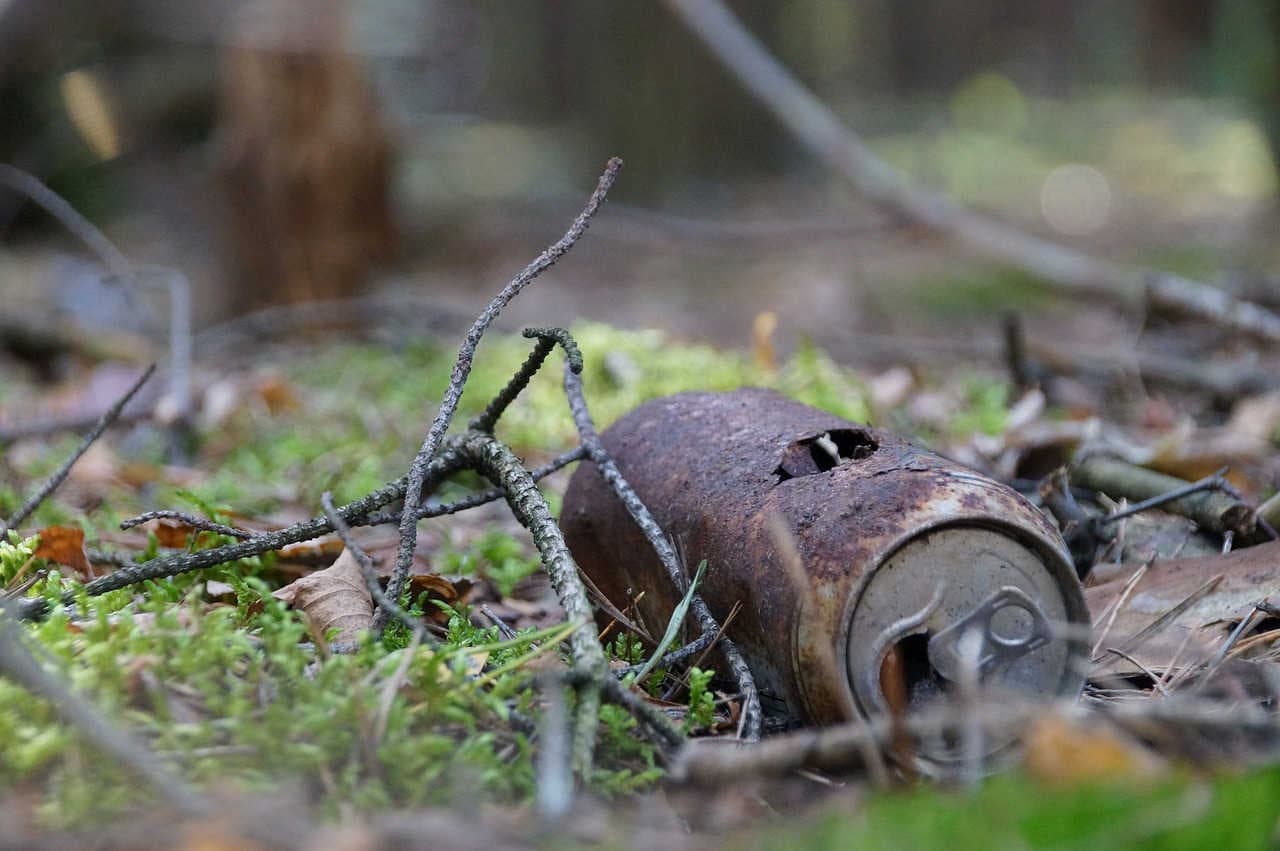
    Human activity and the resulting climate disruption are responsible for many of our environment's ills. The UN has declared the years 2021-2030 the decade of the Restoration of Ecosystems, with the ambitious goal of "preventing, halting and reversing ecosystem degradation on all continents and in all oceans". The destruction and degradation of the environment, the pollution of ecosystems and the fragmentation of habitats are endangering biodiversity. From this observation arose the desire of ecologists to remedy these degradations in order to allow altered ecosystems to return to a less degraded state. Two popular approaches emerged from this desire during the 20th century: ecological restoration and, more recently, rewilding. Although they share a common goal, their methods of intervention and concepts differ.

    Canette rouillée dans les bois

    What does ecological restoration involve?

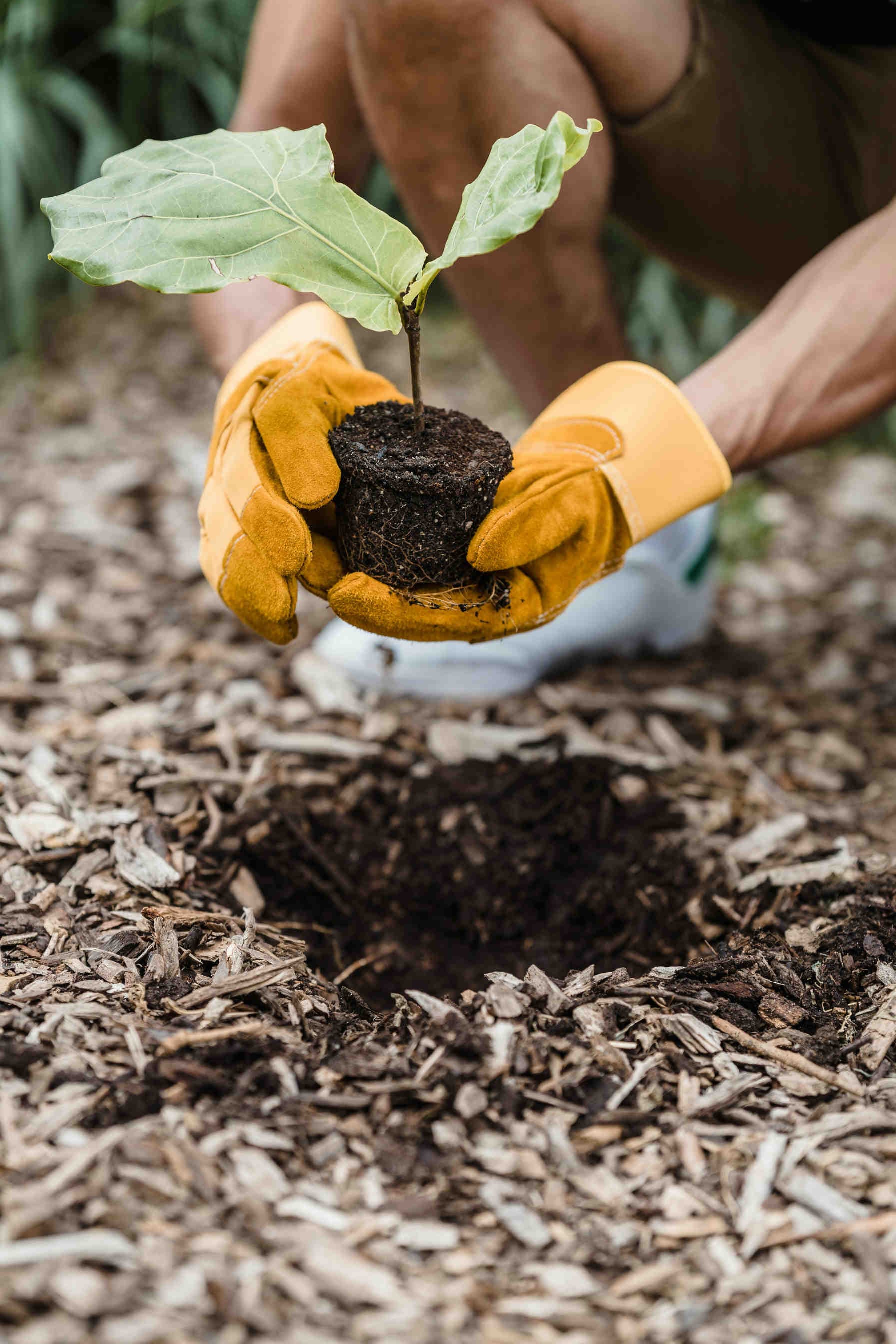
    Ecological restoration is "the process of helping to restore an ecosystem that has been degraded, damaged or destroyed while taking into account its ecological integrity". It is a set of scientific methods that emerged in the 1930s. Like any scientific project, ecological restoration is based on an assessment of the ecosystem to be restored. It then involves drawing up a plan of action with precise objectives to be achieved, its implementation, and in the long term, the maintenance of efforts and the monitoring of objectives. Its quantitative objectives vary depending on the project, but generally involve all three of the following components: 1) the restoration of biodiversity, 2) the rehabilitation of an area's ecological functions and 3) the repair of degraded habitats. People play a central role in ecological restoration efforts, as they are the ones who define the objectives and implement the actions to achieve them.

    Des mains portant des gants jaunes tiennent un arbre et le plantent dans le sol
    XNatura

    What is rewilding?

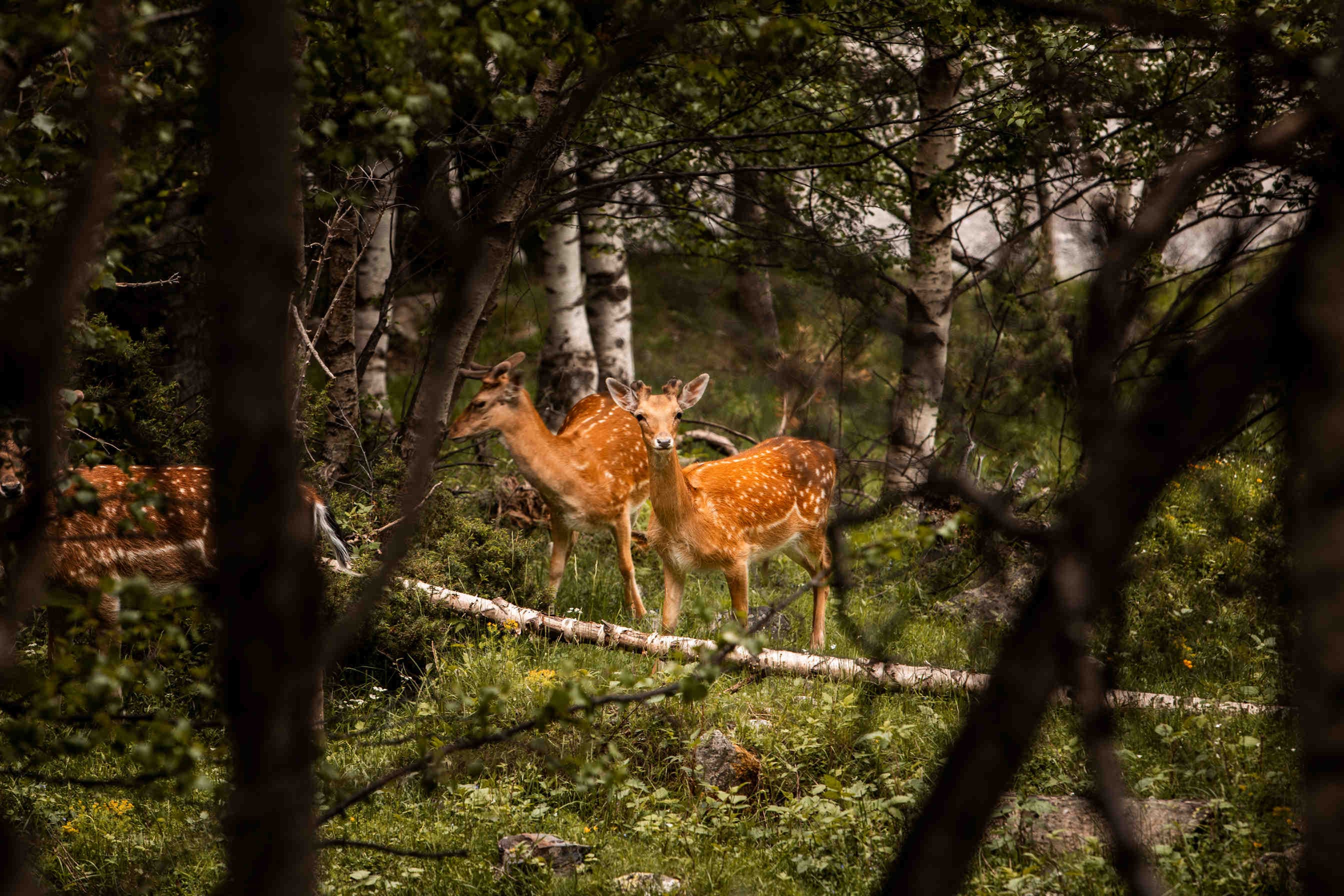
    The term appeared in the 1990s in a very specific context. At the time, it defined the processes of reintroducing big predators, such as big cats, wolves or bears, into their natural habitat for a return to the wild. Little by little, rewilding has crept into conversations about ecological restoration, particularly in the United States, among radical environmentalist movements. This concept advocates minimal human activity for a return to nature directed by nature. Humans therefore play a rather passive role in a rewilding initiative. In the long term, the aim is to let the rewilded area evolve and adapt in the most natural way possible. This is an adaptive approach to ecological conservation that encourages nature to adapt and evolve according to its own natural unpredictability.
    Deux petites biches dans une forêt

    The limits of ecological restoration

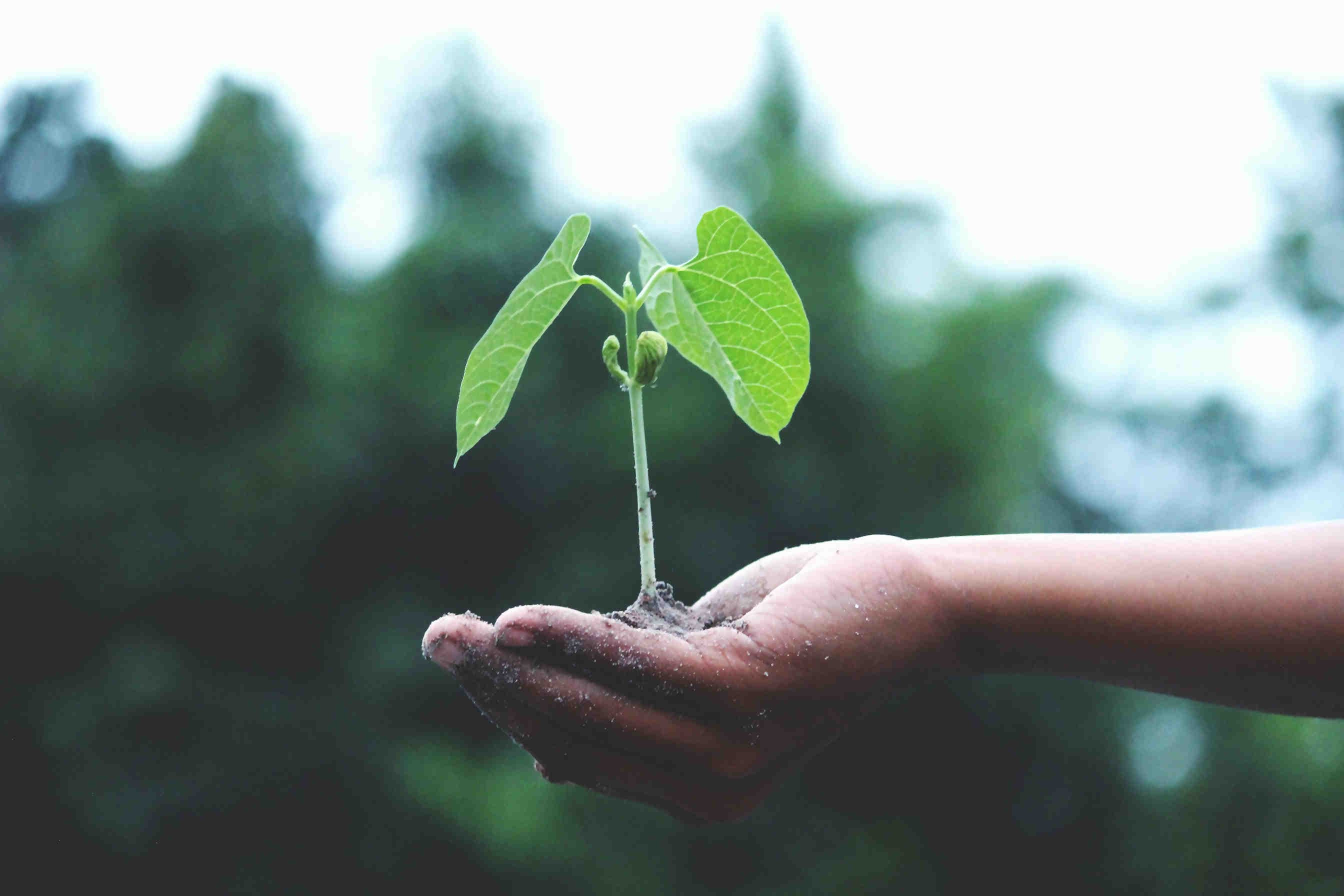
    Restoration is often unattainable by definition. Returning to the identical state, before the damage caused by human activity, often looks impossible. This notion " idealises the past and depoliticises the future", giving the past an exaggerated value and leaving little room for the future to intervene in a natural and adaptable way. In practice this means that the ambition to return to the original state first involves reaching agreement on the "natural" state of the land. Once restoration has been achieved, this approach advocates efforts to maintain that state, which can be contrary to the natural instinct of flora and fauna to evolve and adapt to environmental circumstances such as climate disruption. Numerous changes can alter the ecosystem, which must adapt to survive in a different way. The rigorous framework of ecological restoration imposes objectives that can hinder this natural adaptation.
    une main tient une pousse d'arbre
    XNatura

    The limits of rewilding

    The main fear associated with rewilding is its uncertain nature. The reintroduction of species can lead to unpredictable and harmful changes to the ecosystem; for example, the spread of new diseases, a change in habitats or the "cascade" effect, which defines all the disturbances associated with the arrival of a species. In addition, some damaged areas are cut off from their natural environment, such as urban enclaves or areas of intensive agriculture, making their rewilding impossible without human intervention. So far, restoration efforts belong to the scientific sphere, whereas rewilding projects are more frequently carried out in the associative sphere. Two risks follow: the first is the possible lack of scientific rigour in monitoring success indicators, the second is the potential lack of funding to carry out the tasks associated with rewilding over the long term.
    Une main tient une feuille verte et a les doigts recouverts de peinture verte
    3Bee

    The benefits of synergy

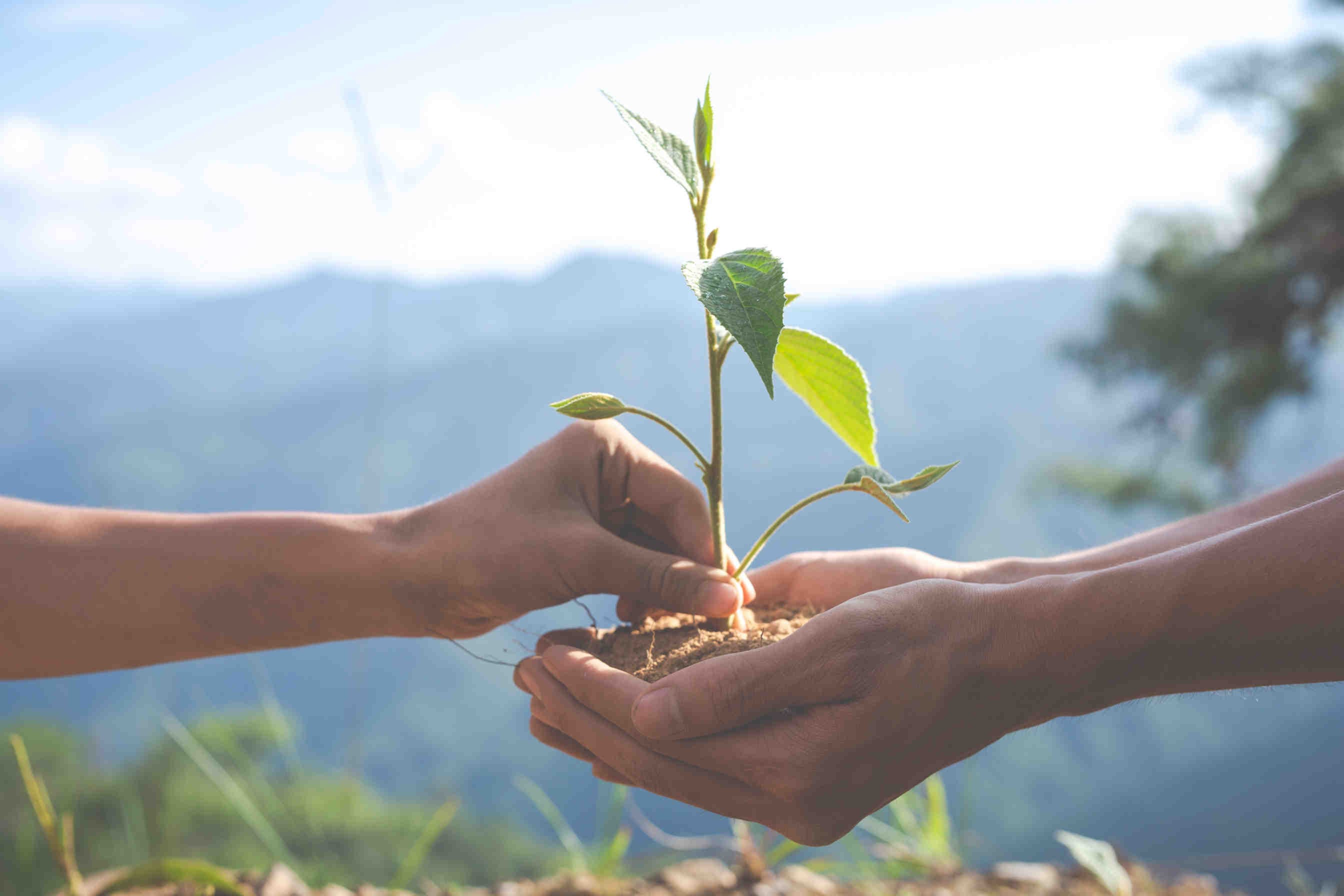
    A large part of the scientific community is arguing for the mutualisation of these methods and to stop pitting them against each other, as they are far from antagonistic. In view of the advantages and disadvantages of both approaches, it is clear that a synergy of the two would enable a more effective method of ecosystem remediation. The two concepts, which are fundamentally complementary, aim to remedy living things via different paths. Where restoration aims to repair, rewilding aims to encourage natural resilience. The adaptable aspect of rewilding would respond to the rigid framework of ecological restoration, while the scientific rigour and human interventions of restoration would avoid the contingencies of rewilding. There is a wide variety of degraded areas, and different approaches are needed to remedy damaged ecosystems on a case-by-case basis, depending on the specific features of each ecosystem.
    Un dessin de la terre portée par un homme et une femme agenouillée plante des arbres

    The Cévennes Park, an example of successful collaboration

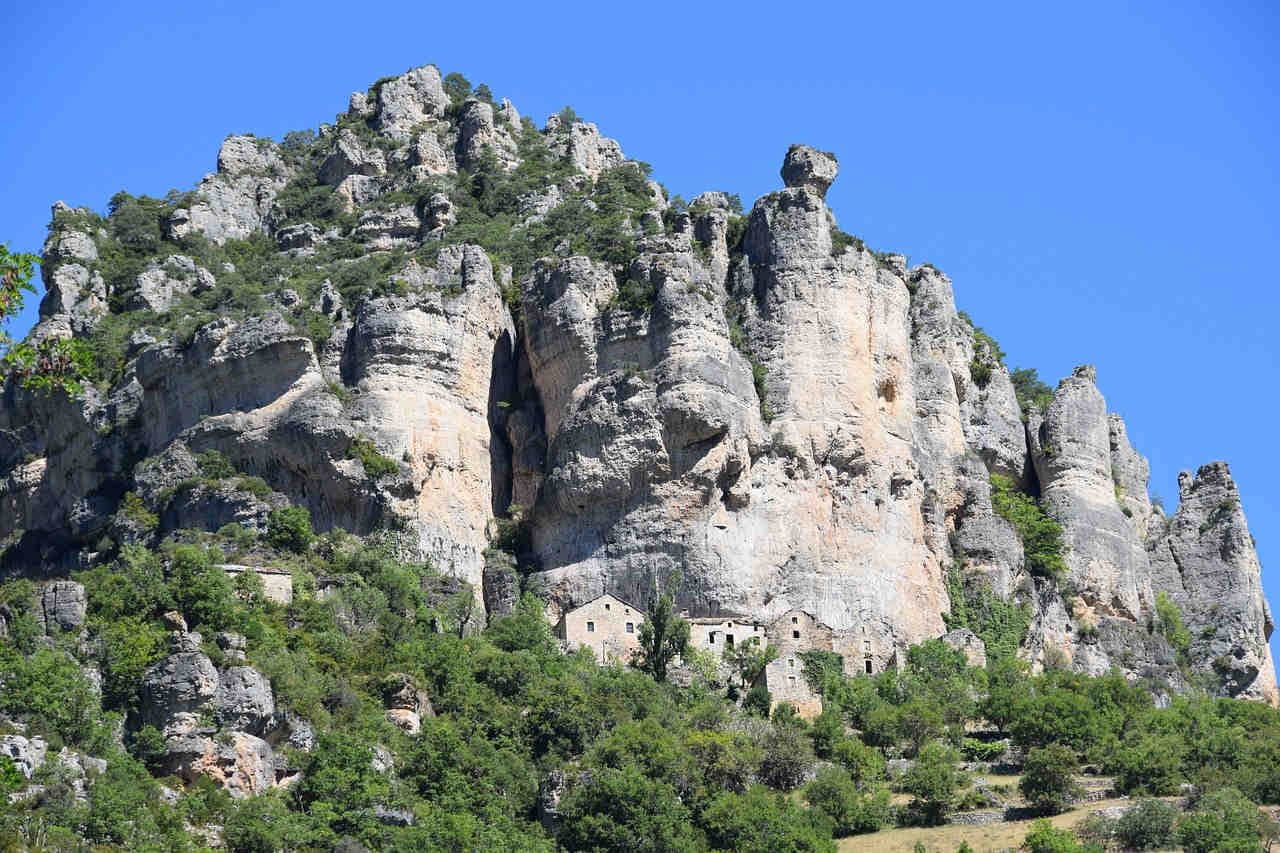
    The Cévennes National Park, in the south of France, is a UNESCO World Heritage Site. Located in the mid-mountains, this 2,700km2 area is home to a rich biodiversity, including 42 endangered species and 18 rare species. As early as the 1990s, the park introduced methods specific to both approaches. Not only is the Cévennes Park recognised for its ecological approaches, it is also applauded for its holistic way of working. Indeed, the Cévennes Park is home to numerous ecosystems that blend preservation of biodiversity, restoration of natural habitats, reintroduction of threatened species and conservation of the region's cultural heritage, such as traditional Mediterranean agro-pastoralism. The heart of the Cévennes Park is protected for its natural qualities as much as its cultural ones. This park is a perfect example of the successful synergy between the two methods of remediating an area.
    falaise calcaire des Cévennes

    Ecological restoration of the park

    Ecological Restoration has a so-called "bottom-up" approach, its efforts focused on the bottom of the food chain and habitats, such as soil regeneration and plant diversity. Many of the park's ecosystems have been restored using this approach. The Cévennes' diverse landscape offers a wide variety of ecosystems such as forests, peat bogs and watercourses, often serving as corridors for biodiversity. In 2012, the park embarked on the ecological restoration of the "gourgues", small ponds created by farmers in days gone by to provide water for their livestock. The work involved removing muddy sediments from the ponds, restoring the low walls that hold the water and removing the invasive vegetation. The monitoring carried out showed an increase in amphibians and dragonflies around the ponds. Ecological restoration has therefore made a good contribution to the preservation of local biodiversity.
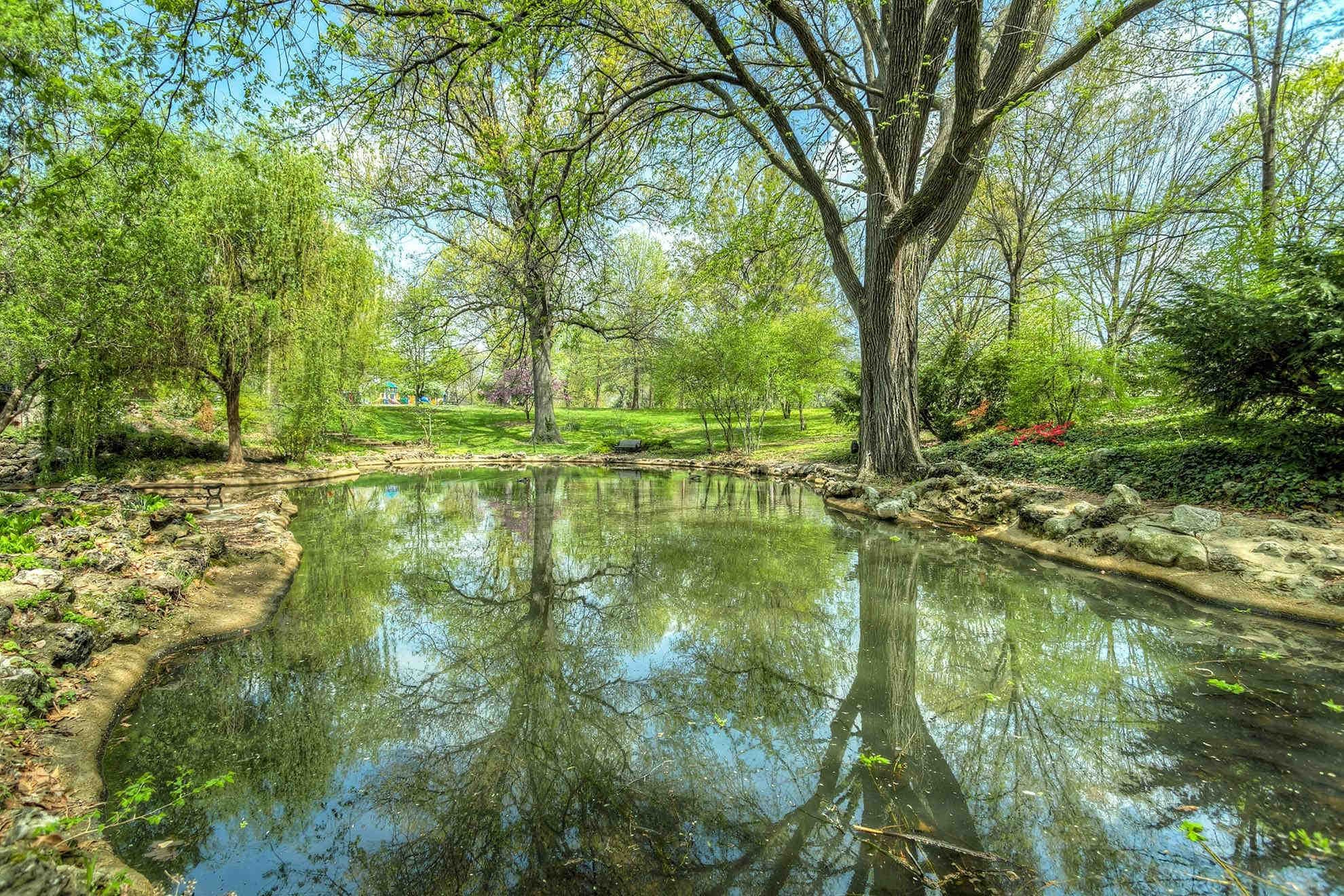
    un étang entouré d'arbres verts

    Re-environment of the park

    Unlike ecological restoration, rewilding is an approach that works at the top of the food chain by reintroducing predators and herbivores, also known as "engineer species" that will have significant effects on an ecosystem, even in small numbers. In the 1980s, the castor was reintroduced to the Cévennes park, after disappearing due to habitat degradation and hunting. This initiative has not only contributed to the preservation of the beaver, but has also triggered a cascade of benefits for the ecosystem of which it is a part. Dams made by beavers promote wetlands, act as a natural filter and regulate watercourses. The result is a host of new habitats for thriving biodiversity in these new areas, entirely due to the prowess of the beaver. Once again, this rewilding initiative is successful.
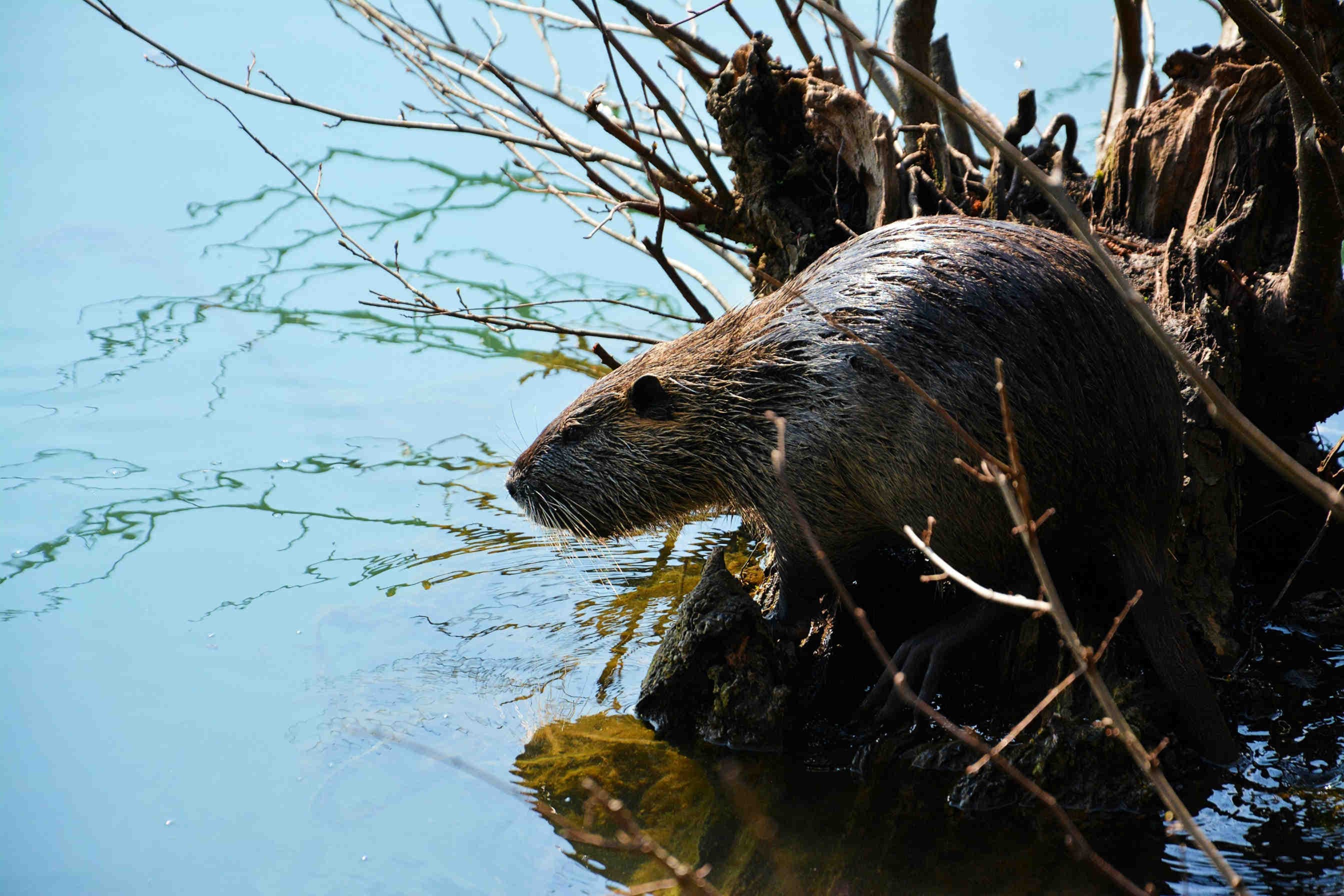
    un castor sur des branches dans un cours d'eau

    Towards a tailored approach

    The management of the Cévennes National Park demonstrates the importance of an adapted approach to the remediation of natural areas. A synergy of the two methods, as advocated by a large number of scientists, has many positive effects on ecosystems. In February 2024, a law was passed by the European Union requiring all European Union countries to restore 30% of their ecosystems by 2030. The text also provides for a gradual increase with the aim of reaching 60% by 2040 and 90% by 2050. All ecosystems are concerned, including rivers, forests, grasslands and the seabed. Finding effective restoration practices over the long term is a crucial issue in this new law. This directive provides an ideal opportunity for European countries to experiment with the rehabilitation of areas with a synergy of ecological restoration and rewilding adapted to the specific features of each ecosystem.

    une main tient une boule de verre dans lequel on voit une forêt et un lac
    04/07/2024Of 3Bee, Fiorila Hell
    837 Views
    Newsletter
    newsletter
    Subscribe to the Blog about bees and biodiversity

    Frequently Asked Questions

    Do you have any doubts or other curiosities about this article? Here you will find some insights