Coastal zones: ecosystems as beautiful as they are fragile
    Dune environmentsPlantsAdaptationsAnimali

    Coastal zones: ecosystems as beautiful as they are fragile

    The planet is currently under various stresses due to the presence of man and all the damage that anthropogenic disturbances have been causing for several years. Beaches, in particular, are among the most damaged ecosystems, which is why the biodiversity associated with them is seriously at risk.

    Read the article
    08/08/2024Of 3Bee, Alessia Mircoli
    513 Views
    08/08/2024Of 3Bee, Alessia Mircoli
    513 Views

    Dune environmental characteristics

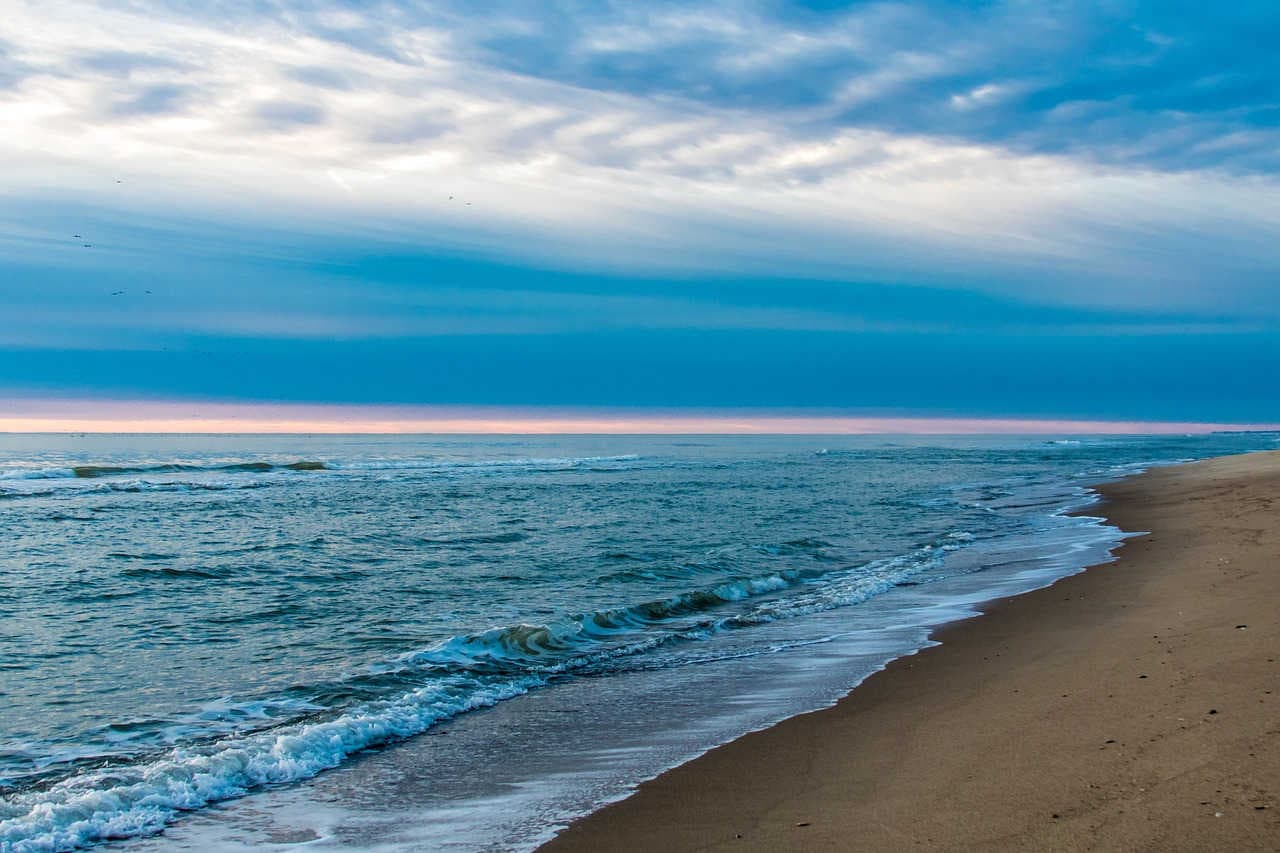
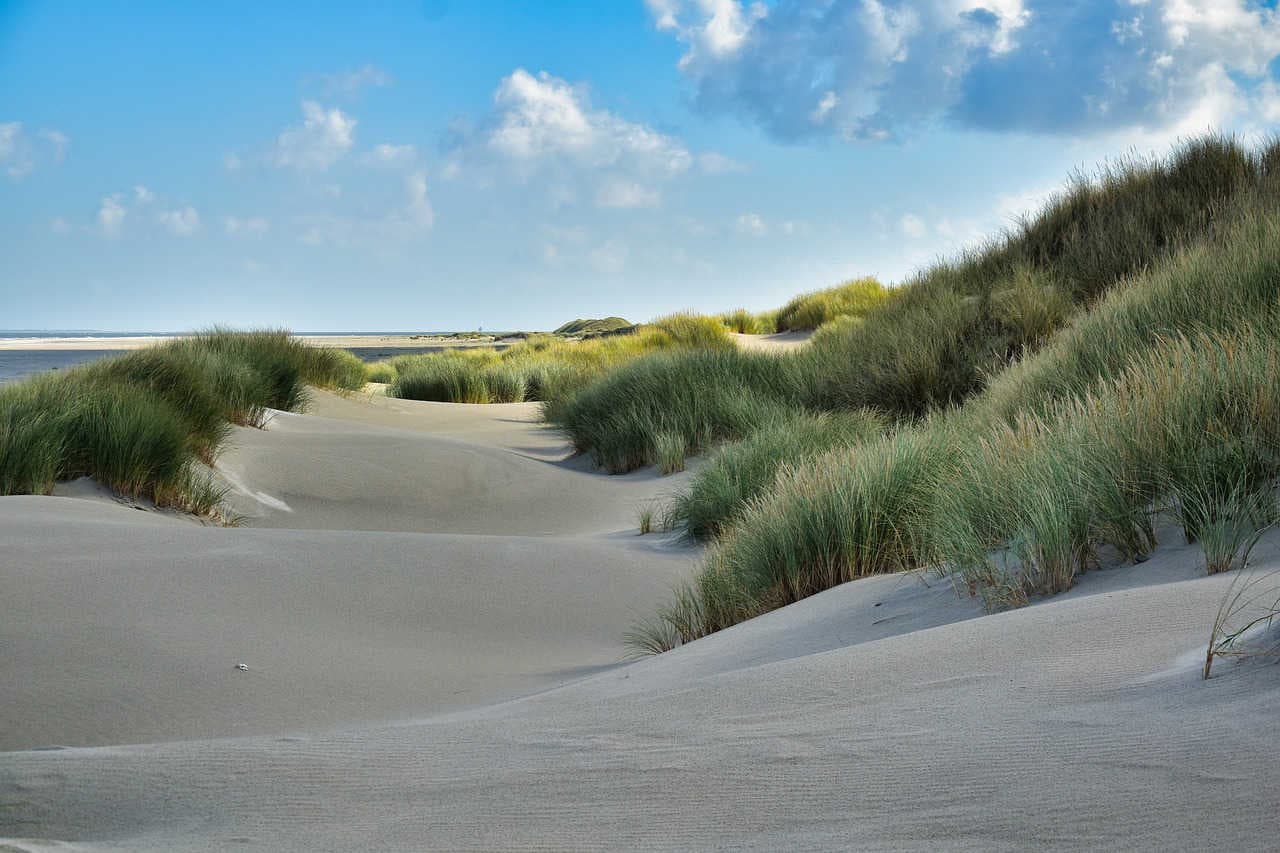
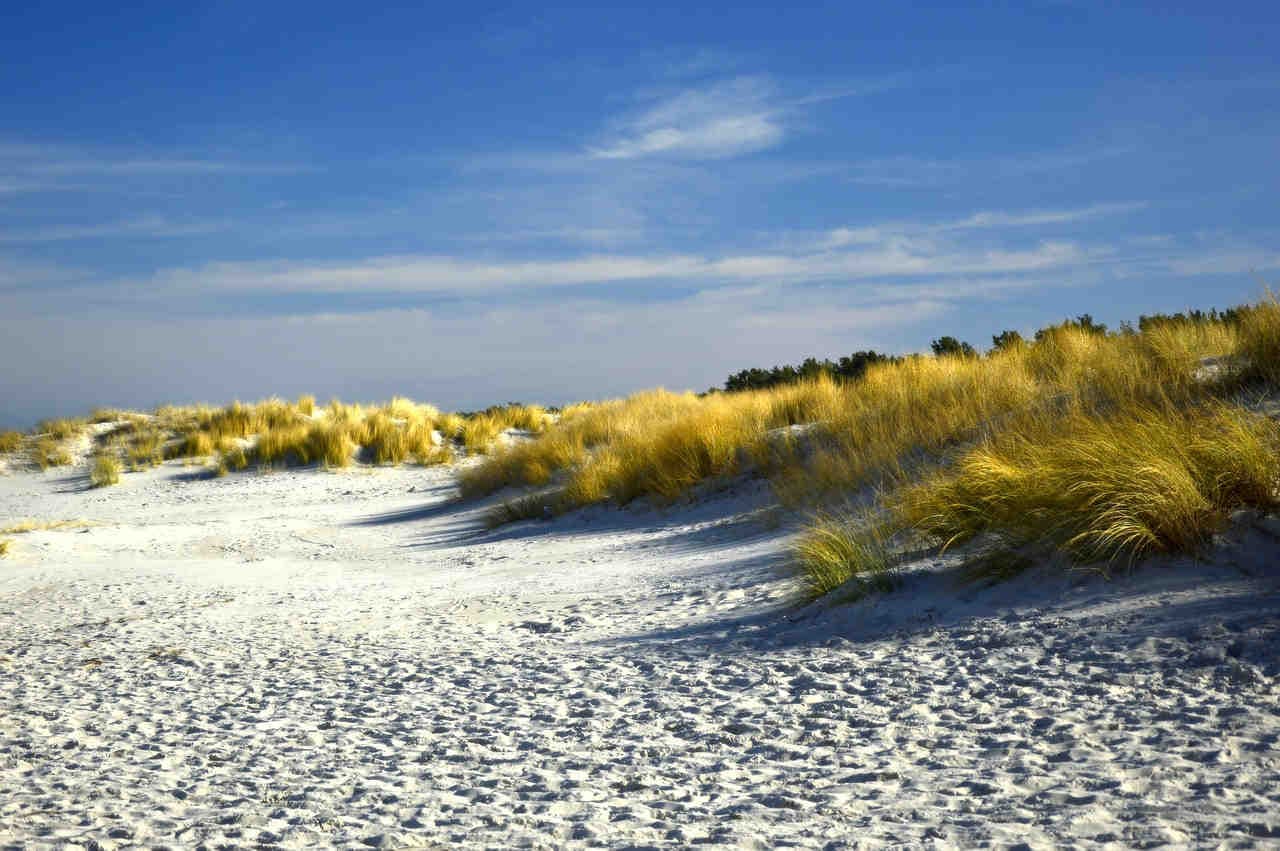
    The coastal dune environment represents a transition zone between land and sea, characterised by a highly diversified ecosystem with various habitats that differ depending on the distance from the sea. This peculiarity is called zonation and is a characteristic that is also related to the biodiversity we can find in these environments. Each 'zone' corresponds to a specific habitat, populated by certain animal and plant species. In particular, the connection of the coastal dunes with the seashore results in an increase in vegetation and the creation of microenvironments that increase biodiversity as one moves towards the land area. To this vegetation gradient corresponds the fauna gradient: marine crustaceans decrease towards the land, as opposed to insects, interstitial fauna (the set of organisms living in the spaces between grains of sand or sediment) and vertebrates.
    dune

    Plants of the coastal sands

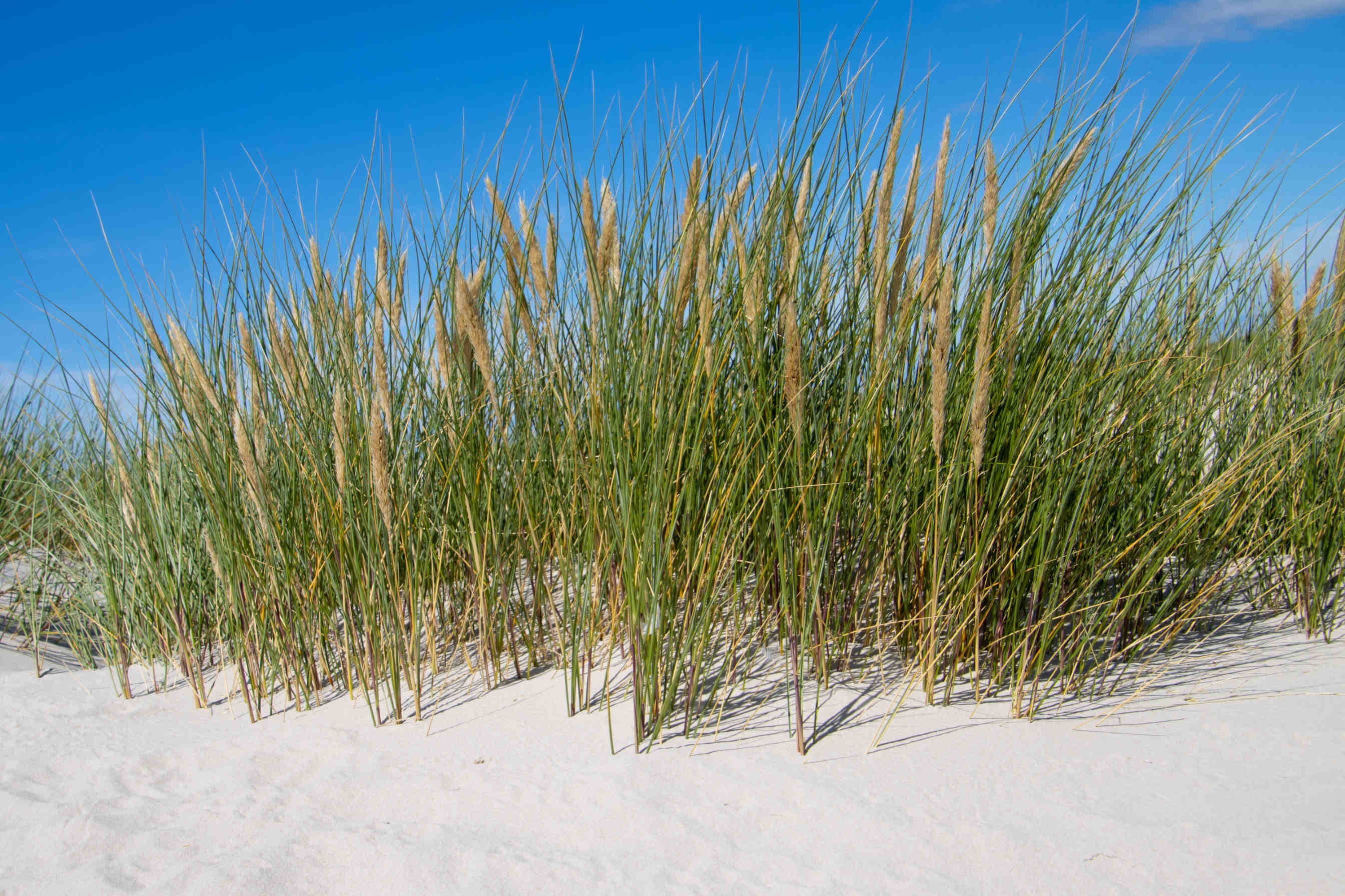
    The plants that live on beaches are called psammofile (from the Greek psammos=sand, filé=friend). Among these, one of the most emblematic species in Italy and the Mediterranean is Ammophila arenaria, fundamental to the process and maintenance of dunes. In order to withstand these environments, it has developed special adaptations, one of which involves stomata, small openings that allow the exchange of gas, but also allow water vapour to escape. That is why the stomata of this species are located at the bottom of cavities that are covered with very fine hairs, which are useful for reducing leaf transpiration. One of the most beautiful species is Cakile maritima, an annual plant that has a splendid soft purple summer flowering, which unfortunately is now in sharp decline. Among the more common species, however, is Anthemis maritima, which stands out for the sumptuous spring blooms that adorn our shorelines.
    ammophila
    XNatura

    Adaptations of coastal sand plants

    Living near the sea is no picnic as living beings have to cope with a long series of problems. First of all: salinity, which is all the stronger the closer you are to the coast. To protect themselves from the high presence of salt (sodium chloride), some plant species have relied on osmosis: they produce molecules that function as harmless salts for the body. In this way, they are able to absorb water and nutrients without problems. The succulence, i.e. the presence of a certain reserve of water within the stems and leaves, is also an adaptation against dehydration. Another challenge is the poor stability of the substrate. To cope with this condition, plants have developed extensive root systems that allow them to anchor themselves in an unstable environment. This process not only helps the plants stabilise, but also helps to compact the beaches, thus improving the stability of the entire ecosystem.
    dune sabbiose

    Animals of the coastal sands

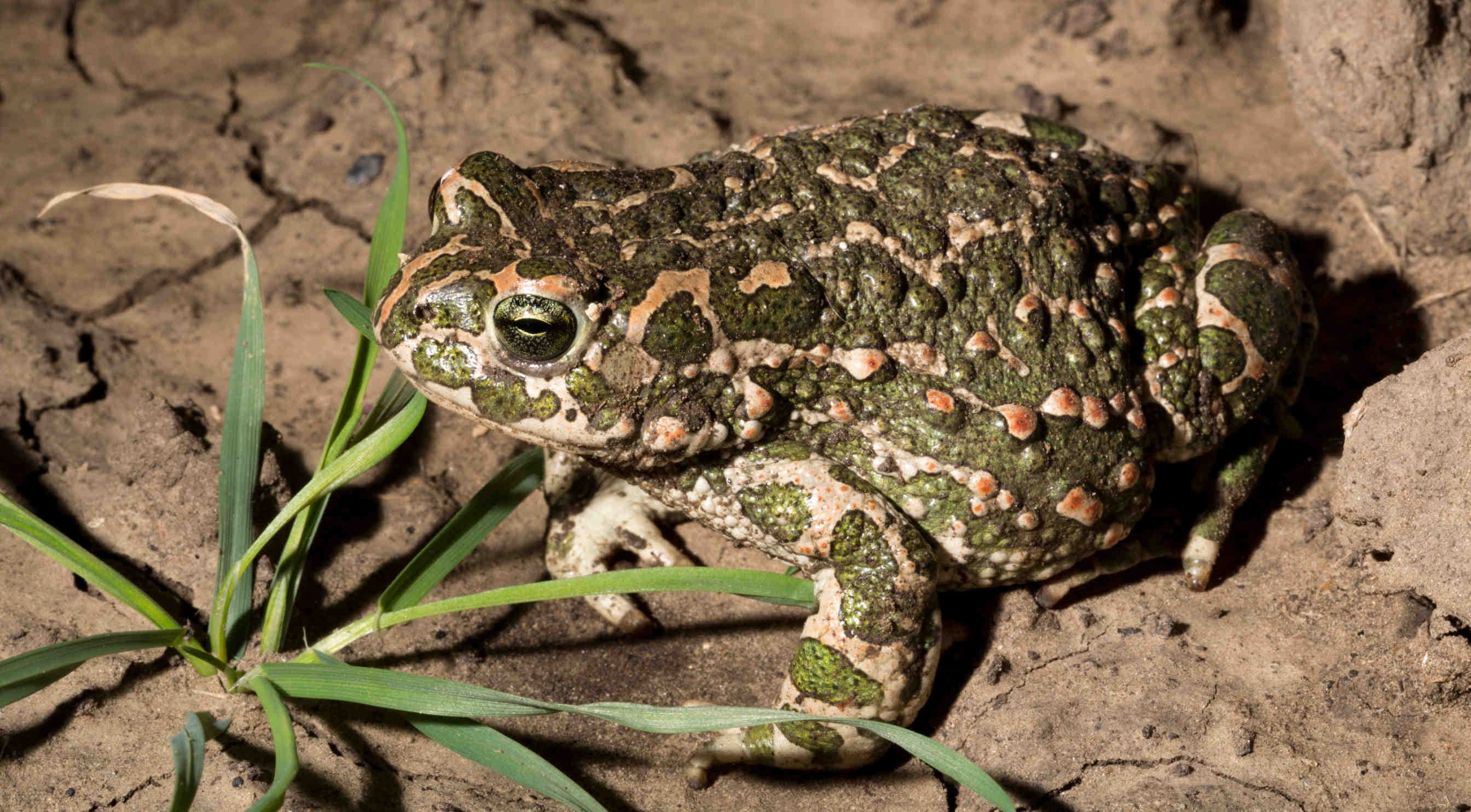
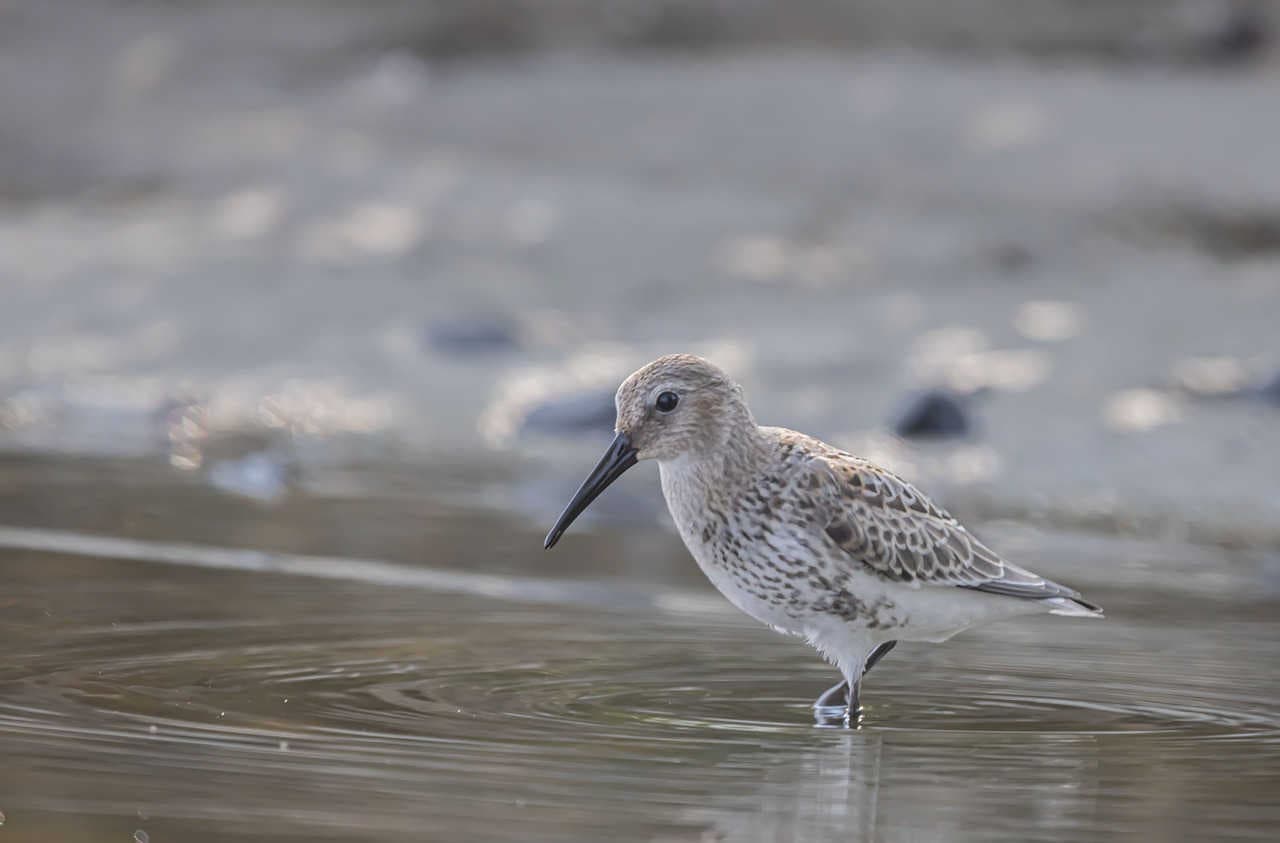
    The number of species and complexity of coastal animal communities increases along the sea-shore gradient. The foreshore area, for example, is populated by Talitrid amphipods or sea fleas, which find shelter among the debris carried ashore by the sea. These are threatened by Eurynebria complanata, a voracious predator that hides under beached material during the day and becomes particularly active at night. The beaches are also home to species of generalist vertebrates. These include Bufotes viridis, a toad that can be observed in freshwater or slightly brackish coastal ponds in spring, engaged in reproductive behaviour. Among reptiles, it is common to encounter the country lizard and some species of snakes, such as the grass snake. In addition, there are several species of birds, including the Kentish plover, which is now close to extinction, and mammals such as the fox, hedgehog and wild rabbit.
    rospo smeraldino
    XNatura

    Adaptations of coastal sand animals

    In sandy environments, the ability to fly is not particularly advantageous, which is why many insects have modified their wings. For example, in the Tenebrionidae, a family of beetles, the elytra (the first pair of hardened wings) have fused to form a protective armour that reduces water loss and offers protection from the wind. Other invertebrates have developed burrowing organs to build tunnels in the sand and protect themselves from direct exposure to the sun during the hottest hours. Still others have thin, elongated limbs that allow them to move faster and minimise contact with the sandy substrate. Due to the sparse plant cover, many animals have evolved cryptic colourations that help them blend in with their surroundings. Their patterns, which often resemble sand, allow them to escape the eyes of predators such as reptiles and birds.
    uccello
    3Bee

    Posidonia Oceanica: the Mediterranean's green lung

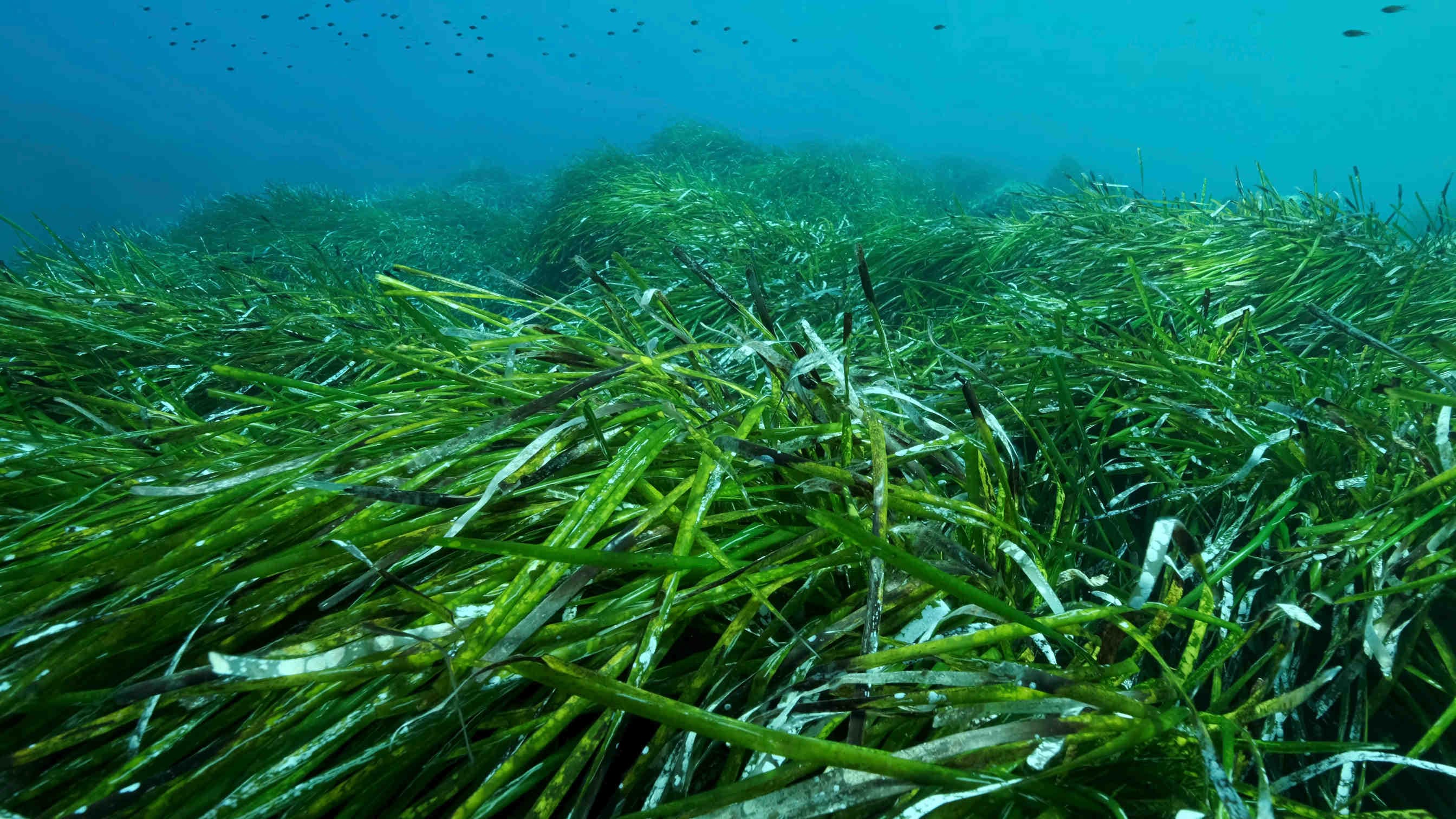
    One of the endemisms of the Mediterranean Sea is the Posidonia Oceanica. This, often mistaken for seaweed, is a superior plant with roots, stems and leaves that form extensive practices that are extremely important. They stabilise the seabed, produce large amounts of oxygen, provide shelter for various marine species and protect the coastline from erosion. They also act as sustenance when, in the form of organic debris, they reach the beach offering nutrients to organisms such as the isopods mentioned above. These residues gradually accumulate and create the so-called "posidonia beds" which, in addition to providing nourishment and protection for many organisms, contribute to the fertility of the dunes, ensuring better water retention of the substrate, as well as limiting the effects of coastal erosion.

    posidonia

    What threatens coastal environments?

    The beaches and sand dunes are of great interest from an ecological and landscape point of view, but unfortunately they are currently ecosystems that are extremely threatened. Highly impactful, in fact, is the mass tourism, which has grown out of all proportion due to the presence of beach establishments or attractions linked to the use of different types of vehicles used to entertain tourists. Another issue to be taken into account is the presence of coastal roads used to connect beaches with tourist resorts, which, very often, have extensive car parks that further encroach on coastal areas, increasing habitat loss and altering the sand supply. All this, of course, affects the decrease in biodiversity.

    pallavolo

    And that's not all

    Not to be underestimated is the phenomenon of calpestio, an inevitable consequence of the presence of tourists. These, walking on both rocky and sandy areas, move boulders and rocks causing impacts to the environment. A study, in fact, has shown that even just walking in the rocky intertidal (the area between low and high tide levels) is damaging to the ecosystem, as it causes barnacles and algae to decrease. The 'cleaning' of beaches carried out to make them more attractive to bathers also causes various inconveniences. It has been shown that following the removal of naturally deposited plant debris, there is a decrease in biodiversity. In particular, it has been observed that sandy beaches frequented by tourists in some areas of the Mediterranean have lower densities and diversity of invertebrates than normal and lower concentrations of organic matter than nearby non-tourist beaches.

    gioco

    Invasive species are also a problem

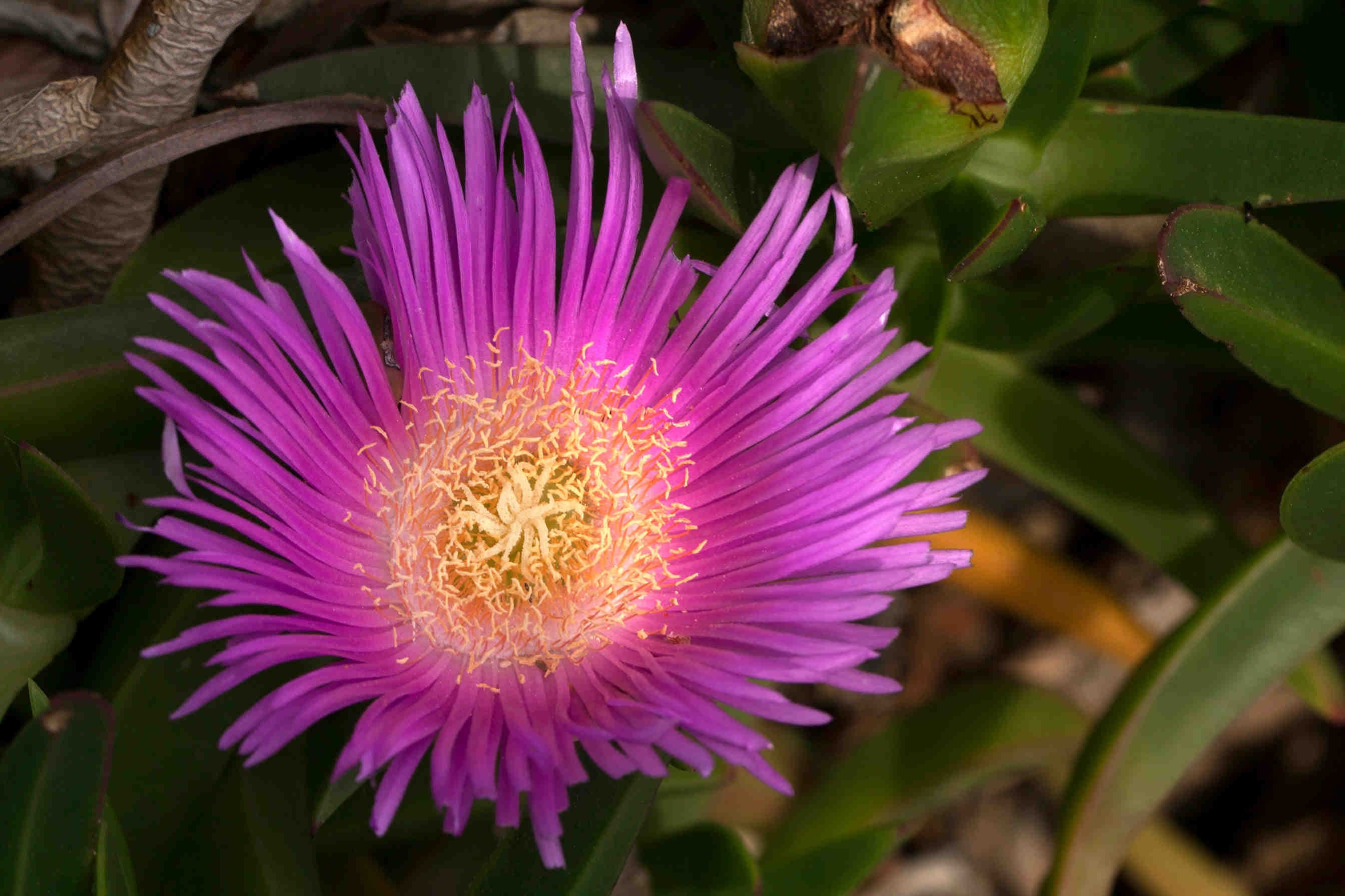
    In a previous article, we specifically analysed the danger and impacts that invasive alien species cause on biodiversity and ecosystems. Well, coastal areas are not exempt from their presence. In Italy, numerous exotic plants have been found, but one of the most widespread is undoubtedly the hottentots' fig (Carpobrotus spp.). It is a perennial plant used for ornamental purposes because of its charming flowers. The problem lies in the fact that this plant, once established on the dunes, creates dense herbaceous mats that can reach very high cover values in an extremely short space of time. For this reason, it tends to overexploit the native plants, a situation that obviously also affects animal biodiversity.
    carpobrotus

    Measures for the Protection of Coastal Areas

    Many damages caused to coastal areas are now irreversible. To improve the situation, access to tourist areas must be better controlled and effective maintenance must be implemented to ensure that these areas are properly cared for. It is good practice to limit access to particularly vulnerable areas and inform the public about the high value of these environments, which are often little known and undervalued. Use can also be made of Integrated Coastal Zone Management (ICZM), a key tool for the protection and sustainable development of coastal zones, both at European and regional level, supported by the 2009 'Protocol on Integrated Coastal Zone Management in the Mediterranean'. This establishes fundamental principles for the protection of marine ecosystems, the preservation of coastal landscapes, the defence of cultural heritage and the sustainable development of economic activities.
    tramonto
    08/08/2024Of 3Bee, Alessia Mircoli
    513 Views
    Newsletter
    newsletter
    Subscribe to the Blog about bees and biodiversity

    Frequently Asked Questions

    Do you have any doubts or other curiosities about this article? Here you will find some insights