Circular Product: the EU 2025-2030 plan for ecodesign and energy efficiency
    Circular productEcodesignWork PlanSectors

    Circular Product: the EU 2025-2030 plan for ecodesign and energy efficiency

    The European Commission has launched a work plan for 2025-2030 aimed at promoting circular products. Focus on ecodesign, energy labelling and the promotion of durable, repairable, circular and energy-efficient products throughout Europe.

    Read the article
    02/05/2025Of 3Bee, Angelina Tortora
    258 Views
    02/05/2025Of 3Bee, Angelina Tortora
    258 Views

    What is meant by circular product

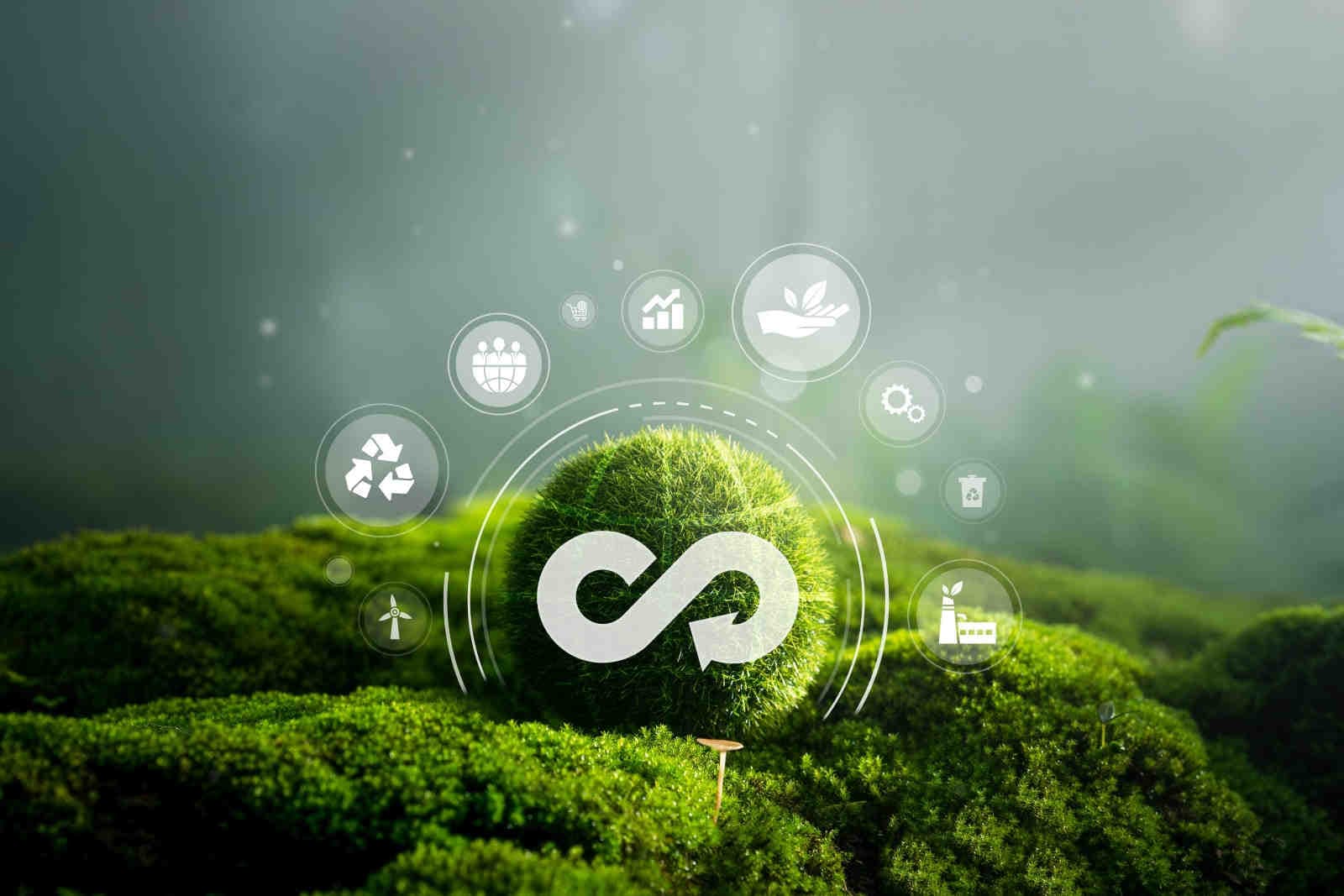
    The concept of a circular product represents a key evolution in the field of circular economy, as it focuses on applying sustainability principles to individual consumer goods. Unlike the linear economic model, based on the principle of "produce, consume, and dispose", the circular economy aims to keep materials and products in use for as long as possible. In this context, circular products are designed to be durable, repairable, reusable, and recyclable. Their design involves the use of materials specifically selected to facilitate regeneration and reintegration into the production cycle, reducing environmental impact. Compostability, component recovery, and waste reduction are the three pillars on which the circular product is based, making it a concrete solution for a more efficient and sustainable resource management.
    Cosa si intende per circular product

    Ecodesign: the key to circular and efficient products

    Eco-friendly design, or ecodesign, is essential for developing products in line with circularity principles. It is an approach that considers the entire product lifecycle: from material selection to production, from use to end-of-life. The new plan by the European Commission integrates Ecodesign for Sustainable Products (ESPR) and the Energy Labelling Regulation (ELFR) to steer the market towards increasingly responsible solutions. This goal is pursued through innovative business models, such as servitization, and return and recycling systems, aiming to reduce the environmental impact of consumer goods. In particular, products that are easily disassemblable, upgradable, and characterized by high energy efficiency are encouraged, promoting a competitive and sustainable economy.

    Ecodesign: la chiave per prodotti circolari ed efficienti
    XNatura

    The European Commission's Work Plan 2025-2030

    The European Commission has launched a work plan for the period 2025-2030 based on the ESPR and ELFR. The plan aims to accelerate the spread of circular products and strengthen industrial competitiveness. The plan identifies priority product categories for which to apply ecodesign requirements and energy labeling criteria over the next five years. The initiative is aligned with the Clean Industrial Deal and the Competitiveness Compass, promoting sustainability and industrial resilience in Europe. Specific measures, such as the introduction of a repairability score and new recyclability standards for WEEE equipment, complete the strategic framework, making the approach even more effective in resource-intensive sectors.

    Il piano di lavoro della Commissione Europea 2025-2030

    Circular product: key sectors and new priorities

    The plan focuses on high-impact strategic sectors such as steel, aluminum, and textiles, with particular attention to clothing, furniture, and tires. These sectors were selected based on their ability to significantly contribute to the transition towards a more circular economy. The adoption of harmonized requirements at the European level represents an important step in overcoming internal trade barriers and creating a truly competitive single market. Voluntary technical standardization and the strengthening of industrial symbiosis principles will help reduce administrative burdens, favoring the most virtuous companies and promoting a model of economic growth compatible with environmental objectives.

    Circular product: settori chiave e nuove priorità
    XNatura

    Repairability, recyclability, and digital passport

    The new European strategy aims to introduce clear and measurable criteria for the repairability and recyclability of products, especially consumer electronics and small appliances. To facilitate the identification of more efficient and durable products, a scoring system dedicated to circular products has been launched, which, in addition to highlighting the minimum required performance, also considers the availability of spare parts, the percentage of recycled material, and energy efficiency. All this information will be accessible through the Digital Product Passport or, for products with an energy label, via the EPREL Registry. The decision-making process, highly inclusive, involves technical consultations with stakeholders and a particular focus on the needs of SMEs, providing them with support during the development of regulatory requirements.

    Riparabilità, riciclabilità e passaporto digitale
    3Bee

    3Bee's expansion in international markets

    This article was created as part of the "Biodiversity services EU expansion" project (CUP: E43D22000480009) under the Region of Lombardy's call "PR FESR 2021-2027 – LINEA INTERNAZIONALIZZAZIONE 21-27", aiming to support the internationalization of Italian companies. 3Bee is the naturetech company that develops innovative technologies for monitoring, protecting, and regenerating biodiversity, supporting companies in defining customized climate strategies based on the analysis of their impacts and dependencies on nature. With a consolidated portfolio in Italy, Germany, and France, and significant partnerships, 3Bee continues its expansion in international markets to create a tangible impact through technology.

    02/05/2025Of 3Bee, Angelina Tortora
    258 Views
    Newsletter
    newsletter
    Subscribe to the Blog about bees and biodiversity

    Frequently Asked Questions

    Do you have any doubts or other curiosities about this article? Here you will find some insights