Carbon credits: what they are and how they work
    Carbon creditTypesMarketChallenges

    Carbon credits: what they are and how they work

    Carbon credits are a fundamental tool in the fight against climate change. They allow companies and governments to offset their greenhouse gas emissions by financing projects that reduce or capture carbon from the atmosphere. Learn more in this article.

    Read the article
    14/04/2025Of 3Bee, Angelina Tortora
    150 Views
    14/04/2025Of 3Bee, Angelina Tortora
    150 Views

    What are carbon credits and how are they generated

    Disclaimer: this is an automated translation from Italian. Go to the original article.

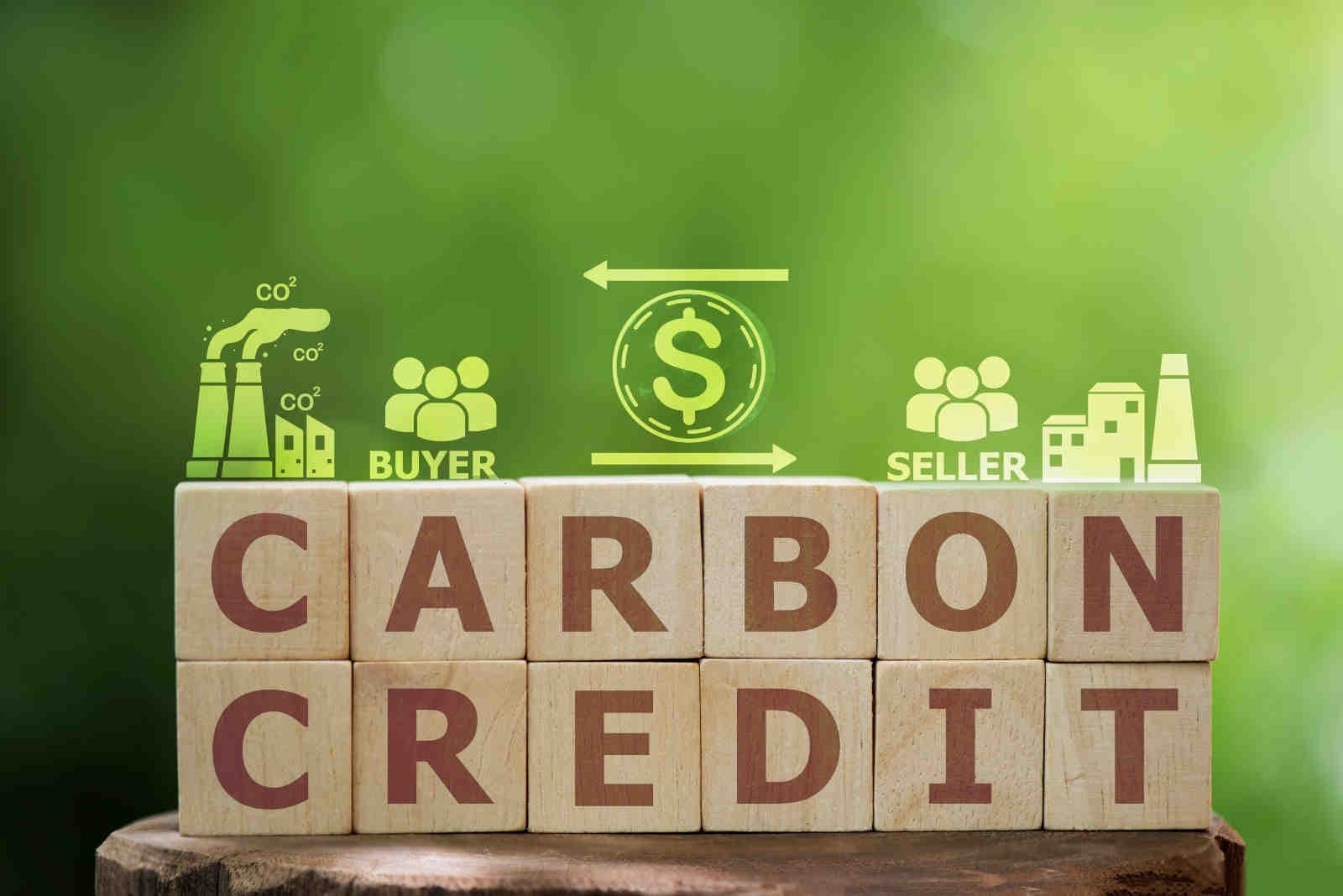
    Carbon credits are certificates that certify the equivalent of one ton of CO2 or of greenhouse gases not emitted or removed from the atmosphere. These credits are generated through concrete projects, such as reforestation, sustainable agricultural management, or the adoption of renewable energies. To ensure their validity, these projects must be subjected to verification by independent entities that monitor and certify the actual reduction of emissions. Once certified, the credits are sold on the market, where companies purchase them to offset their residual emissions. The value of each credit depends on the impact and quality of the project that generated it. In this way, carbon credits incentivize the adoption of sustainable technological solutions and help finance initiatives that reduce carbon in the atmosphere, favoring the transition to a low-carbon economy.


    Cosa sono i crediti di carbonio e come vengono generati

    Carbon credits: types and certification standards

    There are different types of carbon credits, which vary based on the type of project that generates them. The most common projects include reforestation, renewable energy production, energy efficiency, and waste management. Each credit must comply with international certification standards that ensure emission reductions are effective, verifiable, and permanent. The main certification standards are the Verified Carbon Standard (VCS) and the Gold Standard, which ensure the transparency of certification processes and the quality of the funded projects. These credits are monitored by independent third parties to prevent "greenwashing" practices and ensure that the funds raised are effectively used to reduce greenhouse gas emissions. The validity of each credit is fundamental for the proper functioning of the global market, ensuring that offsets are real and measurable.

    Crediti di carbonio: tipologie e standard di certificazione
    XNatura

    Regulated and voluntary carbon credit market

    The carbon credit market is mainly divided into two categories: regulated and voluntary. The regulated market is where credits are used to meet legal obligations, as in the case of the emission trading systems (ETS) of the European Union and other countries. In these systems, companies must purchase credits to offset emissions that exceed the limit set by governments. These markets are regulated by specific laws and regulations that determine the number of credits available and the trading price. On the other hand, the voluntary market is where companies decide to purchase carbon credits to achieve their own sustainability goals, without any legal obligation. While the regulated market tends to be more stable, the voluntary market is characterized by greater flexibility, but also a higher risk of price fluctuations.

    Mercato regolamentato e volontario dei crediti di carbonio

    Challenges and issues in the carbon credit market

    The carbon credit market faces several challenges. One of the main issues concerns the quality of the credits and the difficulty ensuring that each project generates measurable and long-lasting emission reductions. Although certification standards like the VCS and the Gold Standard reduce this risk, there is still no uniform global regulation that sets clear criteria for credit verification. Another critical issue is the risk that some sectors may overly rely on carbon credits as a 'loophole' to avoid actual reductions in their emissions. It is essential that carbon credits do not replace the adoption of more sustainable technologies but rather serve as a complementary and temporary solution to offset unavoidable emissions.

    Sfide e criticità del mercato dei crediti di carbonio
    XNatura

    3Bee's expansion into international markets

    This article was created as part of the "Biodiversity services EU expansion" project (CUP: E43D22000480009) under the Regione Lombardia call "PR FESR 2021-2027 – LINEA INTERNAZIONALIZZAZIONE 21-27", aimed at supporting the internationalization of Italian companies. 3Bee is the naturetech company that develops innovative technologies for the monitoring, protection, and regeneration of biodiversity, supporting companies in defining personalized climate strategies based on the analysis of their impacts and dependencies on nature. With a consolidated portfolio in Italy, Germany, and France and significant partnerships, 3Bee continues its expansion into international markets to create a tangible impact through technology.

    3Bee
    14/04/2025Of 3Bee, Angelina Tortora
    150 Views
    Newsletter
    newsletter
    Subscribe to the Blog about bees and biodiversity

    Frequently Asked Questions

    Do you have any doubts or other curiosities about this article? Here you will find some insights