Butcher's broom: an evergreen shrub typical of the undergrowth
    Butcher's broomRed berriesSpreadEcological role

    Butcher's broom: an evergreen shrub typical of the undergrowth

    The butcher's broom is an evergreen shrub typical of Mediterranean vegetation, known for its prickly leaves, red berries, and the crucial role it plays in ecosystems. Discover in this article its characteristics, ecological benefits, origin of its name, and some curiosities.

    Read the article
    24/12/2024Of 3Bee, Lisa Santillo
    1267 Views
    24/12/2024Of 3Bee, Lisa Santillo
    1267 Views

    The butcher's broom: main characteristics

    Disclaimer: this is an automated translation from Italian. Go to the original article.

    The butcher's broom (Ruscus aculeatus) is an evergreen shrub of the Asparagaceae family, although it was previously classified among the Ruscaceae. The butcher's broom is distinguished by its peculiar “spiny leaves” which, in reality, are cladodes: modified stems that perform the function of the leaves and end with a sharp point. This adaptation serves to protect the plant from herbivores, making it a distinctive element of the Mediterranean undergrowth. The true leaves of the butcher's broom are reduced to small scales at the base of the cladodes and do not participate in photosynthesis. This structure helps the plant limit water loss, giving it an extraordinary ability to survive in dry and semi-shaded environments.
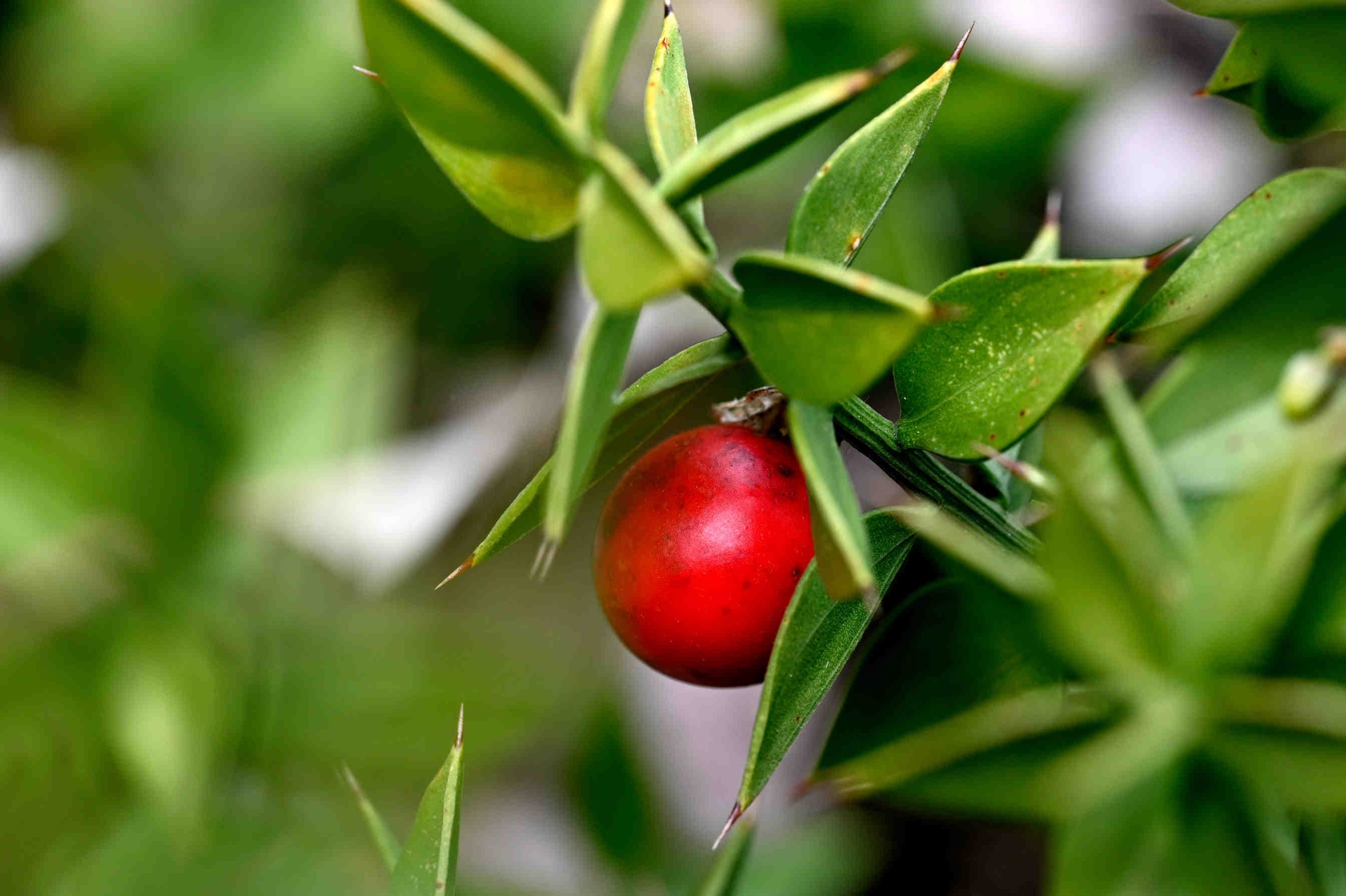
    frutto pungitopo

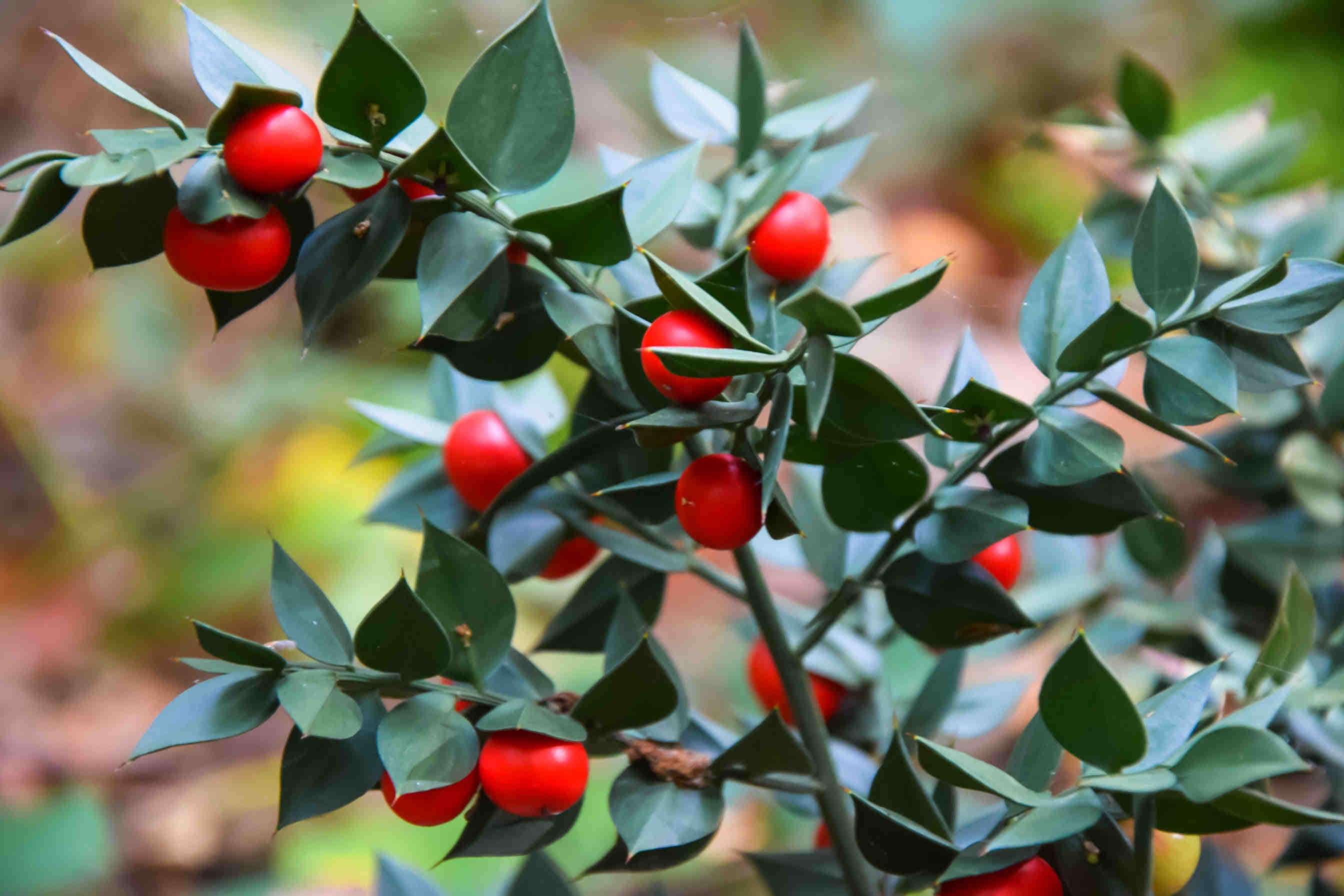
    The fruits of the butcher's broom: red berries

    Among the distinctive elements of the butcher's broom are its red berries, which ripen in the middle of winter. These bright fruits are a valuable food source for various species of birds, which help disperse the seeds, thus favoring the reproduction of the plant. However, the berries are not edible for humans: they contain saponins, toxic substances that can cause gastrointestinal disturbances. An interesting aspect of butcher's broom berries is their slow maturation process, which begins in autumn and culminates in winter, ensuring prolonged availability over time. This mechanism helps the butcher's broom synchronize with the migratory and feeding cycles of local wildlife, demonstrating how plants can adapt in complex ways to the needs of the ecosystems in which they live.
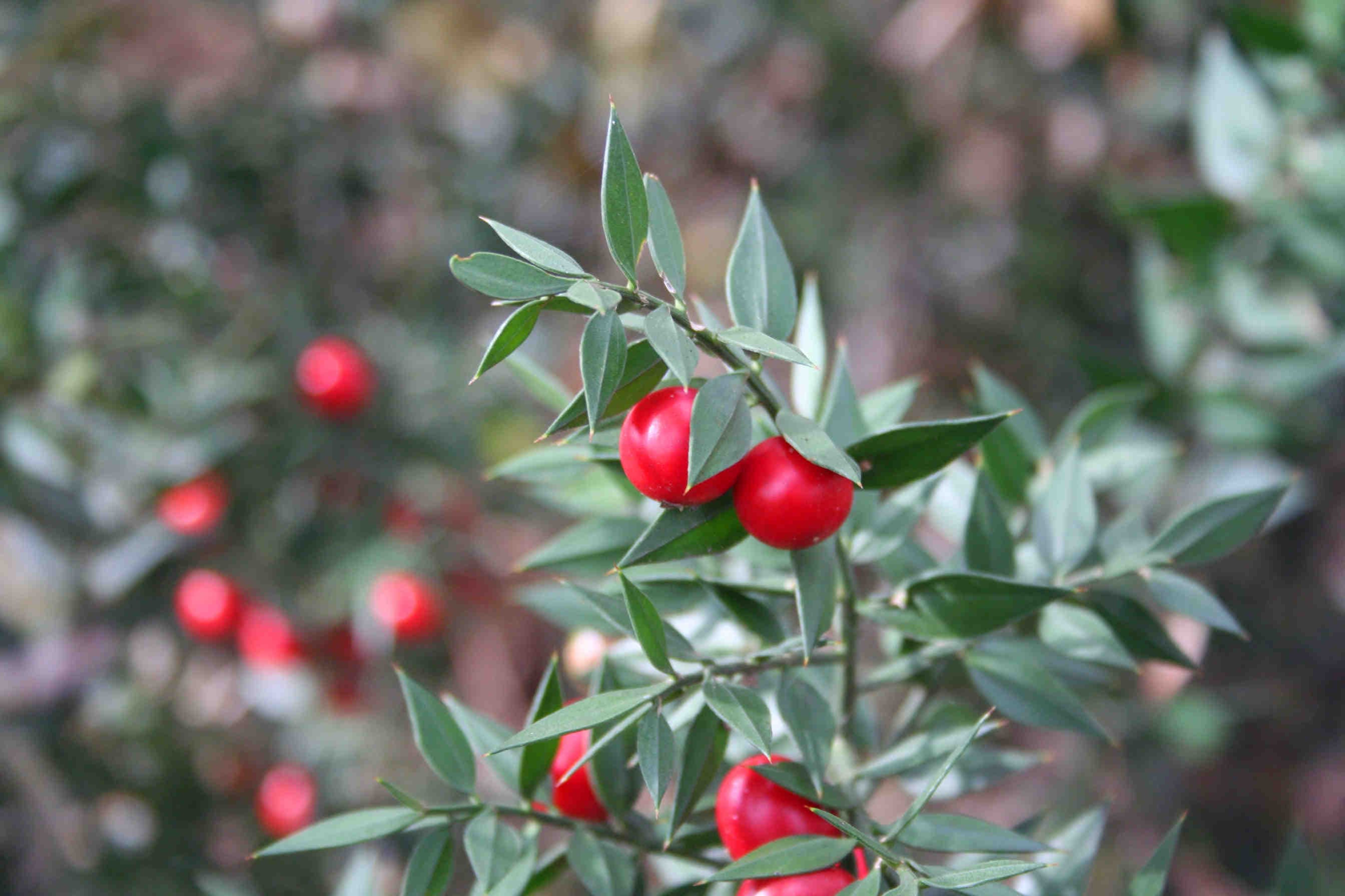
    pungitopo frutti e foglie
    XNatura

    The spread of butcher's broom

    The butcher's broom is a plant typical of Mediterranean regions, but its distribution is not limited to these areas. It is found throughout southern Europe, including countries like Italy, Spain, Greece, and Portugal, but also in some parts of the Middle East and North Africa. It prefers woodland environments, especially in hilly and mountainous areas, where it grows spontaneously in undergrowth, scrublands, and clearings, often on poor and well-drained soils. In Italy, the butcher's broom is particularly widespread in central and southern areas, where it is associated with typical Mediterranean vegetation like holm oak and oak groves. The plant is also present in some protected areas and nature reserves, where it contributes to local biodiversity. Despite its ability to adapt to various types of soil, the butcher's broom is sensitive to environmental changes, especially due to habitat loss and intensive farming practices, which threaten its natural spread.

    diffusione pungitopo

    The fundamental ecological role of the butcher's broom

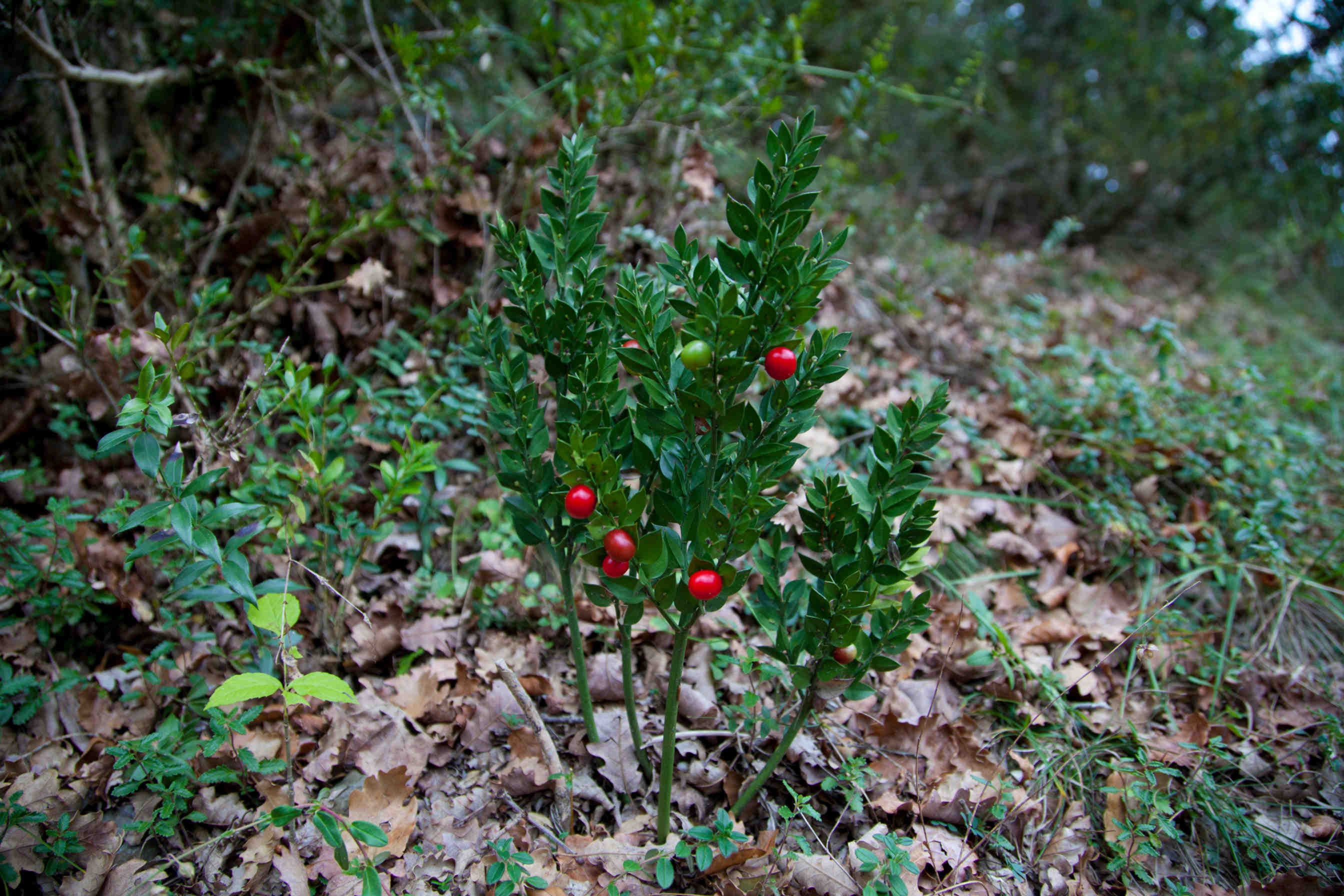
    As we have seen, the butcher's broom plays a fundamental ecological role: its berries provide a valuable food source for birds during the coldest months, while its dense branches offer shelter to insects, amphibians, and small mammals. The butcher's broom is considered a bioindicator: its presence signals a healthy ecosystem, while its disappearance can warn of a struggling habitat. This aspect underlines its importance as a key species for monitoring the health of Mediterranean ecosystems. Its extraordinary ability to adapt to arid conditions and climate change, along with its resistance to human pressures, makes it not only a fundamental ecological resource but also a symbol of natural resilience.

    pungitopo sottobosco
    XNatura

    Butcher's broom: meaning of the name, symbolism, and curiosities

    It is said that the name "butcher's broom" derives from the traditional use of its branches to protect grain and stored food from mice. Thanks to its thorns, farmers placed the branches around granaries to keep rodents away, exploiting the plant's natural capacity to act as a barrier. This practical aspect gave the plant a symbolic meaning of protection and defense. The scientific name, Ruscus aculeatus, also refers to its physical characteristics: "aculeatus" indeed means "spiny." In popular tradition, the butcher's broom is associated with luck and purification. Its branches have always been used to decorate homes during Christmas holidays, and this shrub is also the protagonist of a series of local legends that attribute it with the “power” to ward off evil spirits.

    app biodiversa 3bee
    3Bee

    Biodiversa: the 3Bee app game for monitoring biodiversity

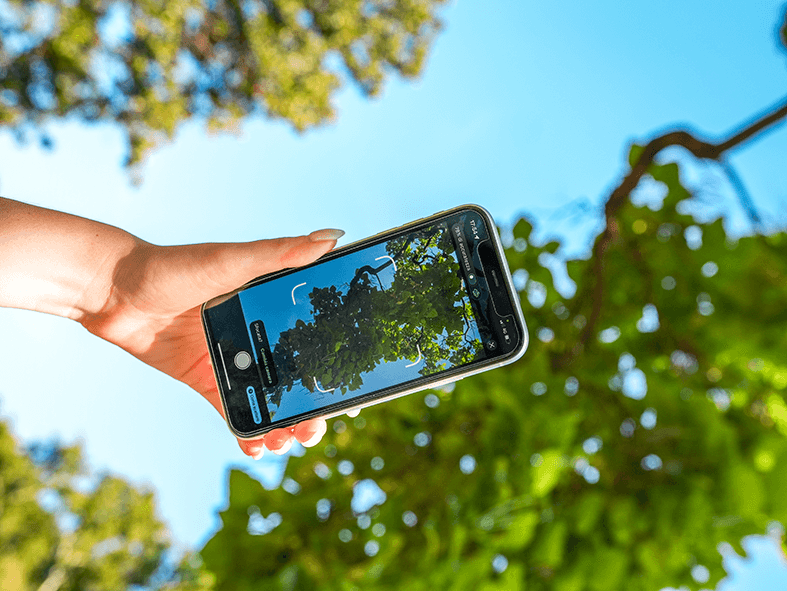
    Biodiversa is the free app game for monitoring biodiversity and protecting ecosystems that allows you to easily “collect” and identify plants and flowers you encounter during an outdoor walk. An ambitious citizen science project aimed at creating a cooperative archive dedicated to flora (and in a second phase, fauna) in Europe, involving user players with species cataloging challenges, some of which are rare or endangered. Available for iOS and Android, Biodiversa has a dynamic similar to some well-known free-to-play video games that encourage moving and traveling in the real world to “collect” characters. The app developed by 3Bee indeed offers a playful experience where plants are all to be “collected” and identified to gather experience points, level up, and climb the leaderboard.

    24/12/2024Of 3Bee, Lisa Santillo
    1267 Views
    Newsletter
    newsletter
    Subscribe to the Blog about bees and biodiversity

    Frequently Asked Questions

    Do you have any doubts or other curiosities about this article? Here you will find some insights