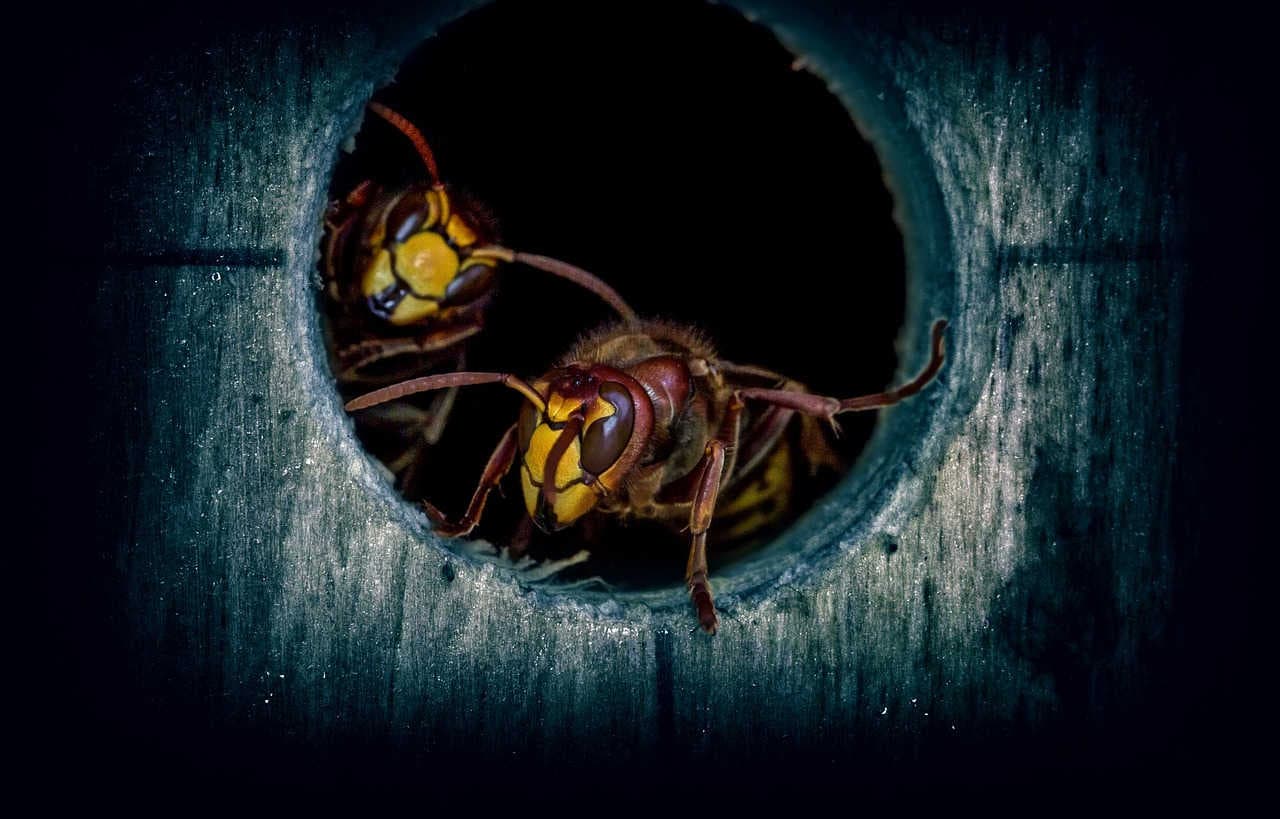
What You Need to Know About Wasps and Hornets in Italy
    calabronispeciebiological cycledieta

    What You Need to Know About Wasps and Hornets in Italy

    Bumblebees and wasps are often feared, but essential for ecological balance. Here is their biology, their role in Italian ecosystems and some interesting facts. Knowing them better can help us manage their presence in a conscious manner and protect biodiversity.

    Read the article
    04/10/2024Of 3Bee, Anna Beretta
    5425 Views
    04/10/2024Of 3Bee, Anna Beretta
    5425 Views

    Bumblebees: city dwellers

    Disclaimer: this is an automated translation from Italian. Go to the original article.

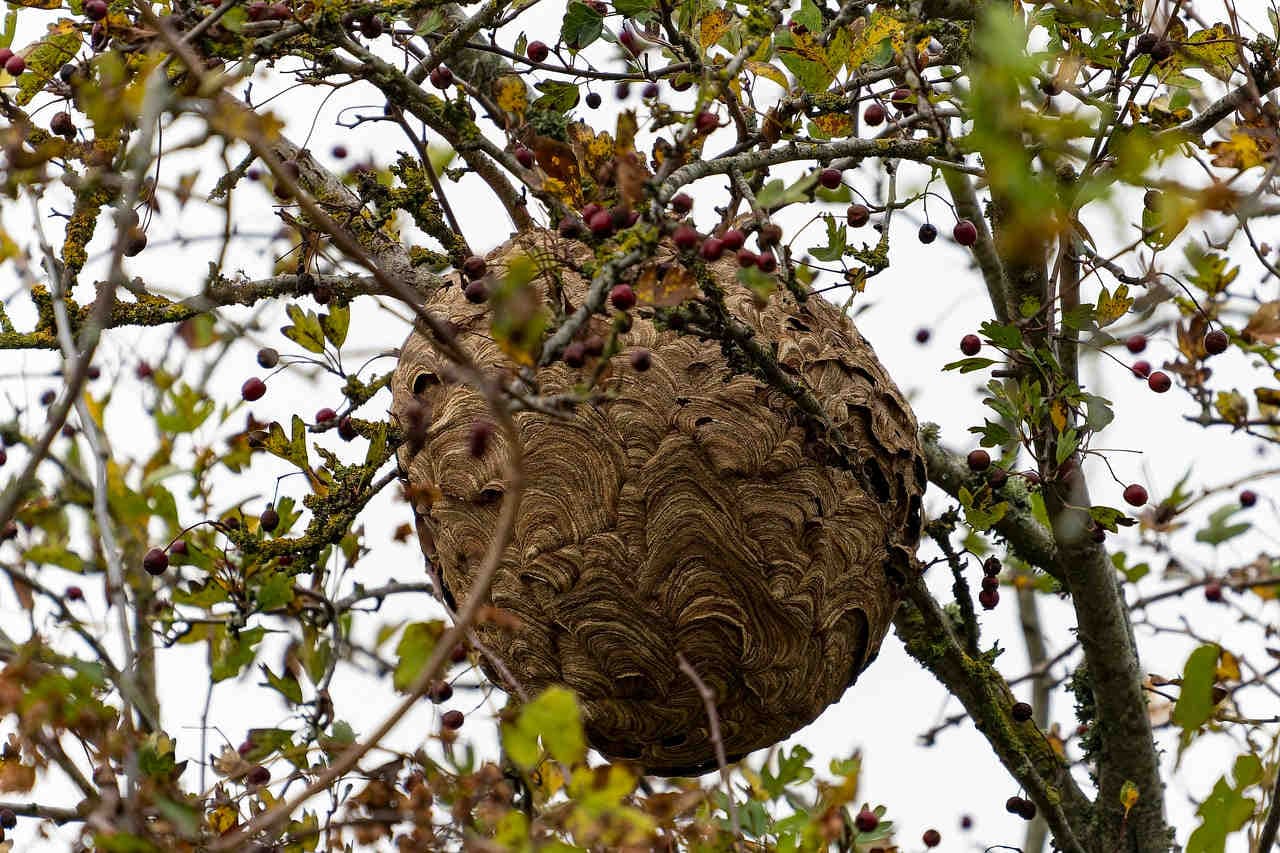
    Rome. August. It is a warm, peaceful summer afternoon when an intense, persistent buzzing noise disturbs the silence. It is a bumblebee: alarm! Similar scenes are commonplace in several Italian cities during the late summer period when bumblebee populations reach their peak and it is common to come across them. Certainly they are not the most amiable neighbours, being stinging insects that actively defend their nest when potential intruders approach it, but they also play important roles at the ecosystem level. Hornets are insects of the order imenoptera belonging to the genus Wasp and are social animals, like honeybees and ants. They live in annual colonies and, depending on the species, build nests in natural or artificial cavities, on trees or light poles, in gardens or buildings. Thus, cities, with their numerous niches, are an ideal place of residence for such organisms
    nido di calabrone europeo

    Types of Hornets in Italy

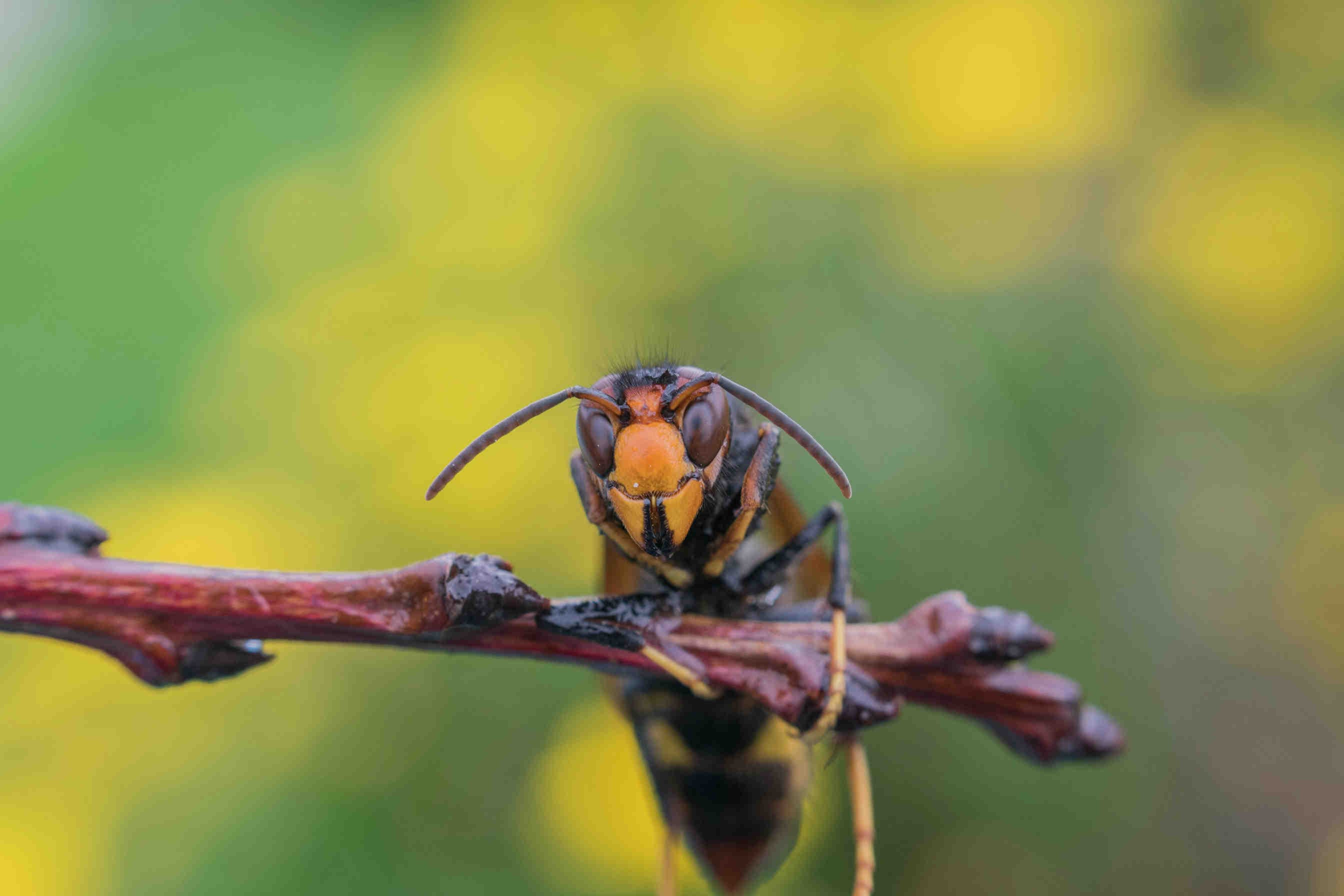
    Three species of hornets currently live in Italy: the European hornet, Vespa crabro, is the native species of our geographical area, excluding the Sardinia where it is counted as an alien species. The Oriental hornet, Vespa orientalis, endemic to southern Italy and the Mediterranean area, is a neonative species because in recent years it has been expanding its areal northwards, colonising areas where it was previously not present. Finally, the latest arrival: the Asian yellow-legged hornet, Vespa velutina; this is an invasive alien species from south-east Asia. Accidentally introduced in France in 2004, it has been present in Italy since 2012 and represents a scourge for beekeeping, being a voracious predator of honeybees. Although the three species present common characteristics, in their life cycle as well as in their diet, they differ in morphology and behavioural traits that determine their different impact on the ecosystem and on human activities.
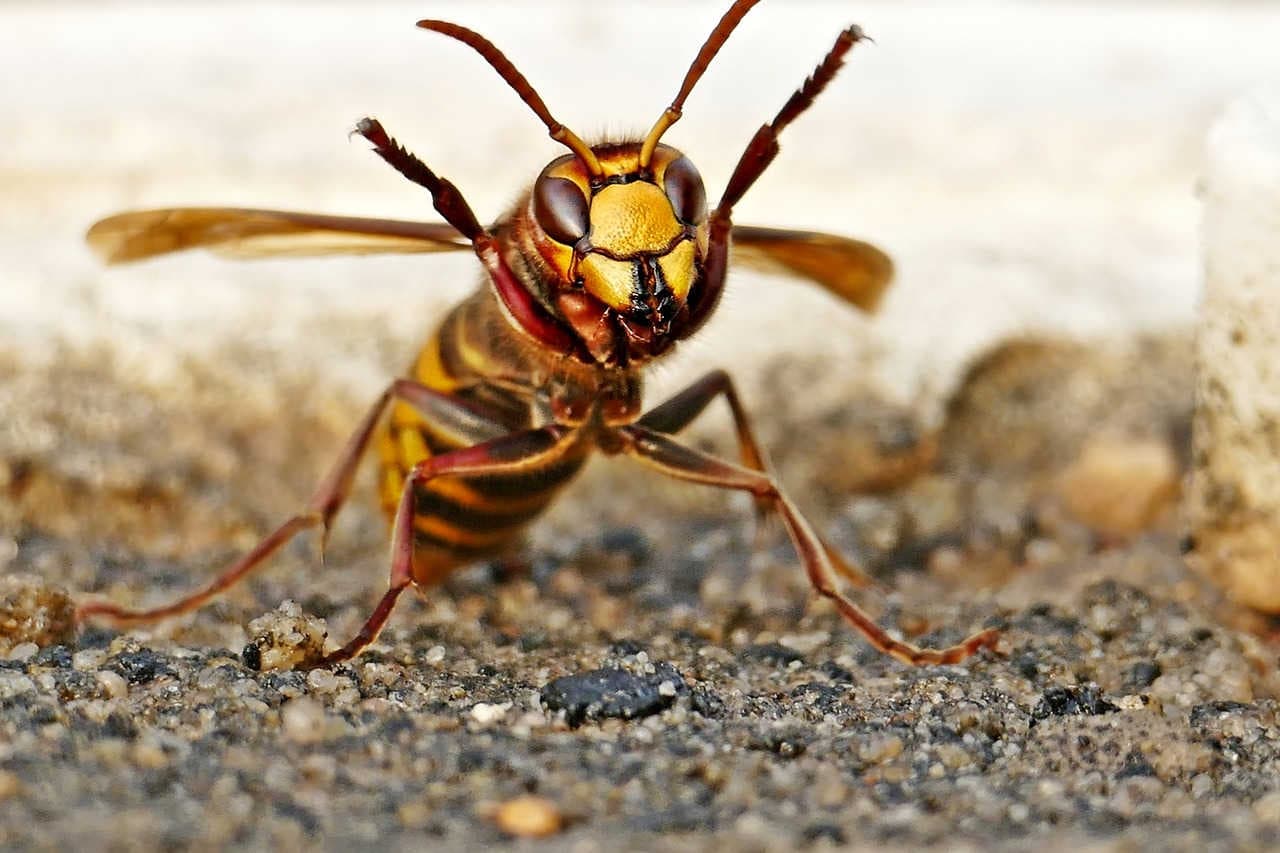
    calabrone europeo
    XNatura

    The Biological Cycle of Hornets

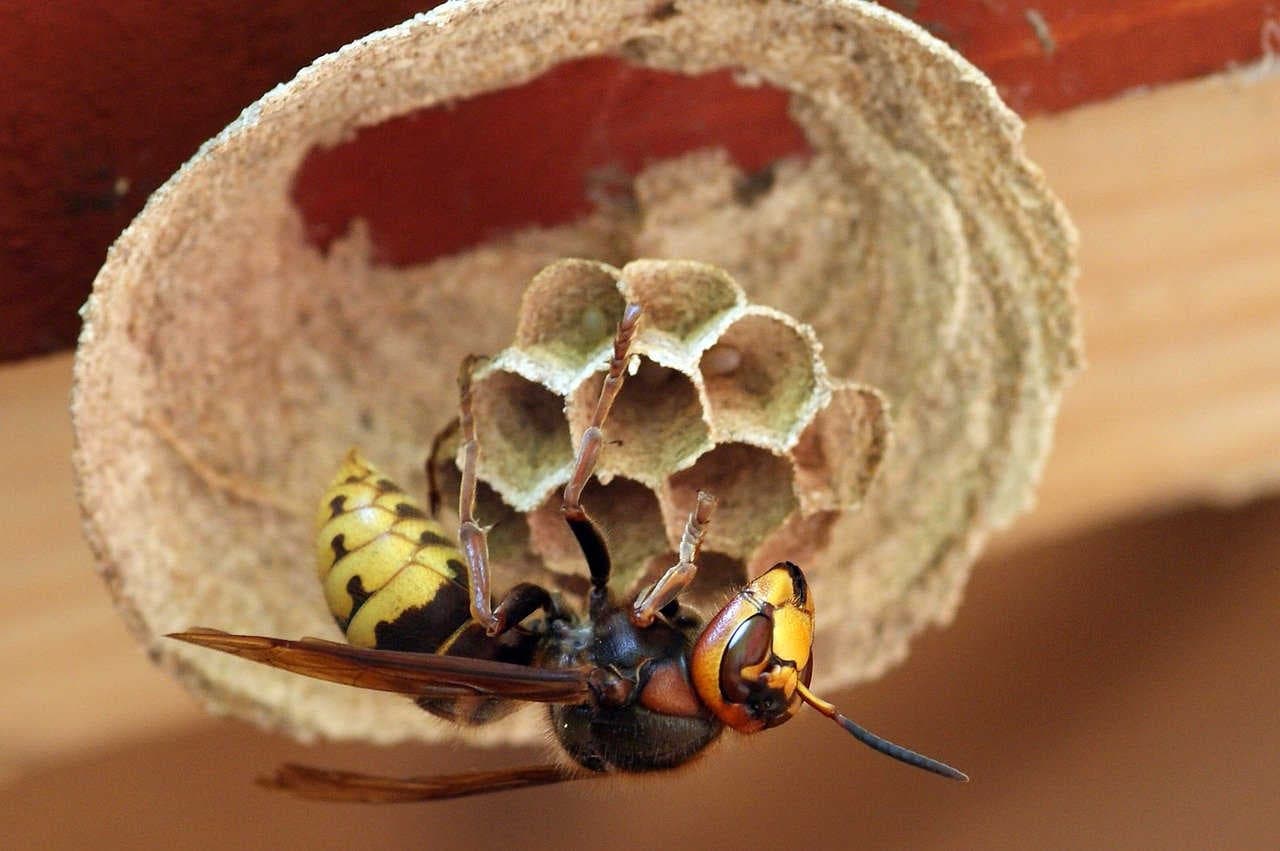
    The colonies of all bumblebees are formed by individuals divided into 2 castes: workers and reproducers. The former is the most numerous and comprises only sterile females; while the latter, males and females, appear in large numbers only during the breeding season. For most of the colonial cycle there is only one fertile queen in the nest, mother and founder of the colony. In autumn, the newly fertilised young queen goes into hibernation and only emerges with the arrival of the first spring warmth when it is time to found a new nest. With wood pulp and water, the foundress makes a paper casing the size of a ping-pong ball that protects the cells where she lays her eggs. The first eggs flicker and the nest grows to a considerable size: almost a metre in diameter, depending on the species. At the end of summer, the new broods are reared and from their mating a new cycle begins.

    nido vespa velutina

    What Hornets Eat

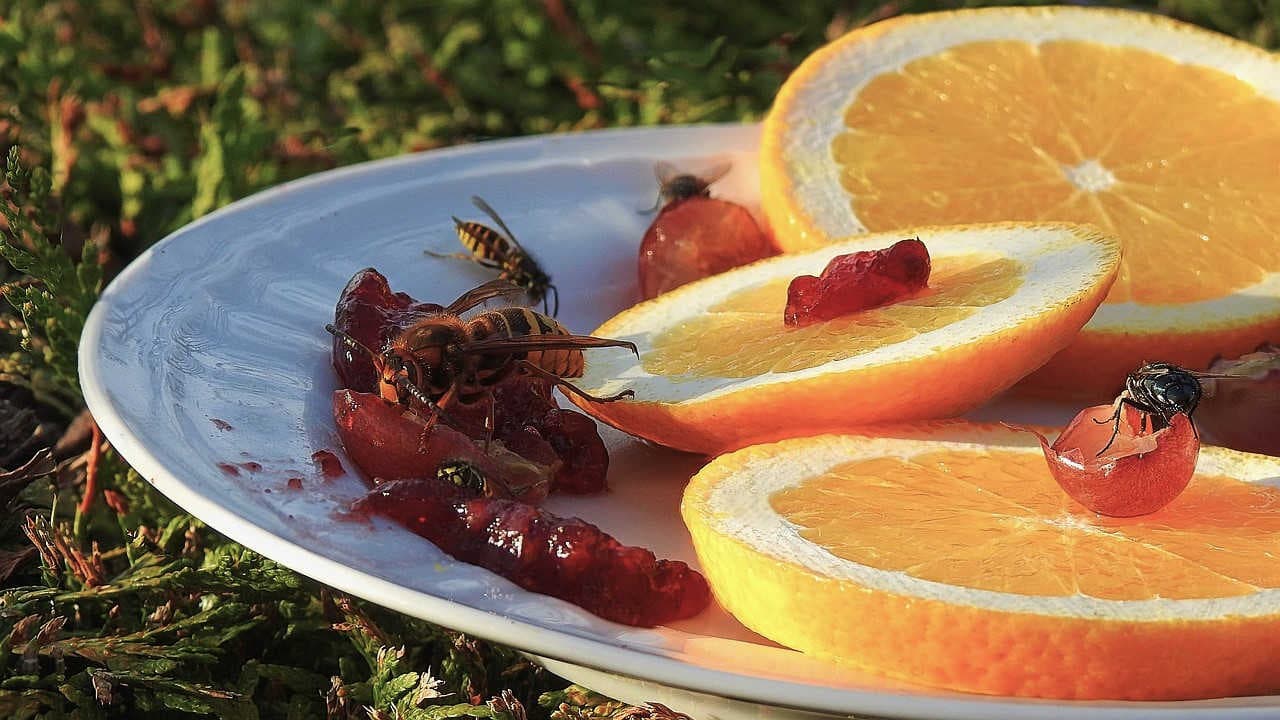
    A balanced diet is as important for humans as for bumblebees. All hymenoptera, such as bees, ants and wasps, have a diet of proteins during the larval developmental stages, while as adults they feed on sugar to satisfy their energy needs. While for bees, the larval protein diet is based on pollen, for the bees, including bees, the larval protein supply is met by animal proteins. Such insects are in fact predators of other invertebrates while not disdaining, at times, the ham of sandwiches left unattended. Bumblebees are generalist predators and play a key role in the ecosystem: they help to keep populations of other insects under control, including those damaging. On the other hand, however, useful insects are also potential prey.
    cibo di vespe e calabroni
    XNatura

    Why Hornets attack Bees

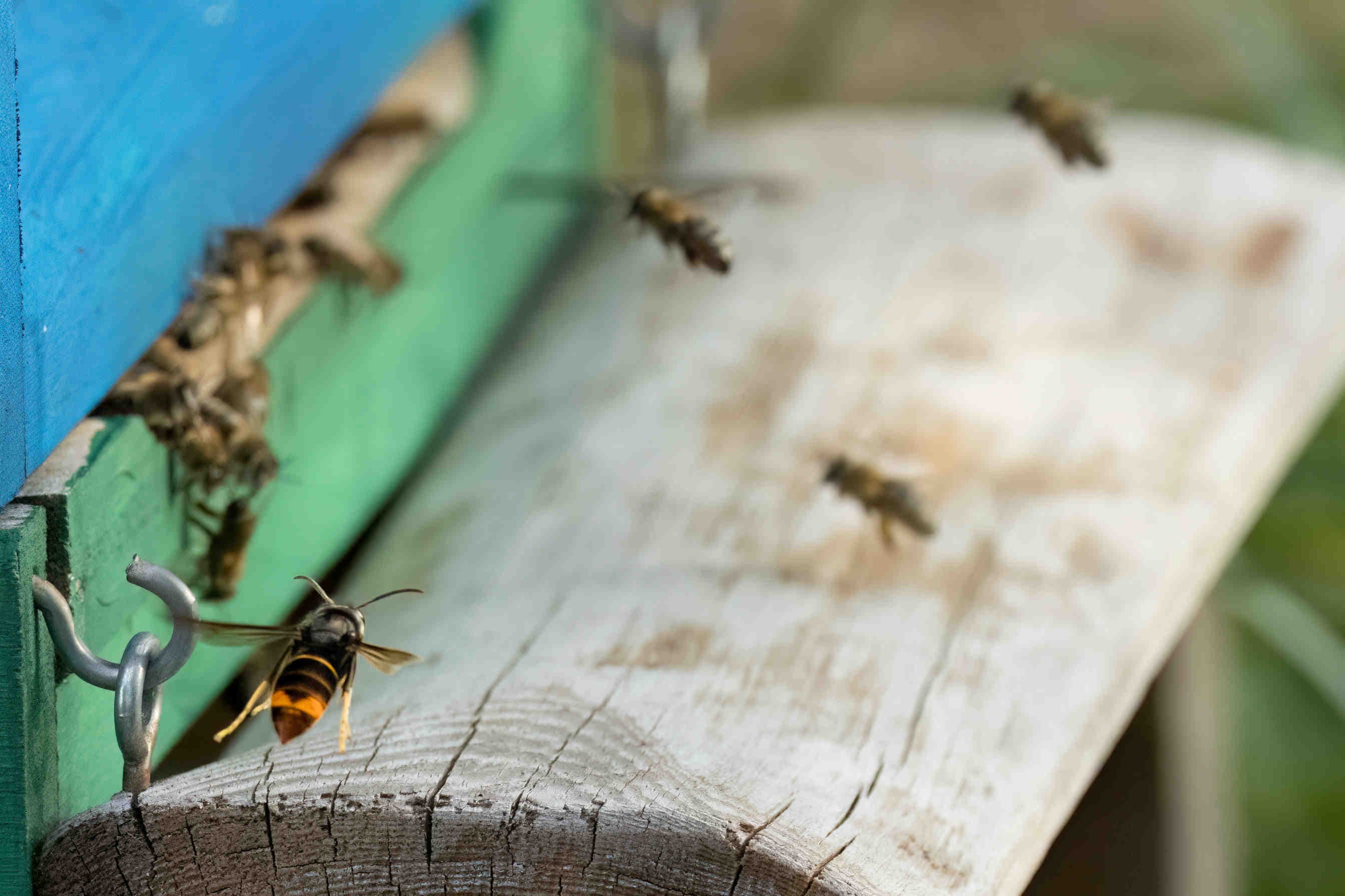
    Bumblebees love to feed on the honeybees because the hives, populated by tens of thousands of individuals, represent protein-rich supermarkets from which they can easily draw. However, predatory efficacy varies between species. If V. crabro and V. orientalis are considered mild predators, the same cannot be said of V. velutina, which exerts an intense predatory pressure on Apis mellifera. V. velutina, in its new distribution area has found in the European bee an easy prey as having no shared evolutionary history the bee is unable to defend itself. The yellow-legged bumblebee hunts in hovering flight in front of the beehives, catching worker bees returning from foraging flights, and the bees, unable to escape him, soon stop coming out of the hive, bringing the colony to a stop of activity.
    calabrone zampe gialle in caccia
    3Bee

    The Yellow-Legged bumblebee in Its Natural Environment

    In Asia, on the other hand, native bees of the species Apis cerana effectively defend themselves against attacks by V. velutina by exhibiting intimidating behaviour collectively the result of millennia of coevolution between prey and predator. When the bumblebee is on the prowl keeping flying hovering in front of the hive, dozens of bees on the hive's step shake their wings and abdomen in a coordinated manner, emitting a loud buzz and driving the predator away. When the predator, despite the warning, tries to approach, it is covered by a ball of bees that vibrate their wing muscles, generating enough heat to cook the bumblebee. This behaviour is called heat-balling and although it has also been observed in A.mellifera, it is not as effective in the European species as in their Asian cousins.
    vespa velutina

    How to Counter Vespa velutina

    V. velutina, like all invasive exotic species must be contained because it poses a threat to biodiversity, as well as to beekeeping and health. Management practices for these species are regulated at European level and involve monitoring the presence of the species, containment and, when possible, eradication. In our country, a national monitoring network is active, represented by StopVelutina, which works in synergy with projects at regional level, as in the case of Piedmont, Liguria and Tuscany, areas of current distribution of the species. Monitoring is fundamental for the containment of the species, which is carried out through the detection and neutralisation of nests. Unfortunately, the eradication of social vespids is very difficult and, in the case of the Asian yellow-legged bumblebee, has only been successful in Maiorca, where the species was confined.

    monitoraggio

    Thanks to Wasps and Hornets We Have Wine

    Among the benefits associated with the presence of bumblebees is a particularly unexpected one: the production of wine. Indeed, bumblebees and wasps, by feeding on the ripe grapes, contribute to the transfer of Saccharomyces cerevisiae, the yeast responsible for fermenting the must, onto the skins. The gut of bumblebees acts as a natural reservoir for yeast cells that are ingested by overwintering queens, stored from autumn to spring and passed on to their offspring. A study from 2016 even showed how S. cerveisiae is able to reproduce sexually within the gut of social hornworms thus increasing its genetic variability and, with it, adaptation to ever-changing fermentation environments acting as a valuable ally for wineries.

    vigna

    Conclusion

    Bumblebees and wasps, often perceived as threats, play a crucial role in Italian ecosystems. In the complexity of ecosystems, all components play a role and, although they may be barely noticeable to the human eye or even annoying, each of them contributes to maintaining the delicate natural balance. Knowing more about these species, from their ecology to their behaviour, allows us to manage their presence more consciously and to appreciate their ecological value beyond the fear they arouse in us.


    equilibrio ecosistemico
    04/10/2024Of 3Bee, Anna Beretta
    5425 Views
    Newsletter
    newsletter
    Subscribe to the Blog about bees and biodiversity

    Frequently Asked Questions

    Do you have any doubts or other curiosities about this article? Here you will find some insights