Fires in Brazil: the world's largest wetland burns
    BrazilBrazilBiodiversityGiaguari

    Fires in Brazil: the world's largest wetland burns

    The Pantanal, the world's largest tropical wetland, is in flames. The fires, aggravated by drought, seriously threaten biodiversity, causing devastating impacts on flora and fauna. The authorities have declared a state of emergency to deal with the crisis.

    Read the article
    13/06/2024Of 3Bee, Lisa Santillo
    311 Views
    13/06/2024Of 3Bee, Lisa Santillo
    311 Views

    Pantanal: fires out of control

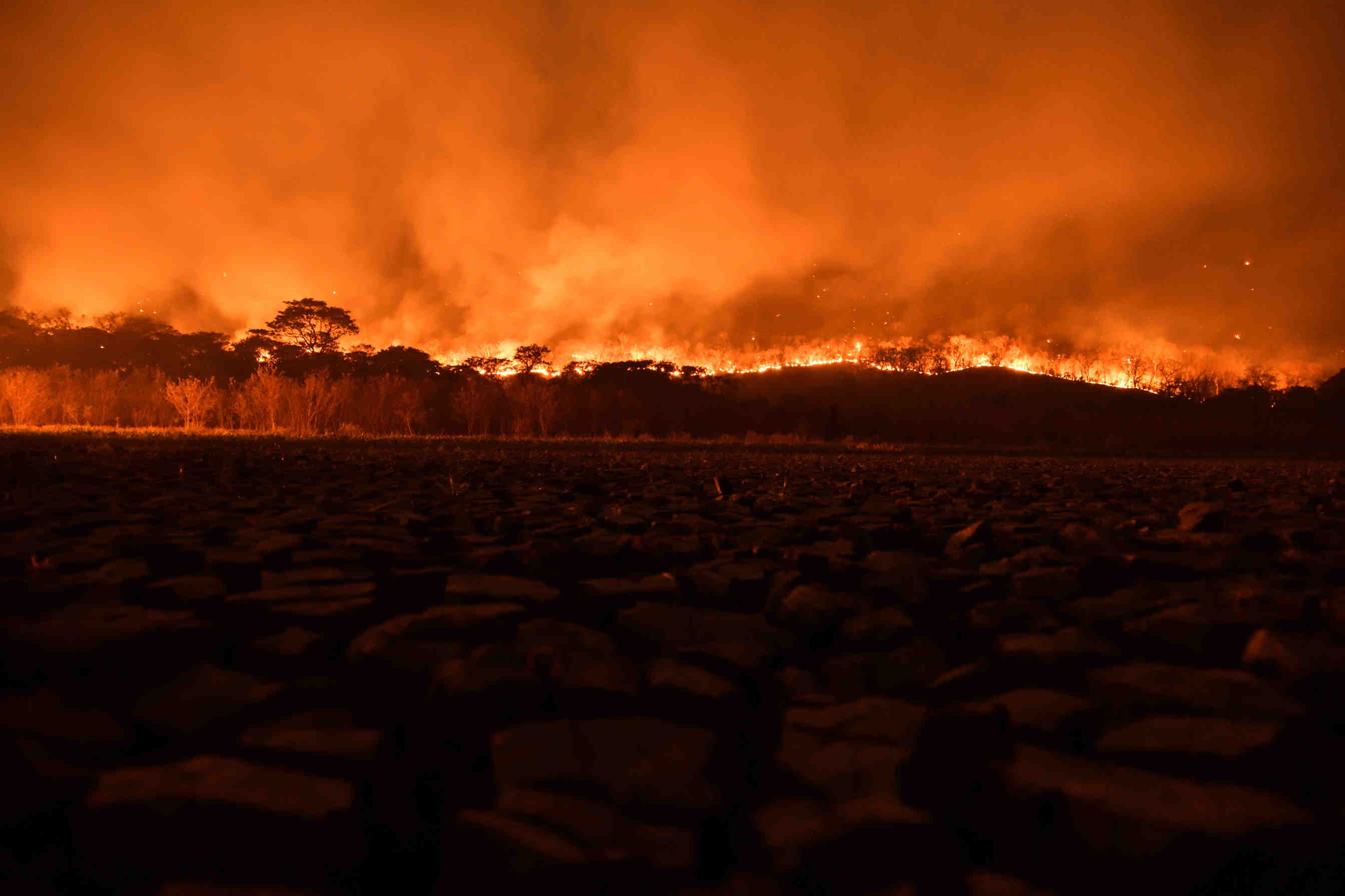
    The Pantanal, the world's largest tropical wetland located in west-central Brazil, is suffering severe devastation due to the fires advancing dangerously towards Bolivia. The situation is aggravated by the scarcity of rainfall and the absence of the usual seasonal floods, making the region extremely vulnerable. The floods, which began in June, have increased by 980% in the first months of this year compared to the same period last year (2023): the levels reached are extremely high, in fact it has not been since 2020 that a phenomenon of this magnitude has occurred. In that year, around 30% of the Pantanal was devastated by flames. Since the beginning of the year and up to 5 June, satellite data from the Brazilian National Institute for Space Research (INPE) detected 978 outbreaks, compared to 91 the previous year. This is the second highest figure in the last 15 years.
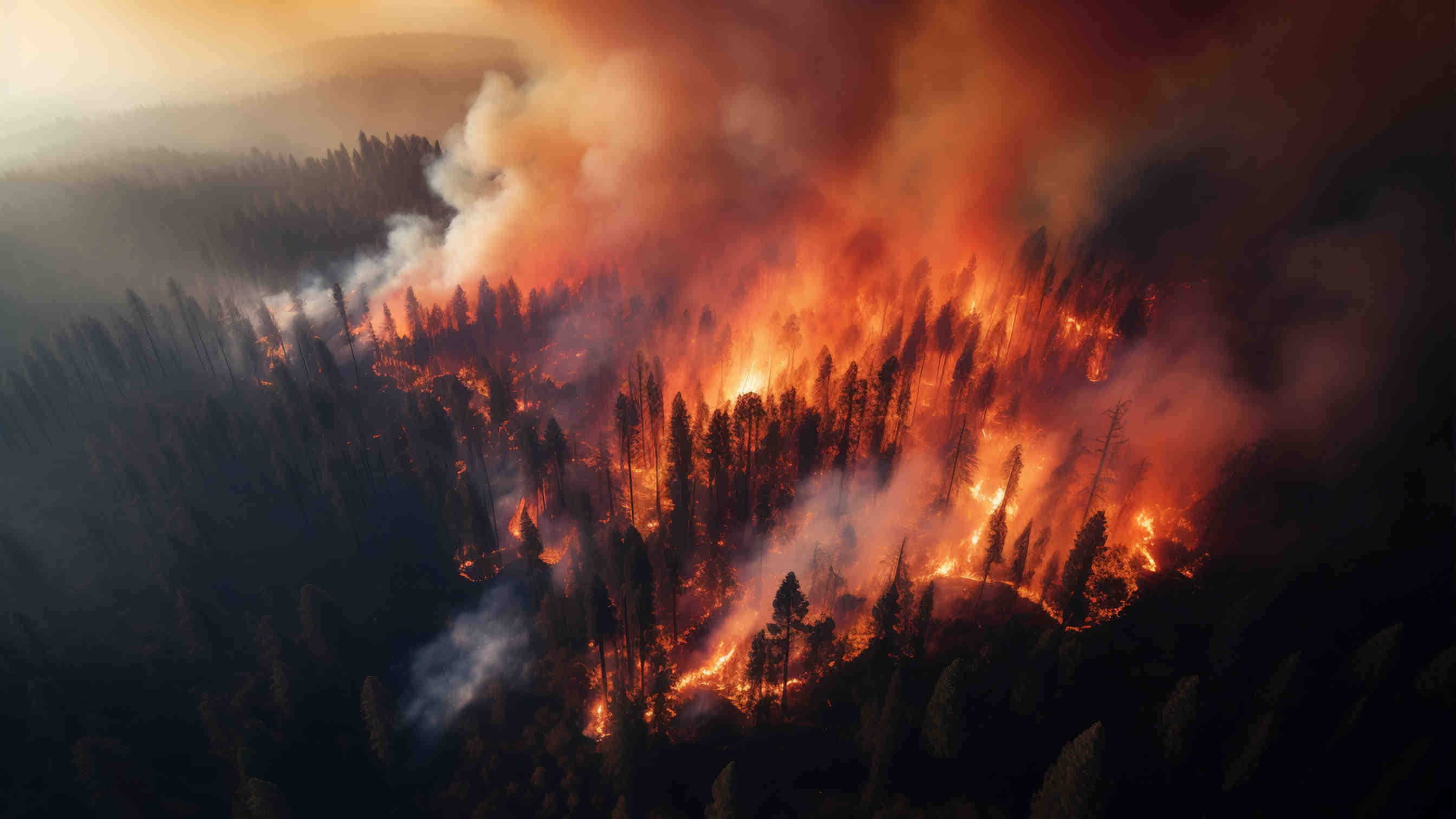
    Incendio Pantanal

    Fires in Brazil: data and causes

    As reported by the National Institute for Space Research (INPE), Brazil had already recorded 17,182 forest fires from January to April 2024, the highest number since 2003, when there were 16,988. Experts from Brazil's environment ministry attributed the increase in forest fires to climate change and the El Niño, which has caused long periods of drought and heat waves, especially in Amazonia. In particular, the Amazon rainforest suffered 8,977 fires, the highest number for this period since 2016, with above-average temperatures and extremely dry weather.
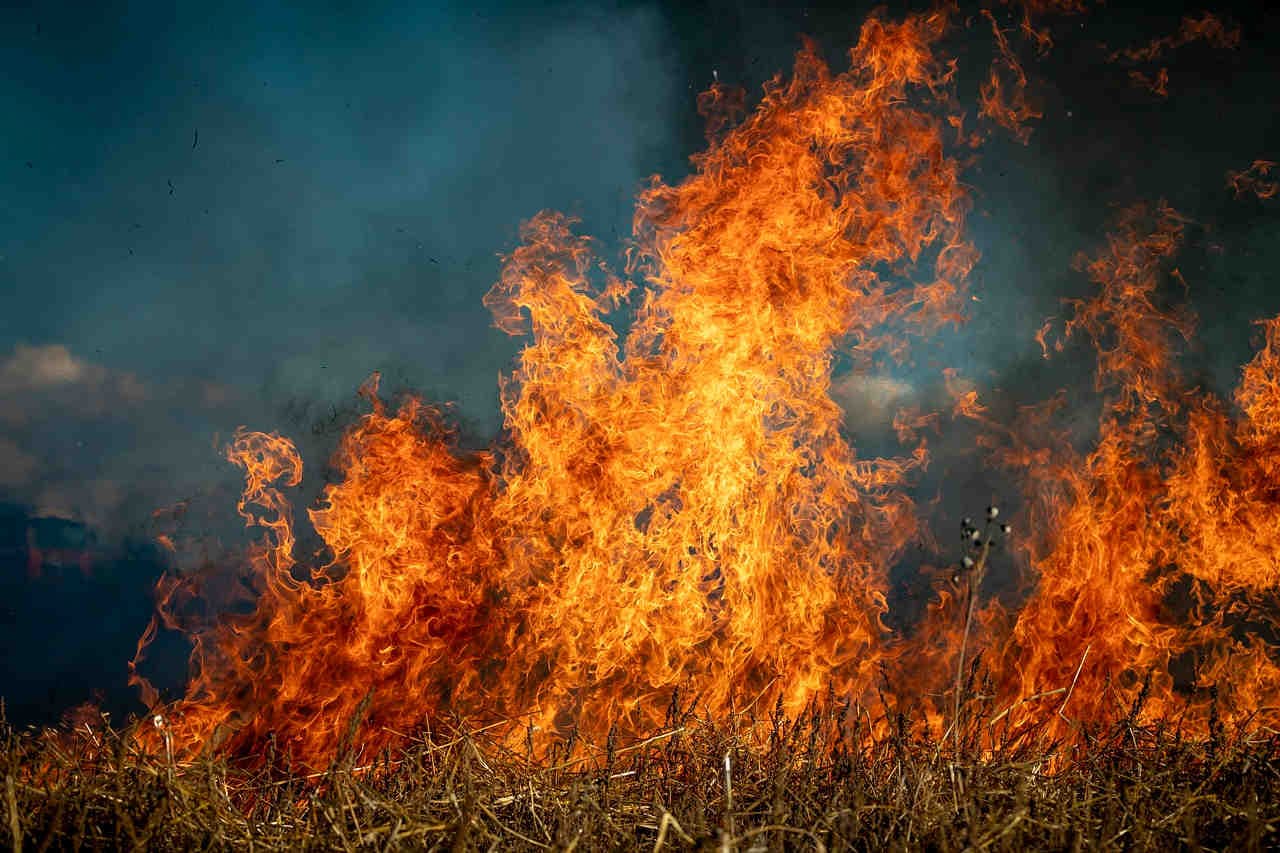
    Incendi Brasile
    XNatura

    Pantanal, a reserve of biodiversity

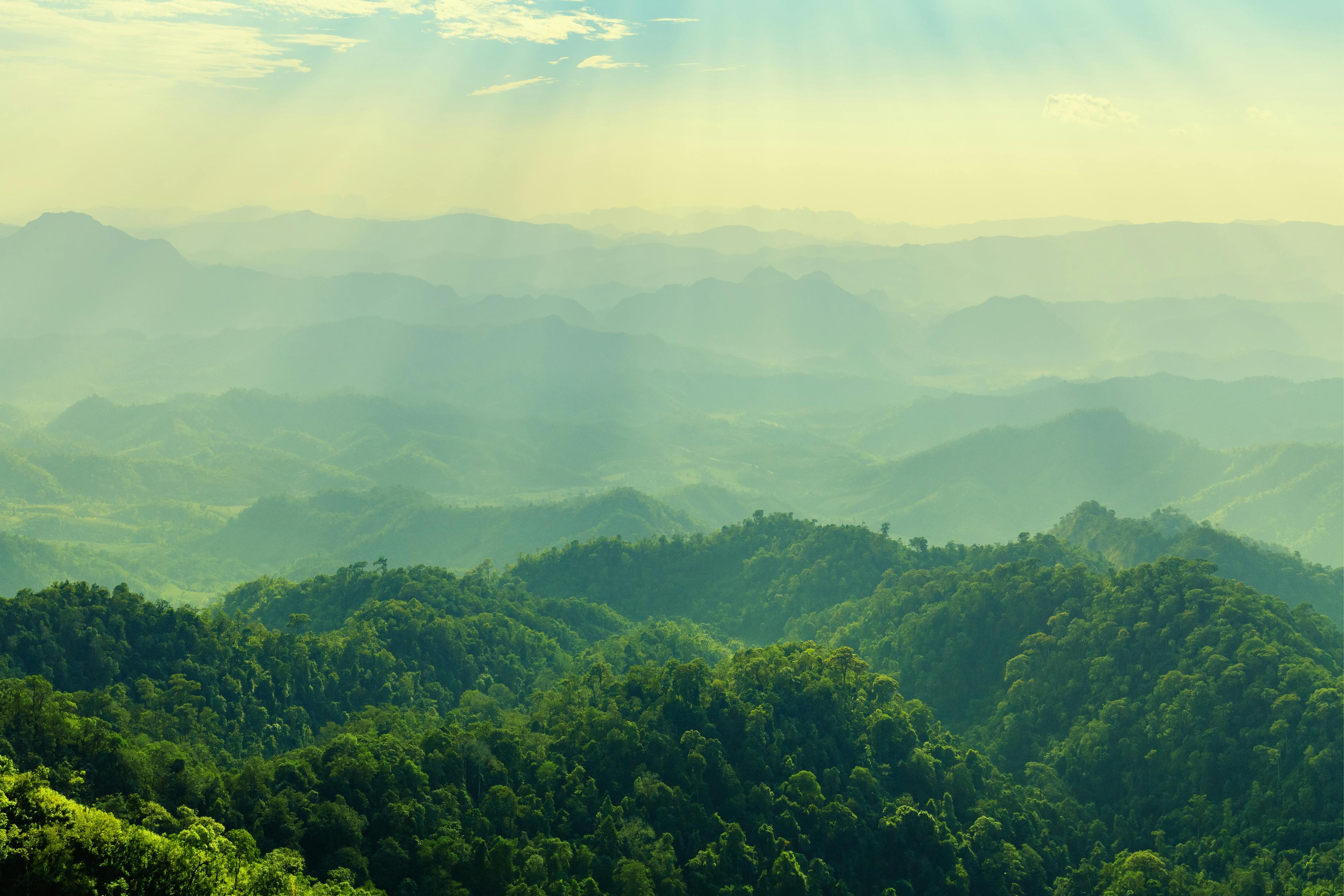
    The biodiversity of the Pantanal, which has been a UNESCO heritage site since 2000, is rich and diverse and includes around 650 bird species, 230 fish species, 50 reptile species and 80 mammal species. In addition, there are more than 2,000 identified flower species in the area. The Pantanal is a true biodiversity reserve, whose ecological importance is also recognised by the Brazilian Constitution, which, with Federal Law 5.197 (Art. 1), gave high priority to the protection of the area and its management. This law considers wild species as 'animals of any species, at any stage of development, that live naturally outside of captivity' and therefore prohibits the hunting and capture of them.
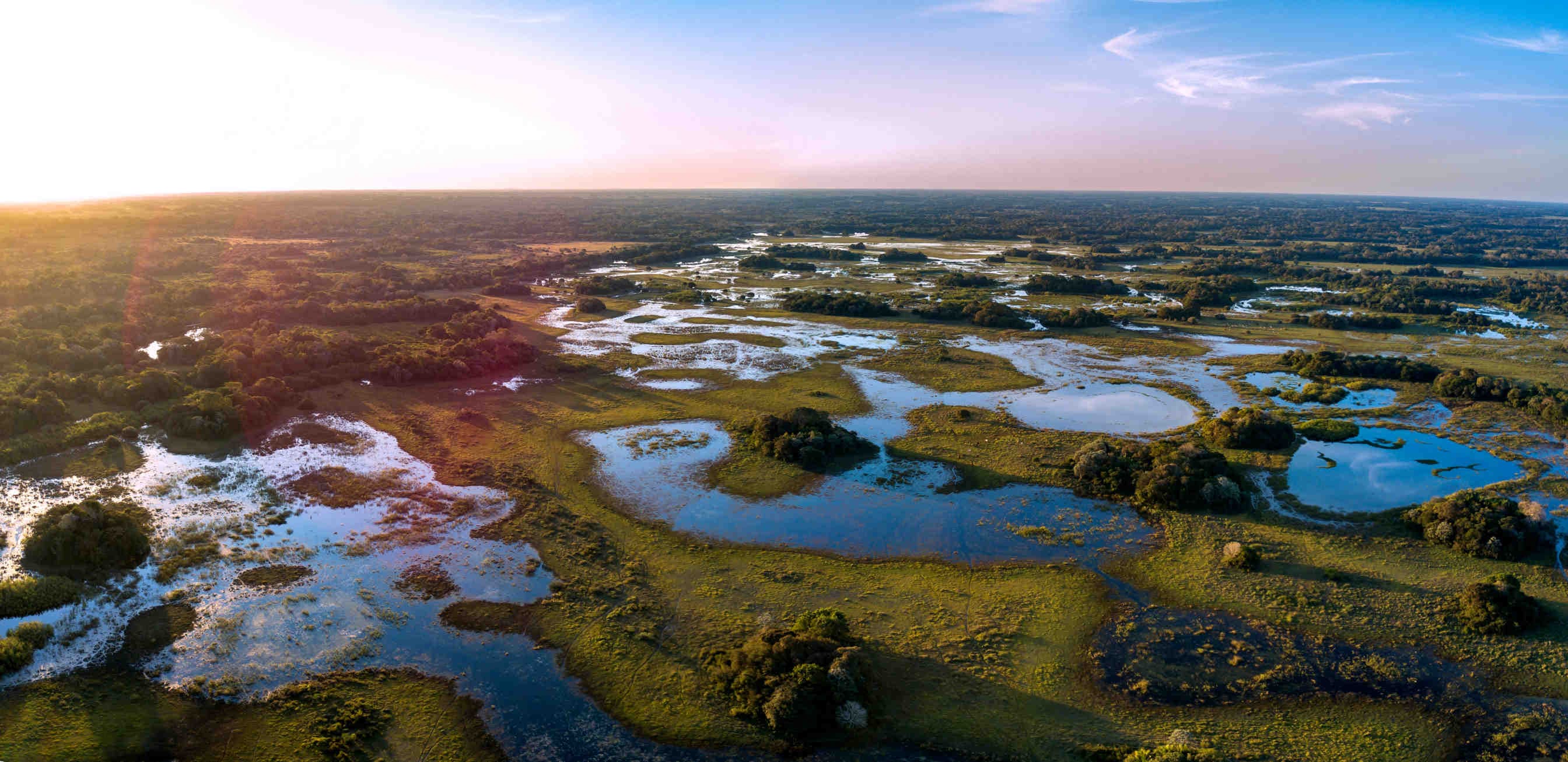
    Pantanal biodiversità

    The impact of fires on jaguars in Pantanal

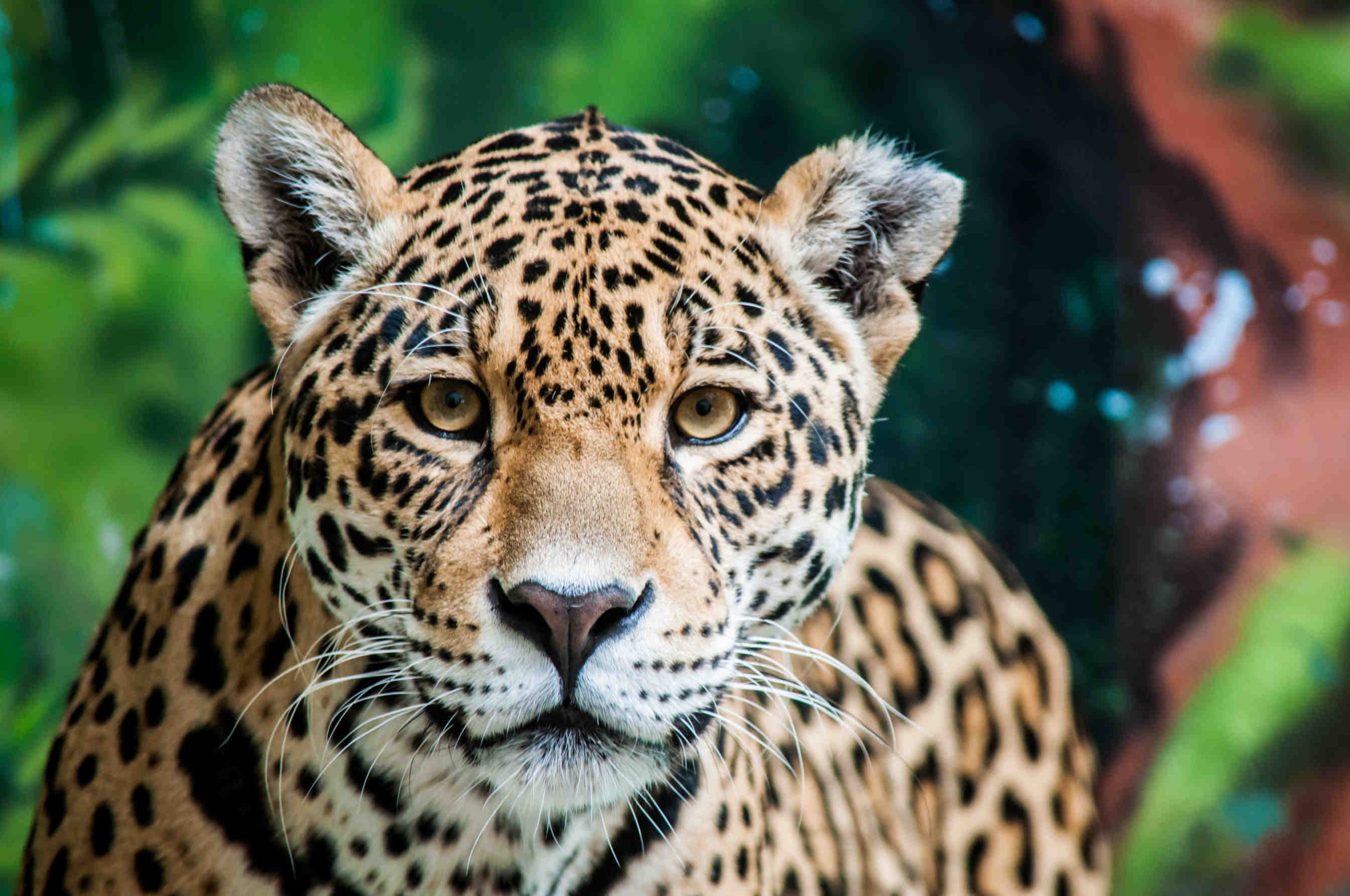
    The Pantanal is home to the second largest population of jaguars in the world. In addition to climate change and land-use patterns, fires also pose a threat to the jaguars' survival. Studies have shown that fires, in recent years, have devastated the main habitats in which these superpredators live, with a number of impacts affecting the species' abundance. Not only that, these impacts could also affect other species, affecting the ecological stability of the area. According to the study published in Nature, one solution to prevent the recurrence of mega-fires is to combat the anthropic causes that intensify drought conditions, through actions such as increasing the number and size of protected areas and regulating the use of fire.

    Giaguaro
    XNatura

    Pantanal in flames: state of emergency and government action

    The increase in fires in the Pantanal is alarming, so much so that the authorities of the State of Mato Grosso do Sul declared a state of environmental emergency back in April, pointing out that low rainfall levels were creating optimal conditions for the fires to develop. Vinicius Silgueiro, Co-ordinator of the local NGO Instituto Centro da Vida, told Reuters news agency that 'the most worrying thing is that even in the rainy season there has been an increase in fires'. Silgueiro also said that the situation could get even worse in August and September, at the height of the dry season, seriously threatening the wildlife and the ecosystem as a whole. In this context, the Brazilian government signed a pact with the governors of the Pantanal and Amazon regions, with the aim of fighting fires and protecting the environment.

    3Bee
    13/06/2024Of 3Bee, Lisa Santillo
    311 Views
    Newsletter
    newsletter
    Subscribe to the Blog about bees and biodiversity

    Frequently Asked Questions

    Do you have any doubts or other curiosities about this article? Here you will find some insights