Beekeeper 3Bee: regenerate nature
    IntroductionRegenerationPlantsPollinators

    Beekeeper 3Bee: regenerate nature

    3Bee wants to revolutionise the world of beekeeping. Beekeepers have access to the largest biodiversity monitoring, regeneration and communication project. Our goal is to create biodiversity farmers.

    Read the article
    12/04/2023Of 3Bee, Elena Fraccaro
    351 Views
    12/04/2023Of 3Bee, Elena Fraccaro
    351 Views

    Introduction: the mission of 3Bee

    3Bee's mission has always had as its central focus the protection of pollinators and the regeneration of biodiversity thanks to a large network of players on the ground (growers). The 3Bee technology aims to offer beekeepers an innovative system for monitoring the hive and the surrounding biodiversity. At its core, 3Bee builds partnerships between beekeepers and the environment to promote sustainable hive management and improve the health of bees. In this article, we will explore the main functionalities of Hive-Tech 3Bee technology and the value it can offer to beekeepers engaged in protecting not only honey bees but all biodiversity.
    Introduction: the mission of 3Bee

    Beekeepers for Biodiversity

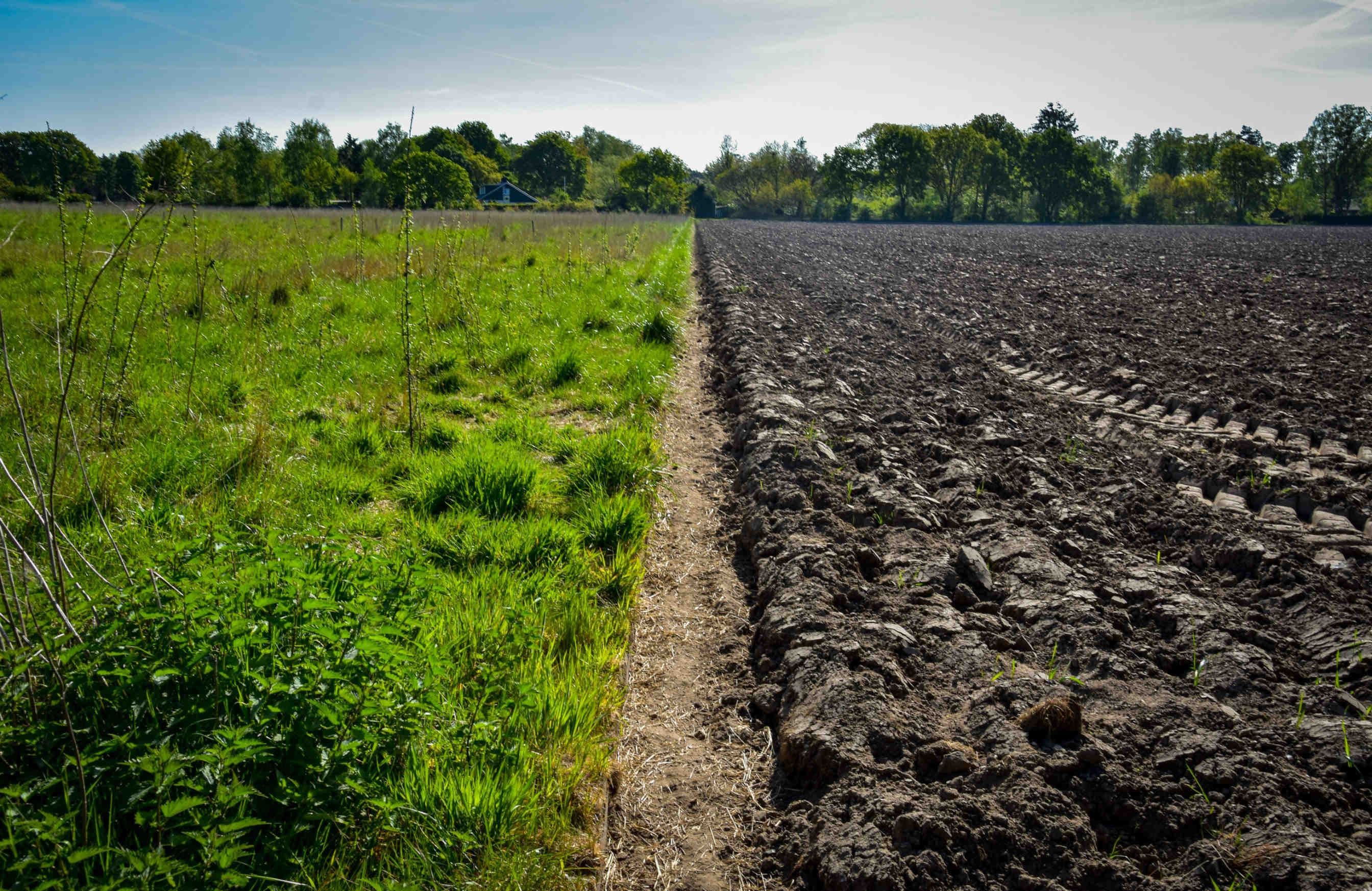
    Beekeepers play a key role in the regeneration of the natural environment due to their close connection with bees. Through the careful study of bees and the creation of monitoring networks, beekeepers provide valuable information on bee health and ecosystem trends. This information is used to adopt land regeneration measures, such as planting that promote biodiversity and the regeneration of degraded agricultural areas. Land regeneration through the activities of beekeepers is not only limited to the environmental aspect, but also has a positive socio-economic impact on local communities. The promotion of sustainable agricultural practices can improve soil and water quality, contributing to a healthier environment for people and animals.

    Beekeepers for Biodiversity
    XNatura

    Beekeepers and nectar plants: the synergy

    Nectariferous plants are critical to the survival of the global ecosystem and to our own survival. Restoring the ecosystem by planting trees, promoting sustainable agricultural practices and conserving natural habitats can help mitigate the damage caused by human activities and create a healthier environment for all. Restoring the ecosystem is key to protecting the environment and creating job opportunities and economic growth. In addition, choosing the right nectariferous plants can help preserve both bees but especially pollinating insects, which are crucial to our food chain. For the study of ecosystems, 3Bee has initiated international collaborations with research institutions such as ESA for flora monitoring, so beekeepers can adopt advanced technological solutions for the monitoring of fauna and flora.

    mappe monitoraggio satellite 3bee esa

    The importance of all pollinators

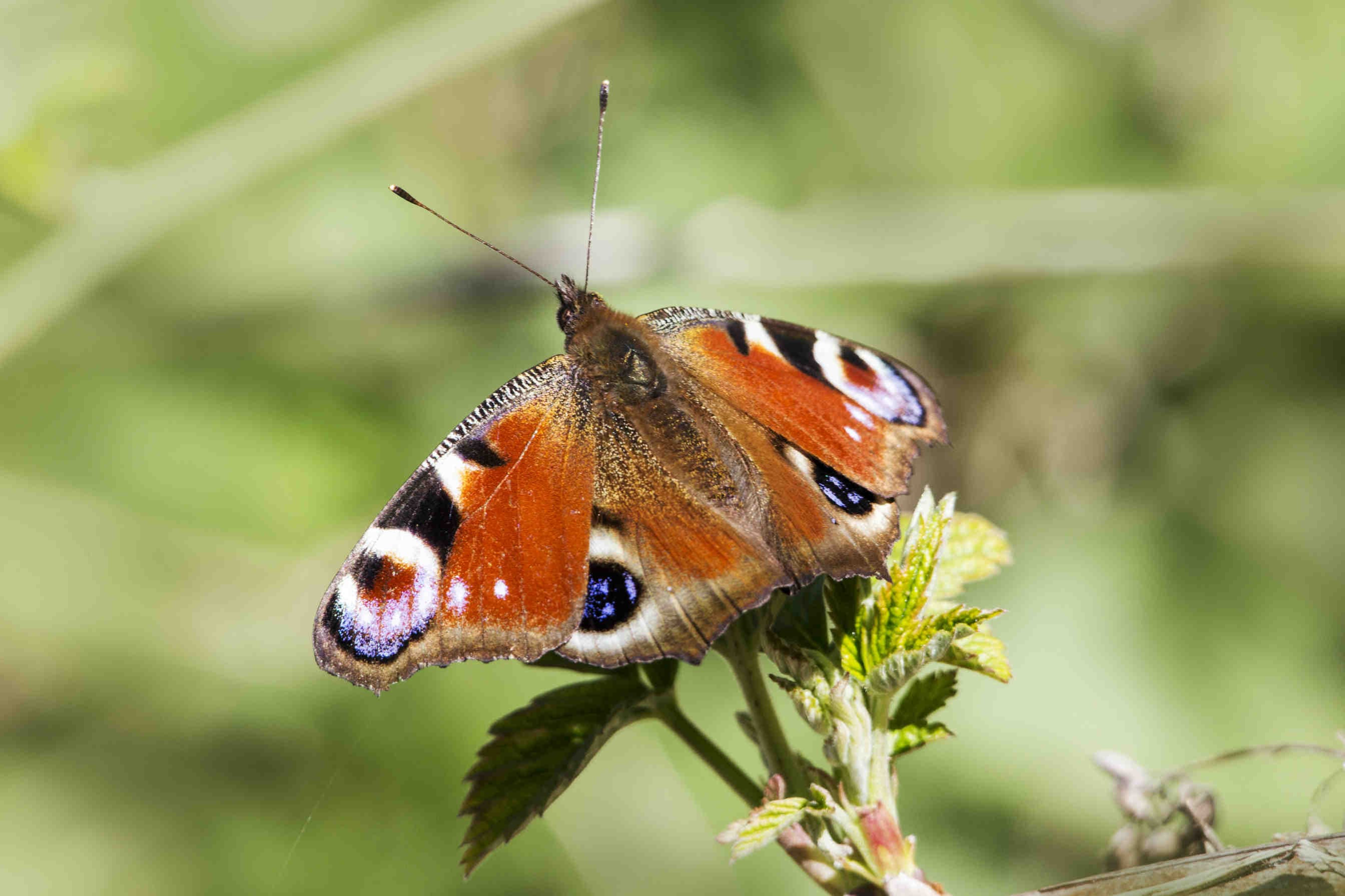
    As beekeepers, you are already familiar with the importance of pollinators for the success of your business. However, it is worth remembering that pollinators are also essential for the survival of numerous other plant species, not just those whose honey you collect. Insects pollinators, including bees, are responsible for fertilising more than 75 per cent of the world's food crops and about 35 per cent of global food production. Without them, not only your beekeeping business would be at risk, but also global food security. That is why it is important to do everything possible to protect pollinators and their habitat, ensuring that they are able to play their important role in nature and agriculture. Our 3Bee beekeepers do this through technology and in this way help us study bees, all pollinators and their biodiverse tissue.
    farfalla 3bee
    XNatura

    But are honey bees really at risk?

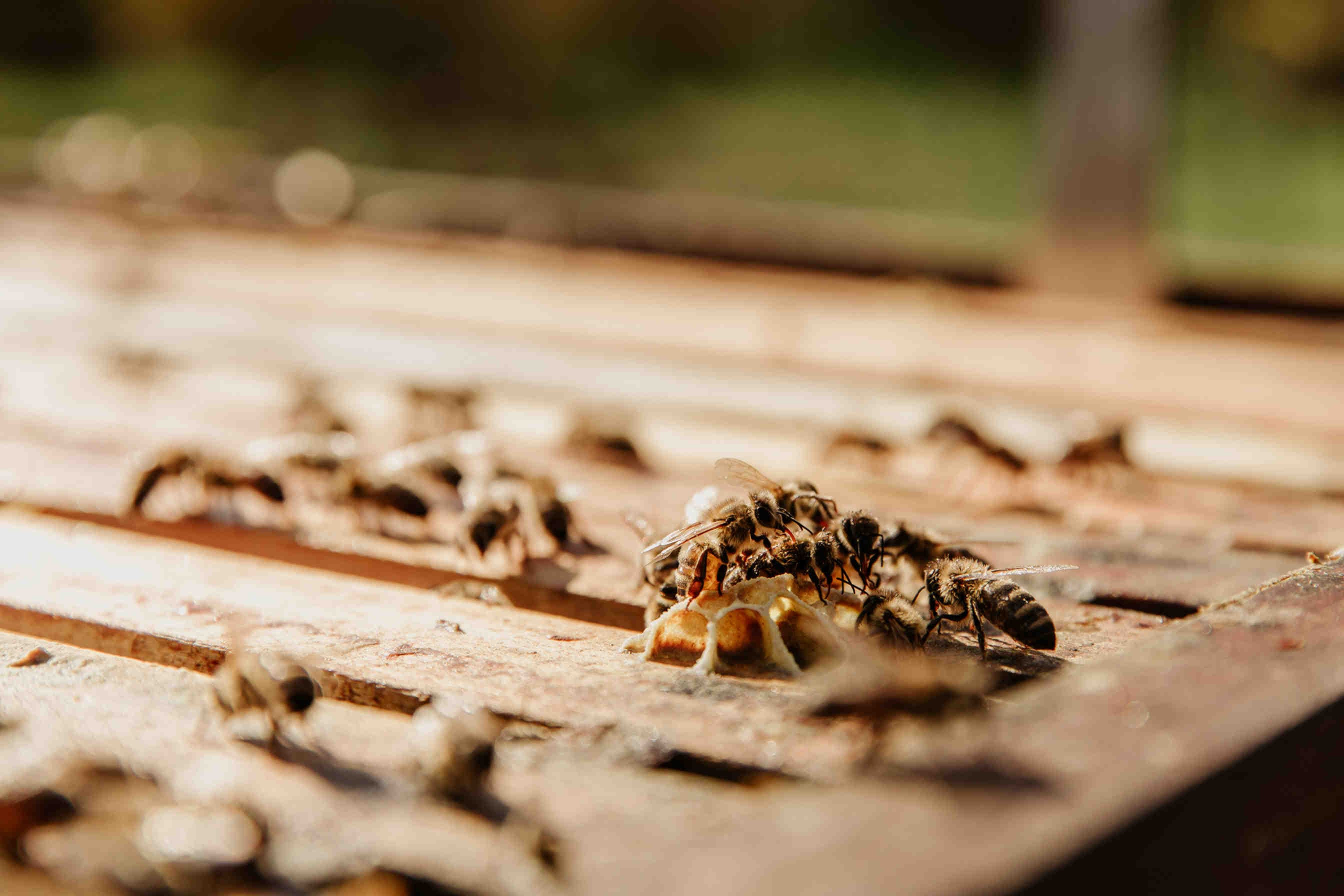
    Honey bees, despite concerns about declining bee populations worldwide, are not currently at risk of extinction. Unlike many other bee species, honey bees are bred and managed by beekeepers in many parts of the world, which allows their populations to remain stable. Beekeepers adopt sustainable management practices, including methods of nutrition, pest control and bee health, as well as promoting floral biodiversity to provide bees with a variety of food sources. Nevertheless, it is important to continue to closely monitor the status of honey bee populations and address threats such as pesticides, habitat loss and climate change to ensure their long-term survival. Finally, it is necessary today to focus on competition between species. Increasing the number of hives of mellifers from useful to harmful to ecosystems.
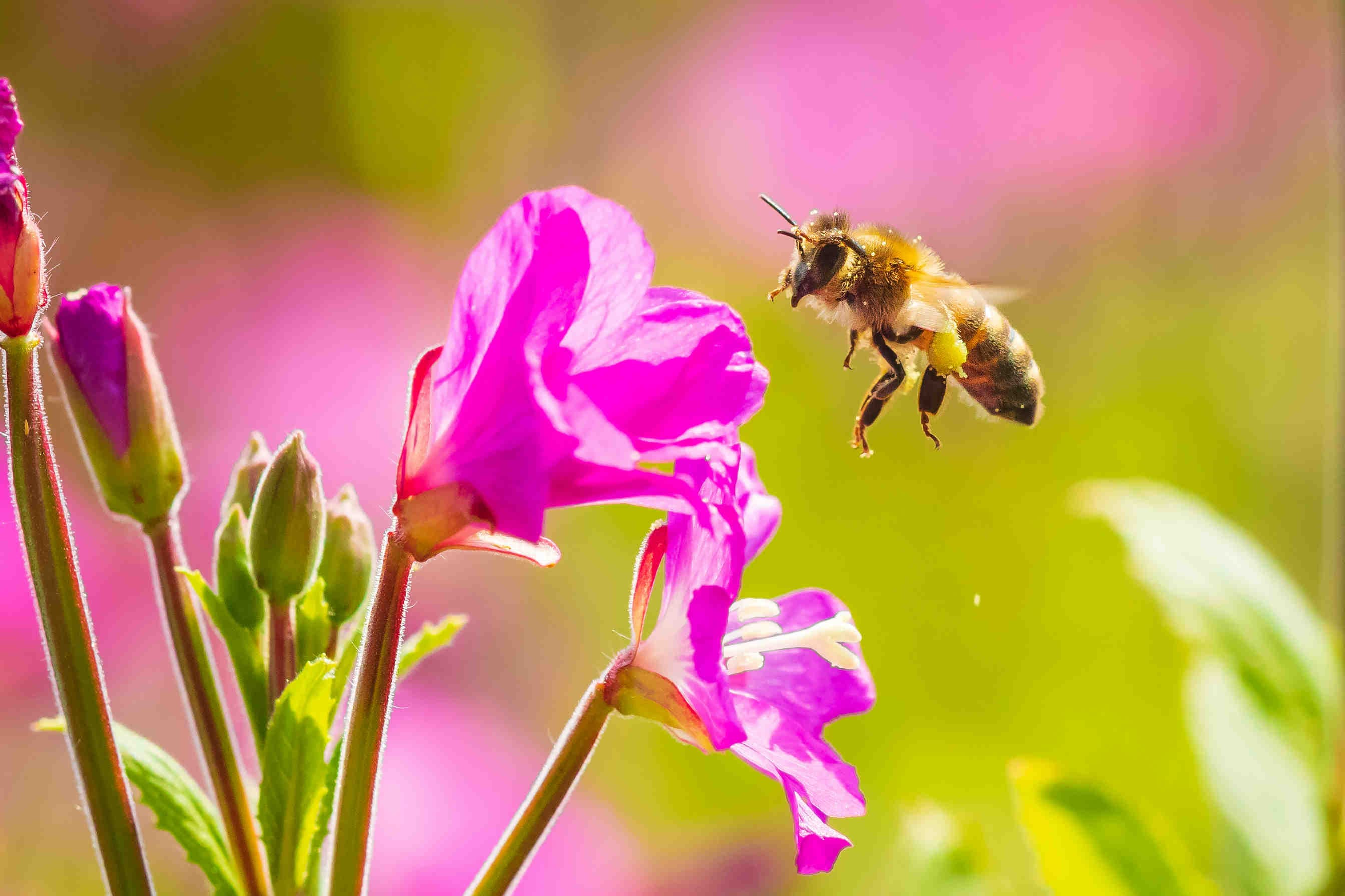
    ape su fiore
    3Bee

    The link between technology and nature

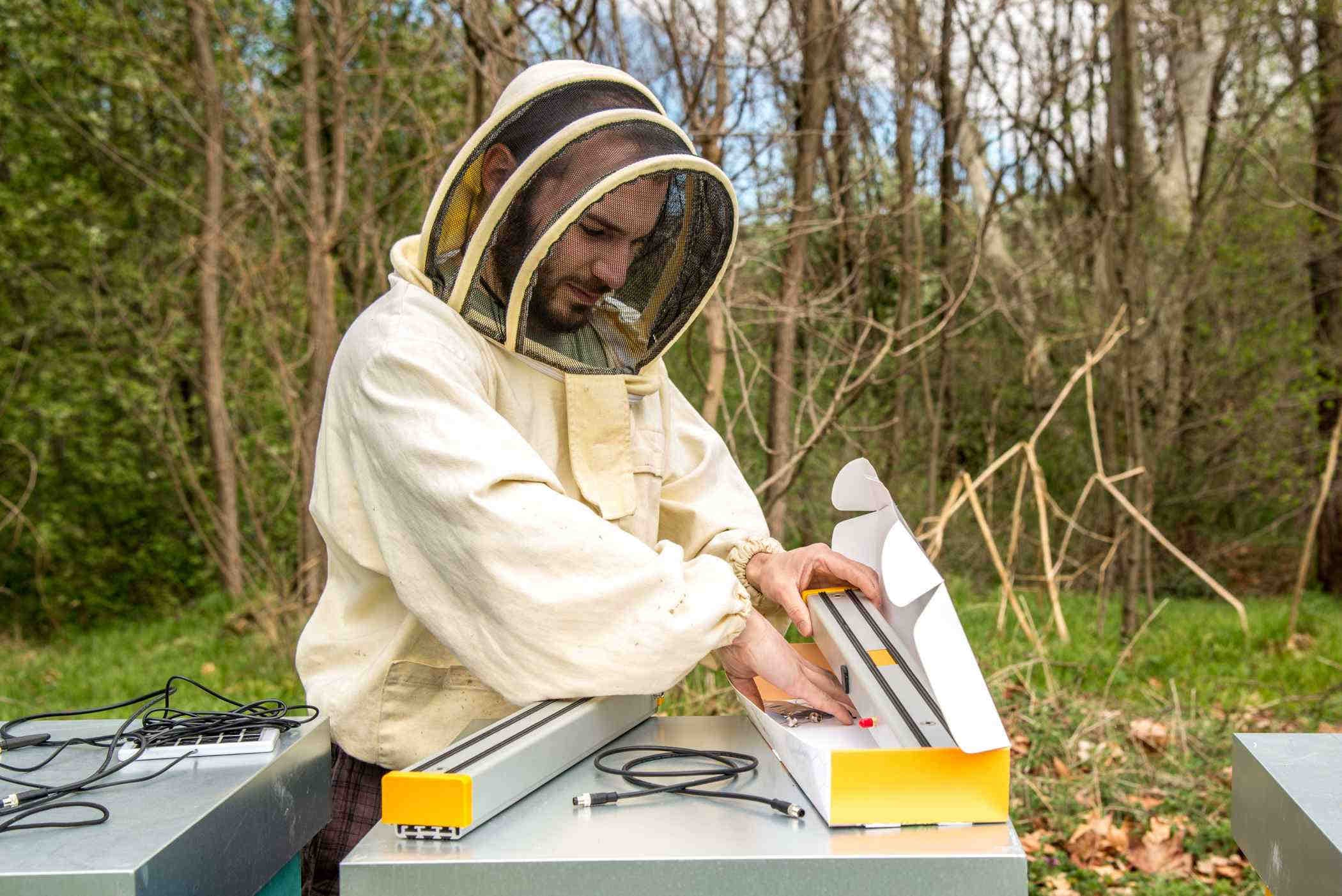
    The smart hive, the technological hive, is a hive whose management is supported by innovative tools that allow the beekeeper to take the best care of his bees. The 3Bee systems are an example of this. By installing the Hive-Tech device on the hive, the beekeeper can collect valuable data on the hive's main biological parameters. Measuring temperature, both inside and outside, humidity level, weight and sound intensity gives important information about the state of health of the bees. In agreement with the beekeeper, the monitored data, through technology, can be transmitted to universities and research centres as analytical data useful for the advancement of studies in favour of the environment and pollinators.

    Collaborating with 3Bee

    Why collaborate with 3Bee as a beekeeper? We are looking for beekeepers who can and want to join our cause. Not mere honey producers, but guardians of biodiversity. Beekeepers who are willing to share the results of their hives with research centres, who are willing to do chemical analyses on bees to understand the degree of toxicity of naturally occurring pesticides, who are willing to commit to telling schools, universities and companies about their work as custodians. Beekeepers who do not breed bees but cultivate oases of protection. All these activities are remunerated! You will be paid for the video lectures you give or for the plants you plant and tend and for the data we give to universities. We want to bring a new figure to the area, the grower. In this way you will also have the XNatura certification of biodiversity protection and you will finally be able to value your honey product not as a sugary substance, but as a valuable symbol of biodiversity
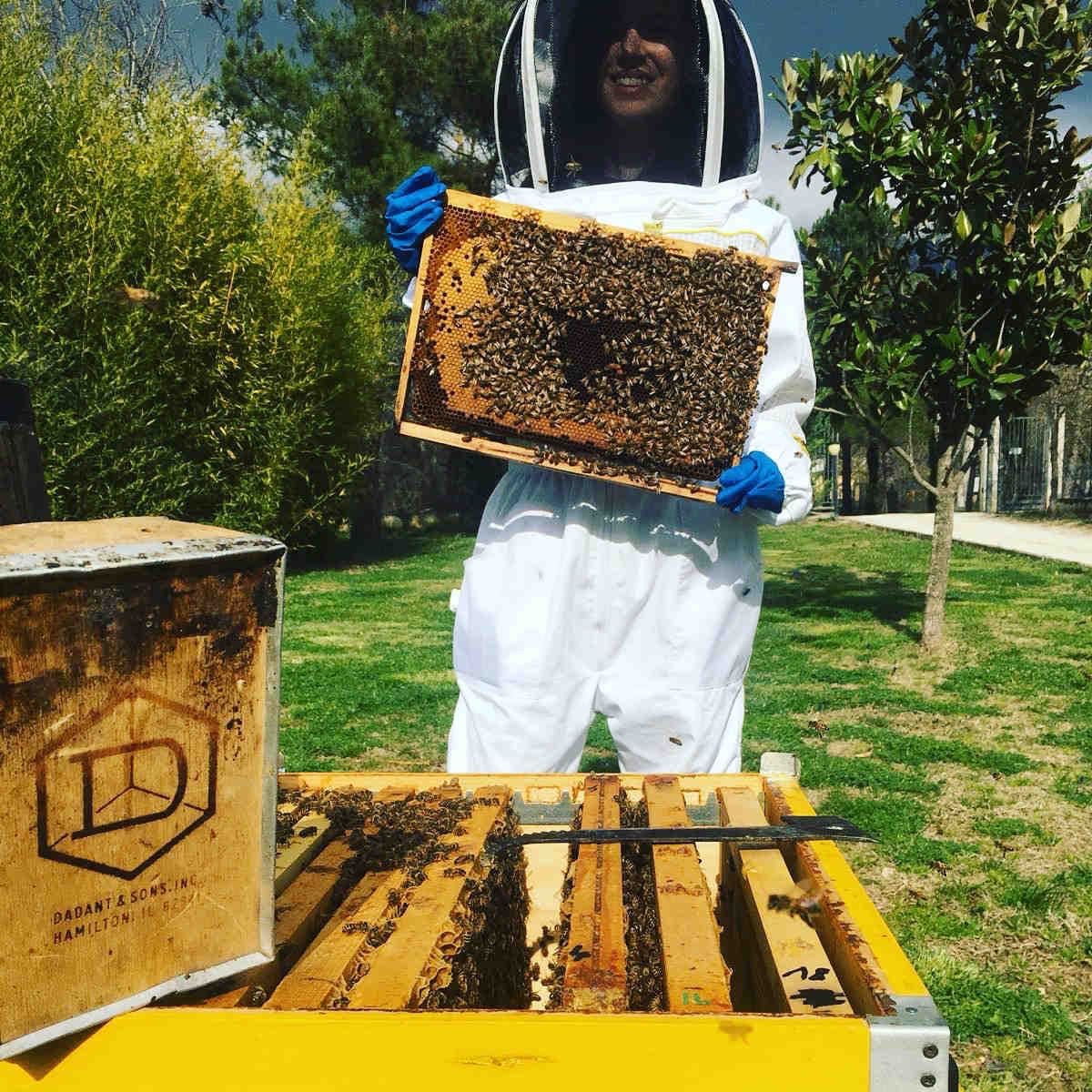
    apicoltrice con api in mano

    Conclusion

    In conclusion, beekeepers play a key role in land regeneration through the study of bees, the creation of monitoring networks and action in the field through biodiversity planting. They also become key players in research projects to better understand bee behaviour and develop new strategies for pollinator and biodiversity conservation, as well as nectar generation through the planting of nectar trees. If you would like to be part of our network of growers (beekeepers with a penchant for biodiversity), fill out the form and one of our experienced beekeepers will contact you soon.
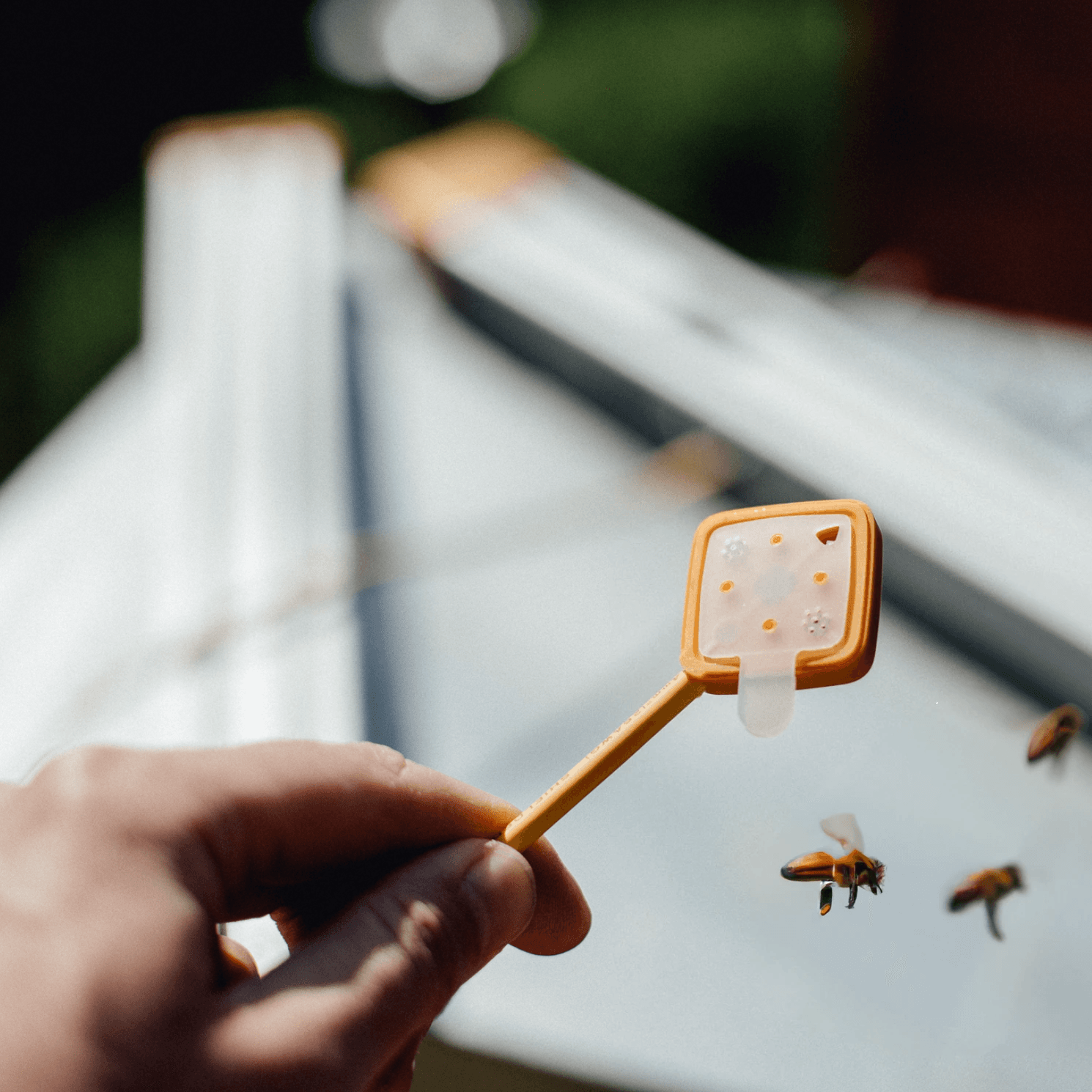
    sensore 3Bee
    12/04/2023Of 3Bee, Elena Fraccaro
    351 Views
    Newsletter
    newsletter
    Subscribe to the Blog about bees and biodiversity