Bees Day 2023: all the interesting facts
    flightbeehivequeen beescolours

    Bees Day 2023: all the interesting facts

    For Bee Day 2023 we explore the most fascinating facts about bees, extraordinary creatures that play a vital role in the ecosystem. From their flying abilities to the incredible size of their families, we discover together just how extraordinary and important they are to protect.

    Read the article
    12/05/2023Of 3Bee, Elena Fraccaro
    412 Views
    12/05/2023Of 3Bee, Elena Fraccaro
    412 Views

    Flying skills and searching for food

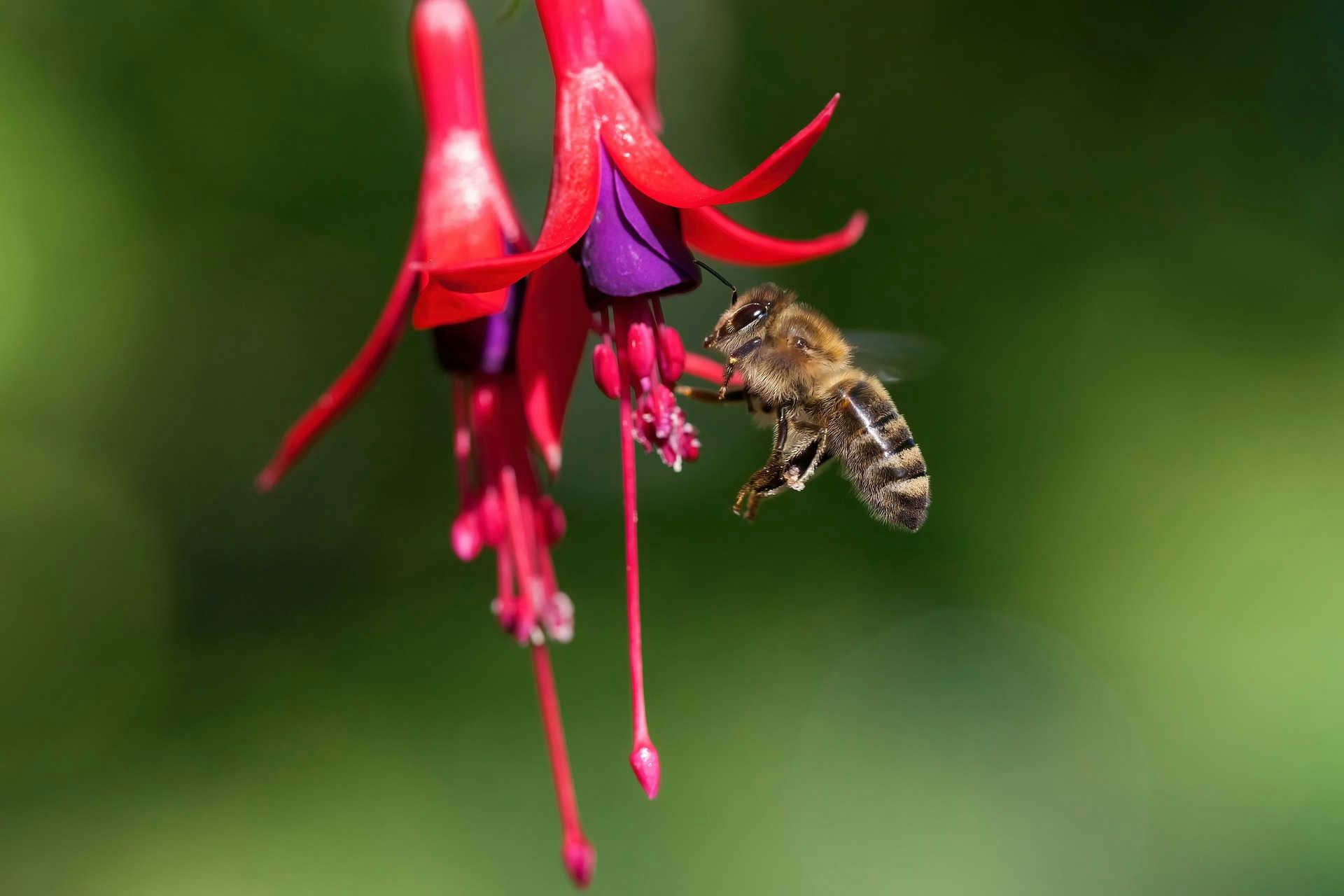
    The api are incredible creatures endowed with extraordinary flying abilities. Despite their robust bodies, they are able to soar through the air and cover long distances effortlessly. This is made possible thanks to the wings that beat rapidly, allowing them to overcome obstacles and reach flowers and food sources. But what is most surprising is their ability to orient themselves and always find their way home. Even if they venture considerable distances, bees use a combination of visual and olfactory cues to trace the path back to their hive. Furthermore, within a radius of about two kilometres, each bee can locate a food source, which may be a field of flowers or a flowering tree. This ability to search for food is essential for the survival of the hive, as it ensures a constant source of nectar and pollen needed to feed the larvae and keep the colony thriving.

    ape volo

    Size of a hive and the work of bees

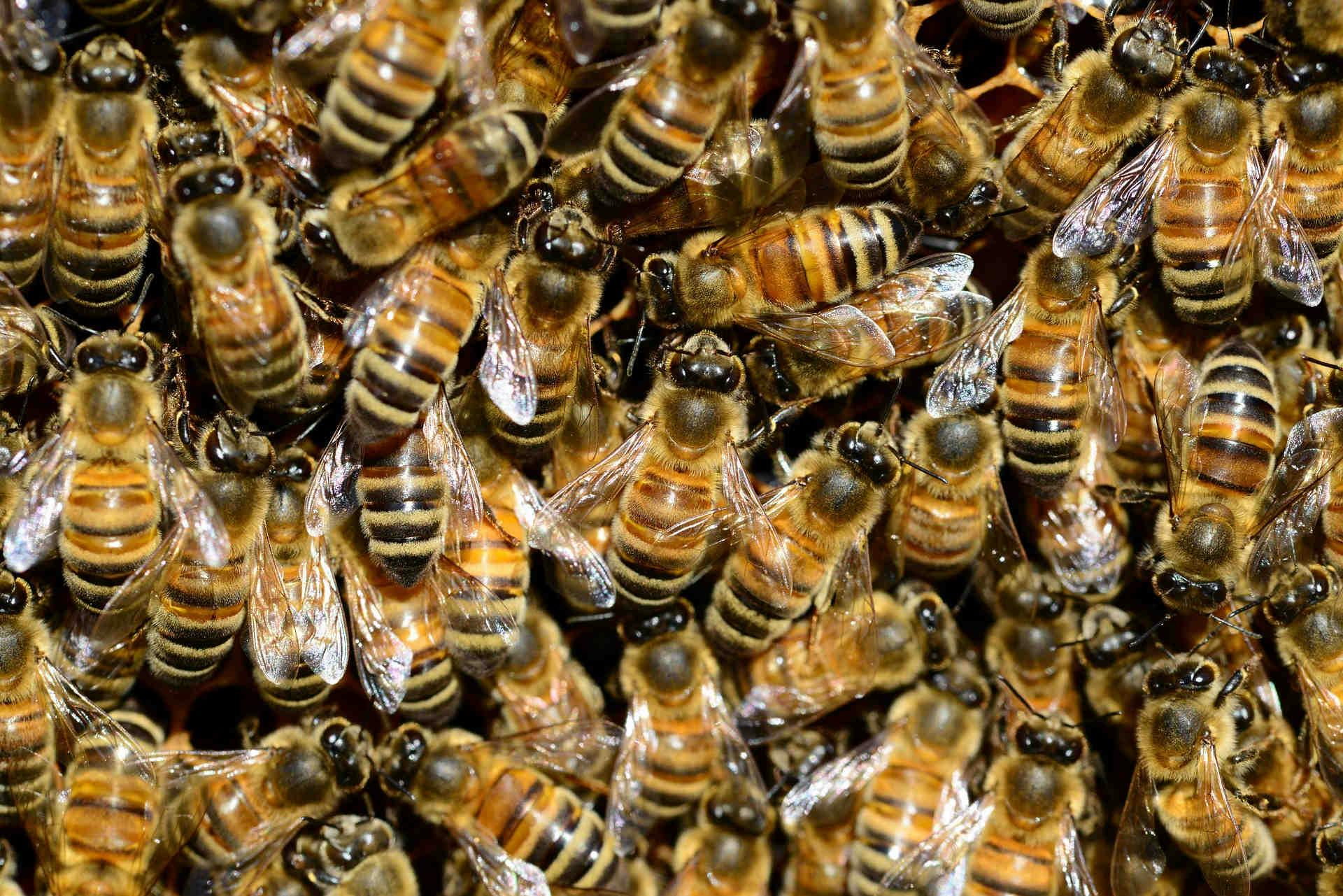
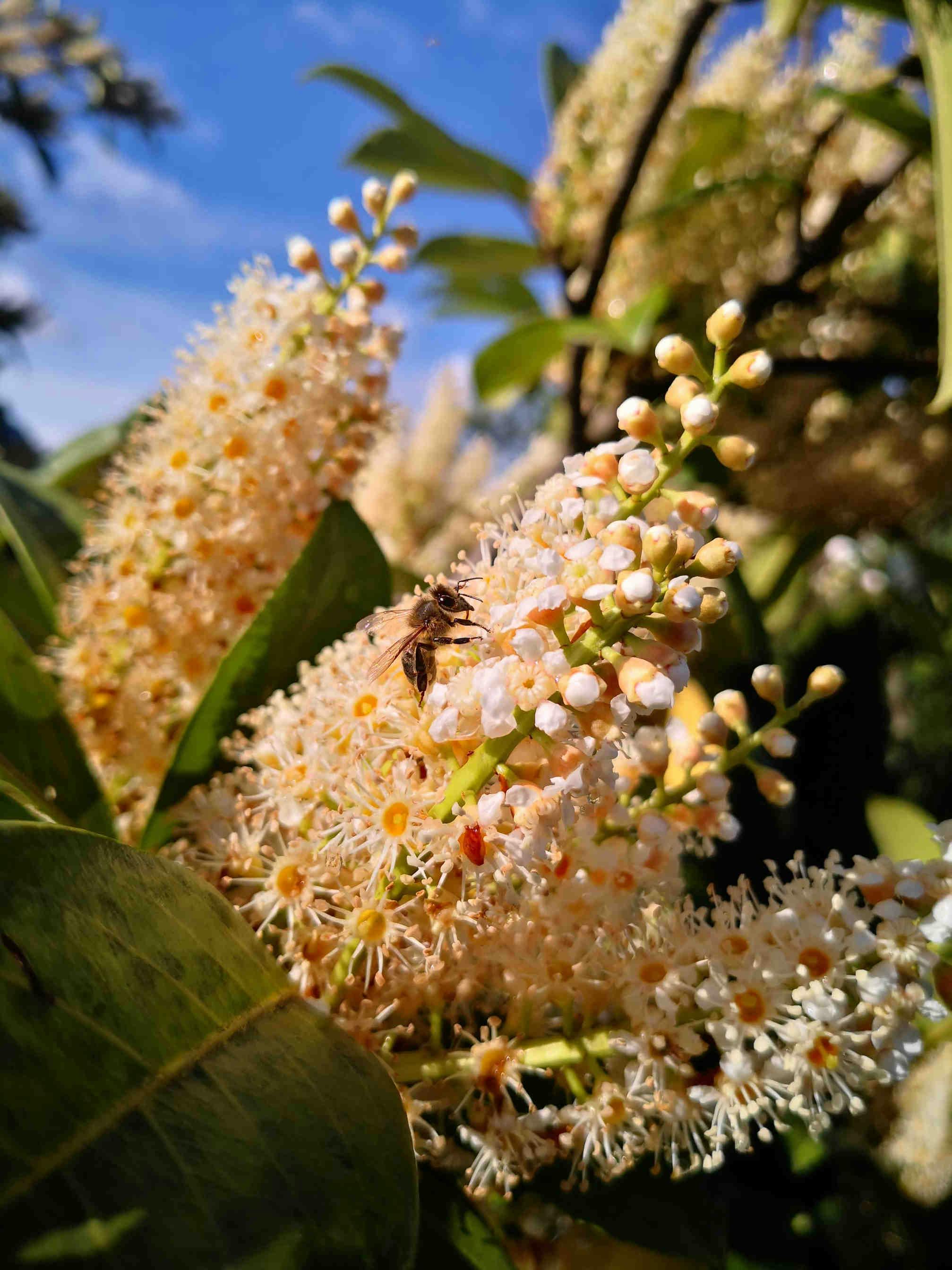
    Within a hive, a hard-working community of bees develops, working tirelessly to ensure the well-being of the colony. An average bee family consists of around 50,000 individuals, each with a specific role. The work within the hive is efficiently organised, with bees performing various tasks according to their age and specialisation. Up to 30% of the entire bee family is dedicated daily to collecting pollen. This valuable task is crucial for the survival of the hive, as pollen is an essential source of protein and nutrients for the larvae. Other bees are responsible for cleaning the hive, building wax combs, feeding the larvae and defending the hive from intruders. Each individual plays a crucial role in ensuring the proper functioning of the hive as a unique working unit.
    alveare
    XNatura

    Queen and guardian bees

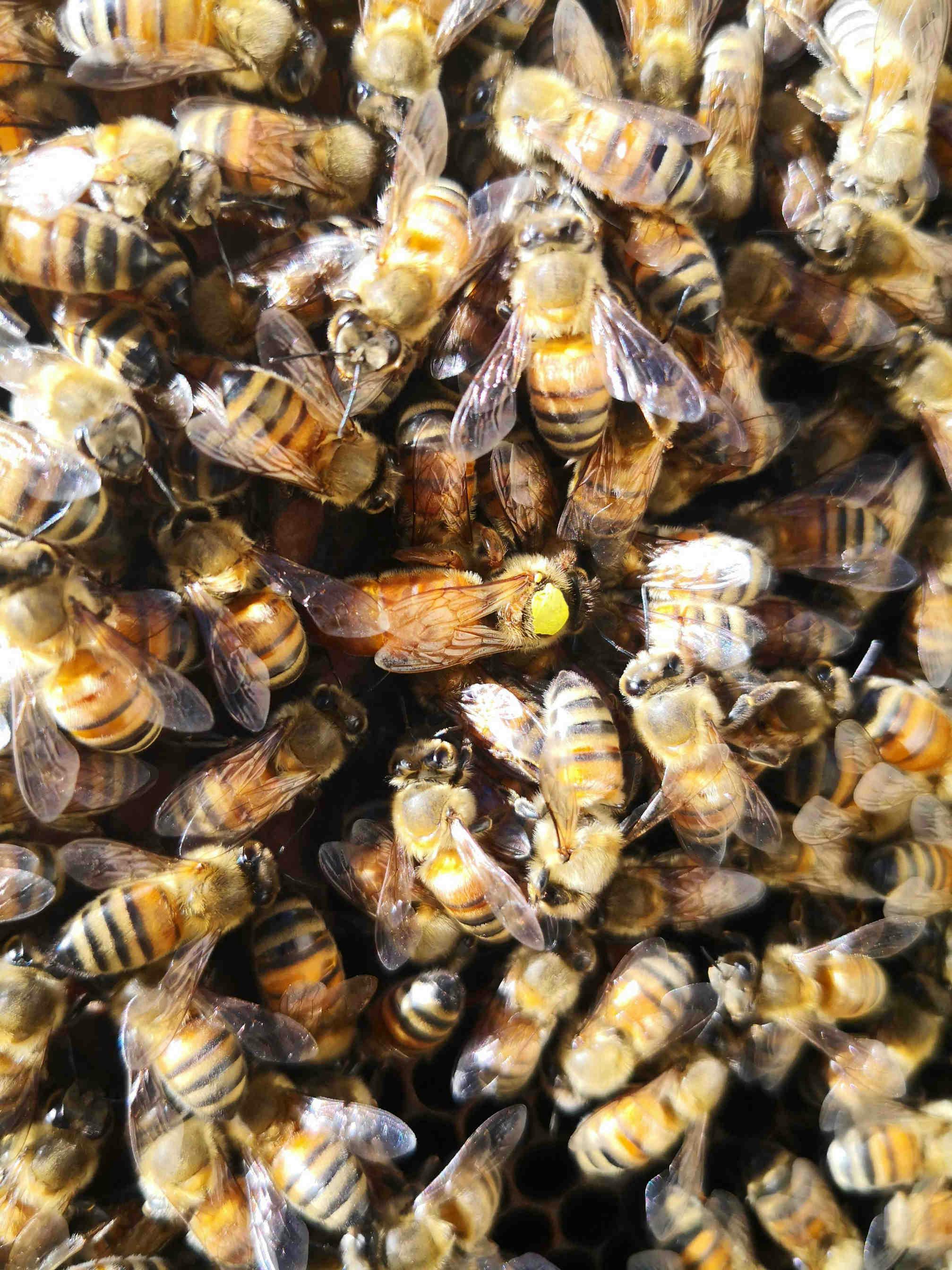
    At the heart of each hive resides a queen bee, the dominant and reproductive member of the colony. The queen bee is not only responsible for laying eggs, but also for the production of pheromones that influence hive behaviour and cohesion. Despite its ability to sting, the queen bee rarely stings humans, even when irritated. Queen bees are treated with respect and care by the other bees in the hive, as they are essential for the survival and growth of the colony. In addition to the queen bee, each hive also has its guardian bees who play the role of defending the hive from outside attacks. They are very vigilant and ready to defend the hive in the event of a threat. Guardian bees patrol the entrance to the hive and use their sting to repel intruders. This protective behaviour helps keep the hive safe and allows the bees to carry out their activities without outside disturbances.

    ape regina

    Olfactory sensitivity and colour preferences

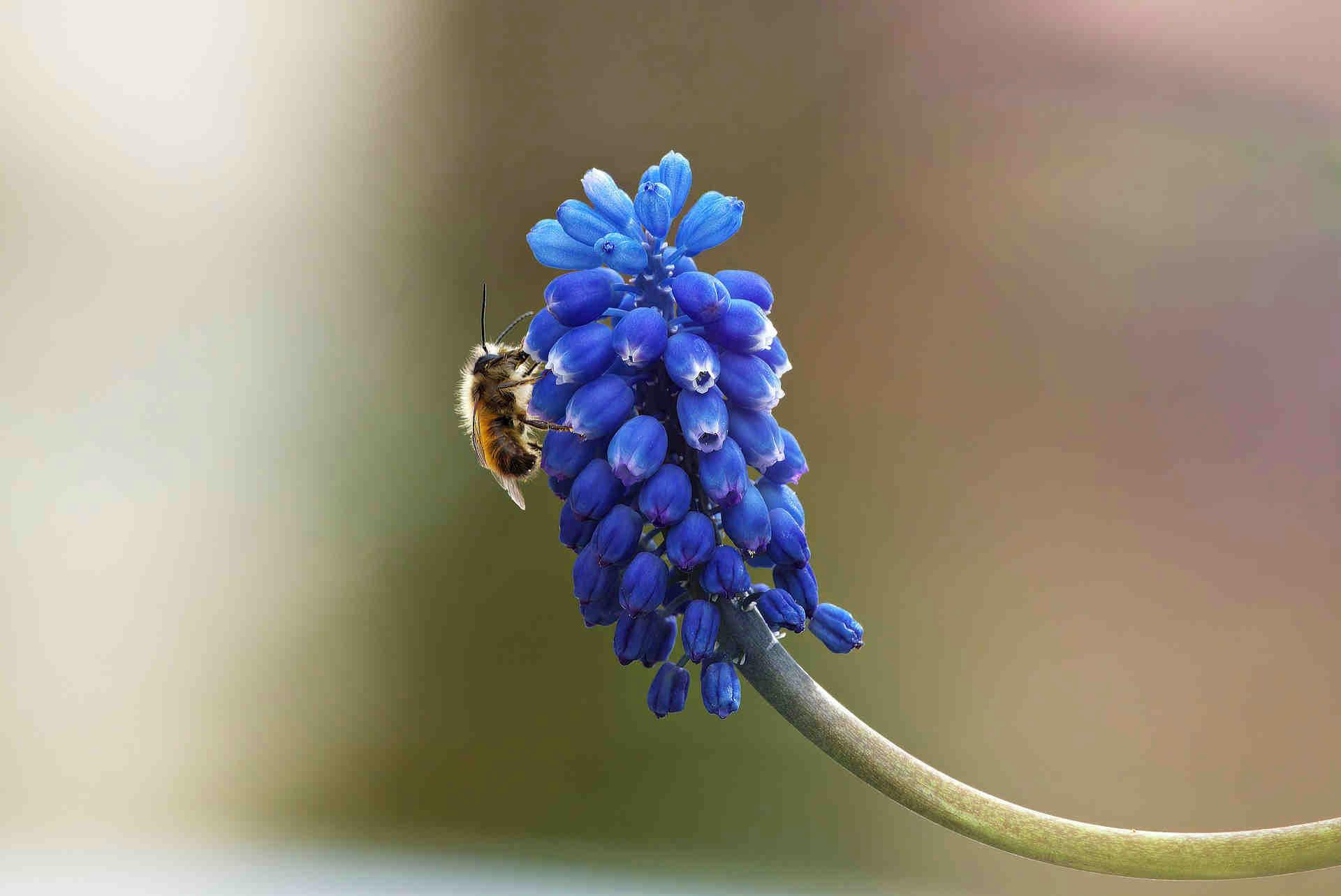
    The bees are endowed with an extraordinarily developed sense of smell, which plays a key role in their search for food. At a distance of one kilometre, they are able to perceive the smell of a flower and identify sources of nectar and pollen. In addition, bees show a preference for the colours of flowers. Due to their peculiar vision, they see blue, white and yellow flowers better. These colours act as visual signals that attract bees and guide them in their search for food sources. This mutual attraction between bees and flowers is fundamental to their symbiosis: the bees get the nourishment they need, while the plants are pollinated by the bees, allowing them to reproduce. This extraordinary relationship between two different organisms is a perfect example of how nature has created a synergistic system of interdependence.

    ape fiore blu
    XNatura

    The pollination efficiency of bees

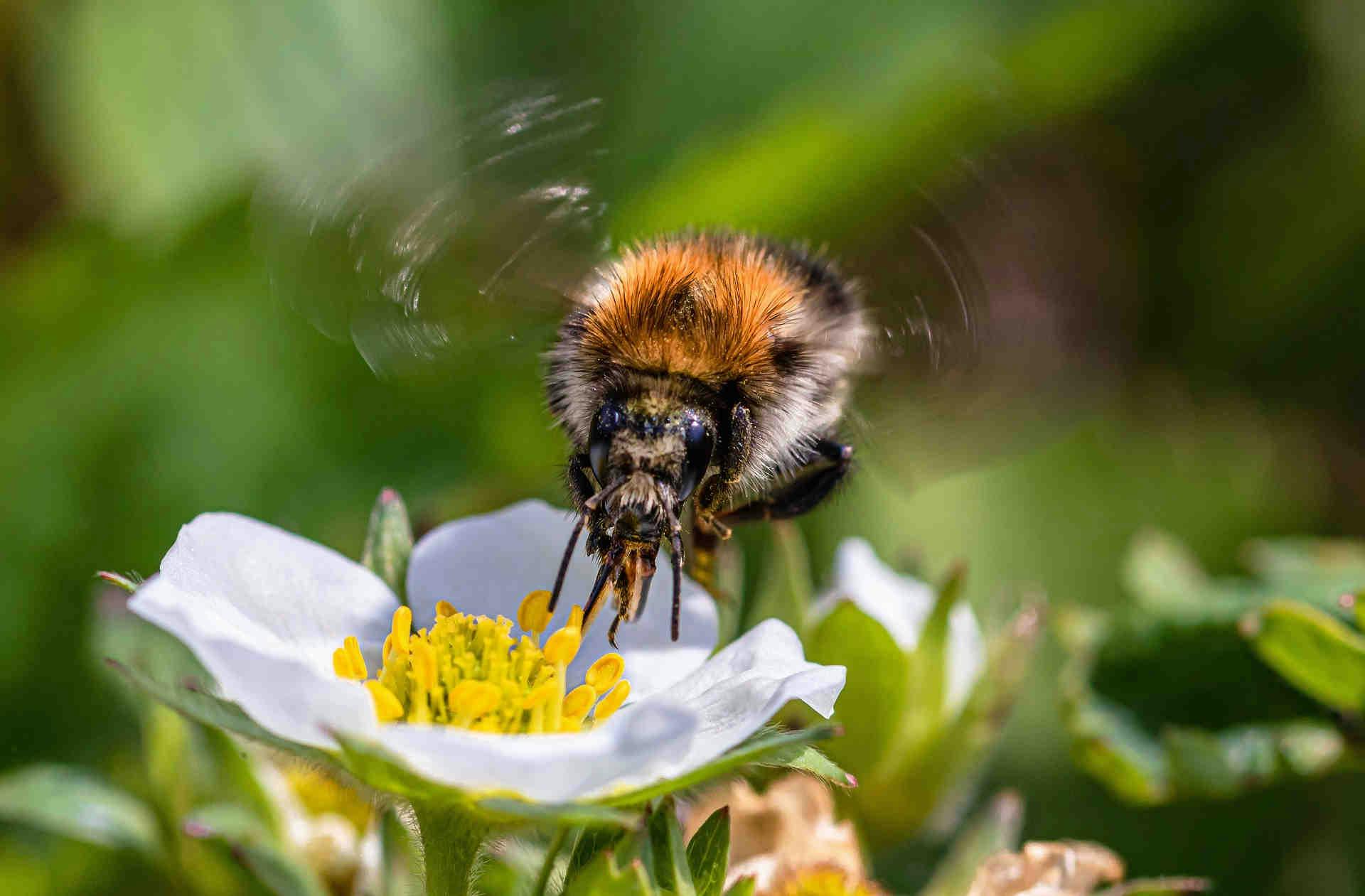
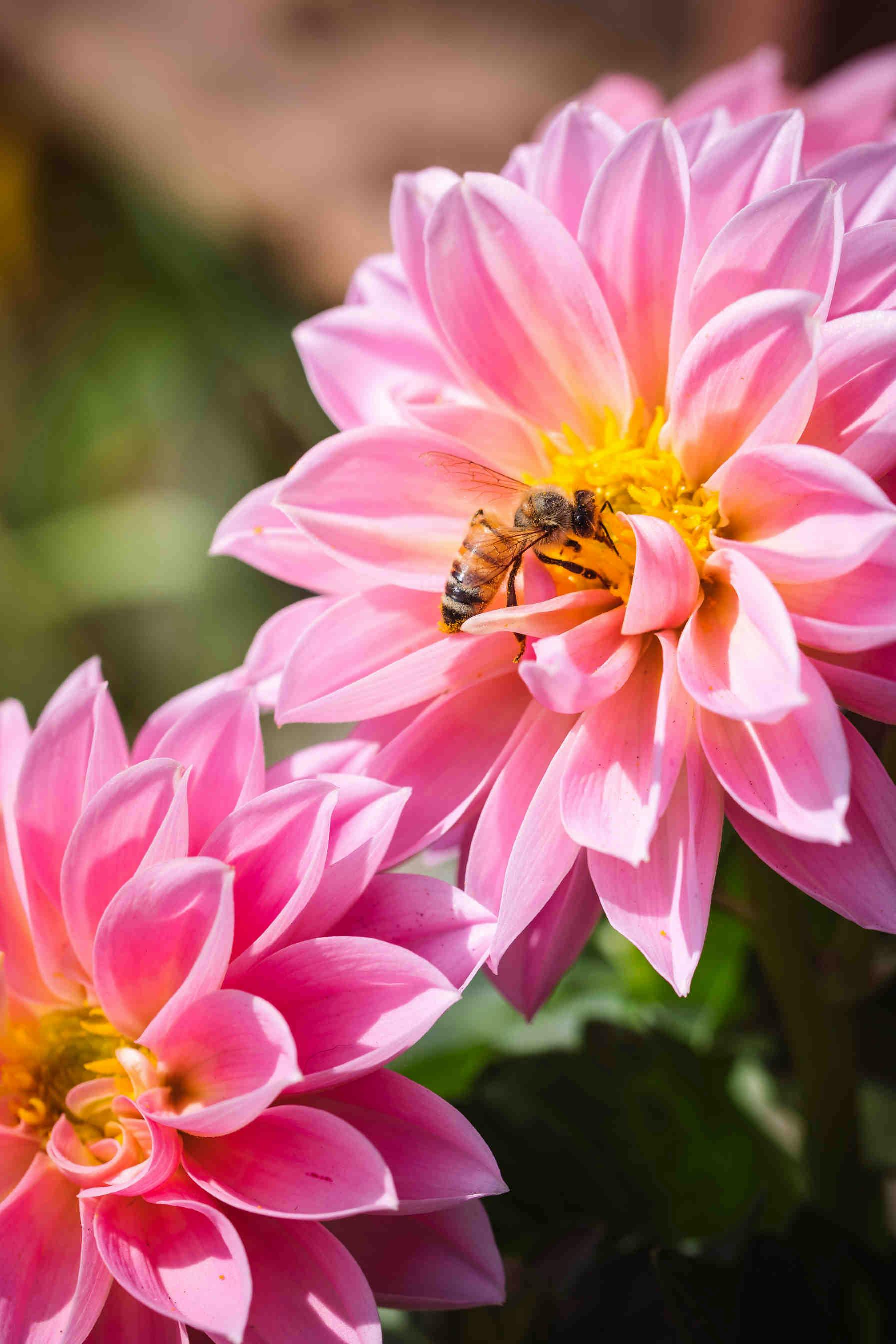
    The efficiency of bees in pollination is simply astonishing. During their visits to flowers, a bee can pollinate several plants, contributing to the reproduction of various plant species. Thanks to their electrostatic pollination, pollen sticks to their bodies as they feed on nectar. When bees move from one flower to another, some of the pollen is transferred from the stamens to the pistil, promoting plant fertilisation. This pollination process is essential for the production of seeds and fruit, not only for the plants themselves, but also for the entire ecosystem. Without bees and their pollination work, many plant species would fail and the balance of the ecosystem would be compromised. Therefore, bees play a crucial role in the preservation of biodiversity and food security.

    impollinazione
    3Bee

    Bee Day: how to contribute to their protection

    Each of us has an important role in protecting bees and biodiversity. We can make a difference by promoting sustainable actions in our daily lives. Reducing the use of harmful pesticides, creating a bee-friendly environment in our garden or balcony, and supporting local producers who adopt sustainable beekeeping practices are concrete steps we can take. In addition, participating in awareness-raising initiatives on the importance of bees and sharing information on how to protect them can help create greater awareness. In this context, the project "Adopt a 3Bee hive" offers a unique opportunity to actively support bees and the conservation of their habitats. Through this initiative, we can contribute to the protection of bees and the ecosystem in which they live.

    ape e fiore

    Conclusion: the crucial role of bees and pollinators

    bees are essential for the ecosystem and food security. Bee Day 2023 reminds us of their crucial role in pollination and food production. Protecting bees is crucial to preserving biodiversity and ensuring a sustainable future. By adopting a 3Bee hive or a nectariferous tree, we can actively contribute to the preservation of bees and pollinators. By creating a bee-friendly environment, we can do our part to preserve these vital insects. Let us join together to celebrate and protect bees, recognising their ecological value and the importance of their role in our daily lives. Together we can build a future in which bees and biodiversity thrive and our planet is kept in balance.

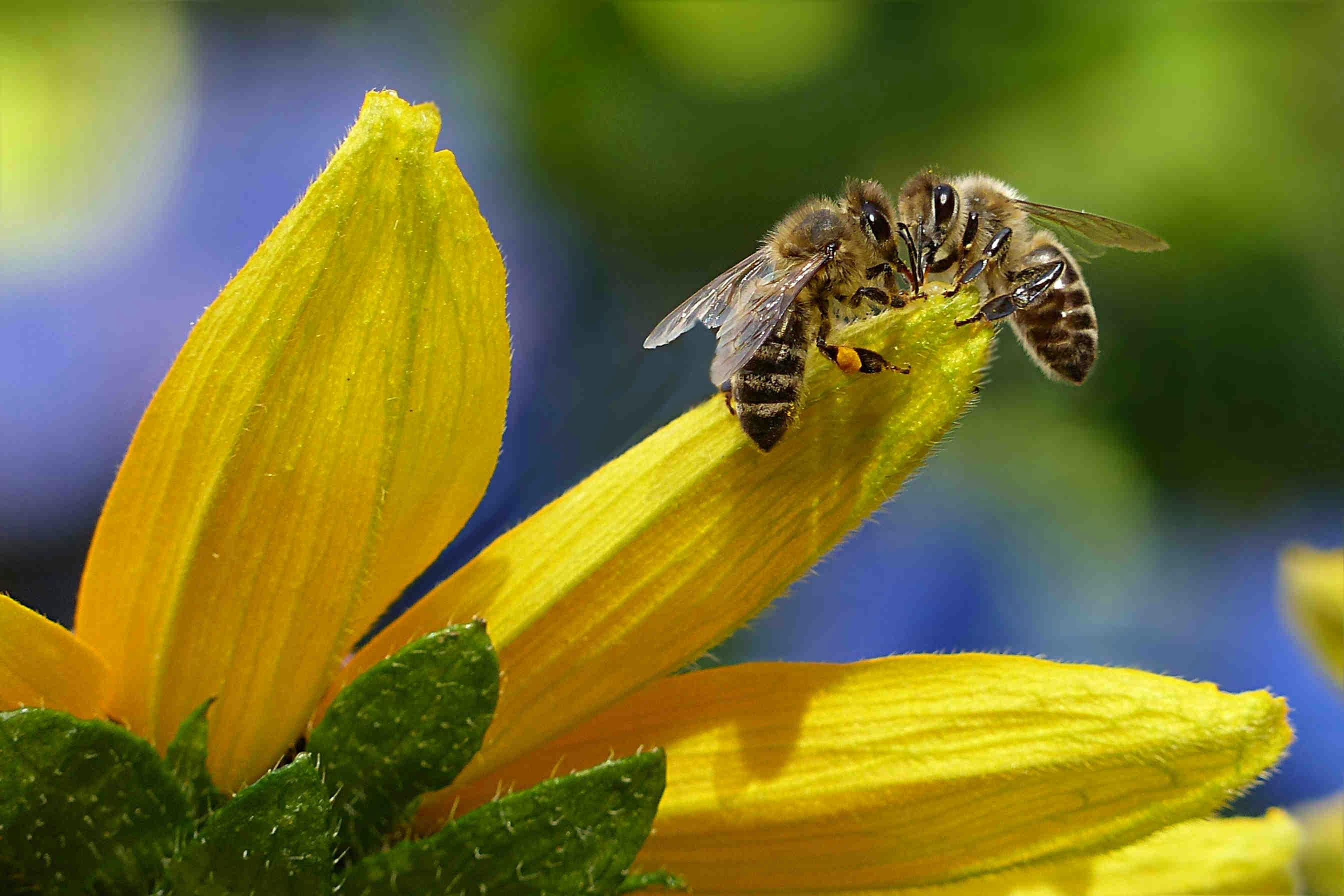
    coppia api
    12/05/2023Of 3Bee, Elena Fraccaro
    412 Views
    Newsletter
    newsletter
    Subscribe to the Blog about bees and biodiversity