In the apiary in October and November: what does the beekeeper do?
    WorksReginastate of healthTelai

    In the apiary in October and November: what does the beekeeper do?

    The early autumn periods are a particularly sensitive time of year for bee care. Great care must be taken so that a family can survive the colder season.

    Read the article
    07/06/2022Of 3Bee, Elena Fraccaro
    1849 Views
    07/06/2022Of 3Bee, Elena Fraccaro
    1849 Views

    The Work of the Beekeeper

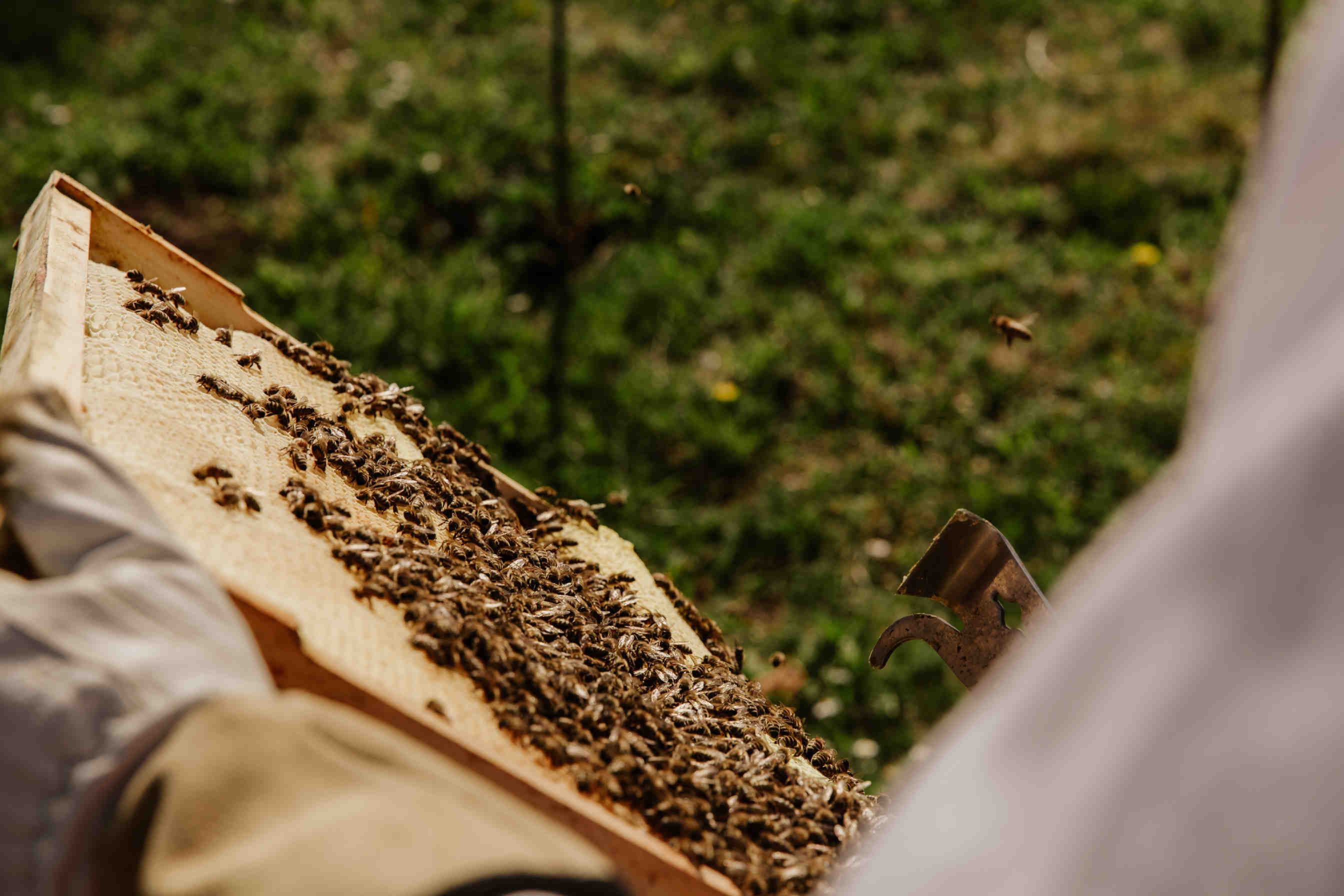
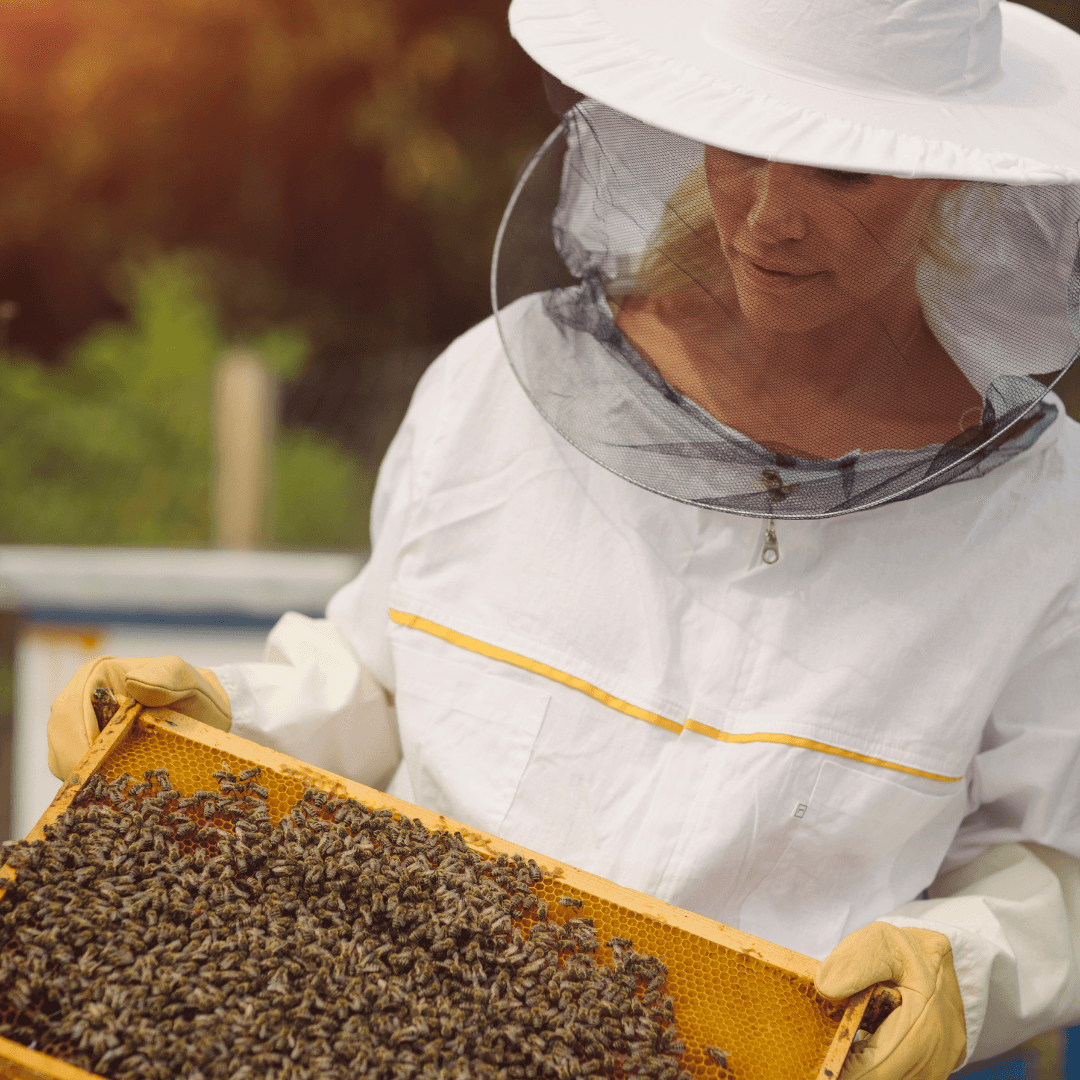
    In October and November, the days get shorter and the temperatures drop significantly. It is still possible to see some beautiful sunny days, but we no longer reach the peaks of heat that make the beekeeper's suit a real instrument of torture. The hustle and bustle of the production season is now a memory: the lucky ones can still try to enjoy the late blooms where the weather is milder. However, the main tasks of the beekeeper in these months are related to the potting of honey, the care of the material and storage, while visits to the apiary become more and more deferred. This, however, does not mean idleness! The early autumn periods are a particularly sensitive time of year for bee care.
    The Work of the Beekeeper

    How is the queen?

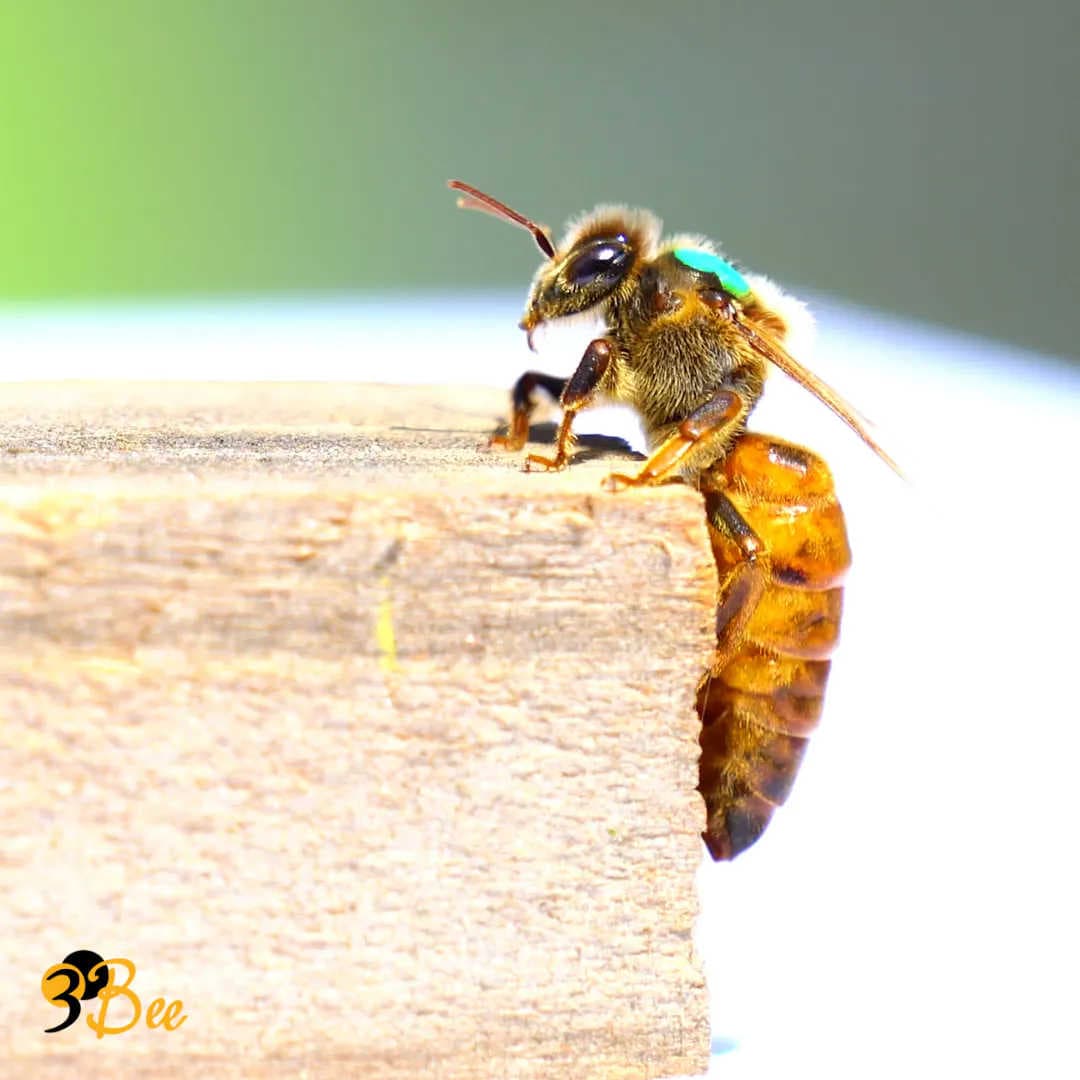
    During inspections in October, it is essential to assess the state of health of the family and the condition of the queen. As far as the latter is concerned, its propensity to oviposit: it is important to have a good and numerous autumn brood because these bees will be the ones that, having survived the winter, will restart the family's growth in the spring. For this reason, it is a risk to end up in October-November with a weak and not very prolific queen. Replacing the queen at this time of year is very difficult; one must have acted earlier to avoid such a situation. If, however, the queen is weak and it is not possible to proceed with her replacement, reunification with another colony can be considered to increase the chances of survival.
    How is the queen?
    XNatura

    Assessing the state of health

    Evaluating the health status of the family is equally important. During this period, particular attention is paid to the degree of Varroa infestation. This is assessed by visual examination of the number of varroa that have fallen to the bottom or special procedures such as the ZAV. However, it must be remembered that varroa infestation is endemic and that all hives must be treated. The greatest effects will occur when all hives in the same area are treated at the same time. Unpleasant episodes of re-infestation can thus be avoided. During this period, when the queen naturally stops hatching, treatment with oxalic acid, either drip or sublimate, is commonly used. However, there are also other treatments that can be carried out, each with its own particularities.

    Assessing the state of health

    Reducing the number of frames

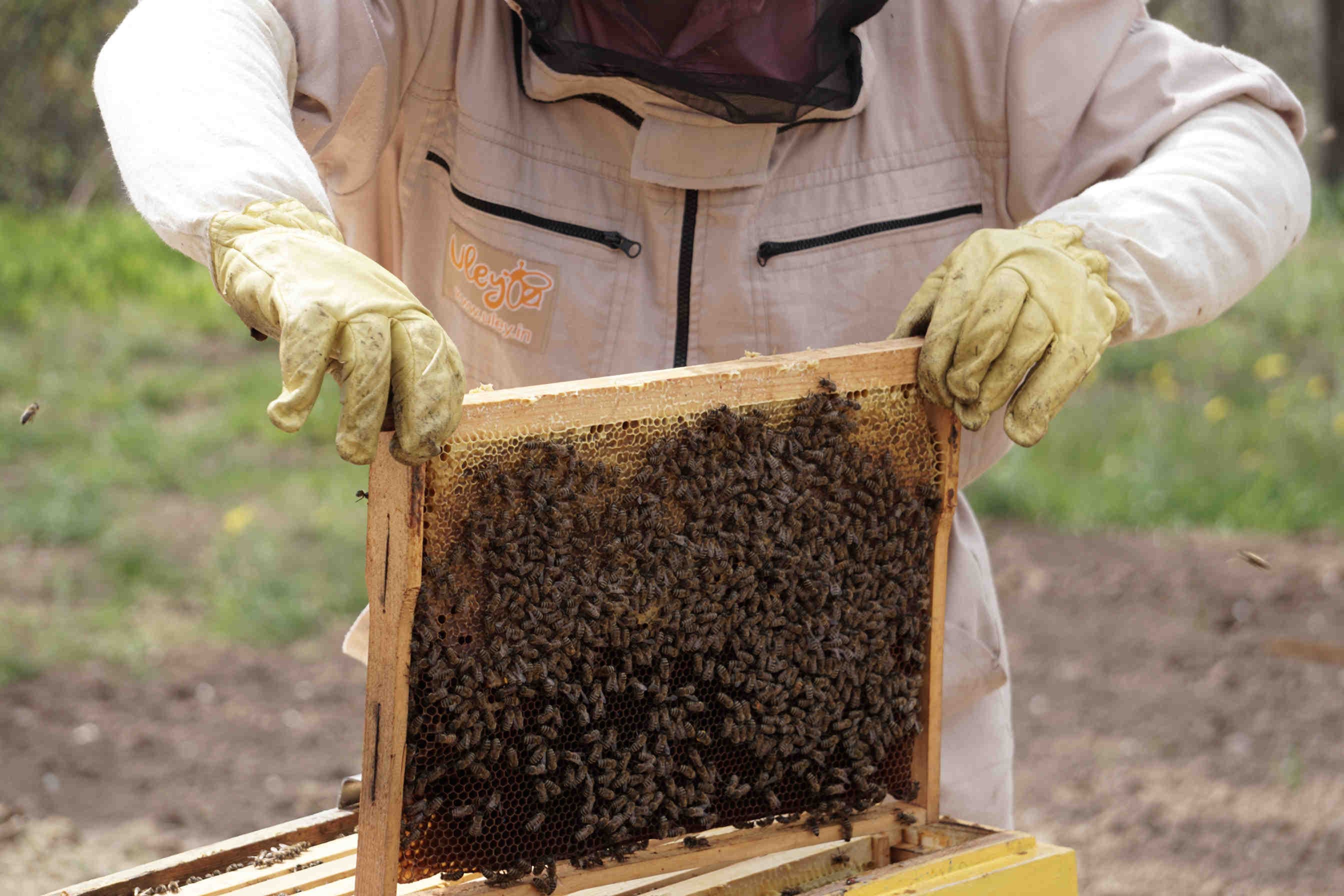
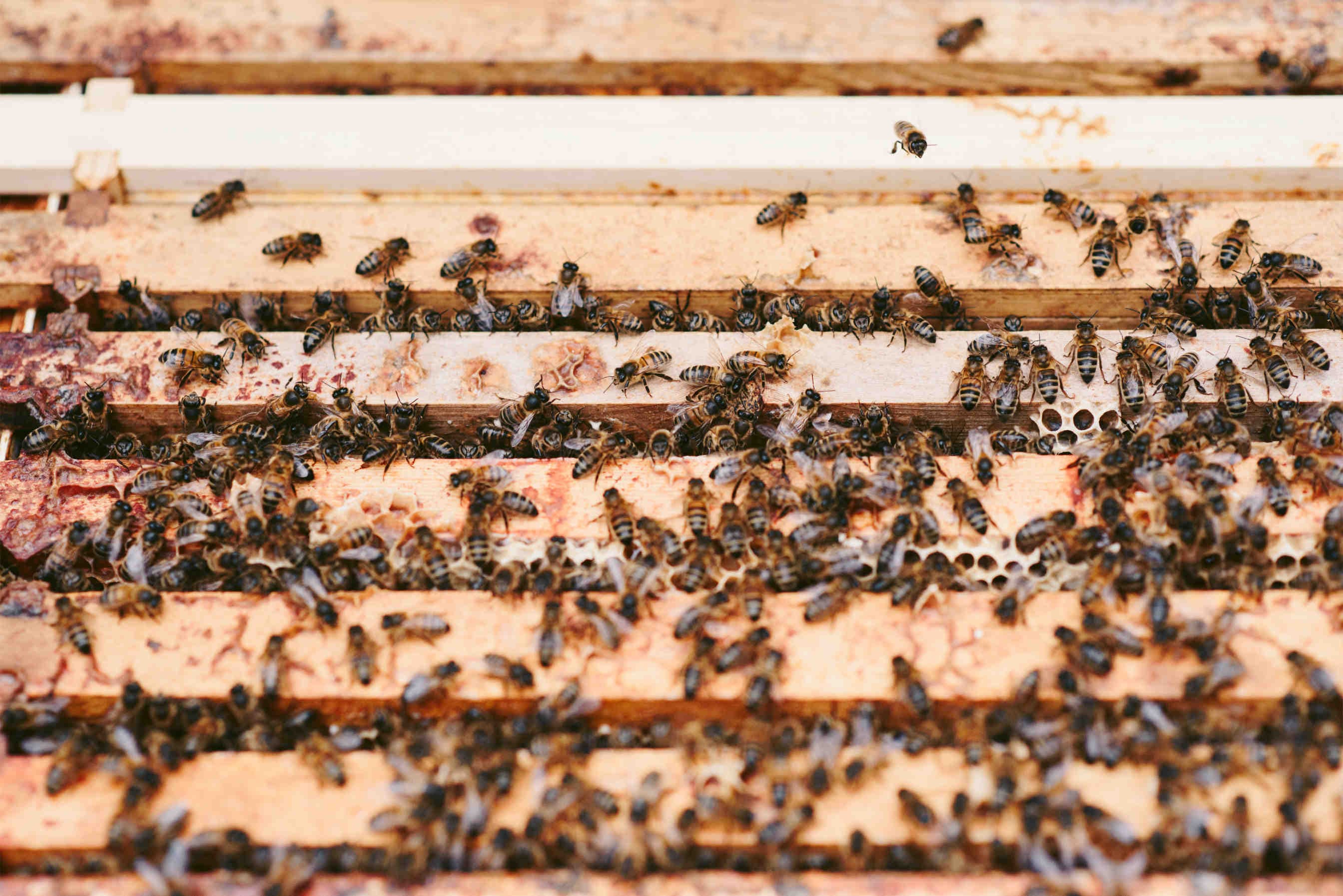
    Another important step towards wintering is the reduction in the number of frames within the hive. In order to do this correctly, the condition of the frames themselves must first be checked. The frames on which the bees are most concentrated should ideally have what is known as a 'honeymoon', i.e. they should have a half-moon a few centimetres thick at the top of the honeycomb. In addition to this, the banks containing the stocks must be moved outwards. The frames to be removed must also be selected, generally those that are older or not completely built up. Before removing them, it is a good idea to strain the opercula and place the combs beyond a diaphragm, so that the bees can recover all the honey inside them.
    Reducing the number of frames
    XNatura

    Insulation

    In many regions, especially the colder ones, the insulation of hives is carried out. This procedure is performed to try to isolate the hives in such a way that the bees have to consume less stock to keep warm. During the cold season, the bees form the so-called glomere and concentrate in the upper part of the frames. For this reason, we proceed by inserting insulating material between the coverlet and the roof of the hive. The material generally used is jute, sawdust or expanded polyurethane. In any case, it is good to remember to choose materials that allow air circulation. In this way, in fact, stagnation of water and humidity is avoided, a very bad condition for the health of the hive. Also to avoid a situation where humidity levels reach alarming levels, many beekeepers proceed by tilting the hive in such a way that the water inside it escapes through the front opening.

    3Bee

    Snow problem?

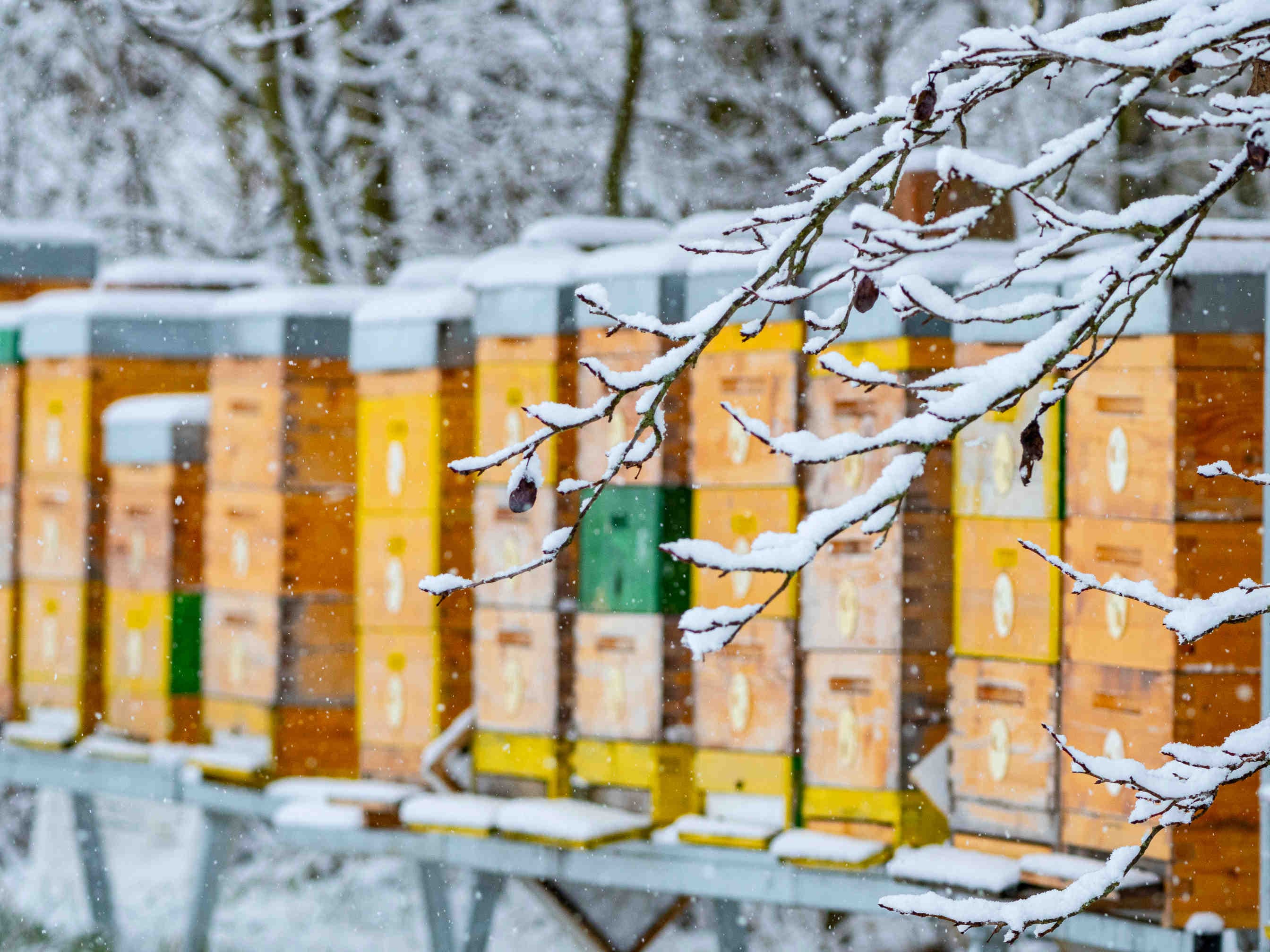
    In areas where abundant snowfalls occur, it is also customary to either close the hive openings with the snow itself or to scatter straw or similar material on the ground. The first case is common where snowfalls do not last long and where the snow itself melts quickly. The second, on the other hand, is seen in areas where the snow persists for a long time. These procedures are all aimed at preserving the bees as they go out to perform their purification flights. In fact, the bee, by settling on the snow, melts it and risks being trapped in it with no way out.

    Snow problem?

    Stock control

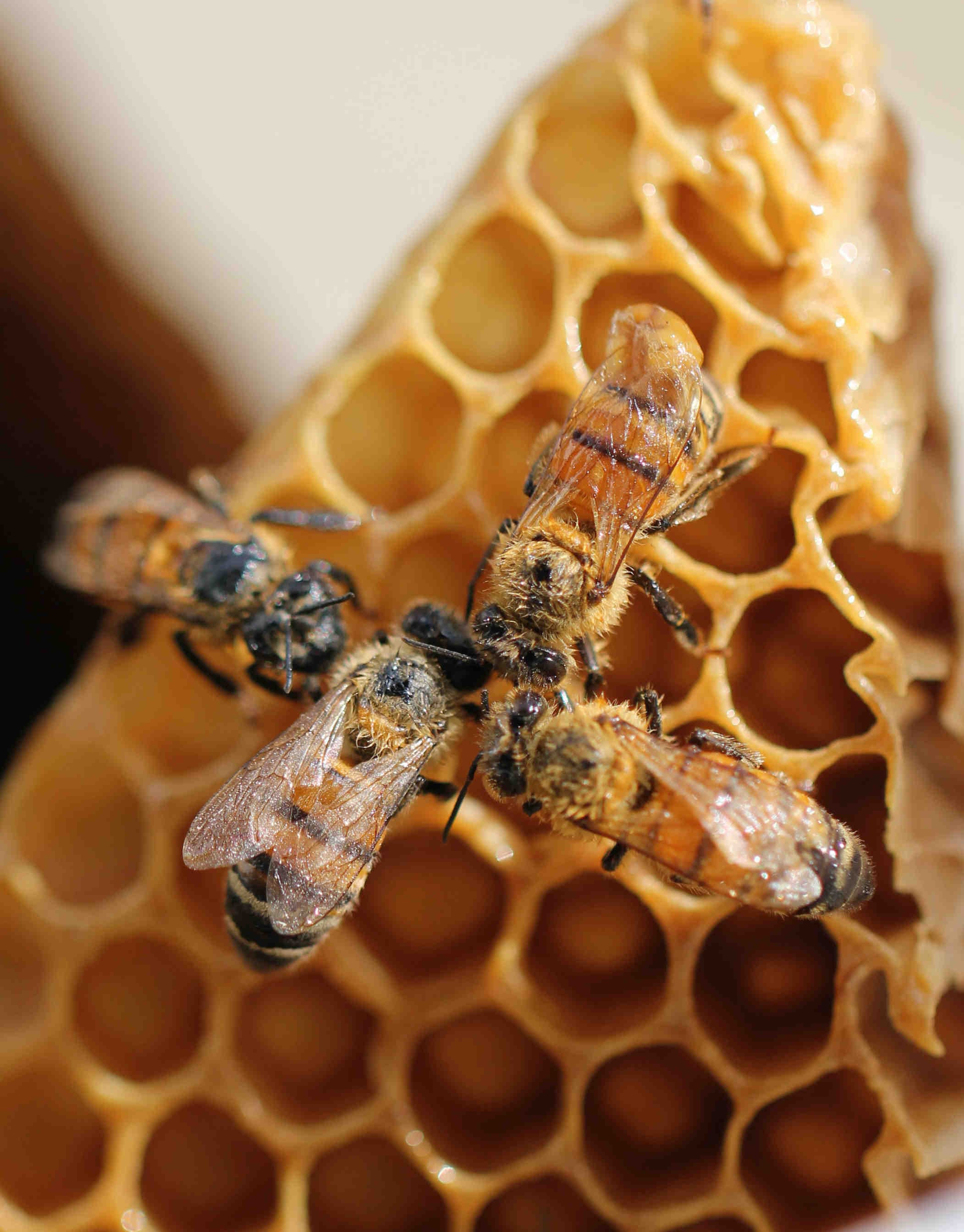
    Fundamental at this time of year is stock control. A wintering family must have enough stocks to survive until spring, so care must be taken that those in the hive are not all consumed immediately. For this reason, it may be useful to proceed with the administration of non-stimulant syrup when the queen is still laying and when temperatures still permit, and then switch to candy to give the bees more protein support. It is also often recommended to eliminate honeydew, as it is not suitable for winter feeding.
    Stock control

    Control your bees with remote monitoring

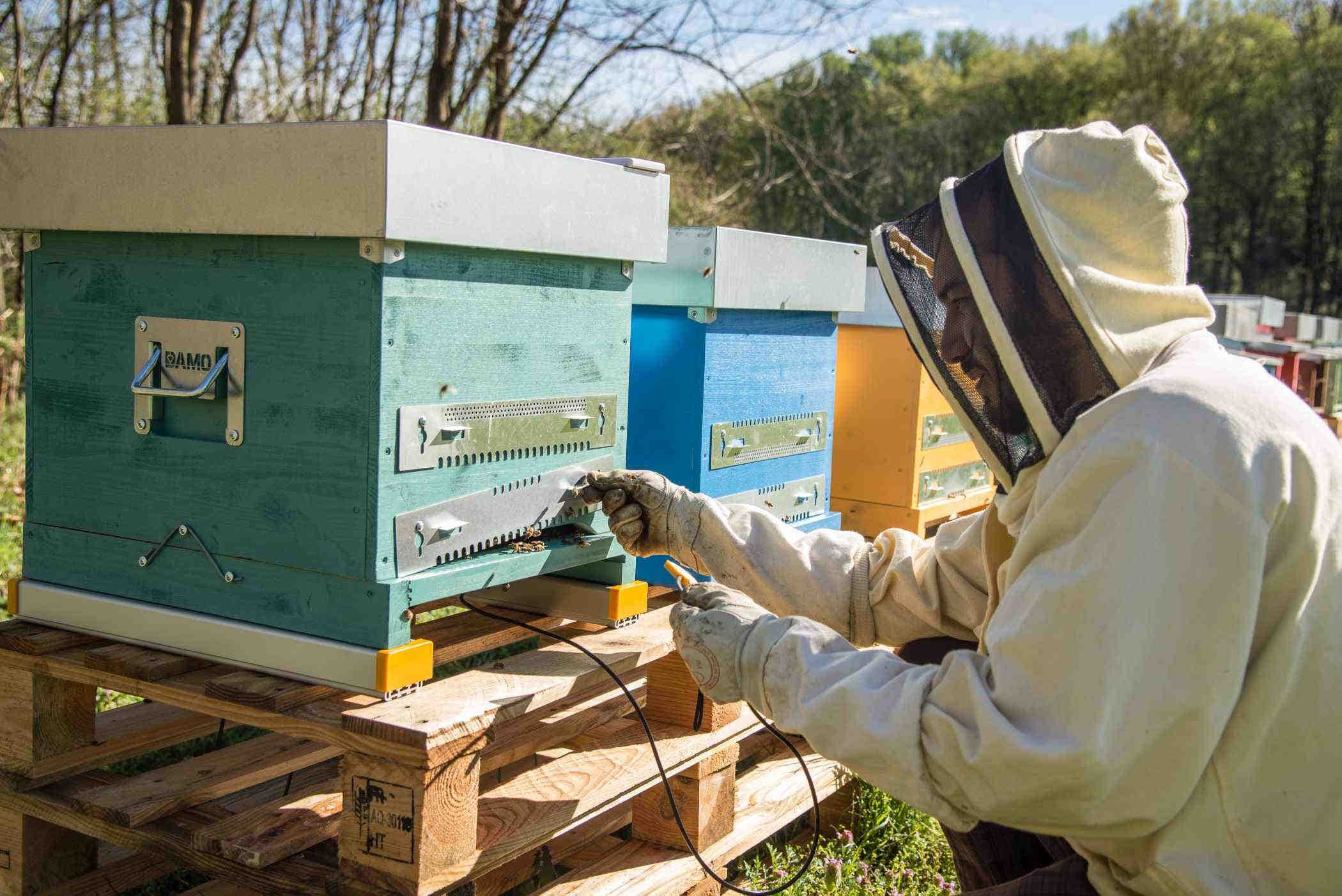
    Once the family has been winterized, visits to the apiary are reduced to a minimum and the family no longer needs to be disturbed. In order to find out if the colony is still alive or if it has sufficient stocks, it is necessary to go into the field and check the condition of the family from the outside. These procedures may not be enough, which is why using remote monitoring systems can be decisive. Using 3Bee systems, you can check directly from your phone if the family is still alive or if it needs to be fed. This gives you more accurate readings and you always know when and how you need to intervene. Thanks to our new platform and free web app, consulting data and graphs on your hive is even easier. Discover all the features of the systemsi 3Bee!

    Control your bees with remote monitoring
    07/06/2022Of 3Bee, Elena Fraccaro
    1849 Views
    Newsletter
    newsletter
    Subscribe to the Blog about bees and biodiversity