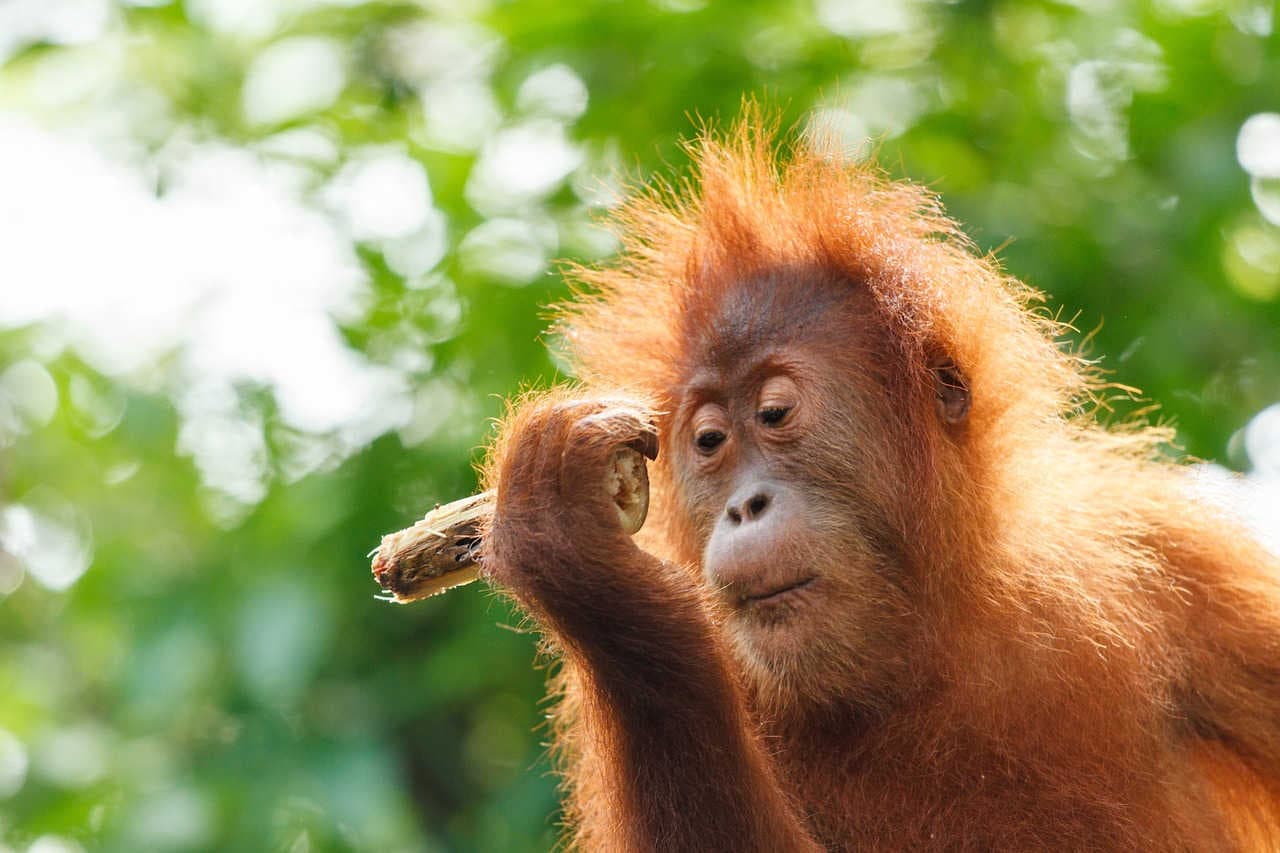
An orangutan used a plant to treat a wound
    Self-medicationHistoryThe 5 habitsImportant

    An orangutan used a plant to treat a wound

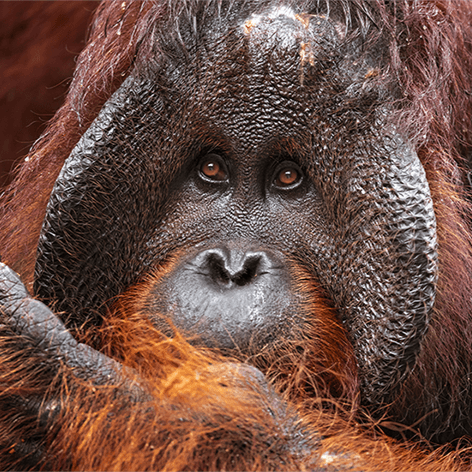
    Just like us, animals injure themselves and many of them have learnt to heal themselves. A prime example is Rakus, an adult male orangutan who was observed applying chewed leaves of a plant commonly known as Akar Kuning to a wound on his face.

    Read the article

    29/06/2024Of 3Bee, Alessia Mircoli
    374 Views
    29/06/2024Of 3Bee, Alessia Mircoli
    374 Views

    Self-medication

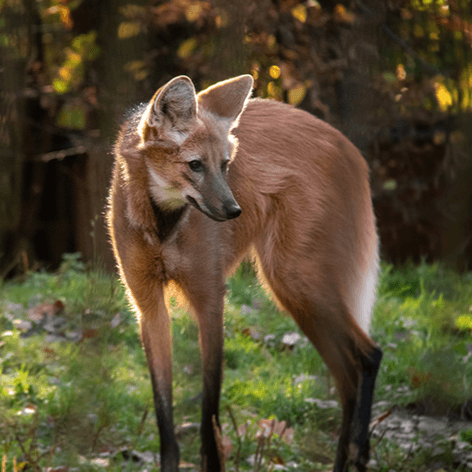
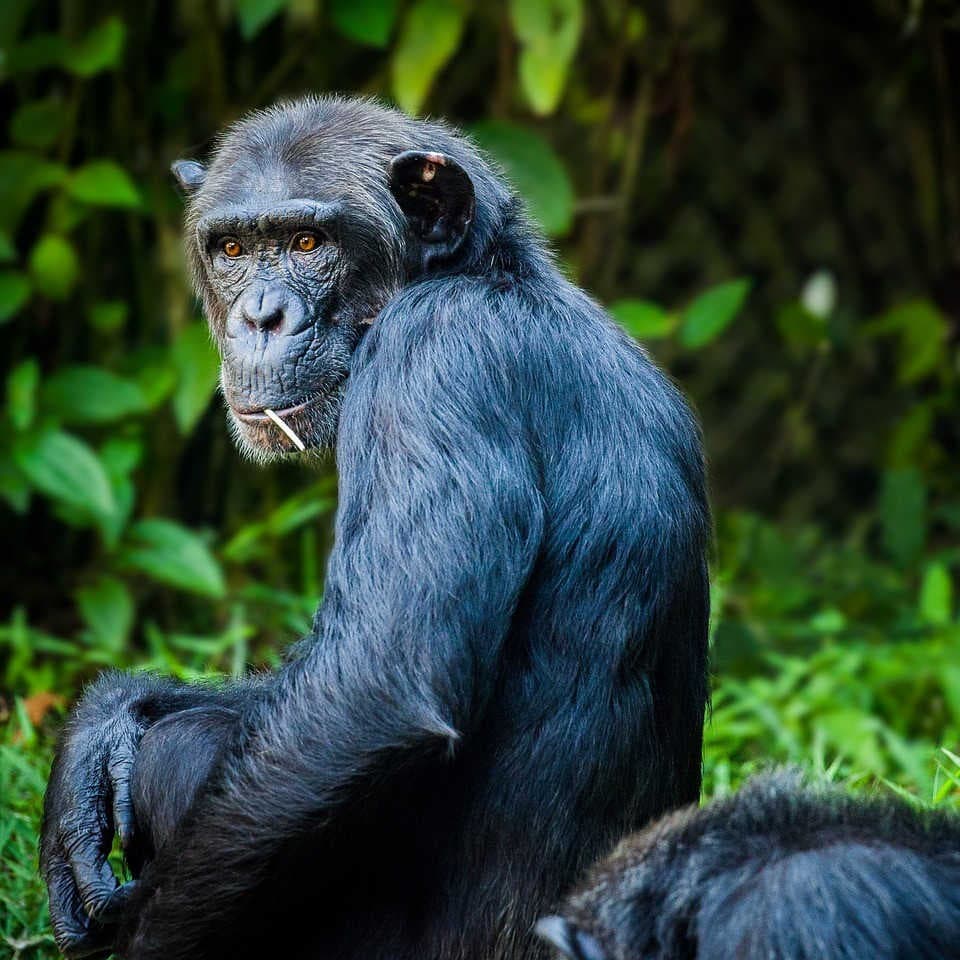
    Self-medication is nothing new in the animal kingdom. The bees, when attacked by the Ascosphaera apis fungus, begin to collect resin from plants, the famous propolis, and use it as a sanitising agent in the hive. The Chrysocyon brachyurus (Chrysocyon brachyurus), in order to prevent the infestation of dangerous renal ascarid parasites, introduces the poisonous fruit of the Lobeira (Solanum lycocarpum) into their diet. Dogs and cats, on the other hand, eat grass to trap any parasites in their intestines and expel them with faeces, or to reject a harmful food by vomiting. However, the case of the orang-utan Rakus is extraordinary because it shows active treatment of wounds, a behaviour also previously observed in chimpanzees, which even use insects to treat their own and their conspecifics' wounds.

    croscione

    The history of self-medication

    In the early 1960s, the presence of whole leaves in the faeces of chimpanzees (Pan troglodytes) was first described at the Gombe stream in Tanzania. In the late 1990s, this particular behaviour of ingesting leaves not for food but for curative purposes, was documented at several study sites of African great apes and shown to have therapeutic and antiparasitic functions. Since then, various health maintenance and self-medication behaviours have been observed in wild great apes: five distinct habits can currently be distinguished.

    scimpanzè
    XNatura

    The 5 habits for staying healthy and self-medicating

    Health preservation and self-medication can be divided into five behaviours: - sick behaviour, i.e. lethargy, depression, anorexia, poor cleanliness, etc; - avoidance behaviour to reduce the potential transmissibility of diseases, such as avoiding contaminated faeces, food or water; - prophylaxis behaviours, such as consuming foods with preventive or health maintenance effects; - therapeutic behaviour, defined by the ingestion of a small amount of biologically active or toxic substances with no or little nutritional value for the curative treatment of a disease or its symptoms; - therapeutic application of pharmacologically active plants on the body for the treatment of external health conditions or the inclusion of such species in the nest as a fumigant or insect repellent.
    cinque

    Why is this discovery important?

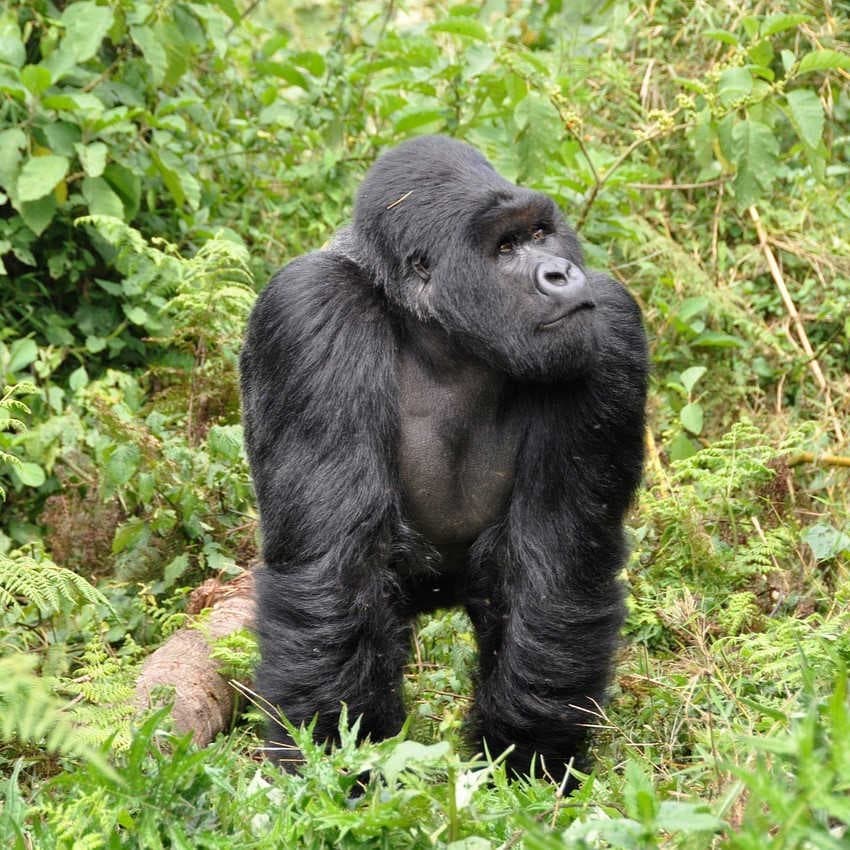
    Self-medication in the form of ingestion of specific plant parts is widespread, although it occurs infrequently. So far, the mastication and swallowing of leaves for this purpose has been reported in chimpanzees (Pan sp), bonobos (Pan paniscus), the gorilla (Gorilla beringei graueri), and in only one species of Asian monkey, the white-handed gibbon (Hylobates lar). This means, therefore, that what has been observed in the Rakus orangutan is the first documented case in which the application of healing chewed leaves to an open wound occurs. Let us, therefore, try to understand the dynamics of this phenomenon.

    gorilla
    XNatura

    The discovery

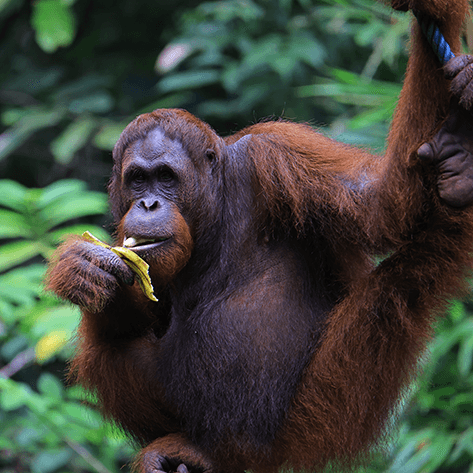
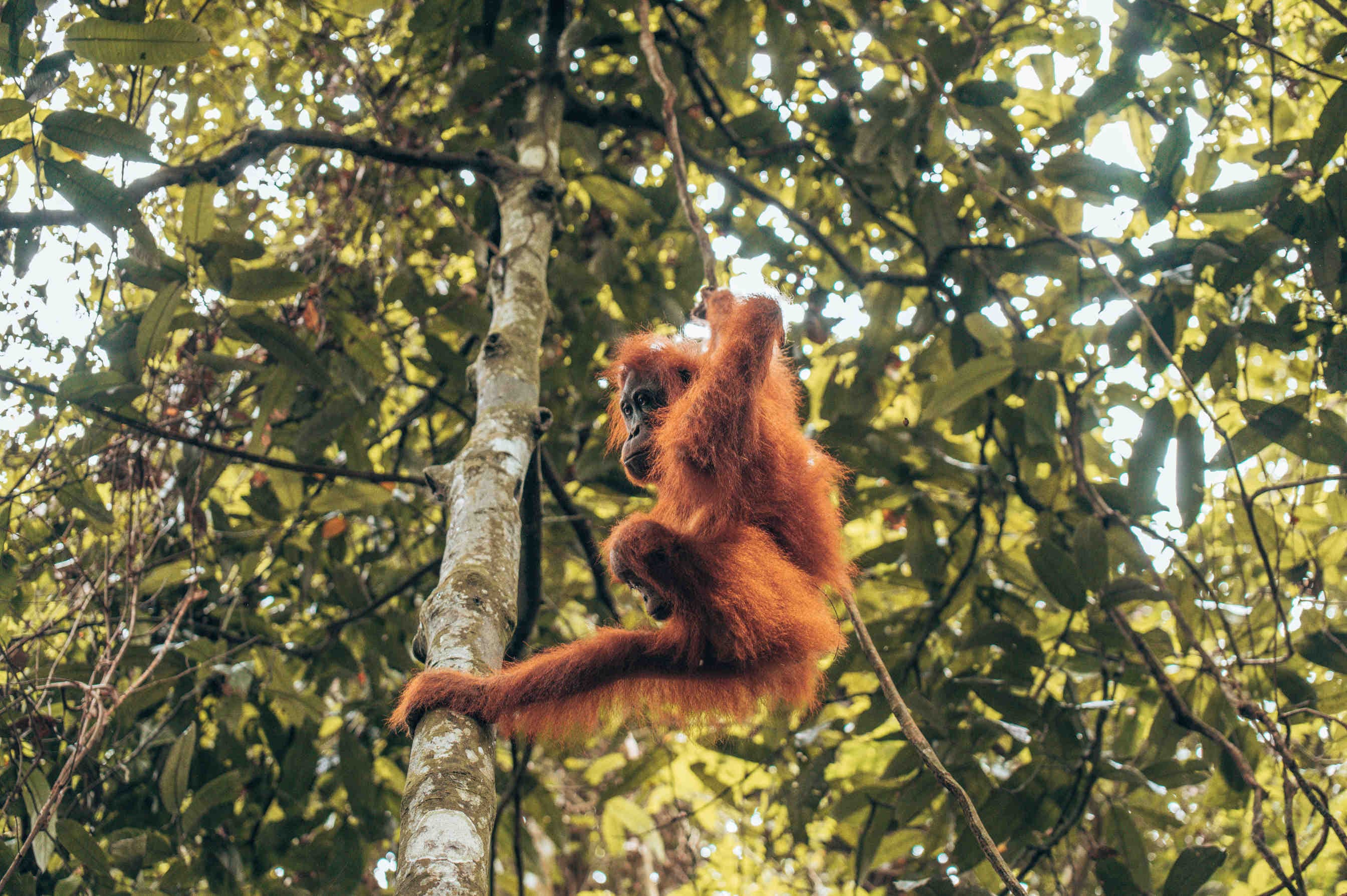
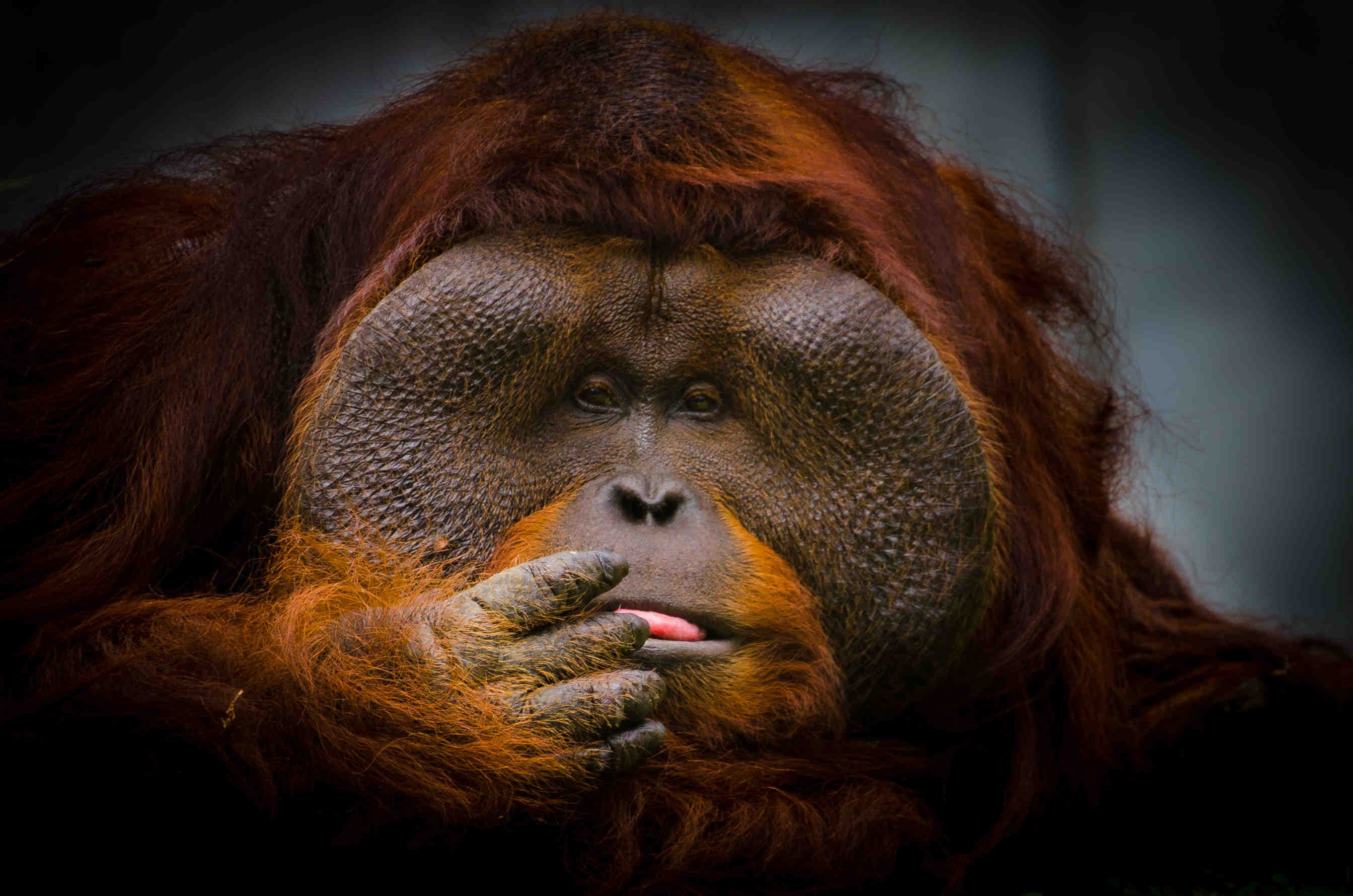
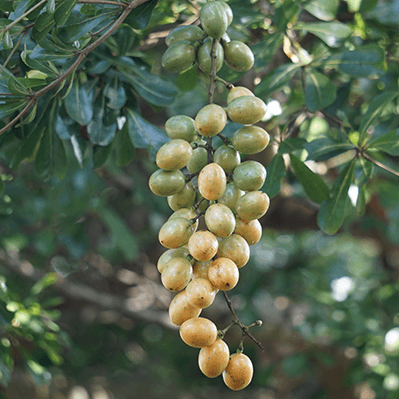
    Rakus is one of 150 individuals in the Suaq Balimbing area of Sumatra, and had suffered a wound to the face, probably sustained during a confrontation with a rival. A few days later, researchers observing the group of orangutans on a daily basis made a startling discovery: Rakus was seen carefully seeking out and picking leaves from a liana called Fibraurea tinctoria, chewing them and then applying the resulting paste to the injured area for several minutes. This behaviour suggests a hitherto unheard of form of self-medication among orangutans and may represent a much more widespread practice than previously thought.

    orango
    3Bee

    Why are we sure he was medicating?

    The plant in question, Fibraurea tinctoria also known as Akar Kuning, is also used in traditional medicine precisely because it contains certain molecules, such as furanoditerpenoids, which have antipyretic and antibacterial effects. Therefore, according to the researchers, Rakus' behaviour confirms for the first time the conscious and efficient use of a medical self-treatment. In addition, it must be pointed out that we are talking about a very precise operation requiring several minutes for preparation and application, which is repeated several times even in the following days. All the more reason why this could not have been a random action.
    orango

    The extraordinarily fast recovery of Rakus

    The ethologists observed Rakus apply the healing paste for the first time on 25 June 2022. Much to their surprise, they noticed that already on 30 June, just five days later, the wound had faded and on 25 August it was barely visible. This shows how the healing properties of Fibraurea tinctoria are not only very effective, but also extremely fast. However, it remains to be discovered how Rakus learned about the beneficial effect of the leaves of this plant. According to the researchers, it is likely that one individual in the group had previously noticed the pain-relieving effect of the leaves, and the other members, by imitation, learned of it.
    pianta

    It may have been a chance discovery

    It is possible that the treatment of wounds with Fibraurea tinctoria is due to accidental individual discovery. Individuals may accidentally touch their wounds while feeding on Fibraurea tinctoria and thus unintentionally apply the juice of the plant to their wounds. However, to date, in 21 years and 28,000 hours of observation, no other orangutans in Suaq have ever been observed using Fibraurea tinctoria to treat their wounds. This may be due to the fact that wounded orangutans are rarely encountered here. Due to the large availability of food, the high social tolerance among orangutans and the relatively stable social hierarchies (each area is usually inhabited by a dominant male and several females), there are few physical confrontations.

    punto di domanda

    Possible external origins of treatment

    There is also the possibility that the treatment of wounds with Fibraurea tinctoria has never been observed until now in the orang-utan populations of Suaq for one reason: Rakus did not always live in the Suag community, but was born elsewhere and later arrived in this area. Since orangutan males move and disperse from their natal areas both during and after puberty, travelling long distances to settle in new territories or join other communities, any adult male present in an area is not native to that area. Moreover, the mobility of males makes it impossible to trace their origins. Therefore, it is plausible that the behaviour observed in Rakus of self-medication, may derive from its native population and not originate from the Suaq orangutan population.
    orango

    The best is yet to come

    Clearly, there are still many unanswered questions and many hypotheses to be worked on in the future. However, this research clearly highlights how extremely intelligent and adaptable these apes are. Their innovative behaviour and ability to adopt autonomous strategies for wound care provide a striking example of their intelligence. The conclusion of the article emphasises the importance of continuing to study animal behaviour, as this can lead to new discoveries and a greater understanding of the complexity of the natural world. Who knows how many other secrets these beautiful animals hide.

    studio
    29/06/2024Of 3Bee, Alessia Mircoli
    374 Views
    Newsletter
    newsletter
    Subscribe to the Blog about bees and biodiversity

    Frequently Asked Questions

    Do you have any doubts or other curiosities about this article? Here you will find some insights