The <clr>Beaning</clr> In Beekeeping
    When?ExtractionNei vasetti

    The Beaning In Beekeeping

    Among the stages of honey production, a fundamental step is honey extraction. We talked about this with Igor Petracco, a beekeeper from Biella, who took us on a tour of his honey extraction laboratory at Biella Miele and told us about the different stages of honey extraction.

    Read the article
    15/07/2021Of 3Bee, Elena Fraccaro
    800 Views
    15/07/2021Of 3Bee, Elena Fraccaro
    800 Views

    When can honey be honeyed?

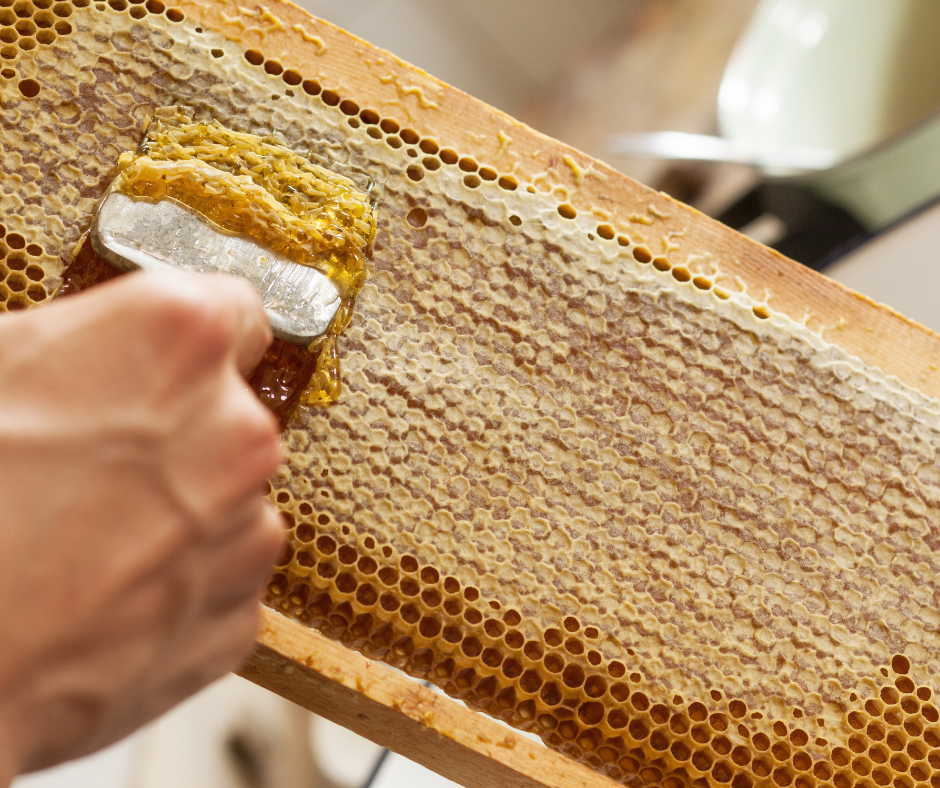
    The first step in honey extraction is to recover the honey. To do this, the beekeeper must ensure that the honey is ready and ripe. The beekeeper knows that it is the right time to take out the honeycomb when he sees that 2 or 3 combs are operculated on both sides. When the bees operculate the cells, in fact, it means that the honey has reached the right degree of 'maturity'. Closely linked to this is the control of the honey's moisture level. A fundamental step is the dehumidification part. Once the honeycombs have been collected, they are placed in a chamber with a dehumidifier. The optimal range is from 17% to 18% humidity. Once he is sure that the humidity level is correct, the beekeeper proceeds with uncapping, i.e. removing the wax that seals the cells containing the honey. There are two methods to remove the wax from the frames: with a fork, or with automatic machines.

    When can honey be honeyed?

    Honey extraction

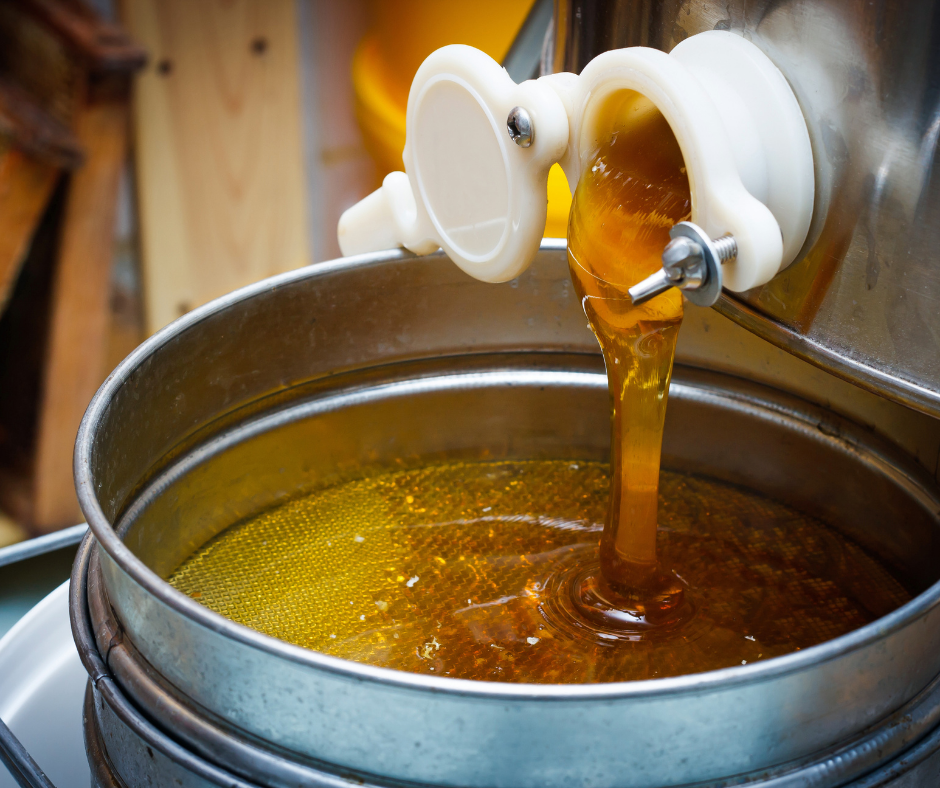
    Once the frame has been uncapped, one must proceed with the honey extraction. To extract the honey, centrifuges are used, i.e. machines where the combs are inserted. Honey comes out of the comb by centrifugal force, i.e. by force of inertia. We should remember that honey is one of the few products that does not undergo any treatment or forced processing. Once all the honey has been extracted from the frames, it is filtered. This operation takes place in two stages. In the first, a mesh sieve is used to filter the honey from the most obvious wax residues. Next, it is passed over a filter made of nylon, which retains the smallest parts of wax. The filtering system serves to eliminate the last wax residue, which would actually float to the surface on its own, as the honey has more weight and the wax would rise to the surface. This, however, guarantees a product without any impurities whatsoever.
    Honey extraction
    XNatura

    Last step: potting

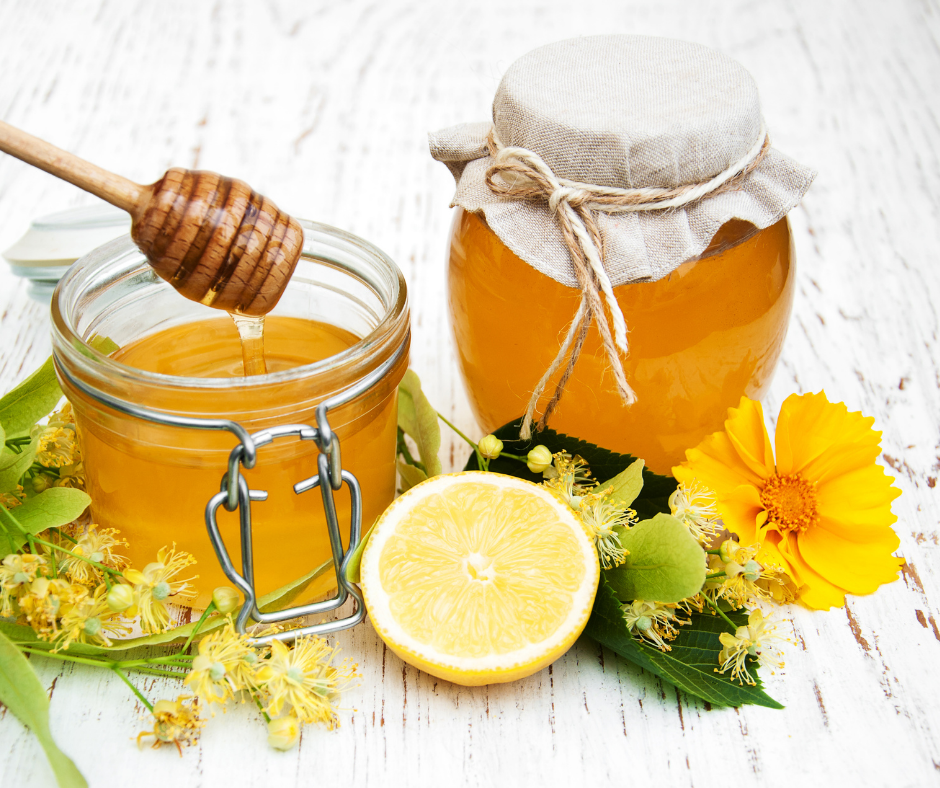
    This stage, where honey is placed in glass jars, can also be done in two ways: manually, by potting each jar by hand, or using a machine, where the jars are placed on a belt and filled one at a time. Before potting the honey, it is kept for about 20 days in maturators or decanters, depending on temperature and humidity. Once potted, the honey is labelled and is thus ready to arrive on our tables! Choose the 3Bee bees and enjoy artisan honey! If you too would like to enjoy the honey of our beekeepers, adopt a 3Bee hive, monitor it remotely and enjoy the honey at the end of the season.

    Last step: potting
    15/07/2021Of 3Bee, Elena Fraccaro
    800 Views
    Newsletter
    newsletter
    Subscribe to the Blog about bees and biodiversity