The honey bee, Africanised and Africanised: 5 things to know
    apeAfricanisedhistoryvarroa

    The honey bee, Africanised and Africanised: 5 things to know

    Do you know the differences between honey bee, african honey bee and africanised honey bee? The Africanised bee is a hybrid between African and European bees and is known for its aggressiveness. Explore its characteristics and main curiosities. Discover in this article the 5 things you absolutely must know.

    Read the article
    23/06/2023Of 3Bee, Elena Fraccaro
    1633 Views
    23/06/2023Of 3Bee, Elena Fraccaro
    1633 Views

    Honey bee, african honey bee and africanised bee: definitions

    Let us start with the definitions:
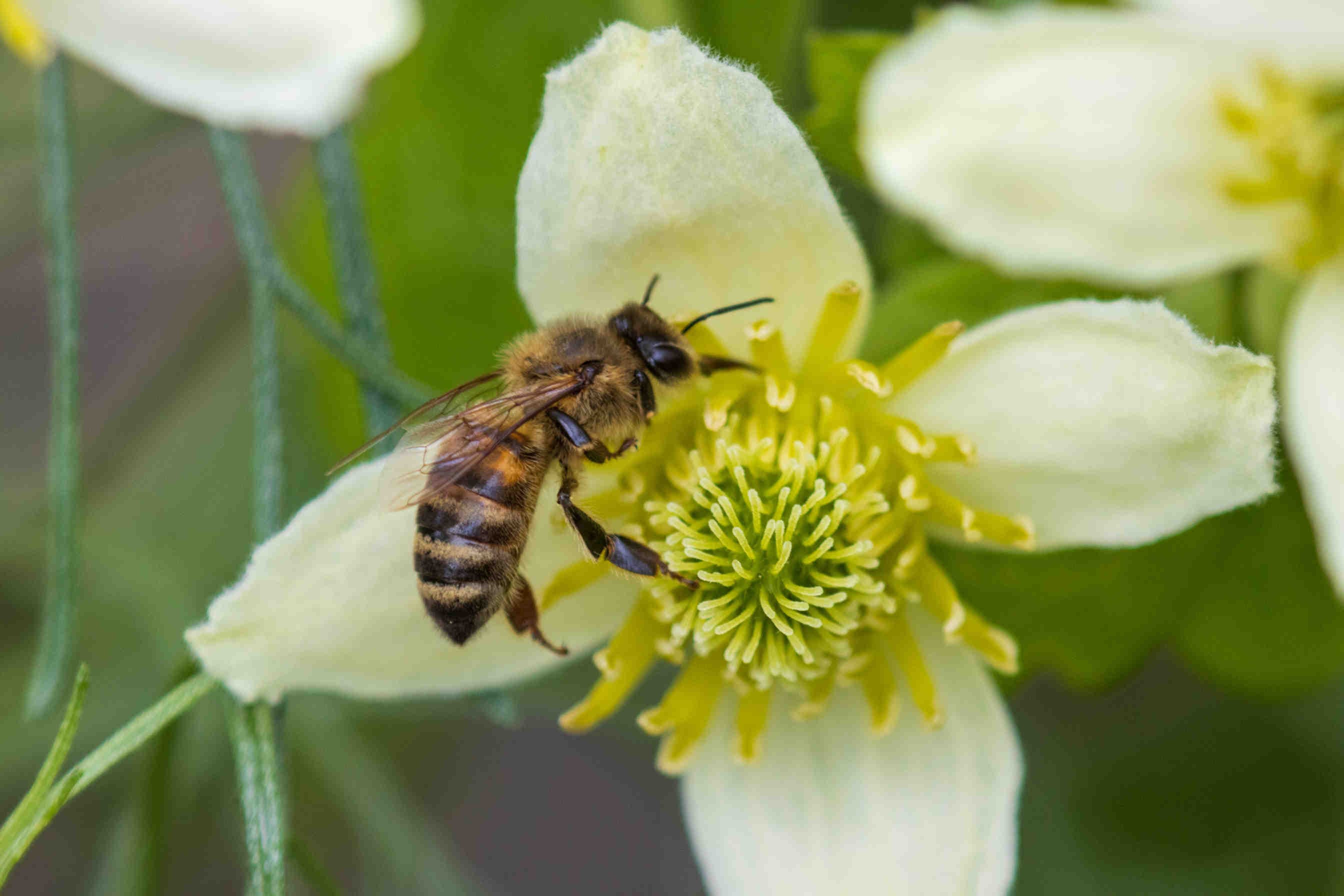
    . - The Apis mellifera is an insect belonging to the order Hymenoptera, superfamily Apoidea, family Apidea and genus Apis, which includes three other species of honey bees: Apis Cerana, Apis Dorsata and Apis Florea. Of these, A. mellifera is the most docile and most productive.
    - The Apis mellifera adansonii, or African bee, is native to west-central Africa, an excellent producer of honey and wax, but extremely aggressive, shearing and particularly prone to pillage.
    - The Africanised bee is a hybrid produced by a crossing between African bees (A. mellifera scutellata) and European bees (A. mellifera ligustica and A. mellifera mellifera). It has gone down in history as the killer bee due to its marked aggressiveness.

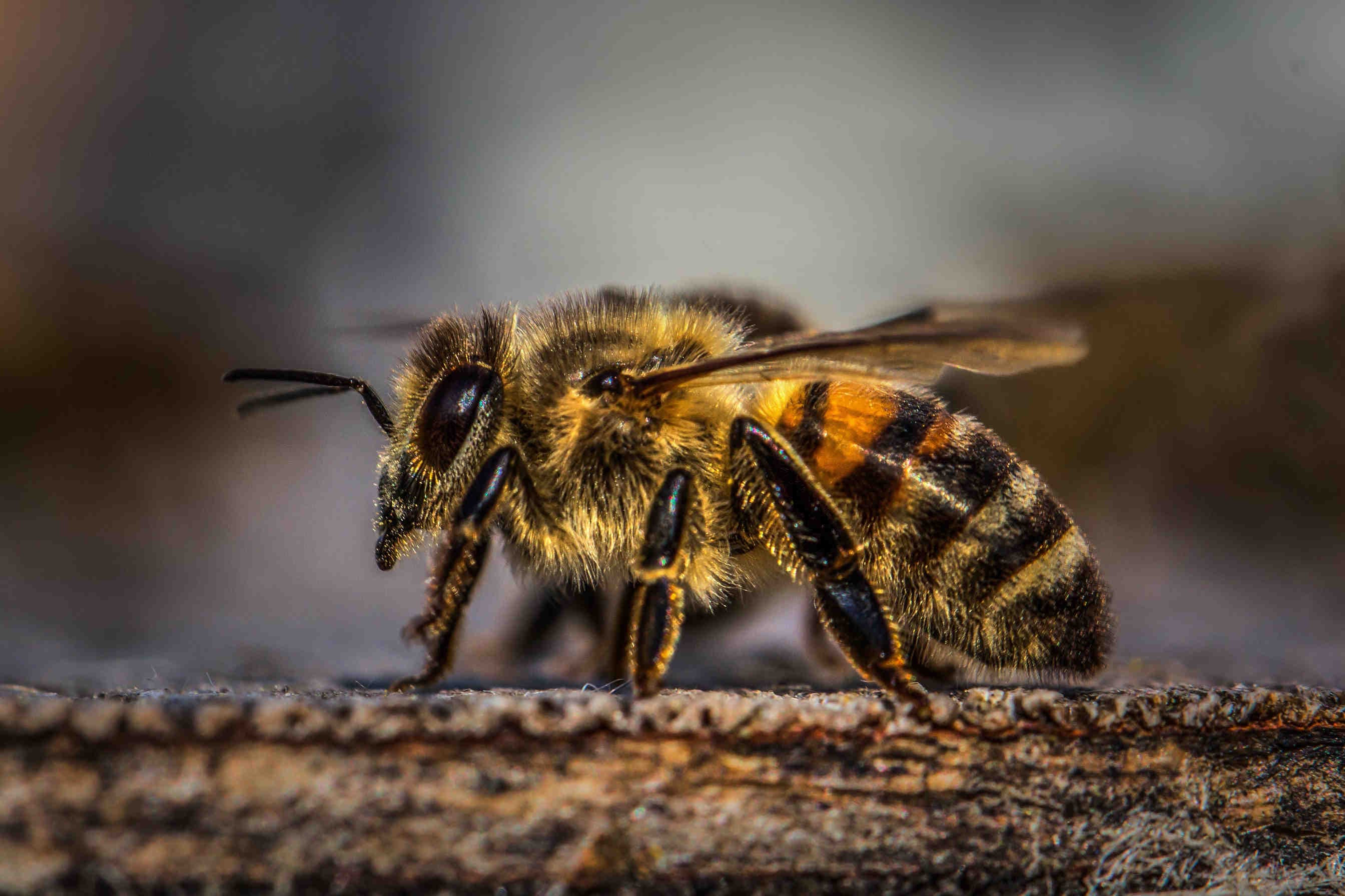
    ape mellifera 3Bee

    The Africanised bee: origins and characteristics

    The Africanised bee is thus an intraspecific hybrid of A. mellifera scutellata with various subspecies of European bees, including A. mellifera ligustica and A. mellifera mellifera. Africanised bees were born in South America in 1957 thanks to biologist Warwick Estevam Kerr, who wanted to produce a breed of bees that would be better adapted to tropical conditions than the European bees found in North and South America. This hybrid however was not very successful due to mishaps during the selection process, retaining many of the negative behavioural characteristics of its African ancestor. In particular, compared to the European bee, the Africanised bee sheds more frequently, tends to migrate to make up for the decrease in food, but above all is much more aggressive, it has a large number of 'guardians' ready for defence, with a larger alarm zone around the hive, who chase threats perceived at very great distances from the hive.

    ape africanizzata 3Bee
    XNatura

    Warwick Estevam Kerr and the story of the Africanised bee

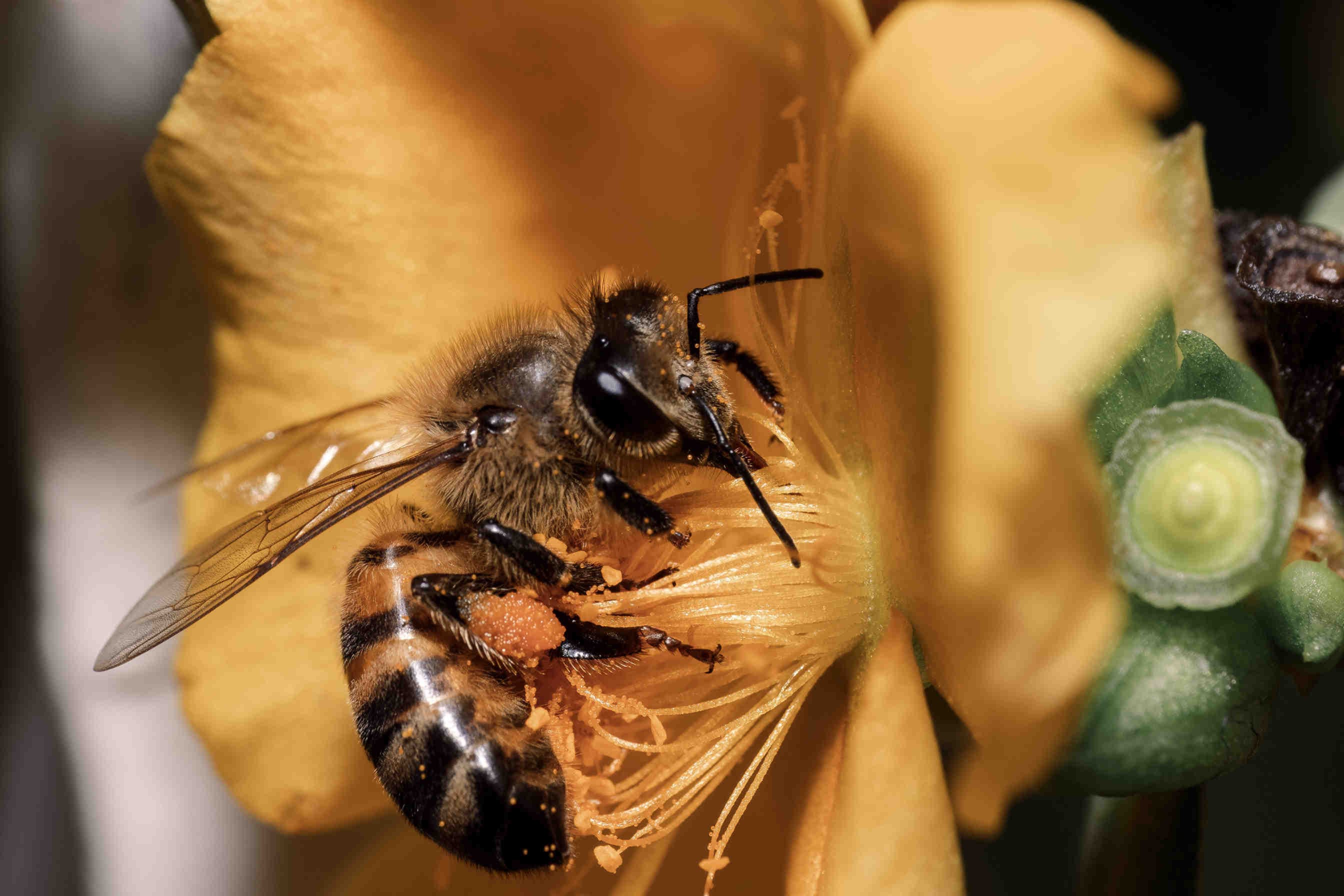
    Kerr became interested in the honey production of African bees after reading some reports in the South African Bee Journal. The reason was that the European bee imported and used by Brazilian beekeepers was not suitable for the typically hot and humid tropical climate. Therefore, it was decided to exploit the genetic adaptation of African bees to that specific climate. In 1957, therefore, these colonies were placed in a eucalyptus forest in São Paulo, Brazil, for further field tests. The hives had a queen excluder, a grid that only allowed the worker bees to leave the nest. In this way, the queen would remain confined and unable to spread her genetics into the environment. However, some local beekeepers decided to remove the grids, which led to the escape of 26 bee families that disappeared into the forest. Since then, the families have spread and reproduced very quickly throughout South America and Central America.
    ape africanizzata storia

    Increased resistance to varroa

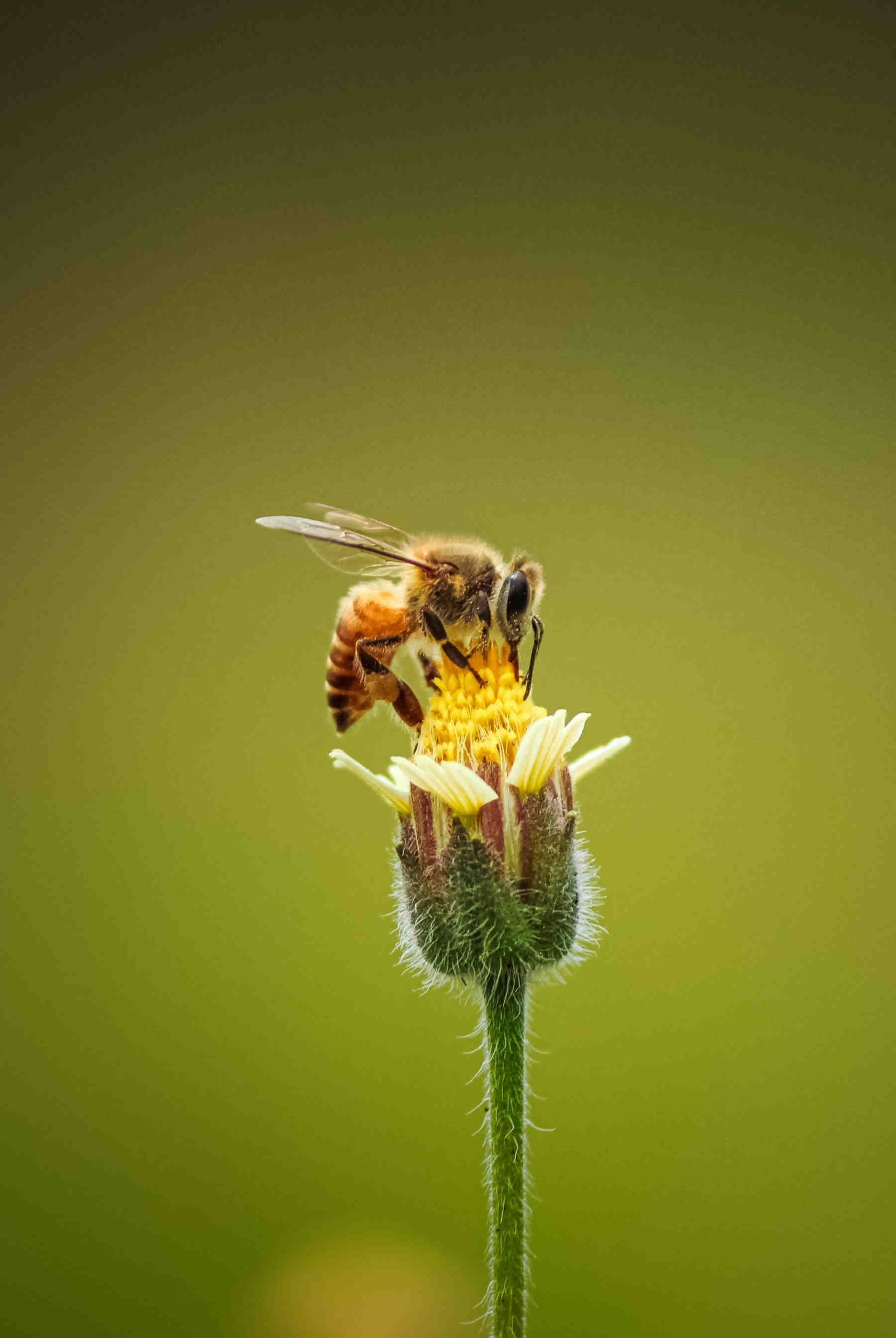
    A scientific research compared the infestation of the Varroa destructor mite in European and Africanised honey bee colonies in different regions of Mexico. The colonies with Africanised genes had a lower mean varroa infestation rate (3.5%) than the European honey bee colonies (4.7%), regardless of the ecological regions examined. This phenomenon was mainly observed in temperate and dry regions compared to humid or tropical regions. The Africanised bee, due to characteristics such as a greater swarming propensity, effective hive hygiene and less susceptibility to mite infestation, demonstrates greater resistance to varroa than the European bee. These peculiarities translate into a lower impact of the Varroa mite in Africanised bees: in the tropical climate, the European bee is at a disadvantage compared to the Africanised bee, which proves to be the dominant breed with lower infestation rates.
    ape 3Bee varroa
    XNatura

    Curiosity about Africanised bees

    Apparently, in Brazil, the Africanised bees are so ferocious that they occupy the hives of European bees. The queen of the swarm of Africanised bees waits outside and, meanwhile, her workers infiltrate the hive bringing food. However, this is a kind of tactic to locate the queen bee of the other race and kill it, so that the new one can take over and take over the entire hive. In Africa, the honey killer is the natural enemy of the bees and man has not always practised beekeeping, indeed, there was a tendency to kill all the bees in a hive to collect the honey. This meant that only the most aggressive African bee species survived, i.e. those that could neutralise the threat and save their queen. This characteristic aggressiveness has remained almost unchanged in the Africanised bees, despite attempts to tame them by hybridising them with bees of a more docile temperament.

    ape africanizzata 3Bee
    3Bee

    Riccardo's experience: 3Be biodiversity farmer

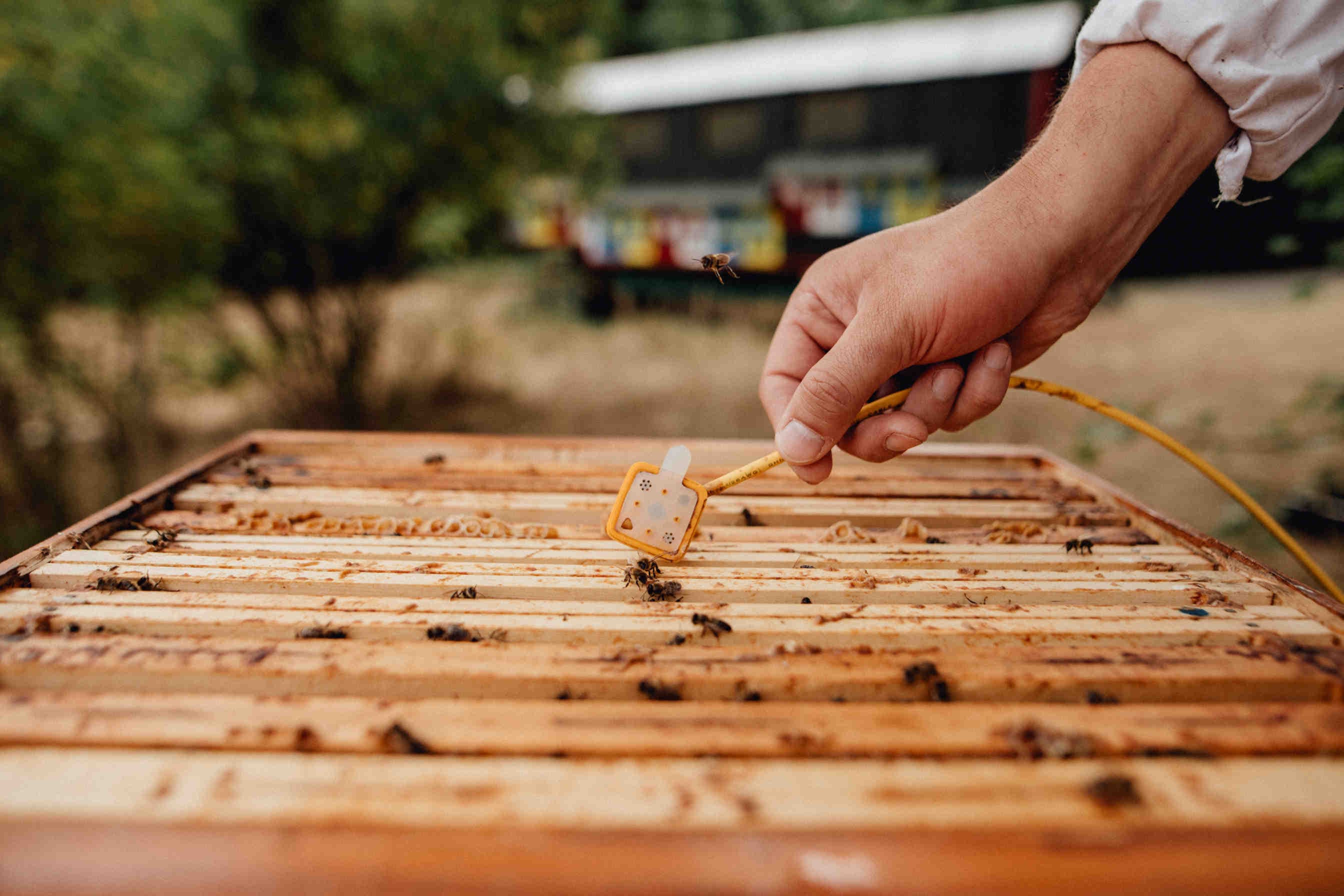
    One of 3Bee's culturists of biodiversity is Riccardo Poli, founder of Apicoltura Dell'Orso, who was contacted by an association in Guinea Bissau about ten years ago. A medical-surgical centre had been built on the outskirts of Bissau, the country's capital, and the health staff had noticed that most of the patients were reporting symptoms of denutrition. The honey and other beehive products could be a useful source of valuable carbohydrates and nutrients, as well as a way to boost the local economy. Since then, Riccardo has regularly travelled to Bissau to train beekeepers. In addition, two hives are equipped with 3Bee Hive-Tech technology, so that Riccardo can always monitor them remotely. Riccardo confirmed that the African bees are not as good as ours, but much more aggressive: our own bees deploy 10 per cent of the swarm to defend the hive. Among African bees, those fighting off intruders make up 80 per cent.

    3Bee Hive-Tech tecnologia
    23/06/2023Of 3Bee, Elena Fraccaro
    1633 Views
    Newsletter
    newsletter
    Subscribe to the Blog about bees and biodiversity

    Frequently Asked Questions

    Do you have any doubts or other curiosities about this article? Here you will find some insights