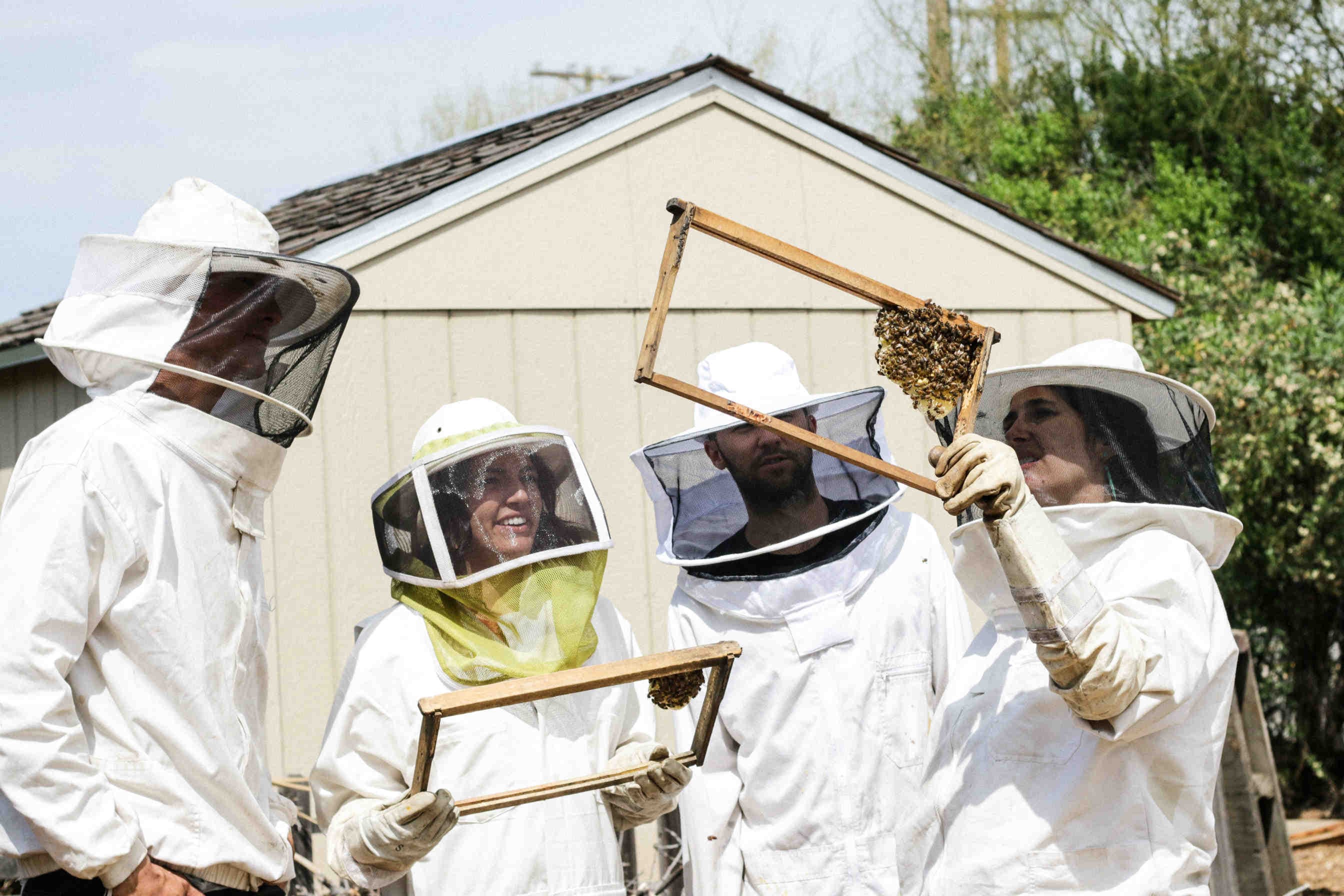
7 Tips for newcomers to beekeeping
    How many hivesTIpologia arniaLocationTools

    7 Tips for newcomers to beekeeping

    The world of bees is fascinating and complex and there are many who have been so 'bewitched' by it that they want to be part of it. In fact, there are many people who have decided to undertake this activity, some out of passion, some out of curiosity and some to make it a real job.

    Read the article
    05/04/2018Of 3Bee, Elena Fraccaro
    1572 Views
    05/04/2018Of 3Bee, Elena Fraccaro
    1572 Views

    1. How many hives are needed for a commercial beekeeping operation?

    There are many beekeepers who started this activity as hobbyists and then decided to make it become a real job. The number of hives one decides to have depends very much on the beekeeper's availability of time and means, as well as his or her experience in the field. Indicatively, however, the threshold above which a beekeeper is no longer considered a hobbyist is 100 hives. This is the number, in fact, with which the beekeeper can cover his expenses and have a personal income.
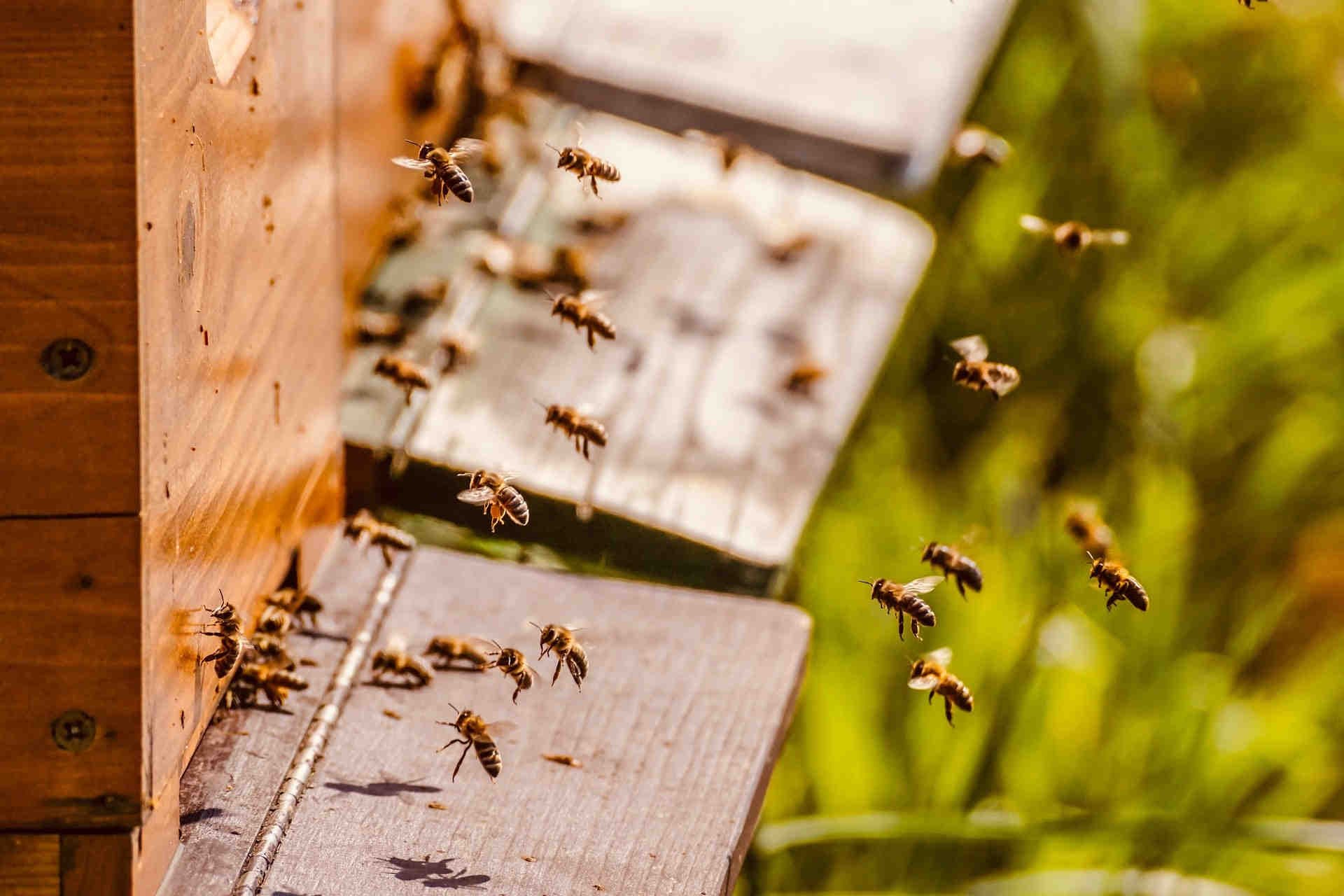
    1. How many hives are needed for a commercial beekeeping operation?

    2. Better the cube or the porch?

    In this case, the question is not so much which one is better, but which one meets our needs. Generally, the cube hive is chosen by those who practice stalitional beekeeping, while the one with the porch is more useful for nomadism. The choice also depends on the distance between the apiaries: if it is small, one can opt for a cube hive even in the case of nomadism. If, on the other hand, it is greater than 30 km, a hive with a porch is preferable in order to favour the ventilation of the hive during movement.
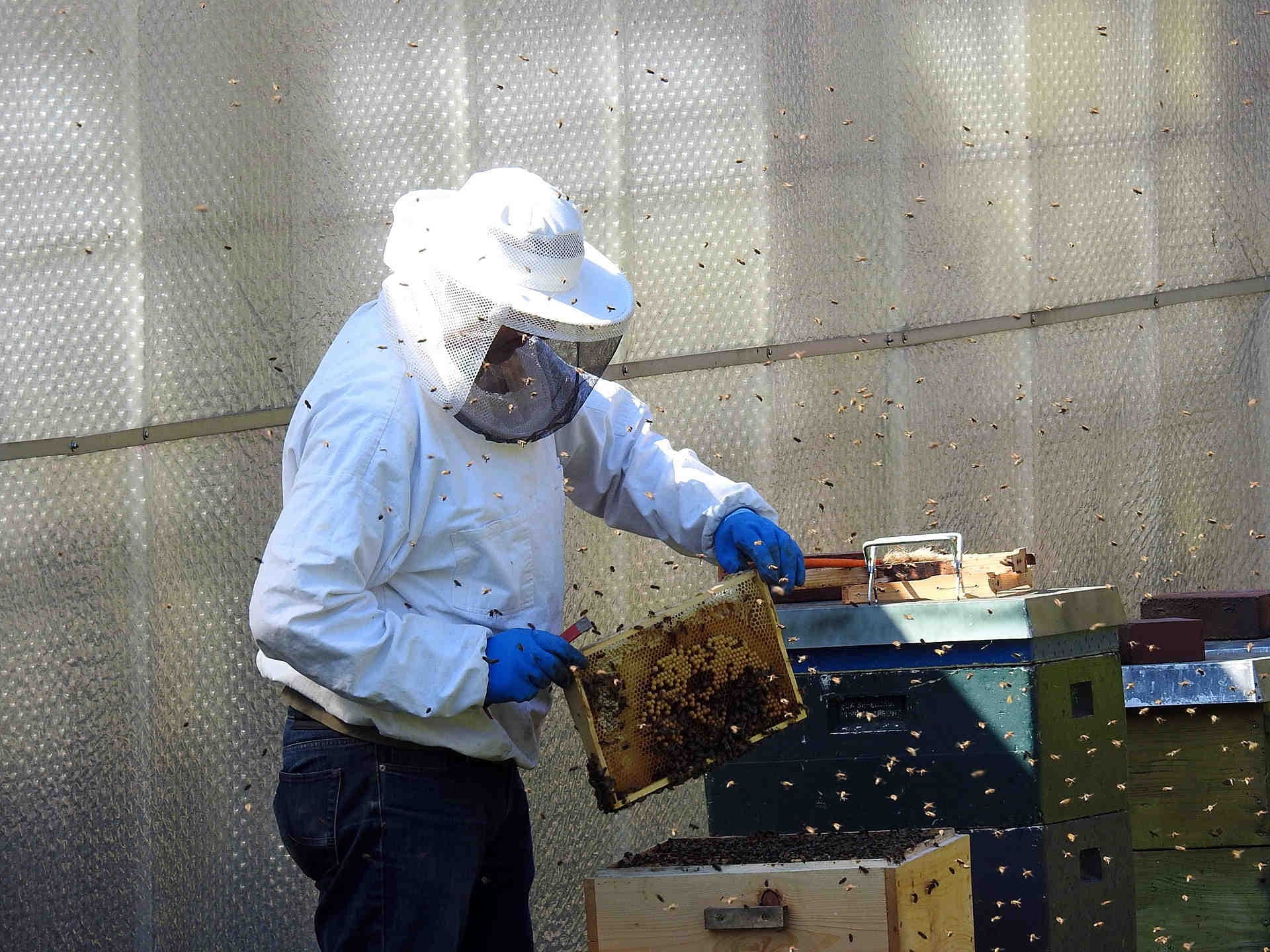
    2. Better the cube or the porch?
    XNatura

    3. How to position the apiary

    There are a few precautions that it is useful to bear in mind when deciding on the positioning of your apiary: prefer a ventilated location so that moisture does not stagnate, preferably choose a shady location during the hottest hours of the day so as to avoid overwork of the bees that need to ventilate and collect water for the colony, opt for a quiet location and possibly with good nectar sources to obtain good harvests, do not place it near streets. If hives are placed in rows, it is important to remember the effect of the forager bee drift. Basically, the bees will be more inclined towards the hives placed at the end of the row, which will therefore be stronger than the others.
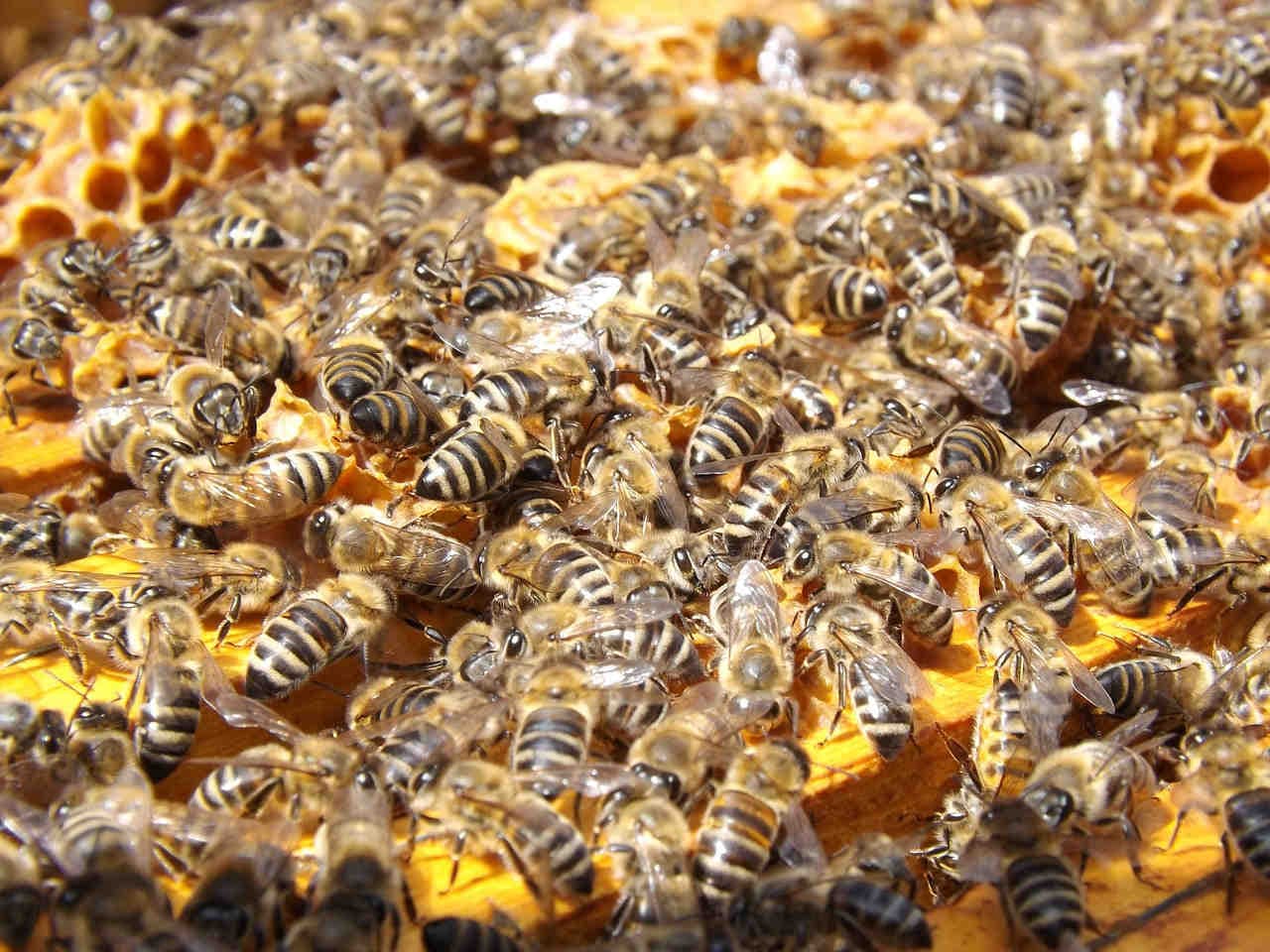
    3. How to position the apiary

    4. Equipment

    Having the right equipment can make all the difference. Especially when one is a beginner, it is very important to choose what best suits our needs and best helps us in our activity. What cannot be lacking in the beekeeper's arsenal is: the appropriate clothing, the smoker, the clamp lifter. The beekeeper's typical clothing consists of a loose-fitting suit (full or not depending on taste and need) with a veil under the hat to protect the face. The smoker is a very useful tool for clearing frames during their handling. With it, smoke is generated that drives the bees away without disturbing or injuring them, allowing the beekeeper to work more easily. The lever is a necessary tool for freeing propolis frames and thus allowing inspection.
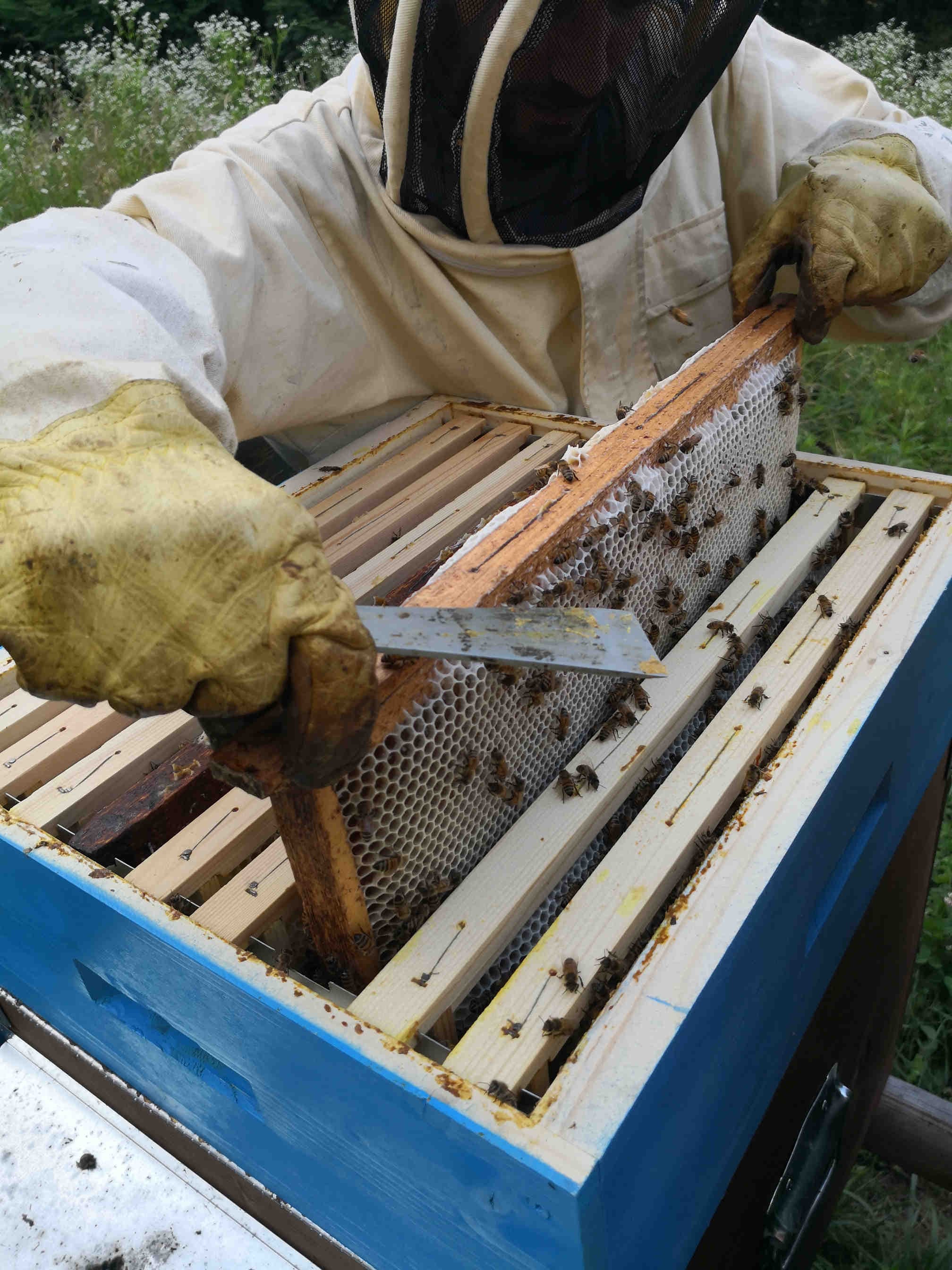
    4. Equipment
    XNatura

    5. Ants: guests to be removed or welcomed?

    Finding hive covers infested with ants and their eggs is certainly not pleasant. Ants, among other things, interfere in the process of assessing the level of Varroa infestation of the hive. The advice is to try to remove them by first shaking the coverlet, taking care to remove the eggs as well. Afterwards, it is a good idea to use natural repellents such as mint, cinnamon, lemon juice and coffee grounds. The important thing is to never use chemical products, which could cause problems for the bees.
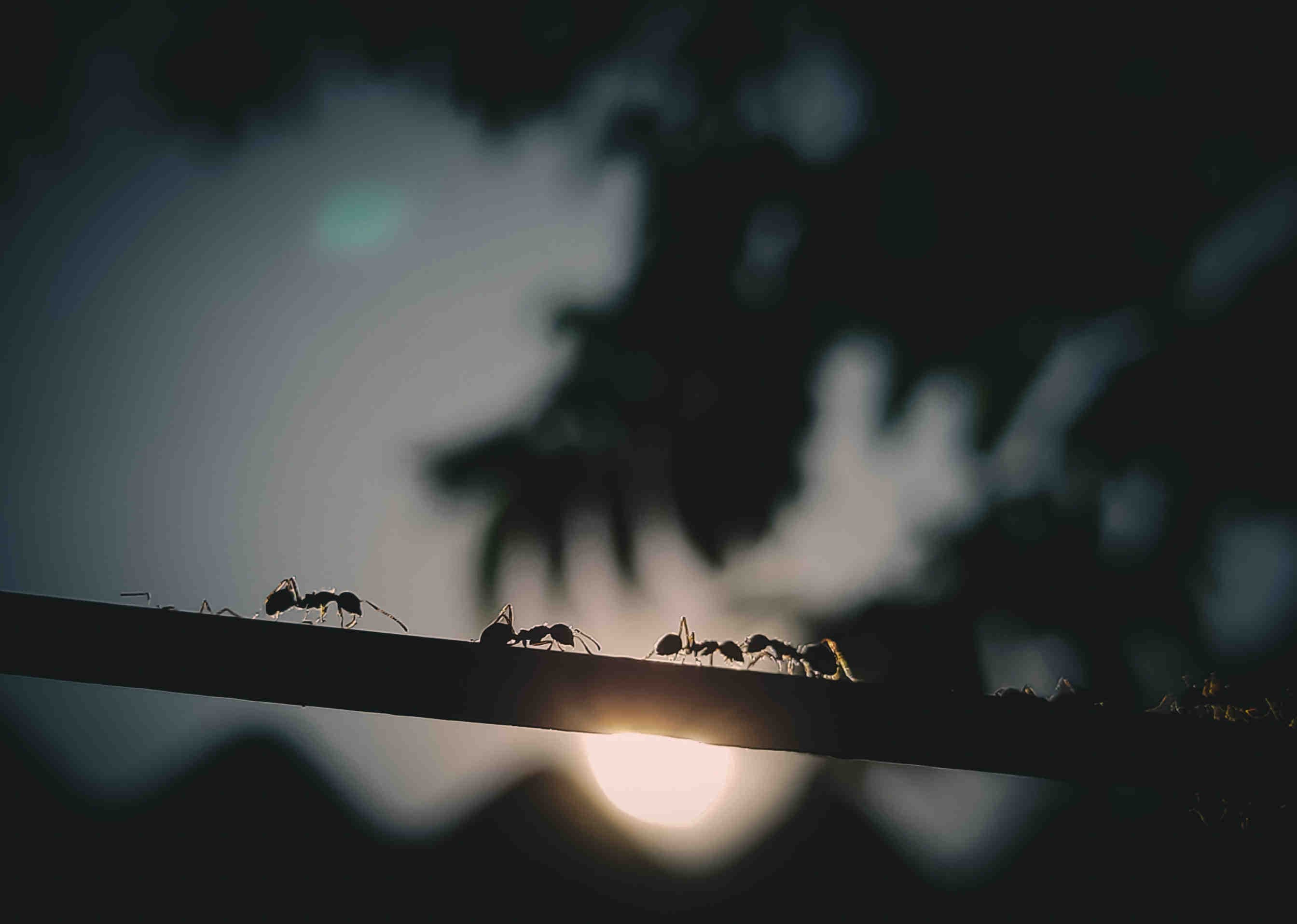
    5. Ants: guests to be removed or welcomed?
    3Bee

    6. How to avoid major bee diseases

    Having healthy and strong bees is the main goal of every beekeeper. Unfortunately, the pathologies that can affect them are many, but there are methods that can help prevent them. Let us give a few examples. Varroasis is a parasitic disease caused by the Varroa destructor mite. Conventionally, it is treated with chemical antiparasitic products. These, however, risk persisting inside the hive and being incorporated into the wax. For this reason, it is advisable to use natural compounds, such as formic and oxalic acid. Another important disease is the American Plague, which is bacterial in nature. Initially, it was treated with antibiotics. These, the use of which is now banned in Europe, only served to slow down the disease and were essentially ineffective. The only way to eradicate the disease and prevent its spread is to destroy the infected family.
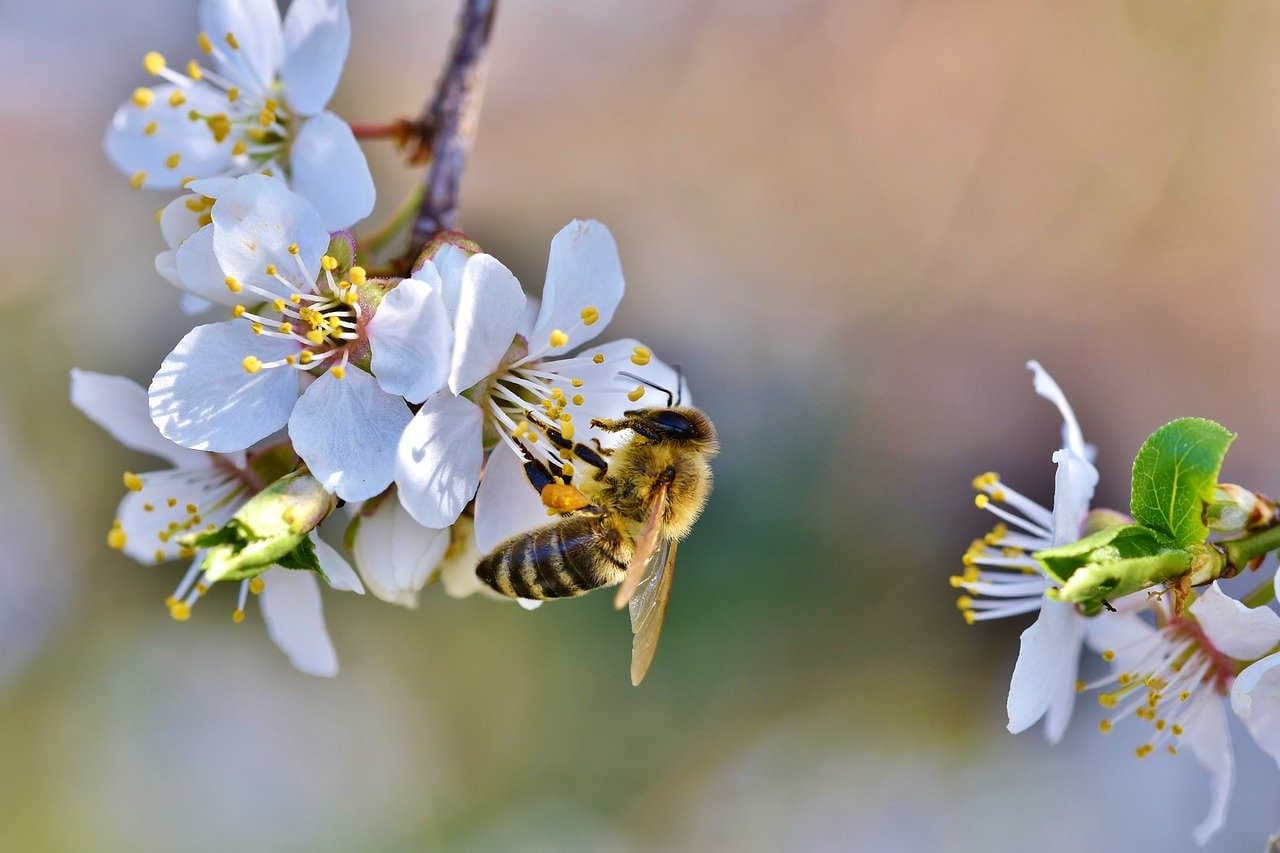
    6. How to avoid major bee diseases

    7. How do you monitor the health of bees?

    Monitoring the health of your bees is of paramount importance. Knowing how your bees are doing allows you to understand what interventions to carry out, but above all when and how. Nowadays, remote monitoring systems have been introduced to allow the beekeeper, even the less experienced one, to always have his bees under control and to better manage his apiary. 3Bee has come up with an innovative remote monitoring system, which allows important vital parameters such as weight, temperature, humidity and sound to be recorded and controlled. Hive-Tech is a lightweight, non-invasive technology that can be adapted to any type of hive. The data recorded by the device's sensors are then sent to the cloud and made available on a customised dashboard. From there, the beekeeper can assess the bees' vital parameters and manage his work, organising inspections and interventions.
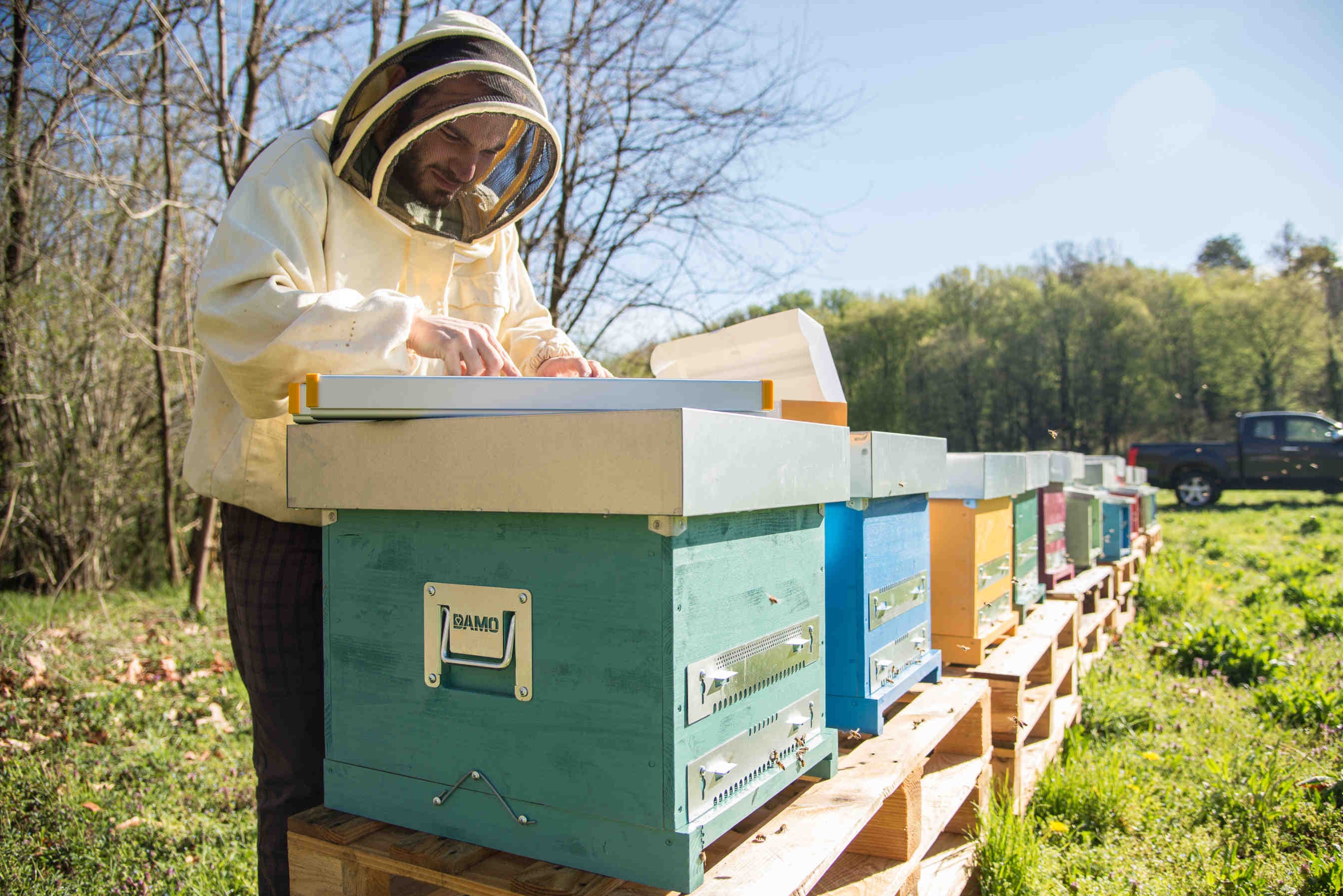
    7. How do you monitor the health of bees?
    05/04/2018Of 3Bee, Elena Fraccaro
    1572 Views
    Newsletter
    newsletter
    Subscribe to the Blog about bees and biodiversity