5 Actions for Biodiversity and the Environment
    Why?BiodiversitySave WaterNo meat!

    5 Actions for Biodiversity and the Environment

    There are actions we can take every day to protect the environment and ecosystems: in this article we tell you 5 actions to preserve biodiversity. Find out how you can contribute on a daily basis!

    Read the article
    01/02/2022Of 3Bee, Elena Fraccaro
    976 Views
    01/02/2022Of 3Bee, Elena Fraccaro
    976 Views

    Why Preserve Biodiversity?

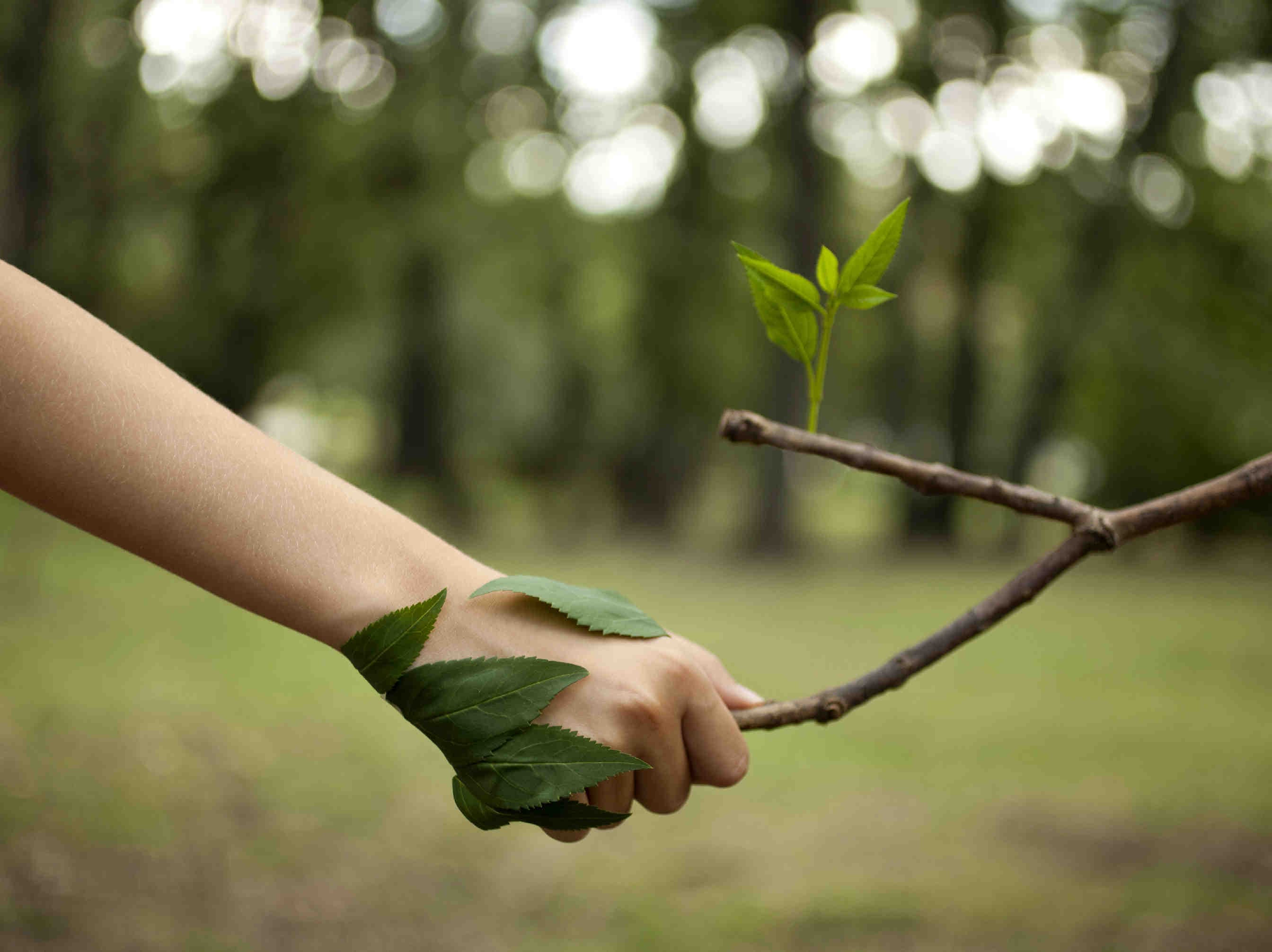
    It therefore becomes clear why preserving biodiversity is crucial. The life of our planet depends on it, but also our own. One of the dangers we are facing is precisely related to the progressive loss of biodiversity due to human activities. These include the reckless use of land, unsustainable extraction of natural resources, pollution and the spread of non-native species. Climate change is also closely linked to the loss of biodiversity and, at the same time, to human activity. Many institutions are taking an interest in these issues in order to find a response and react, including the biodiversity strategy for 2030 adopted by the European Commission.
    Why Preserve Biodiversity?

    Biodiversity and Ecosystems: What are they?

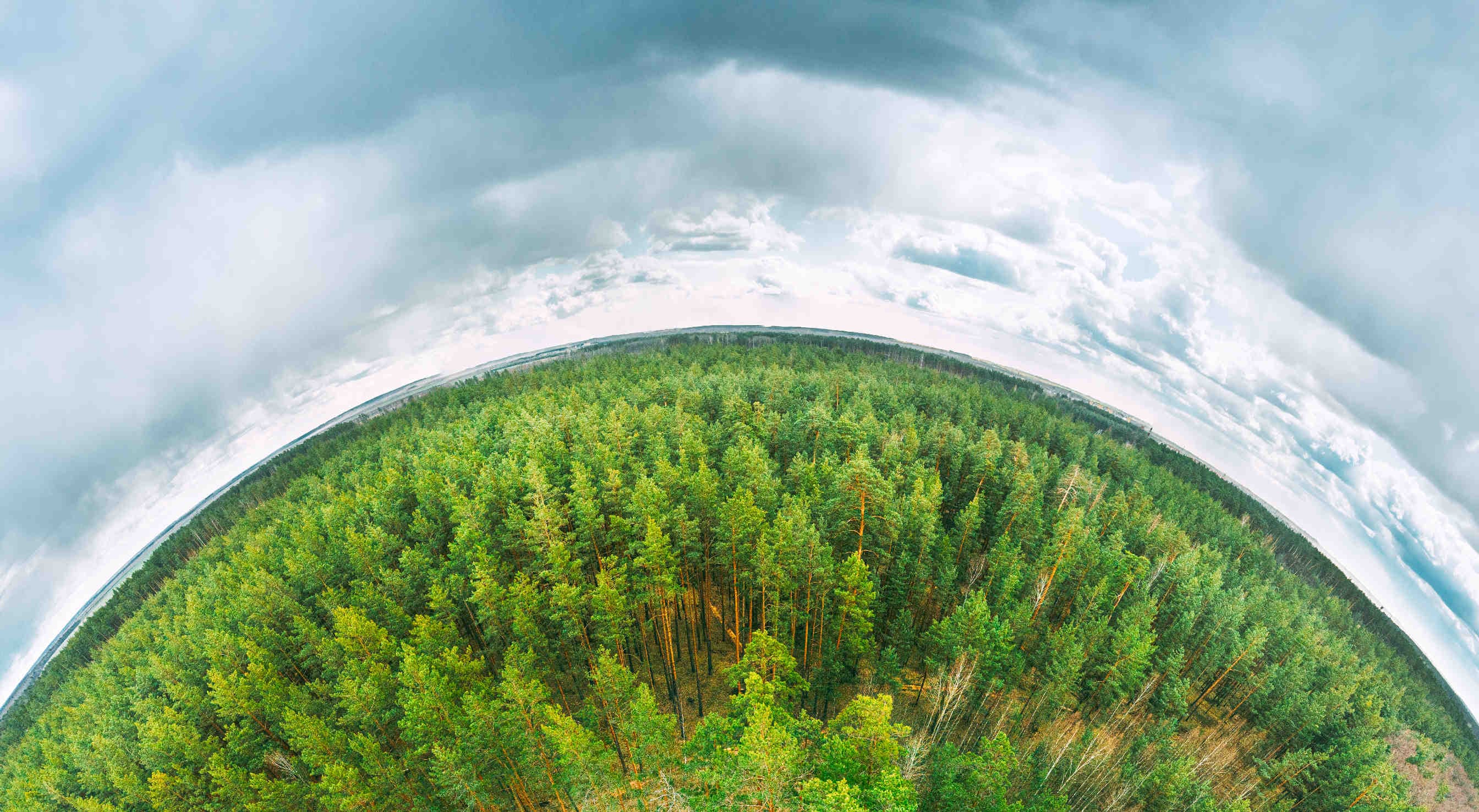
    In order to understand what can be concretely done to preserve biodiversity it is important to understand what we are talking about. When we refer to biodiversity, we mean the variety of living beings on Earth or in a particular environment. Animals, plants and microorganisms interact with each other and in doing so, create perfectly balanced ecosystems. Our existence depends on ecosystems, therefore, on biodiversity. Let us discover together why it is important to preserve it and the concrete actions we can take on a daily basis to contribute to its safeguarding.
    Biodiversity and Ecosystems: What are they?
    XNatura

    Take Care of the Water You Consume

    The water is a precious resource. We often use it thinking that it is and always will be available. Unfortunately, there are already places where access to water is not guaranteed. Limiting the daily waste of water is definitely the first step. Turn off the tap while you brush your teeth and soap up in the shower. Use tap water in preference to bottled water. Avoid using antibacterial soaps. Studies have shown that the chemical compounds they contain can create problems for aquatic ecosystems.

    Take Care of the Water You Consume

    Reduce Meat Consumption

    Eating is an activity that affects each of us on a daily basis. The choice of food we consume could have a big impact on the future of our planet, especially depending on where and by what means it is produced. Meat production, for example, has a strong impact on the environment. Among the most impactful aspects are the use of pesticides, fuel consumption for transport and high water consumption. But that's not all, emissions related to intensive meat production come from the gases generated by animals during the digestive processes and from the storage and spreading of the huge quantities of manure produced, as well as from the production of animal feed, which has a destructive impact on forests and land use change. Reducing one's consumption, therefore, can contribute to less consumption of resources and impoverishment of land and natural habitats.

    Reduce Meat Consumption
    XNatura

    Make Separate Collection

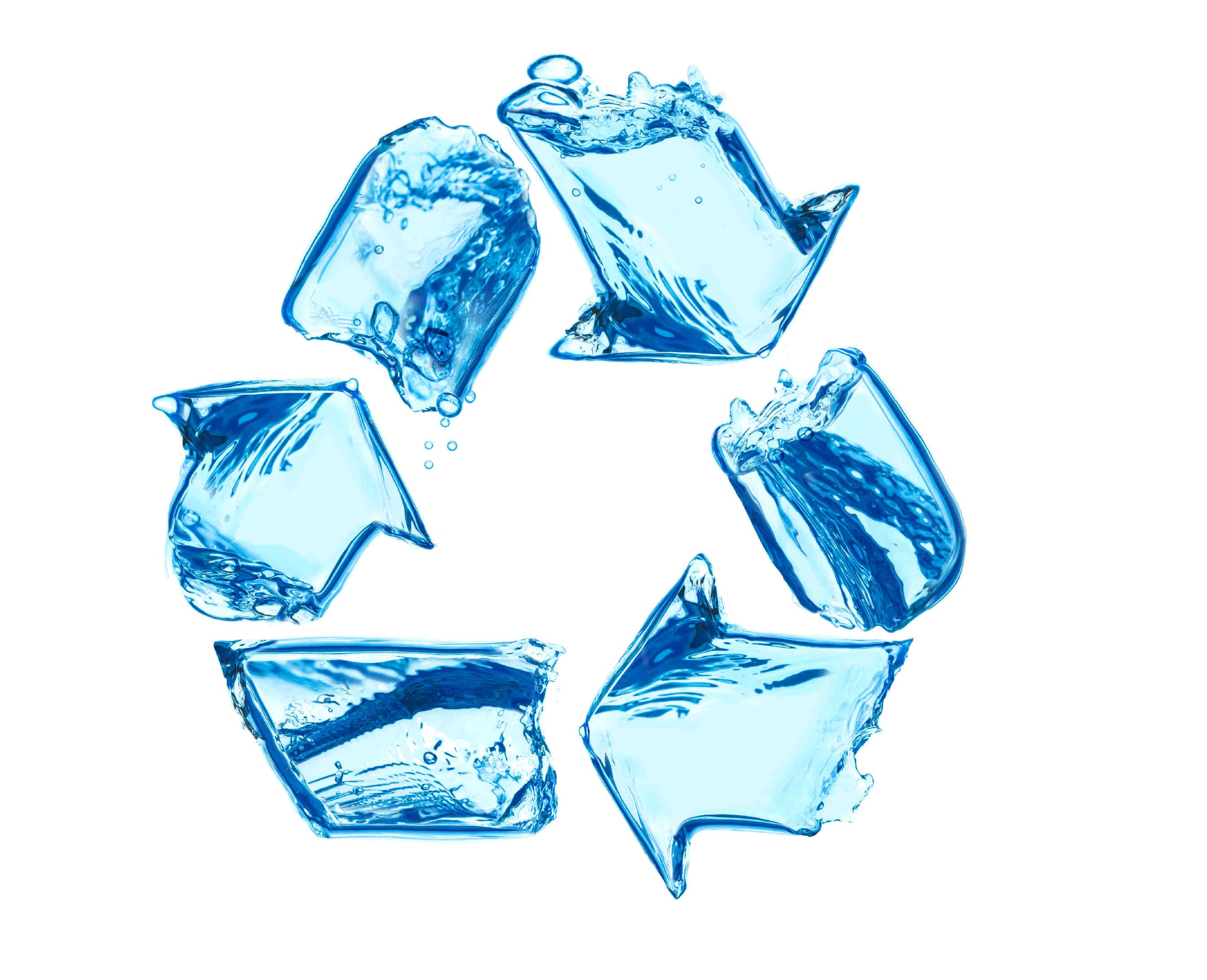
    Material resources are increasingly limited. Recycling, reuse and attention to separate waste collection become good habits that each of us should internalise. In this way, one can also reduce one's carbon footprint. Reducing waste and managing it better has an important positive impact on the environment and ecosystems. It is important to follow your municipality's guidelines to recycle everything properly, but not only that. Attention must also be paid to product packaging. Choosing products in bulk or with sustainable packaging that produces as little waste as possible is a good choice to reduce your impact on the environment. Similarly, reusable products are preferable to disposable products such as water bottles.

    Make Separate Collection
    3Bee

    Support Tree Planting

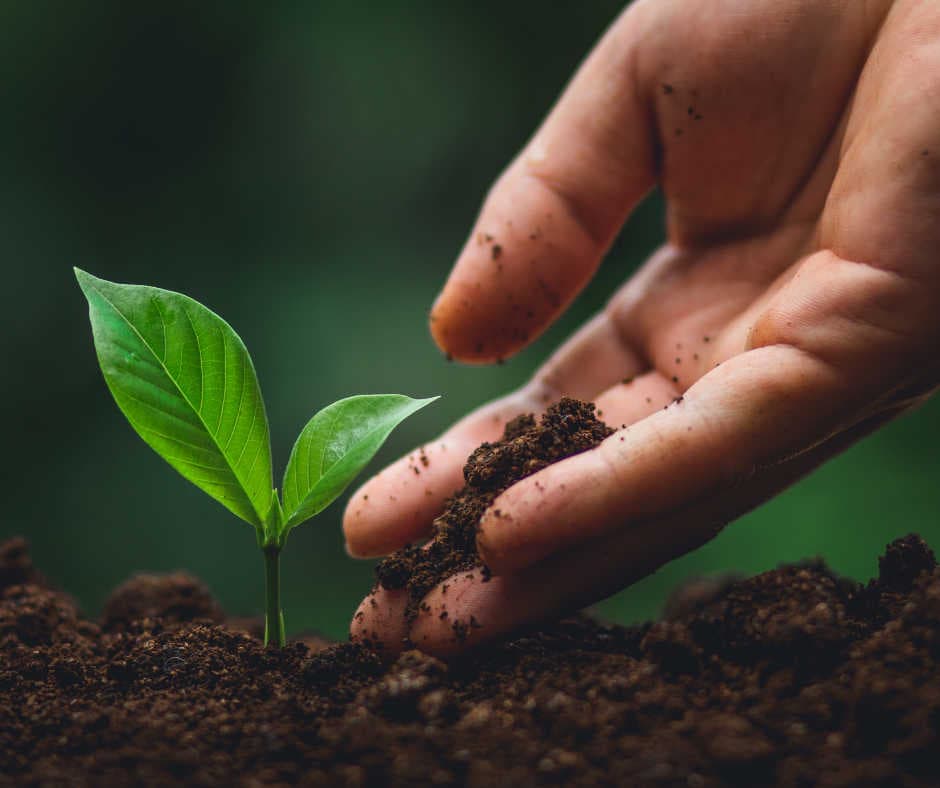
    Forests and oceans are the carbon sinks par excellence. Their role in sequestering carbon dioxide is central to decreasing the greenhouse effect. Speaking of forests and trees, these could absorb one-eighth of the carbon released into the atmosphere annually. The contribution of a single tree might therefore seem to have little impact. However, reforestation and planting are very important. Many initiatives, including private ones, are moving in this direction. With 3Bee you can create your own oasis, contributing to the planting of native trees in selected areas. The importance of these oases does not stop there, however. The choice of plants is made specifically to support the great preservers of biodiversity: pollinators!

    Support Tree Planting

    Support Pollinators: Adopt a Beehive!

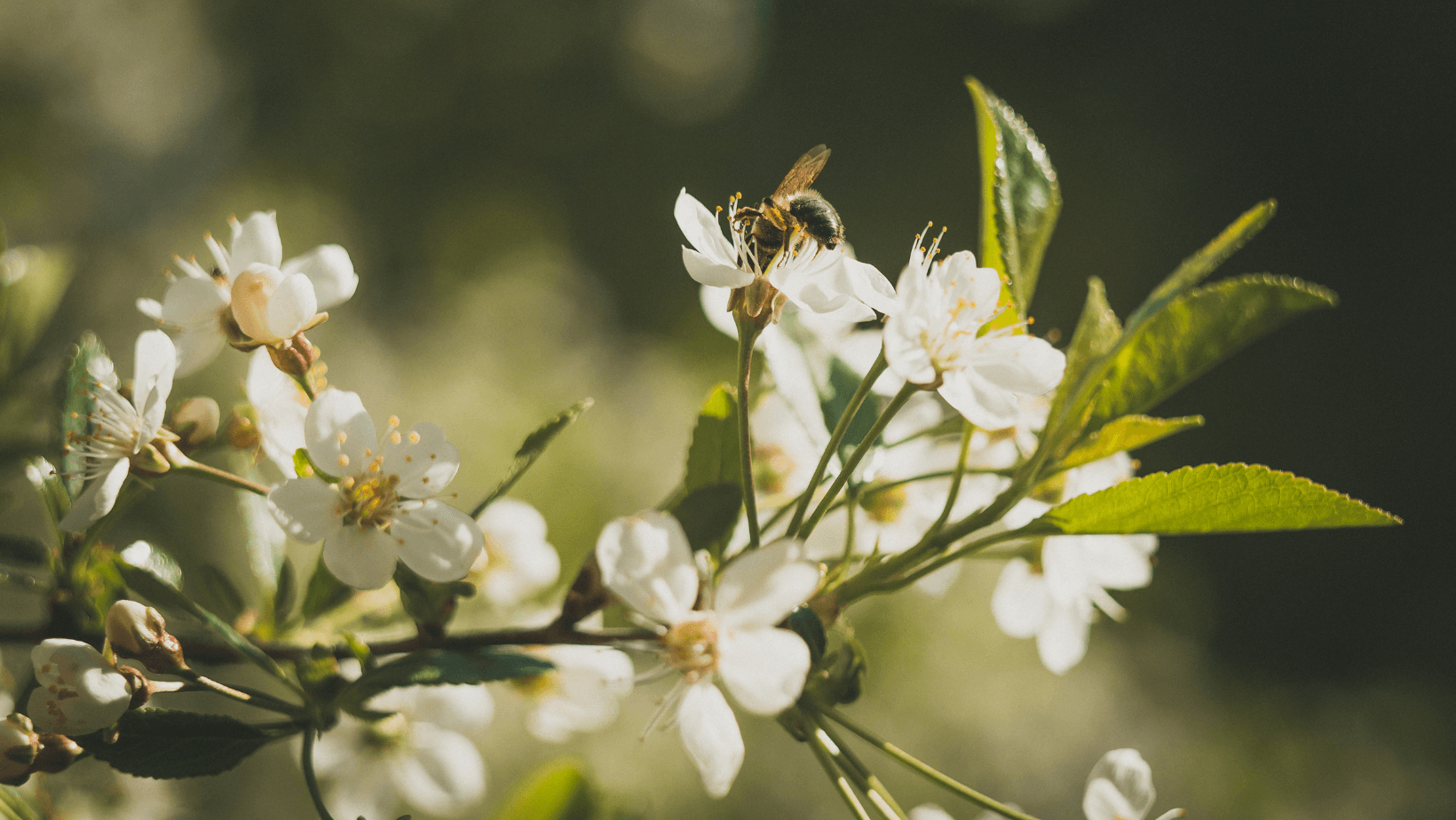
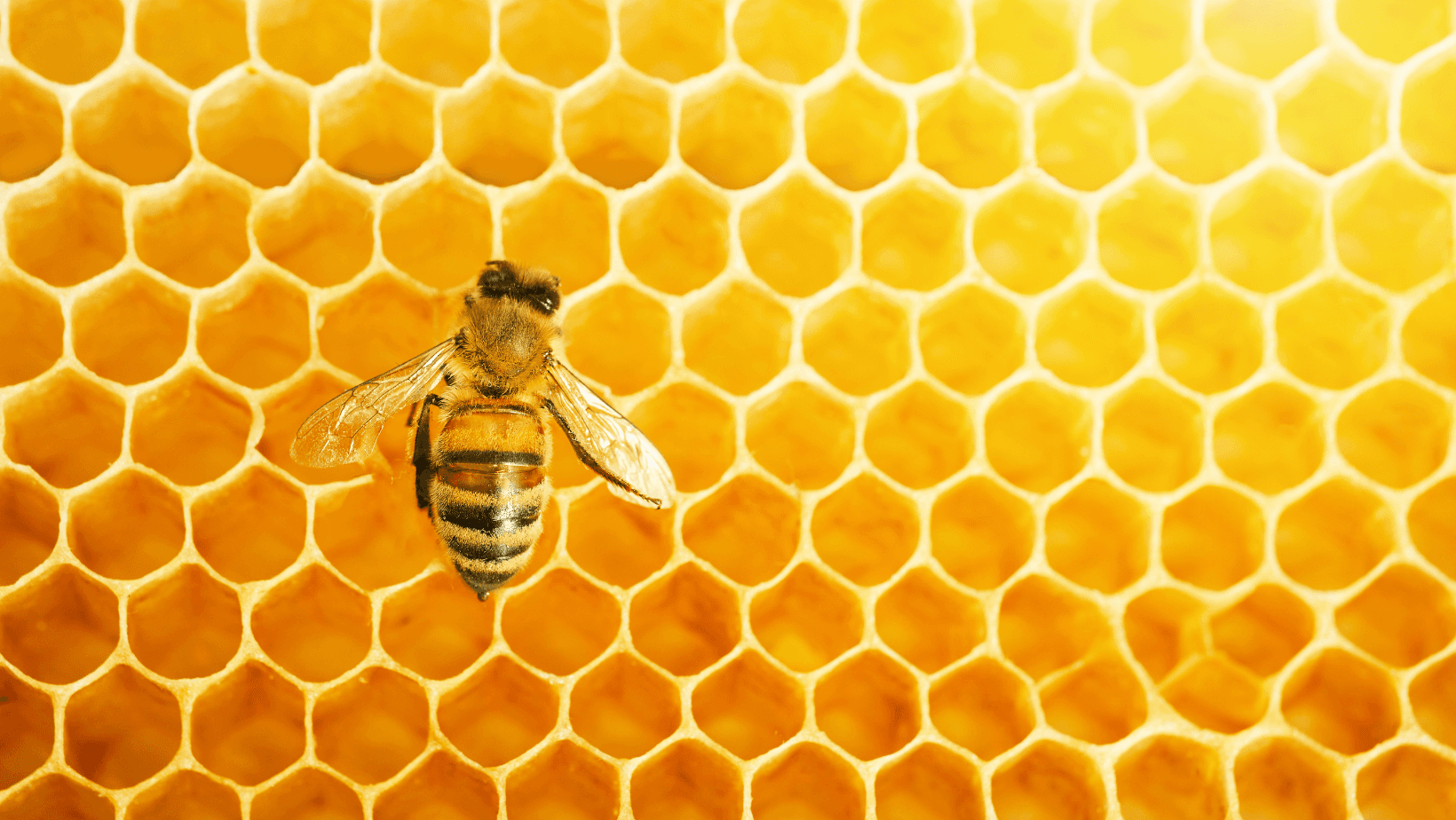
    Honey bees and pollinating insects are fundamental to the preservation of biodiversity and the maintenance of ecosystems. In this increasingly hostile environment, these insects are also having a very difficult time. Some species of wild pollinators have already been declared endangered. Honey bees, without the daily work of the beekeeper, would experience an unprecedented demise. By adopting a 3Bee hive you will be able to closely follow the status and development of a hive monitored with Hive-Tech. At the same time, you will support good beekeeping practices. You will then receive the product of the bees' and beekeepers' hard work at home: a valuable jar of honey! With 3Bee you can also install your own wild pollinator house and thus support its spread.
    Support Pollinators: Adopt a Beehive!
    01/02/2022Of 3Bee, Elena Fraccaro
    976 Views
    Newsletter
    newsletter
    Subscribe to the Blog about bees and biodiversity