World Bee Day: The 10 Incredible Curiosities
    ImportanceDayCuriositiesCuriosity 2

    World Bee Day: The 10 Incredible Curiosities

    We know that bees are fundamental to our planet and, in general, to our lives. Their contribution makes it possible to maintain biodiversity, ecosystems and, in our case, to have a lot of food on our tables that would otherwise be unavailable.

    Read the article
    13/05/2020Of 3Bee, Elena Fraccaro
    964 Views
    13/05/2020Of 3Bee, Elena Fraccaro
    964 Views

    The importance of bees

    Many have attempted to estimate the importance of pollinators in numbers. According to some studies, their contribution to world food production is between $235 and $577 billion per year! However, it is difficult to put their inestimable value into numbers. We can safely say that the world would not be the same as we know it now if bees and pollinators stopped doing their 'job'. And this, unfortunately, is not such an unrealistic assumption. The threats to their survival are many: parasites and diseases, depletion of natural habitats, the use of substances such as pesticides and herbicides, climate change... Since the 2000s, the situation has already begun to cause concern and the data that has been collected on bee deaths is increasingly alarming.

    The importance of bees

    World Bee Day

    In an attempt to raise awareness among the entire world population, in 2017 the United Nations General Assembly decided to establish the World Bee Day, precisely to draw global attention to these very important insects and their pivotal role within our world system. This occasion falls on 20 May, a symbolic date for beekeeping worldwide. On 20 May 1734, in fact, was born Anton Janša, a Slovenian breeder and painter who was a great pioneer of modern beekeeping techniques and forerunner of what is now known as rational beekeeping. The choice of this day is also a tribute to Slovenia, a country that has been an active promoter of this anniversary.
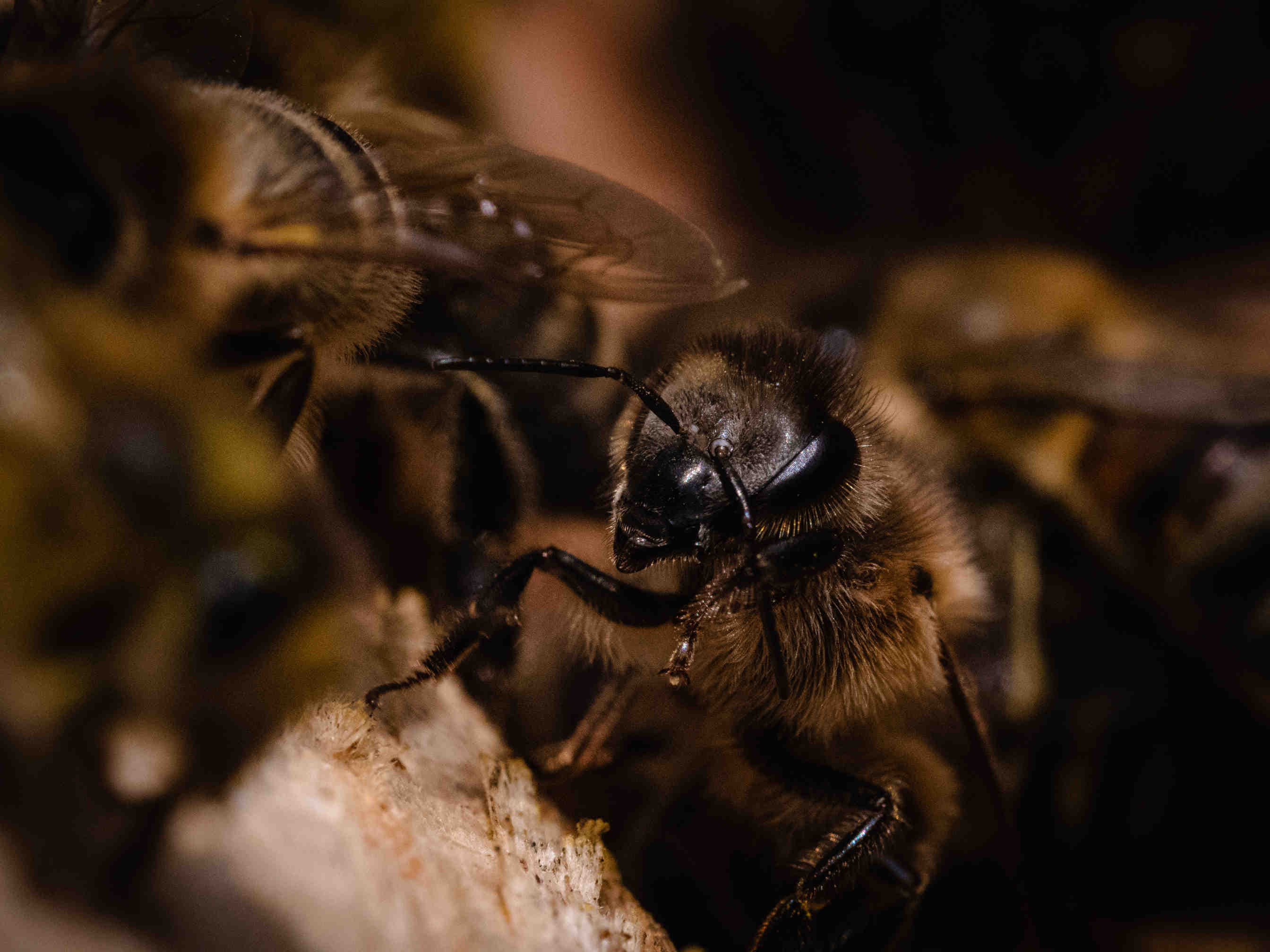
    World Bee Day
    XNatura

    10 incredible facts about bees

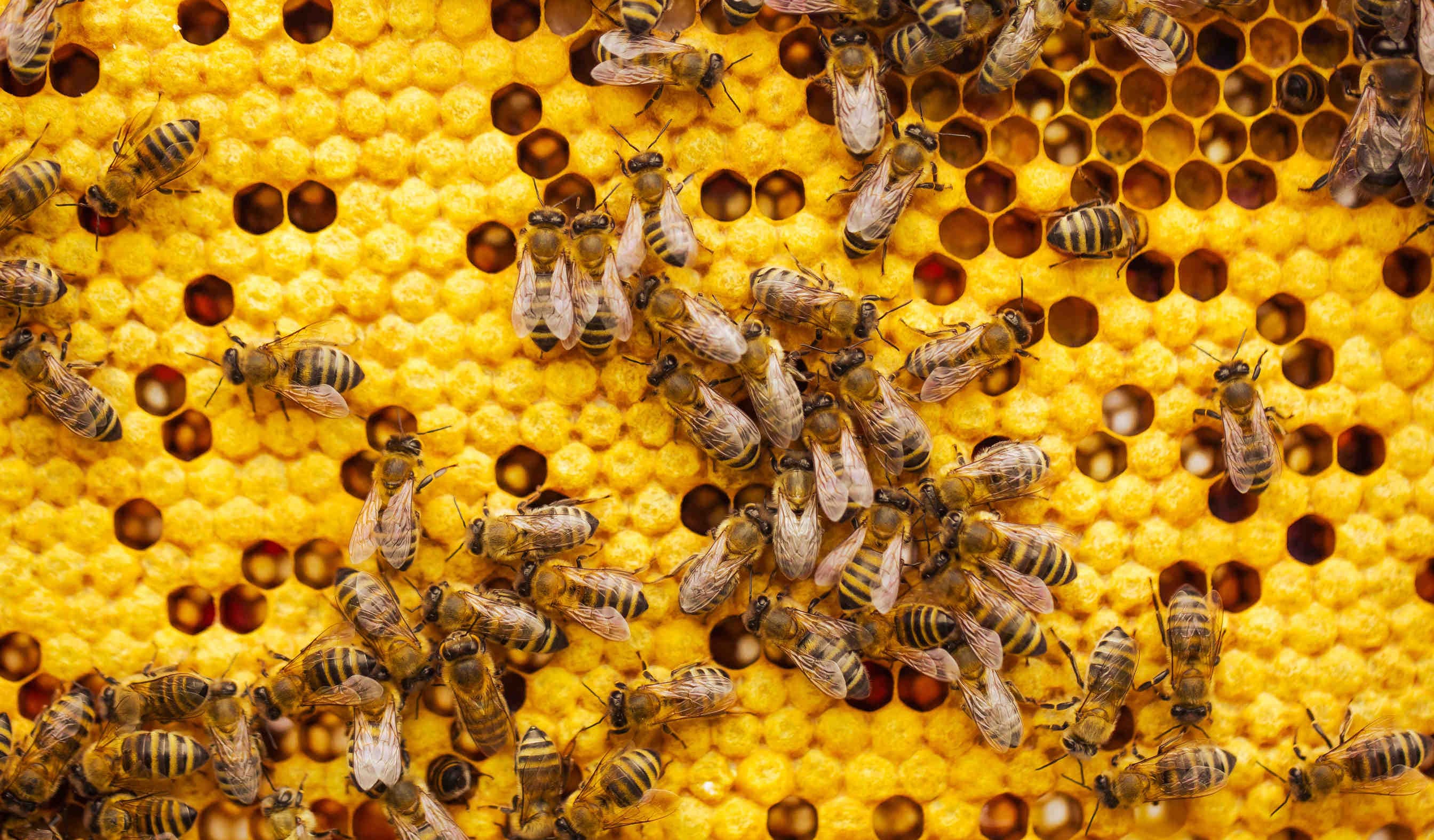
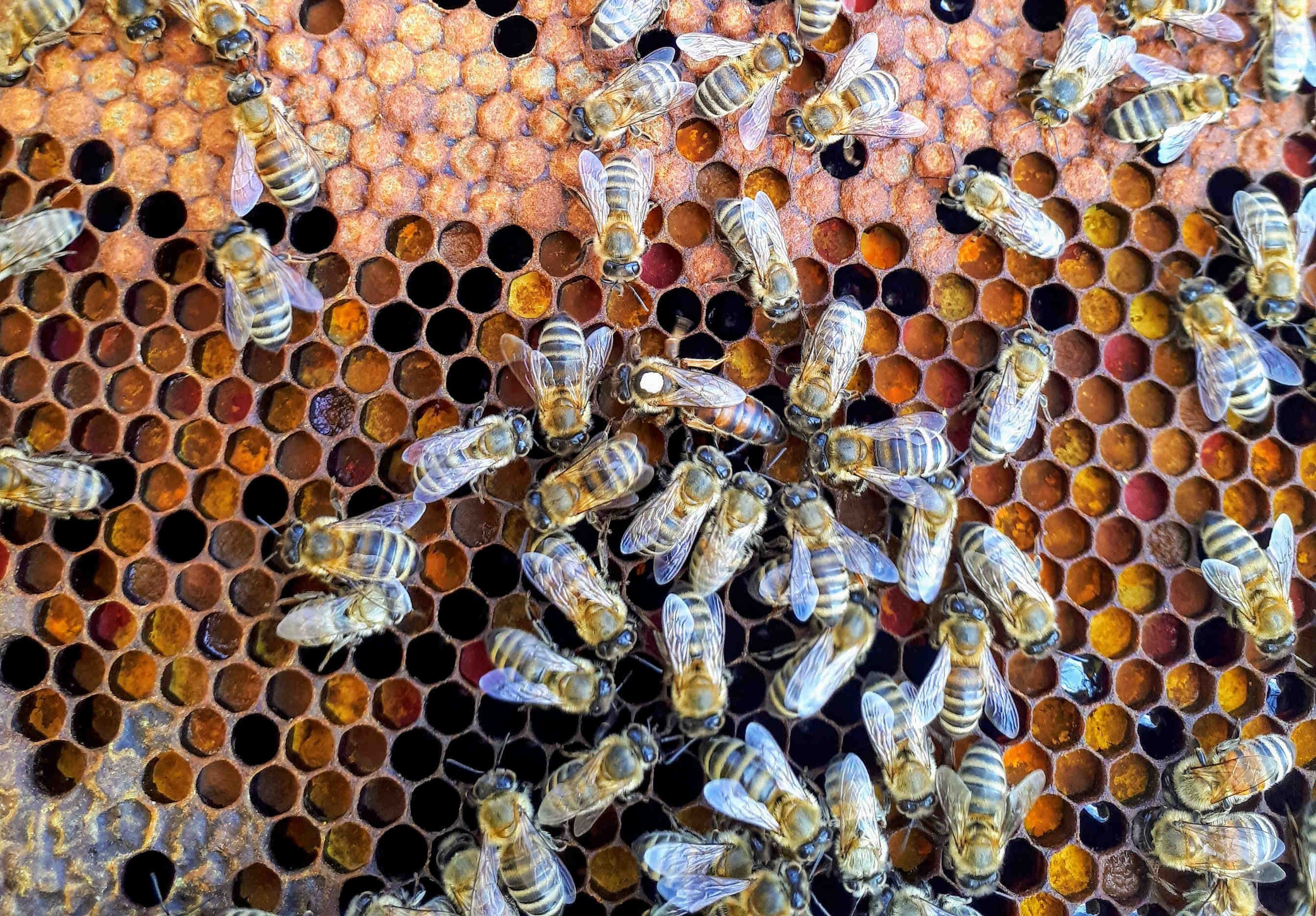
    1. Tireless industriousness: the bee is famous for its industriousness, but do you know how hard it works to produce the honey we consume? In every single reconnaissance flight, a bee can visit between 50 and 100 flowers. For one kg of honey, it has been estimated that a single bee would have to fly 150,000 km. 2. To each hive its own: did you know that each hive has its own specific smell? It is the same smell that bees from the same family have, and this makes it easy for them to recognise each other and immediately spot any unwelcome visitors. 3. a lethal weapon against enemies: worker bees, which are all sterile female bees, can boast the possession of an effective weapon against enemies: the stinger! 4. Incredible producers: although it may seem trite to say it, bees are the only insects that produce a food that is also edible for humans, and what a food, the honey

    10 incredible facts about bees

    Do bees recognise faces?

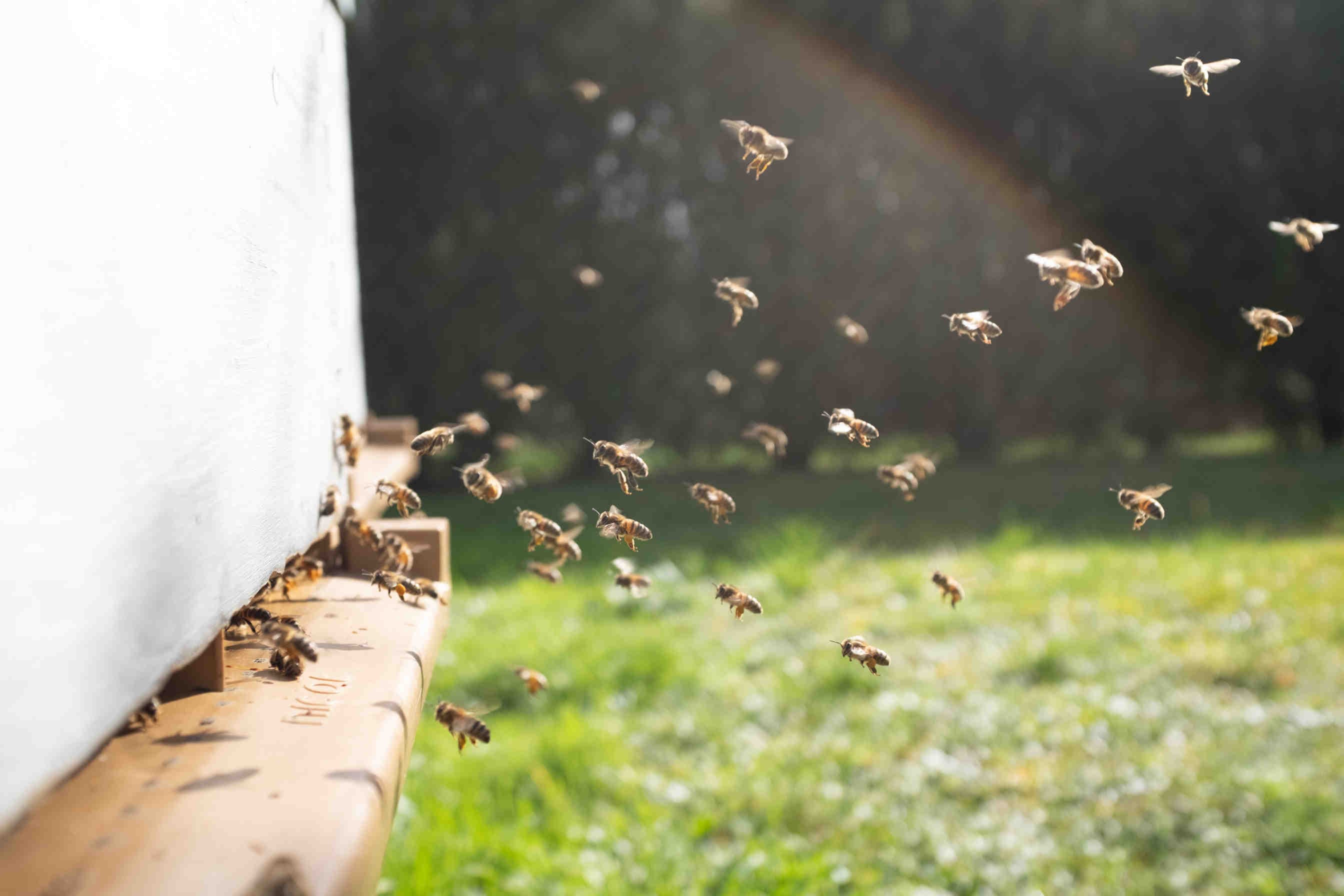
    5. Ready, set... go: bees are proven flyers. In flight, they can reach up to 24 km/h and have an extremely sophisticated landing technique. 6. A real mathematical mind: according to some studies, bees are capable of performing real mathematical calculations. Admittedly, these are simple calculations, but this is very significant considering the enormous differences between our brains and theirs. They also seem to be able to conceive of the concept of 'zero' and associate symbols and numbers, and apparently have never taken a maths debt. 7. Recognising faces: yes, bees are able to distinguish certain visual patterns. For example, they recognise certain types of shapes and can distinguish between them based on the number of sides that make up the figure.

    Do bees recognise faces?
    XNatura

    How do bees see?

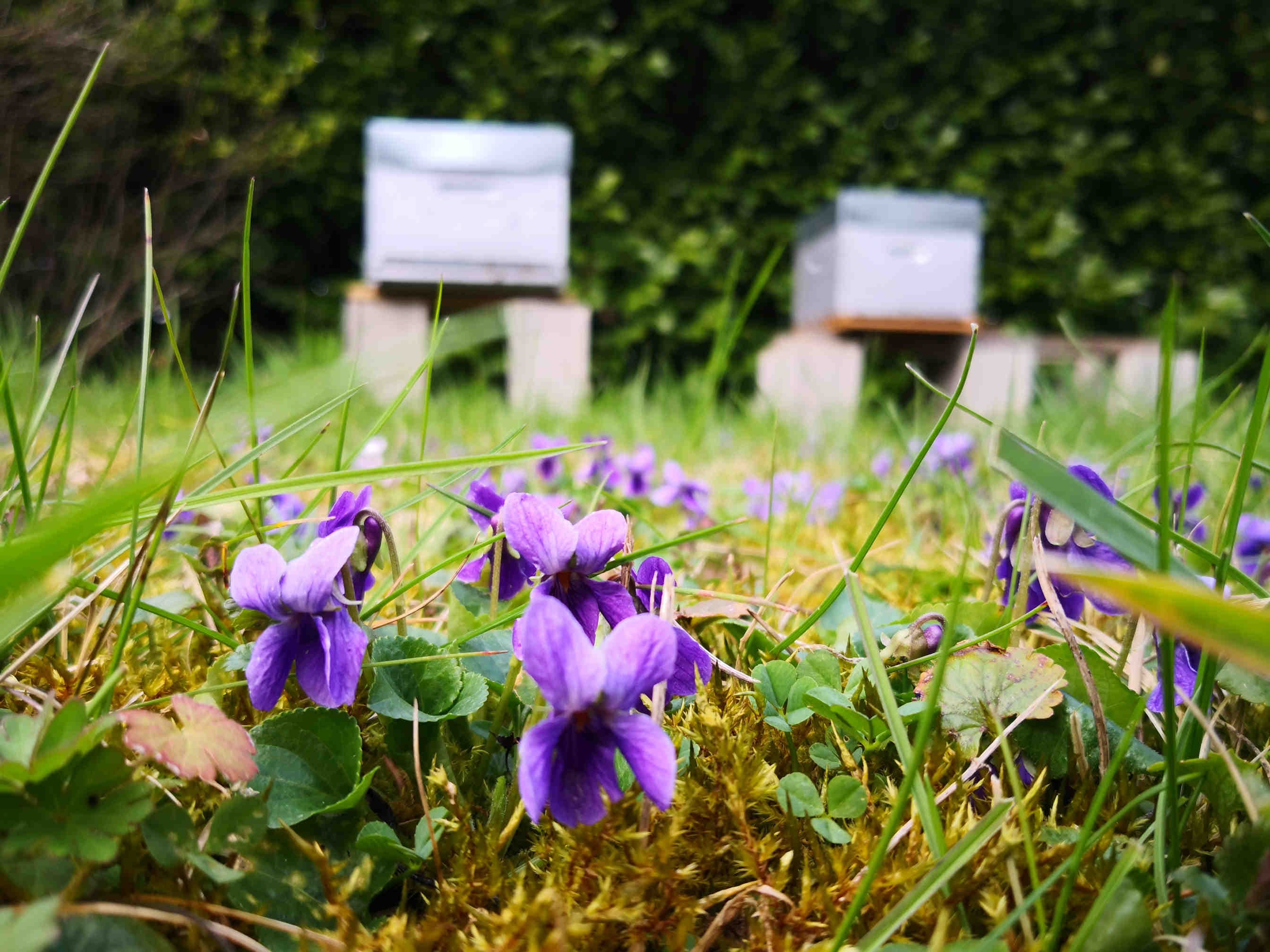
    8. A world full of colours: bees can even distinguish colours! Actually, their eyes can only see yellow, bluish green, blue and ultraviolet. Ultraviolet is seen as a special kind of colour. Flowers, in fact, have petals with surfaces that reflect ultraviolet light and have designs or geometric patterns that attract bees. 9. An indispensable help: bees are very important pollinators. Thanks to their activity, they are directly and indirectly responsible for about 70% of the fruit and vegetables we find on our tables every day. To this, one must add the bill for plants and wild flowers: about 90% of them need bees to reproduce! 10. Bees are really in danger: bees are really at great risk from pesticides, diseases and climate change. 10 million hives have disappeared in 10 years.

    How do bees see?
    3Bee

    Adopt a 3Bee hive

    It is therefore very important that we do our best to support these incredible insects. Today, much of the work is done by beekeepers, who are responsible for protecting bees from diseases and parasites and preserving them from adverse weather conditions. You too can give your contribution by deciding to support one of the beekeepers participating in the project "Adopt a hive". These beekeepers use 3Bee monitoring systems to keep an eye on their bees at all times and to be able to intervene effectively only when necessary. You can monitor the growth and development of 'your' hive directly from your phone and at the end of the beekeeping season you will receive the honey produced directly to your home! You will thus be able to enjoy the fruit of the bees' hard work and expression of their territory.
    Adopt a 3Bee hive
    13/05/2020Of 3Bee, Elena Fraccaro
    964 Views
    Newsletter
    newsletter
    Subscribe to the Blog about bees and biodiversity