World Environment Day 2020
    ONUThe DayAn Estesian networkIn danger

    World Environment Day 2020

    5 June is a very important date for our planet and for those who care about its preservation: we celebrate World Environment Day. This anniversary is not one of the latest initiatives in favour of environmental protection, but actually has a long history behind it.

    Read the article
    04/06/2020Of 3Bee, Elena Fraccaro
    147 Views
    04/06/2020Of 3Bee, Elena Fraccaro
    147 Views

    World Environment Day: how it comes about

    In 1972, the United Nations decided to establish this holiday on the occasion of the launch of the United Nations Environment Programme. It was first celebrated in 1974, with the evocative slogan 'Only One Earth', which is still as relevant today. Since then, each year has been dedicated to a specific topic related to environmental issues, from the hole in the ozone layer to toxic chemicals in groundwater to sustainable development and climate change.
    World Environment Day: how it comes about

    Why establish a World Environment Day

    World Environment Day is the main means adopted by the UN to promote greater awareness and concrete action in favour of our environment. What is desired is a real change at a global level, as well as the emergence of a real community actively committed to the protection of our planet. Therefore, one level of action is not enough. It is necessary for businesses to think about greener development models, for farmers and producers to make more sustainable choices, for governments to commit to the preservation of habitats and the environment. But the individual must also play his or her part. It is essential to reflect on one's own consumption, to promote an 'environmental culture' also at an educational level, so that from an early age one can shape one's life in an environmentally friendly way.
    Why establish a World Environment Day
    XNatura

    Celebrating biodiversity this year

    For 2020, the choice was made to 'celebrate biodiversity' and the host country is Colombia, in partnership with Germany. Biodiversity means, in a very general way, the variety of life on our planet. This includes not only the almost 8 million different species of plants, animals, fungi and bacteria, but also the ecosystems in which they live and their genetic diversity. One of the images that can most help us understand what biodiversity is, is that of a web, extensive and dense. Each mesh is inextricably linked to the others: if one is damaged, this generates consequences, sometimes irreparable, on all the others. All the recent events, from the fires that have hit, just to name the cases that have received the most global resonance, the Amazon and Australia, to the locust invasion that has affected East Africa, to the recent pandemic that has shaken the entire planet, are clear witnesses to this.

    Celebrating biodiversity this year

    The damages of human activity

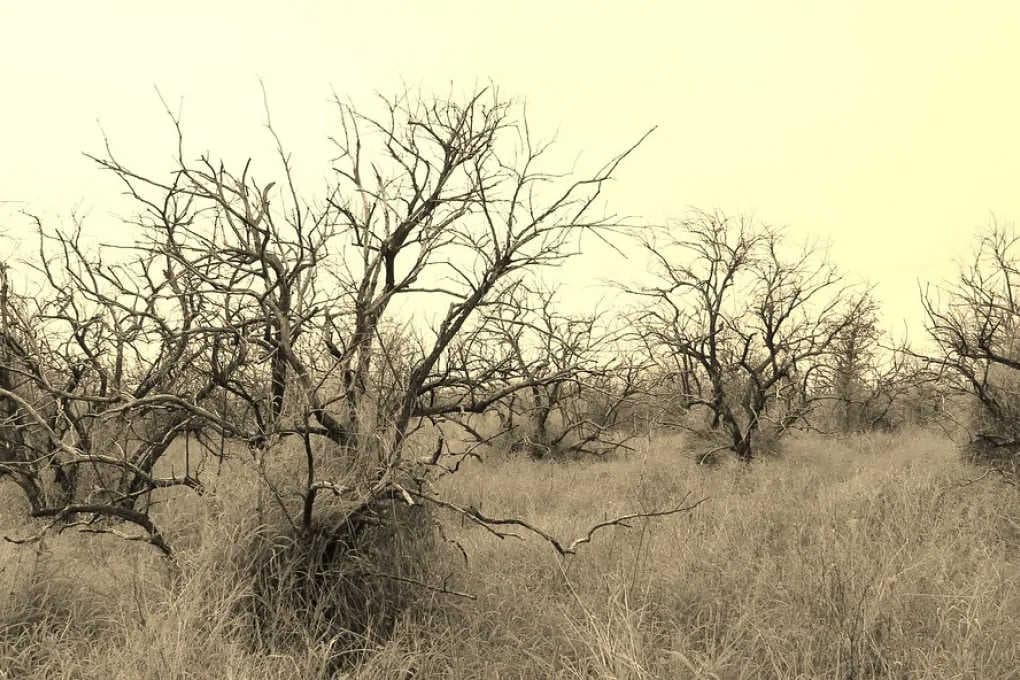
    Biodiversity is the foundation of life on our planet. Human actions, however, are creating extremely negative consequences on it. Among the most damaging practices are deforestation, destruction of natural habitats, intensive agriculture and accelerating climate change. It has been calculated that it would take about 1.6 planet Earths to satisfy our 'demands' each year! This leads to nothing but the loss of biodiversity, which in turn negatively affects us. The extreme consequences are the collapse of food and health systems. Approximately one million living species are now considered at risk of extinction and scientists believe we are witnessing the sixth great mass extinction. Added to this is the destruction and degradation of natural habitats.
    The damages of human activity
    XNatura

    A concrete intervention in favour of biodiversity

    The desired intervention is therefore a multi-level action. Even if the issue seems so much bigger than us, we can still make an important contribution to safeguarding our planet! Become a biodiversity ambassador: Each of us can be a spokesperson for good practices that, when implemented, can help the environment. Buy local: Buying local not only allows you to support the productive realities of your local area, but also to zero in on the food supply chain and to get to know in depth the products you bring to your table every day. Reduce, reuse, recycle: The first step to make less of an impact on the environment is to reduce consumption. Help bees and pollinators: Bees and pollinators are essential to the ecosystem, biodiversity and our lives. Without their intervention, the world would be very different from what we know now. Join the 'Adopt a Beehive' project.
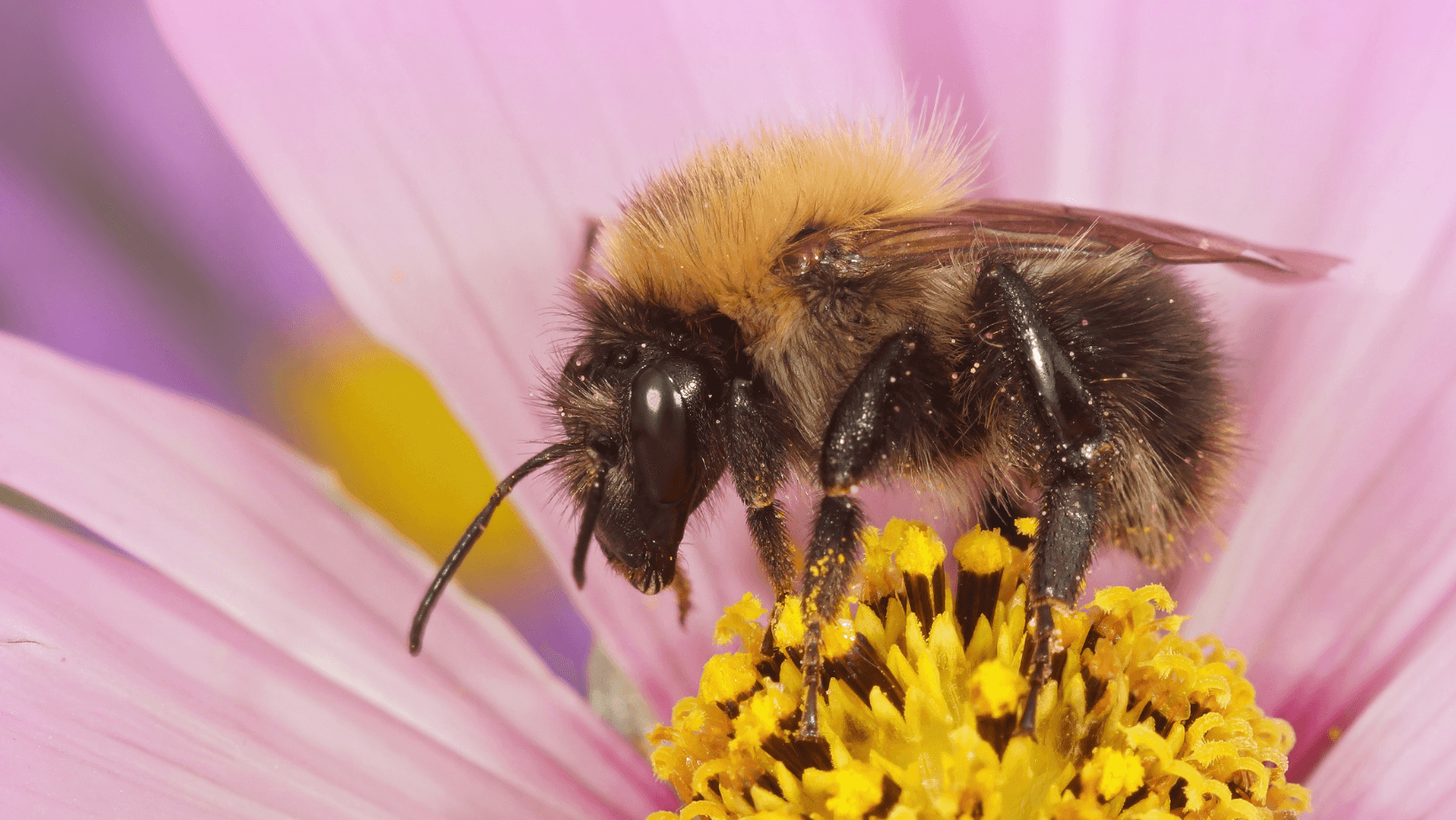
    A concrete intervention in favour of biodiversity
    3Bee
    04/06/2020Of 3Bee, Elena Fraccaro
    147 Views
    Newsletter
    newsletter
    Subscribe to the Blog about bees and biodiversity