What colours do bees see?
    EyesApiColoriFlowers

    What colours do bees see?

    The senses of bees are highly developed, especially sight. In fact, bees possess five eyes and can distinguish as many as four colours. Explore in this article what colours bees see and how their visual system affects their interaction with the environment.

    Read the article
    12/02/2024Of 3Bee, Elena Fraccaro
    2972 Views
    12/02/2024Of 3Bee, Elena Fraccaro
    2972 Views

    Bees have five eyes

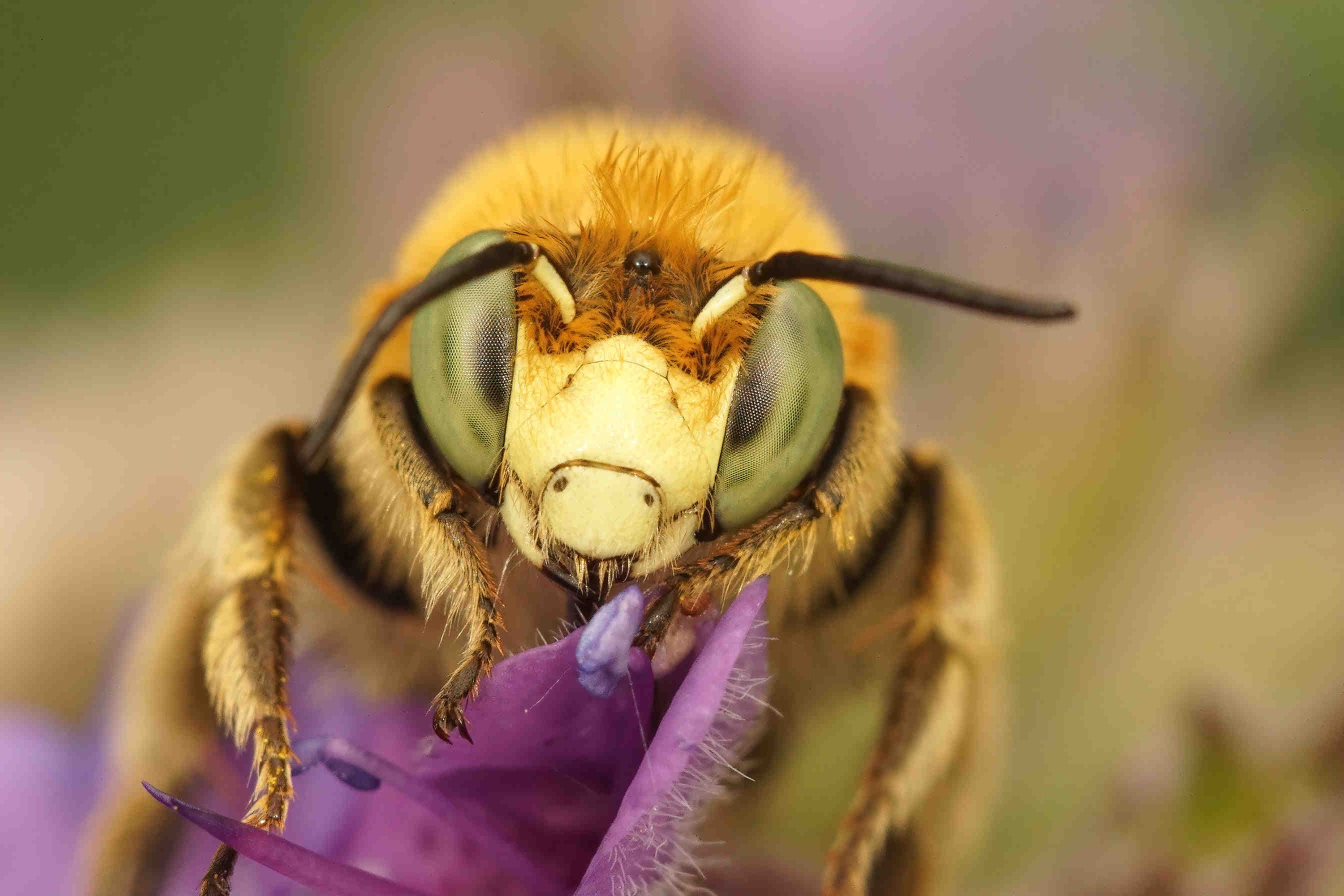
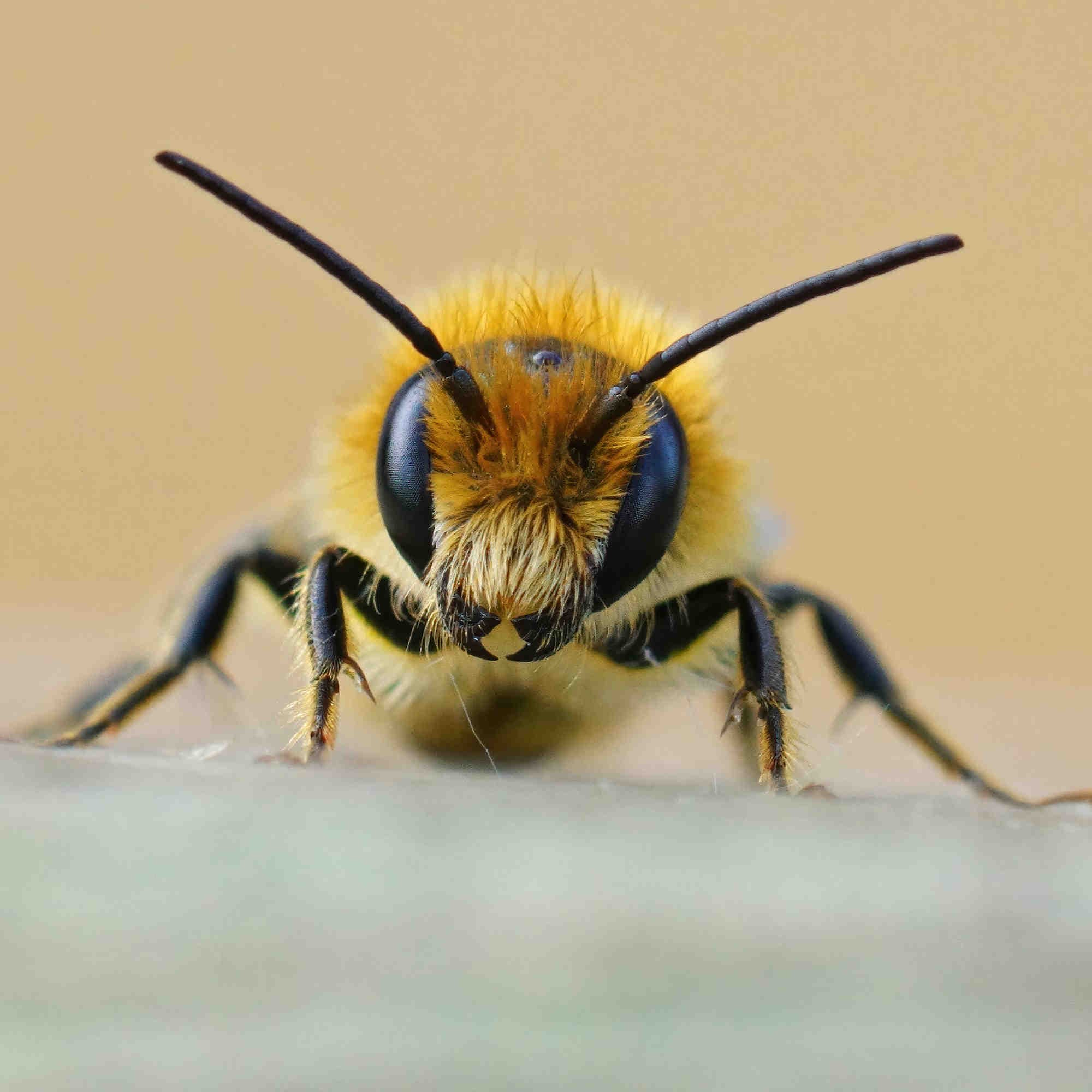
    Did you know that bees possess five eyes and can see at 280 degrees? Yes, bees have five eyes: two compound and three simple ones, called eyes. The latter located on the top of the head face upwards and allow them to perceive polarised light and its intensity. The compound eyes, on the other hand, are larger and located in the upper corners of the head. These two eyes allow bees to see their environment surroundings, identify the movements of objects and react quickly. Just like humans, bees are able to recognise faces, as they have the ability to recognise shapes and lines, as if they were a characteristic pattern that is memorised by them. But what are the colours that bees can distinguish? Let us find out together.
    ape

    How they see bees

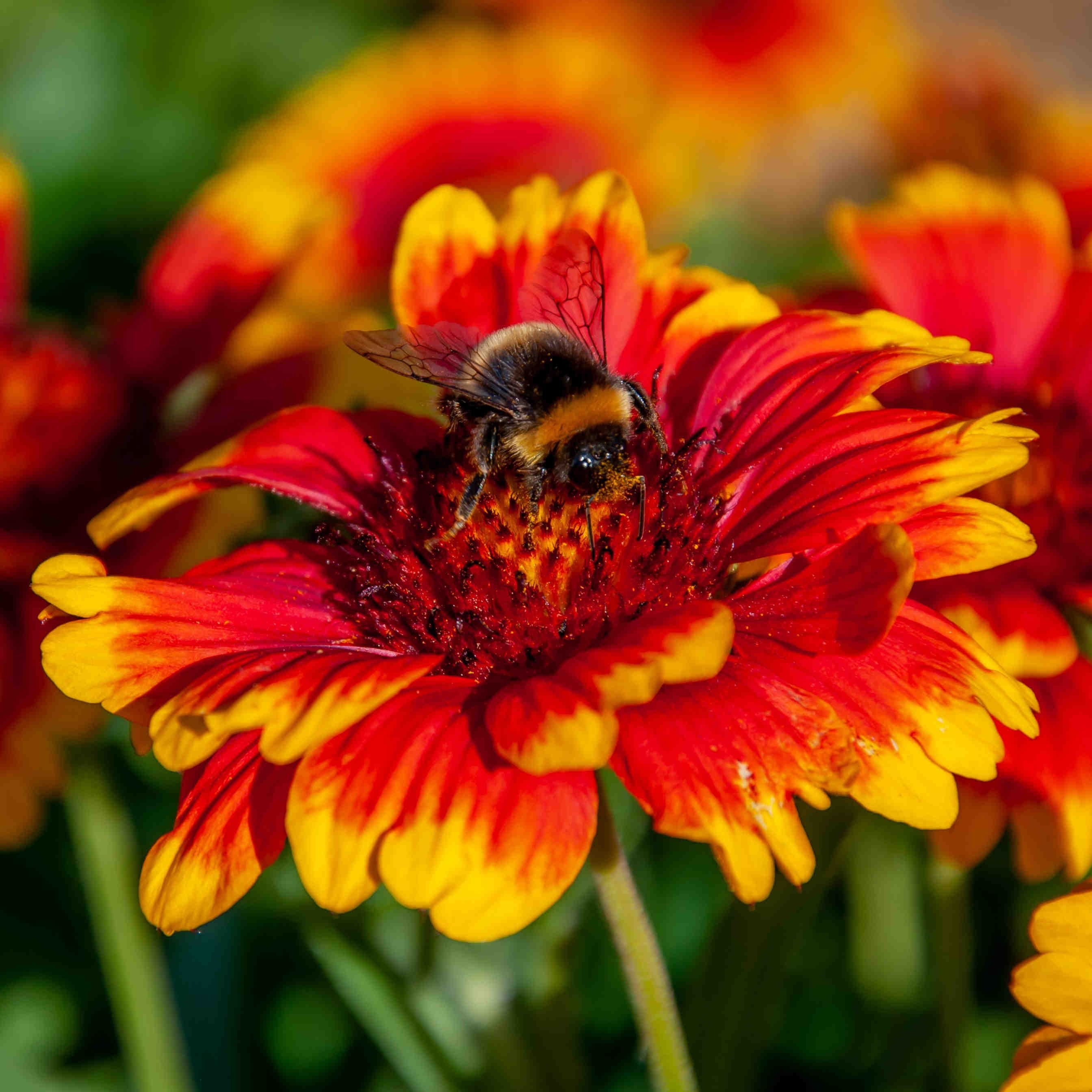
    The compound eyes of bees are made up of a few thousand specific elements called ommatids that include particular photosensitive cells within them. These cells are able to perceive a different colour panel than humans, in fact they can discriminate yellow, blue, ultraviolet and blueish green, but not red from black. It is often the case that they are very attracted to flowers red despite the fact that they cannot detect their colour: this is due to the fact that these flowers reflect the ultraviolet light in its entirety or in certain patterns, which the bees can detect very well. In addition to wavelength, bees can also distinguish the polarisation of light. In the ommatidium, there is a special cell that plays this important role. The ability to distinguish polarised light in the ultraviolet is indispensable for their orientation on cloudy days where other wavelengths are more disturbed.

    ape fiore rosso
    XNatura

    Colour processing in bees: the study

    But how can a pollinator such as the bee stably perceive the colours of flowers despite constant and rapid changes in ambient lighting? A study conducted by Australian researchers has elucidated the important role of ocelli in stabilising the colour tones detected by compound eyes under varying light conditions. The ocelli are equipped with photoreceptors, which are able to detect the ambient light intensity in the visible and UV range, while two main eyes enable them to perceive the colours of elements in the environment. According to the research, the visual perception of the ocelli complements that of the compound eyes, enabling the brain of bees to process images with optimal colour quality in all light conditions. This study showed that the ocelli act as modulators in the same brain region where signals derived from the compound eyes flow.
    ape su fiore

    Flowers have adapted to the visual system of bees

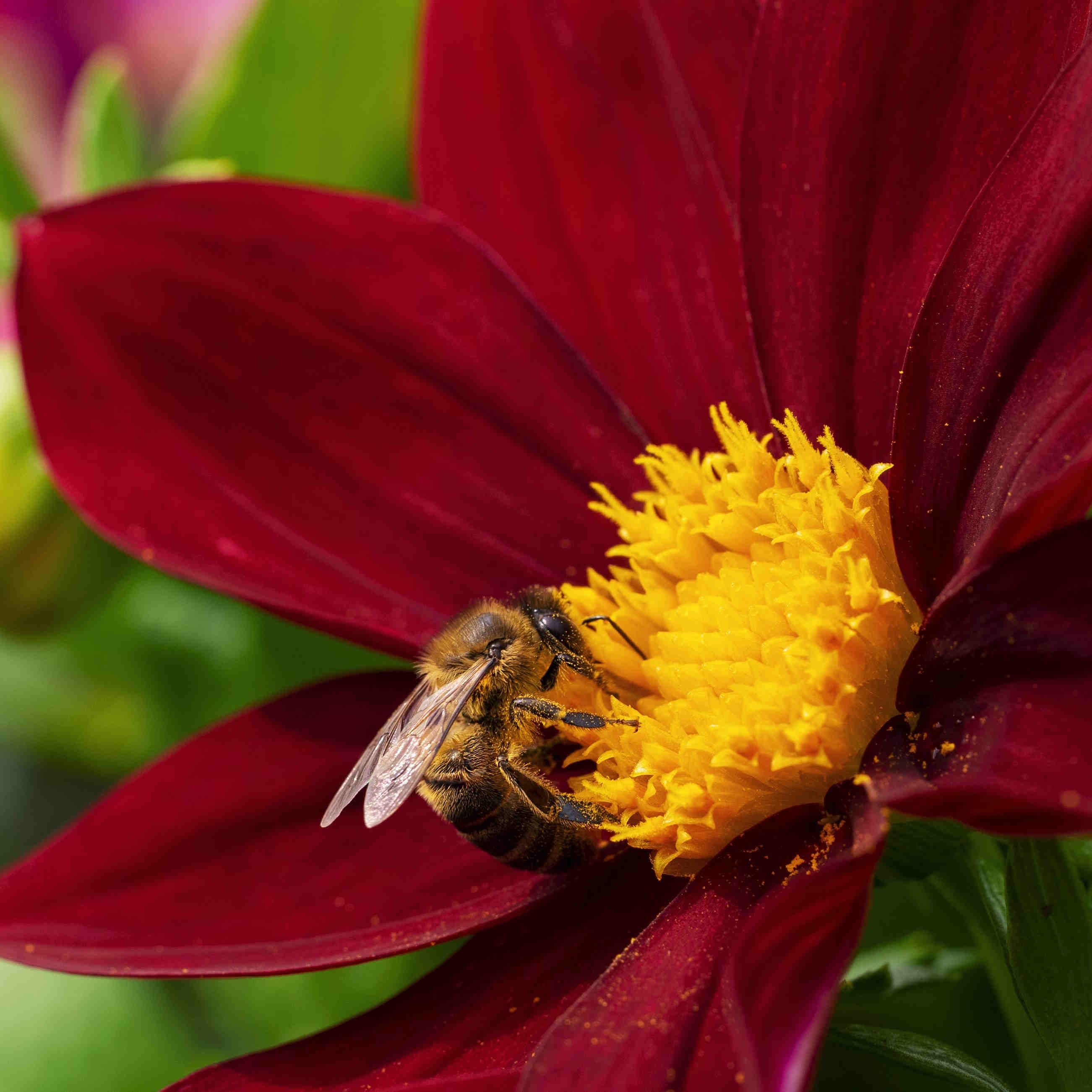
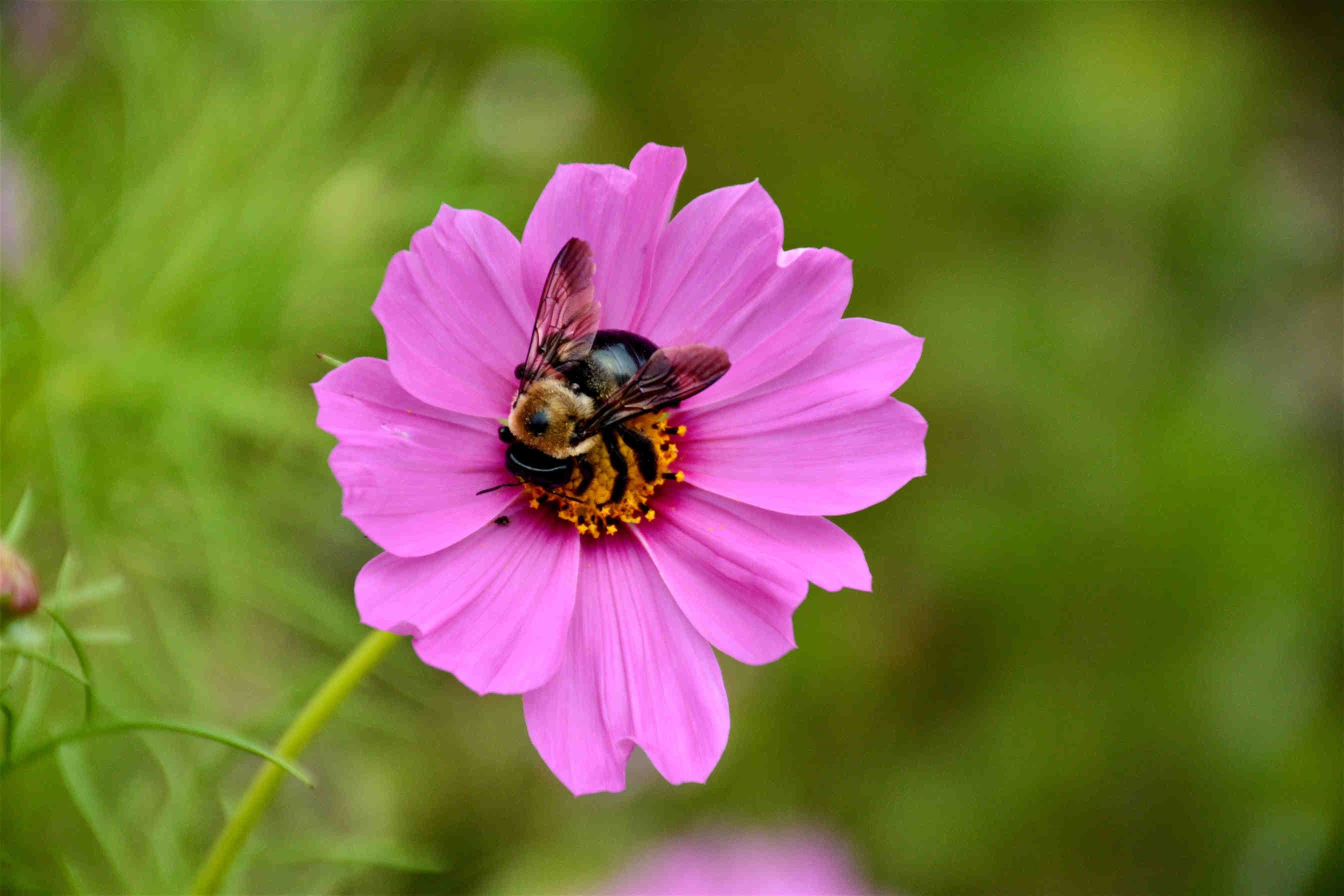
    A further study has shown that, when the first angiosperms appeared in the Mesozoic (between 252 and 66 million years ago), api had already developed the visual system for the perception of colours. This structure, which has remained virtually unchanged to this day, proved to be a winning choice as plants also developed ever more vivid colours optimised to be detected by the visual system of the pollinators and attract them to themselves more strongly. In the beginning, the flowers were probably of a dull yellow-green colour and were pollinated by Diptera (flies) but later, with the advent of the first bees, they developed new brightest colour combinations that were better suited to the visual capabilities of bees. The process of natural selection seems to have favoured those colour tones that, in the eyes of the pollinators, allowed the flowers to stand out better from the surrounding background.
    fiore ape
    XNatura

    Oasis 3Bee for the protection of pollinating insects

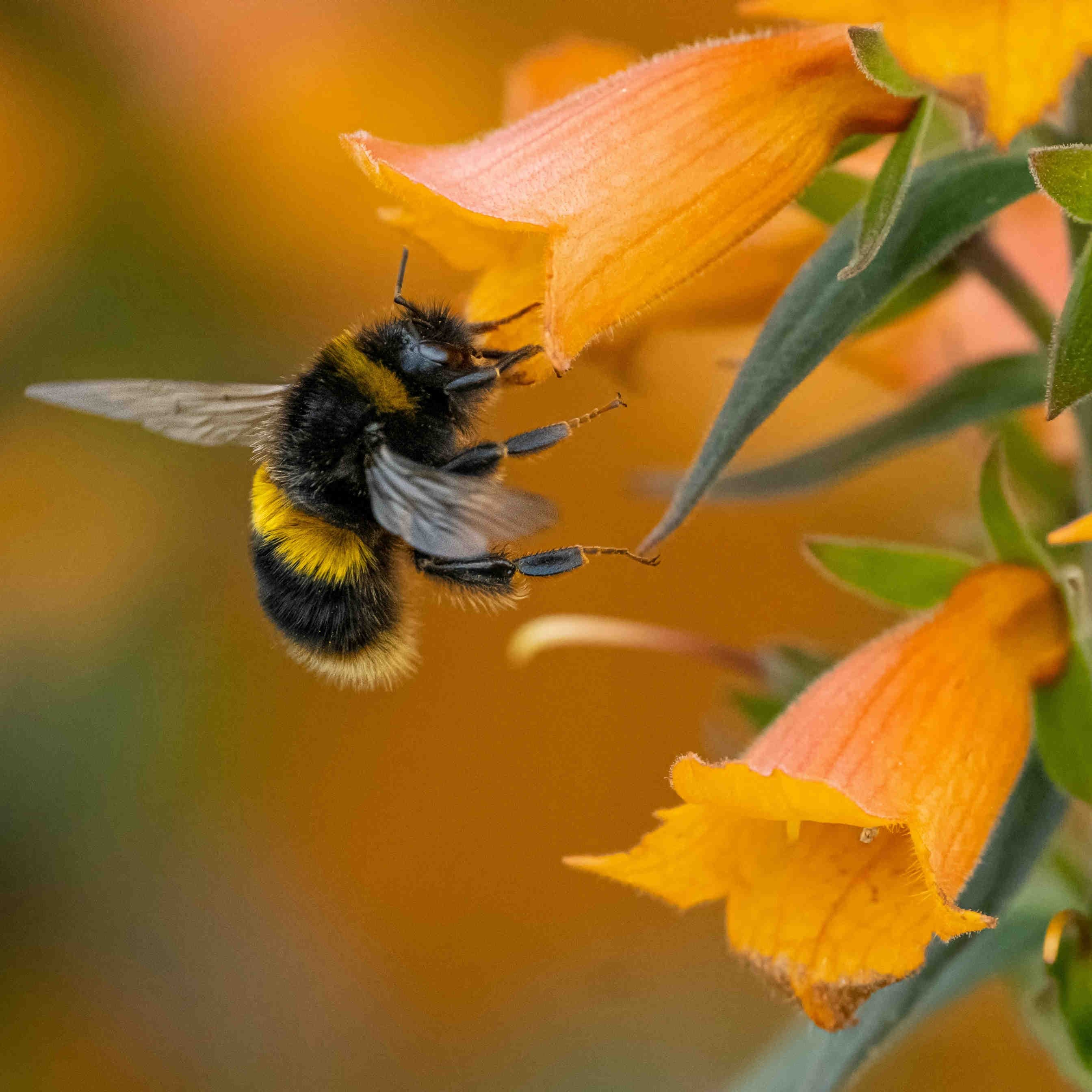
    The research presented further emphasises the crucial role of bees and pollinating insects for our ecosystems. Indeed, flower evolution is closely related to pollinating insects, which need to be protected together with their habitats. This is where 3Bee fits in: monitoring is one of our 3 main pillars, in fact our approach is based on data collection from proprietary technologies that allow us to monitor the health of bees, pollinators and their connection to ecosystems. 3Bee drives the creation of Oases of Biodiversity: urban and agroforestry habitats created in areas of low biodiversity, with the aim of regenerating it. Places where technology and nature come together, monitoring the health of the area and helping to maintain populations of pollinators by providing them with nutritional resources.
    impollinatori 3Bee oasi
    3Bee
    12/02/2024Of 3Bee, Elena Fraccaro
    2972 Views
    Newsletter
    newsletter
    Subscribe to the Blog about bees and biodiversity

    Frequently Asked Questions

    Do you have any doubts or other curiosities about this article? Here you will find some insights