Italian honeys: what are the different types of honey?
    3Bee approachGirasoleTimoLinden

    Italian honeys: what are the different types of honey?

    The best Italian honeys, what are they and what blooms do they come from? We discover all types of honey, from the best-known ones such as acacia to the rarest and most prized such as asphodel honey. Read our new article!

    Read the article
    06/09/2022Of 3Bee, Elena Fraccaro
    2387 Views
    06/09/2022Of 3Bee, Elena Fraccaro
    2387 Views

    3Bee's approach to biodiversity protection
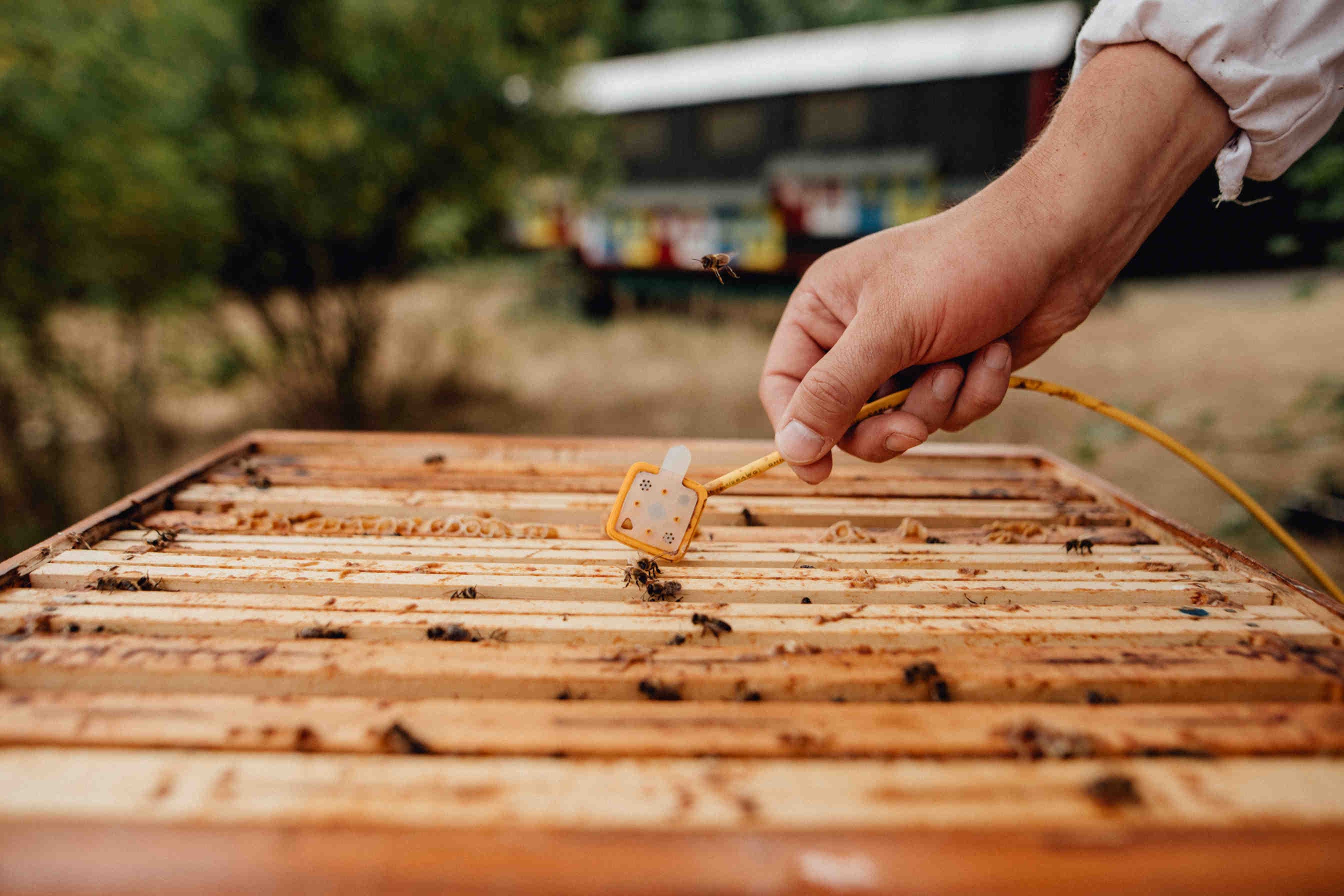
    3Bee is the Nature Tech company that develops technologies for the protection of biodiversity. 3Bee Hive-Tech is 3Bee's first system for analysing the health and 'starvation' status of honeybees, environmental protectors par excellence. Over time, we have developed other technologies to study and monitor all the pollinating insects and created more than 200 Oases of Biodiversity with thousands of nectariferous plants to provide them with nourishment. In this way, we want to create a virtuous circle: our beekeepers are transformed by necessity into Oasis growers and promoters of environmental biodiversity. We do not encourage massive production and intensive breeding, which have a negative impact on biodiversity and pollinators. We do, however, recognise the value of honey as a valuable symbol of the biodiversity of an environment and a tool for disseminating the commitment and protection of an area, to be consumed sparingly and with respect for the life cycle of these insects.

    3Bee Hive-Tech

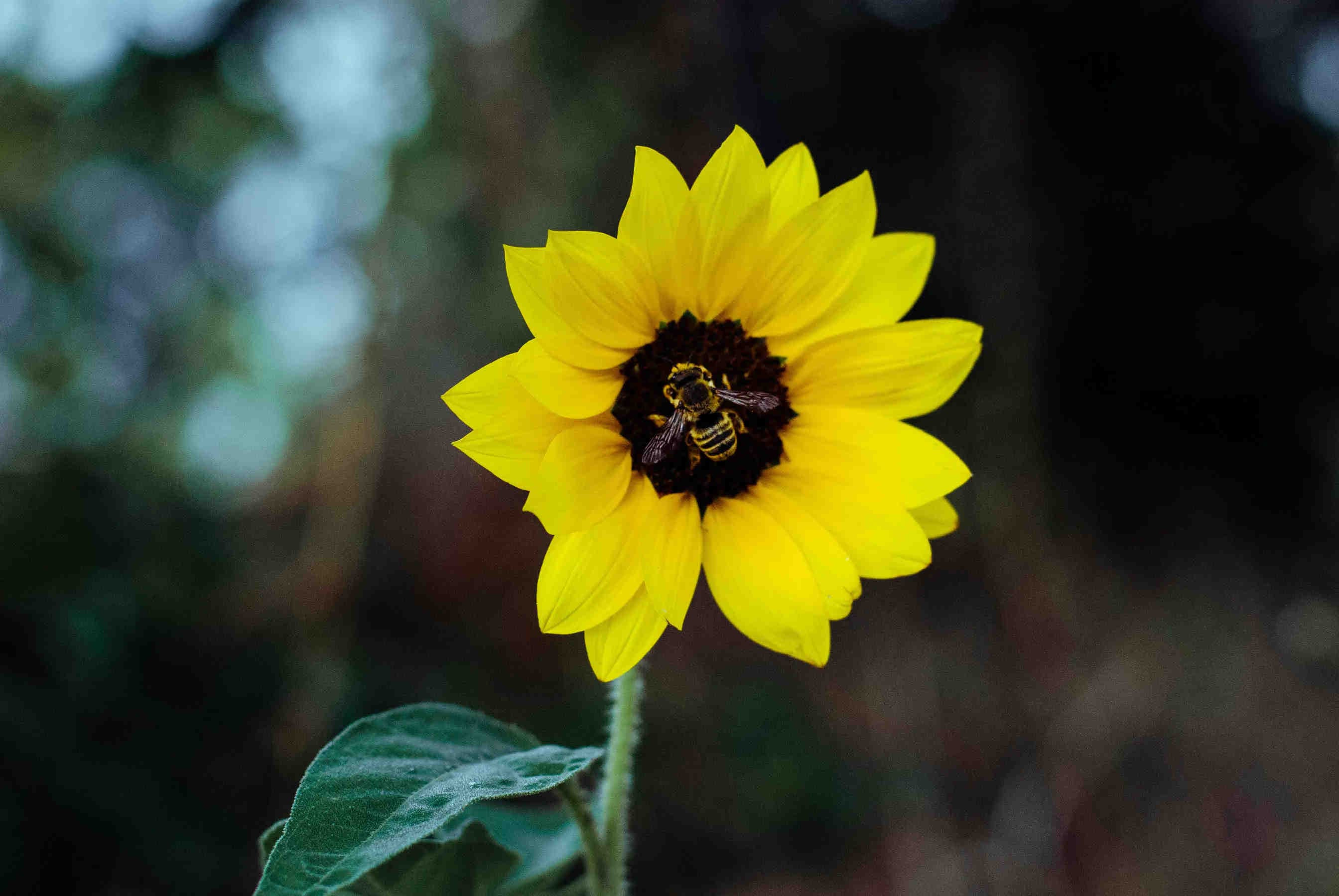
    Sunflower Honey

    Sunflower honey is bright yellow in colour, crystallises quickly and generally in a creamy, iniform manner. In the mouth, it is aromatic with a fresh sensation. The smell is reminiscent of straw and wax. It is not very sweet and has medium acidity, bitterness is not perceived. It is very often recommended as a sweetener in numerous desserts, such as nougats or in spice cakes. Recommended pairings are with cheeses, such as pecorino or asiago. Among the characteristics and properties of sunflower honey, it has been found to have an excellent anti-neurotic and febrifuge effect. Find out more details QUI.

    Sunflower Honey
    XNatura

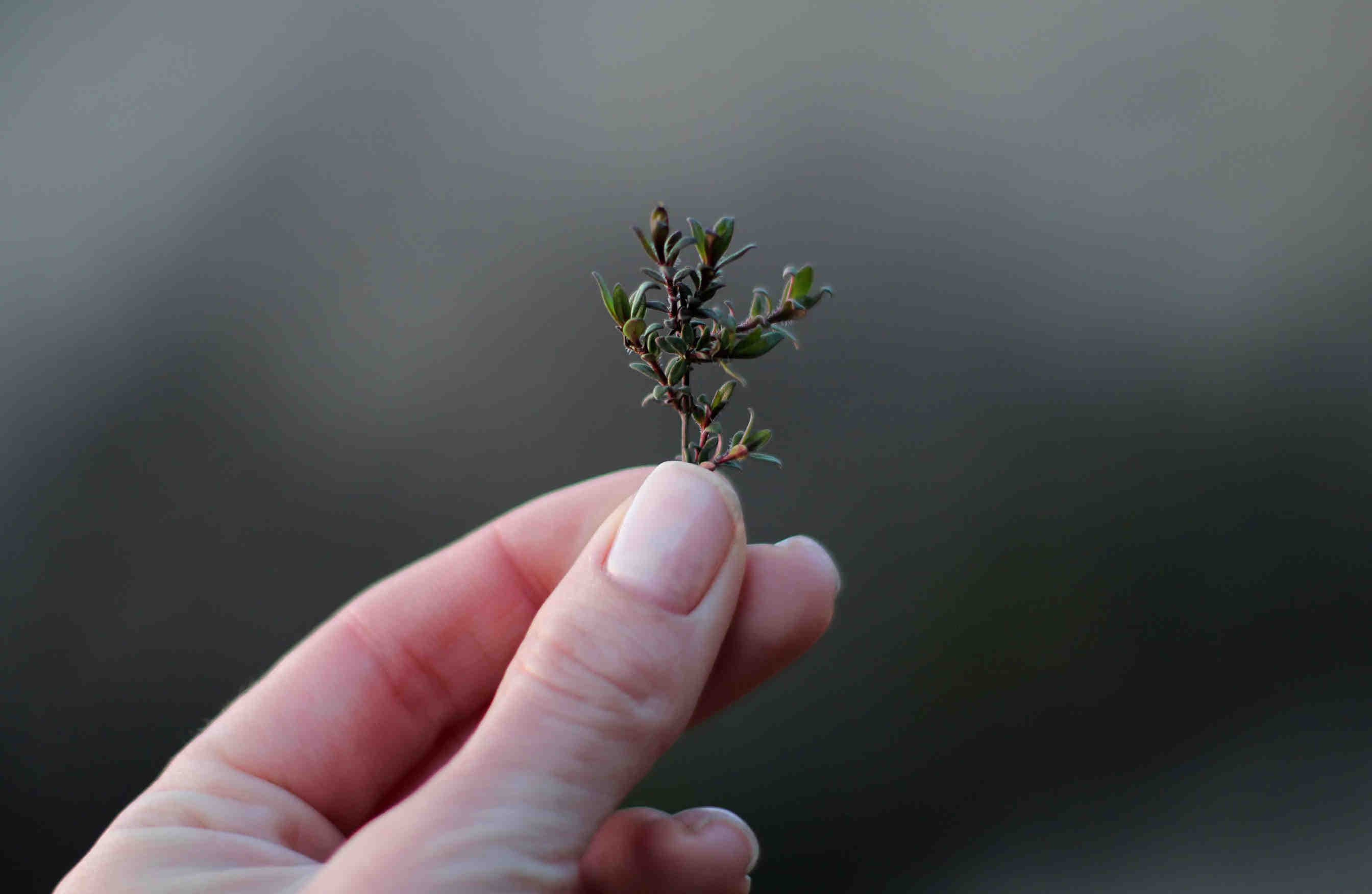
    Thyme honey

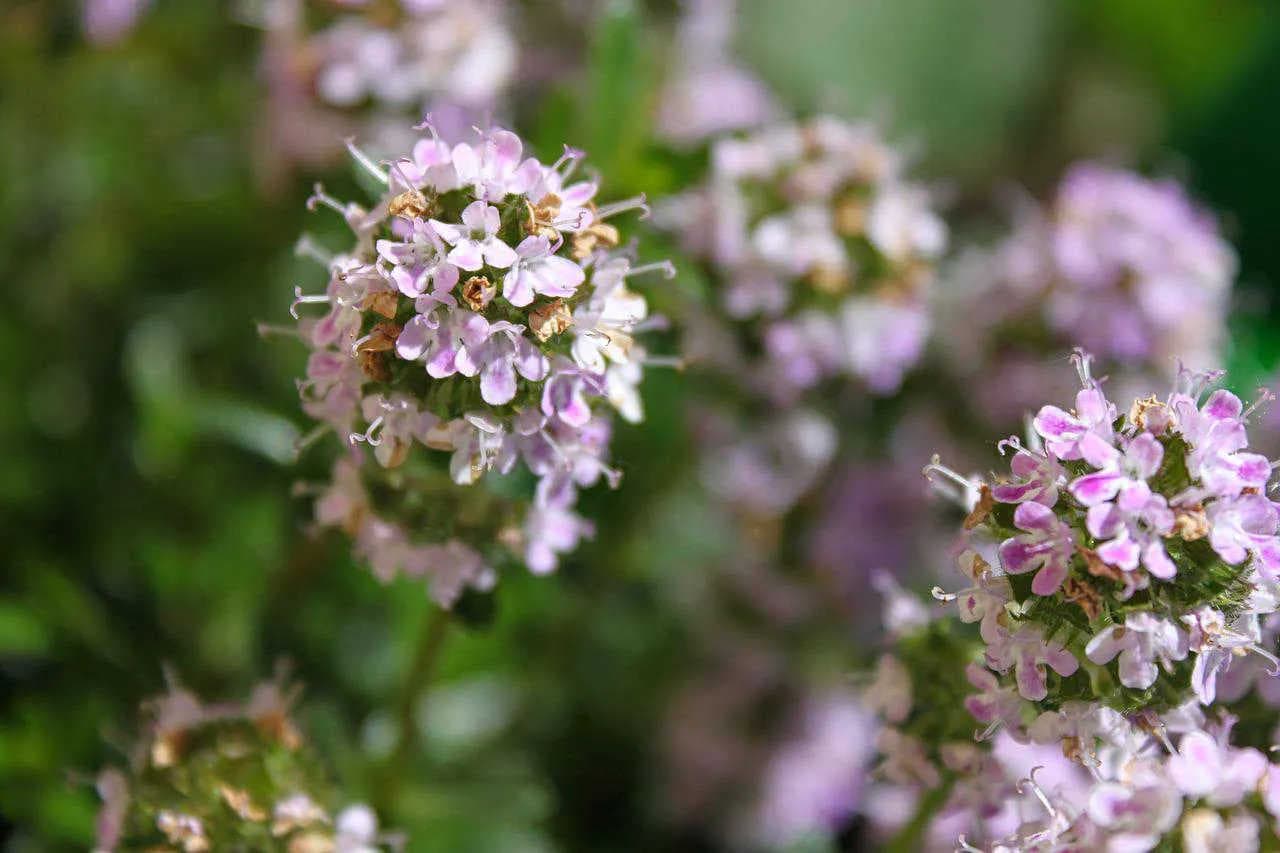
    Thyme honey is mainly produced in Sicily, in the area of the Iblei Mountains, although the plant is particularly widespread in other regions of southern Italy and in Sardinia. Thyme honey crystallises rather quickly. The light amber colour when liquid turns to beige-hazelnut once crystallised. Smell and taste are of medium intensity and rather persistent in the mouth. The nose has floral and spicy notes, while the palate is reminiscent of thymol and herbs. Discover the properties and benefits of thyme honey.

    Thyme honey

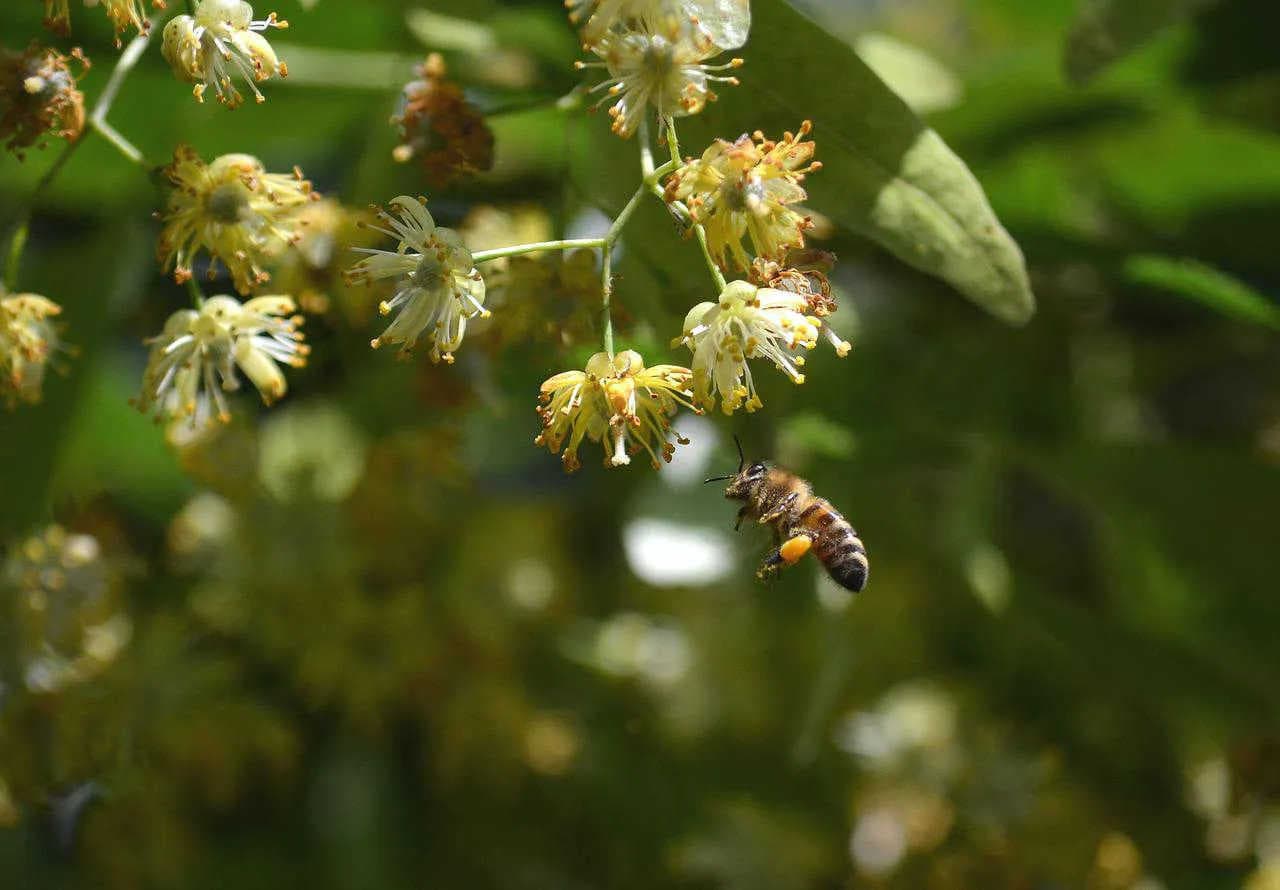
    Lime Tree Honey

    Lime honey presents itself in a rather light, amber colouring, with the possibility of also seeing yellowish-green reflections in its purest varieties. Like all types of honey, it naturally tends to crystallise, although for lime it is a rather slow process. Once crystallised, lime honey turns an ivory-white colour. To the taste, it gives a fresh, sweet, aromatic flavour reminiscent of mountain herbs and mint, while retaining a certain intensity and persistence. It can often be found in less pure varieties, with honeydew, chestnut or even ailanthus in it, which modify its colour and aroma. Discover the properties and benefits of lime honey.

    Lime Tree Honey
    XNatura

    Stregonia honey

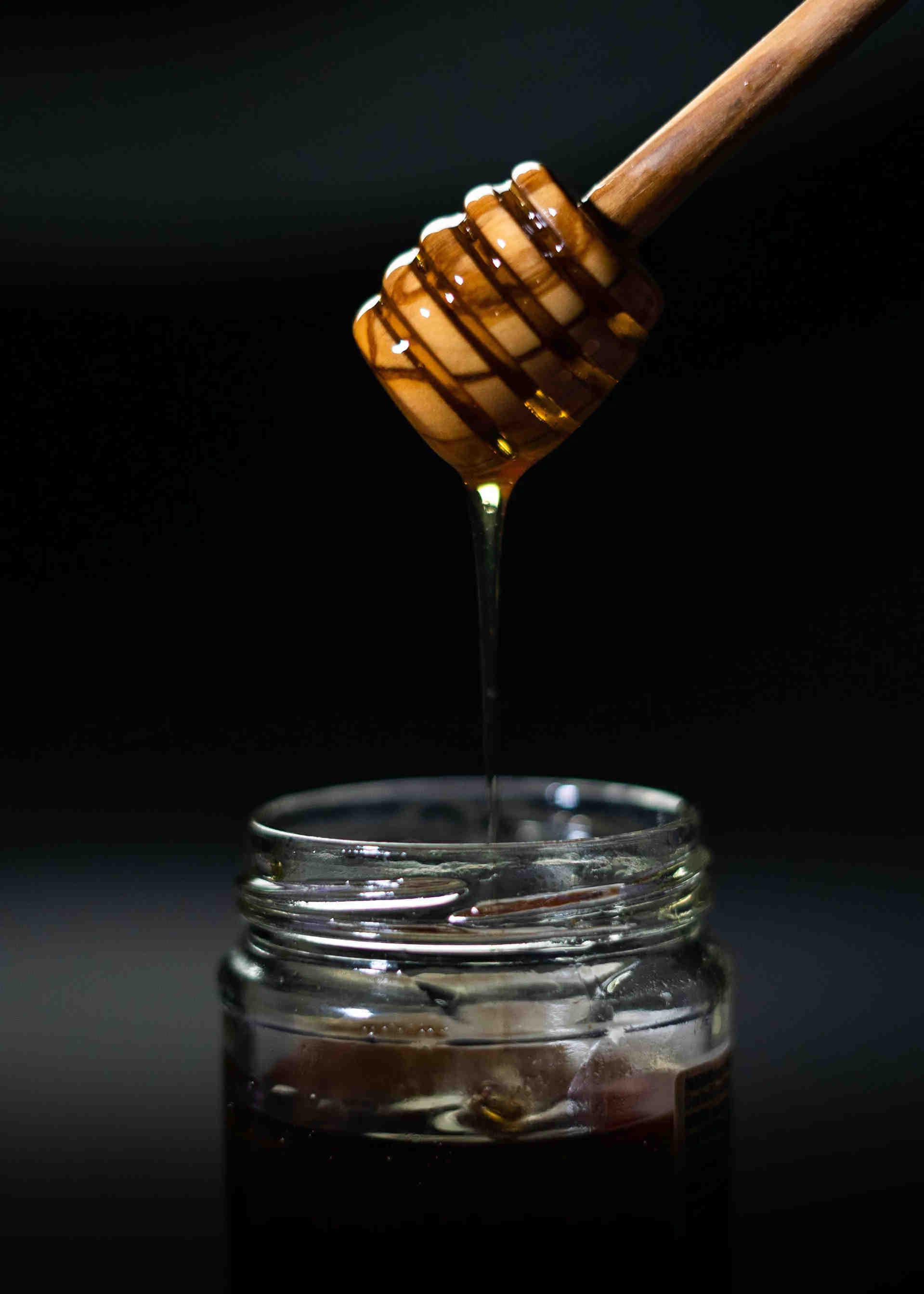
    The Stregonia honey, is one of the rare honeys and has a very light colour and an equally delicate aroma. Its aroma is very fine and has floral and spicy notes. A rare honey perfect for the most delicate and sophisticated palates. Production is limited and it is not possible to produce this honey every year. The main reason is the growing condition of the plant. In fact, Stregonia tends to grow on steep and craggy terrain, and it is not easy for beekeepers to position their hives near them.
    Stregonia honey
    3Bee

    Summer savory honey

    The honey of Santoreggia is light amber in colour with green reflections. Smell and taste are very strong and persistent. Tasting it, it may remind one of the smell of wet earth or the notes of coffee. A rare honey that is very special and rich in properties. These include antiseptic, anti-inflammatory and antioxidant properties. A perfect ally against coughs and flu-like conditions. Its production is limited and conditioned by the rainfall in July; if there is no rain and there are periods of drought, the production of this honey is jeopardised, which is why it is considered a niche and rare honey.
    Summer savory honey

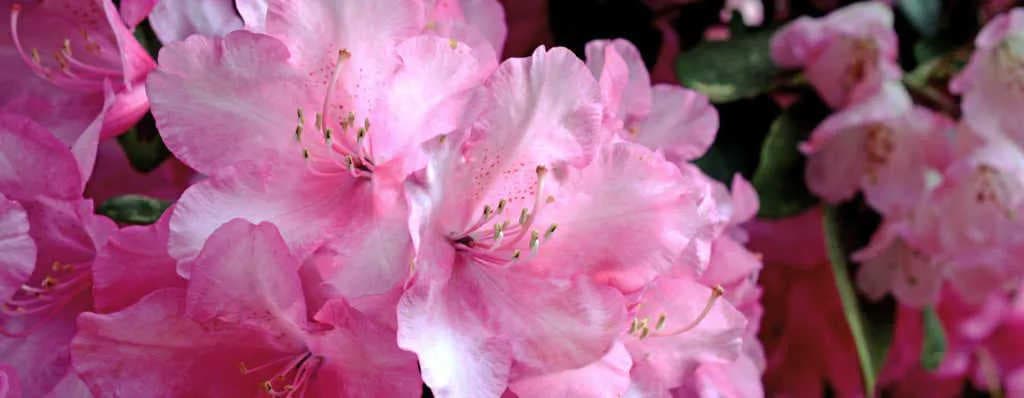
    Miele di Rododendro

    The rhododendron honey has a very light colour, ranging from colourless to straw yellow when in its liquid state. The purer it is, the more it tends to crystallise quickly, leading it to take on a whitish or beige colour. It does not have a particularly strong odour; on the contrary, it is described by most as faint or ethereal. Thetaste reflects these characteristics, being sweet, delicate and not very persistent. However, finding pure rhododendron honey is particularly difficult. Very often it is found mixed with other plant species that modify its aroma. Among the most common, the presence of raspberry makes the flavour more fruity, while thyme makes it more pungent.

    Miele di Rododendro

    Honeydew honey

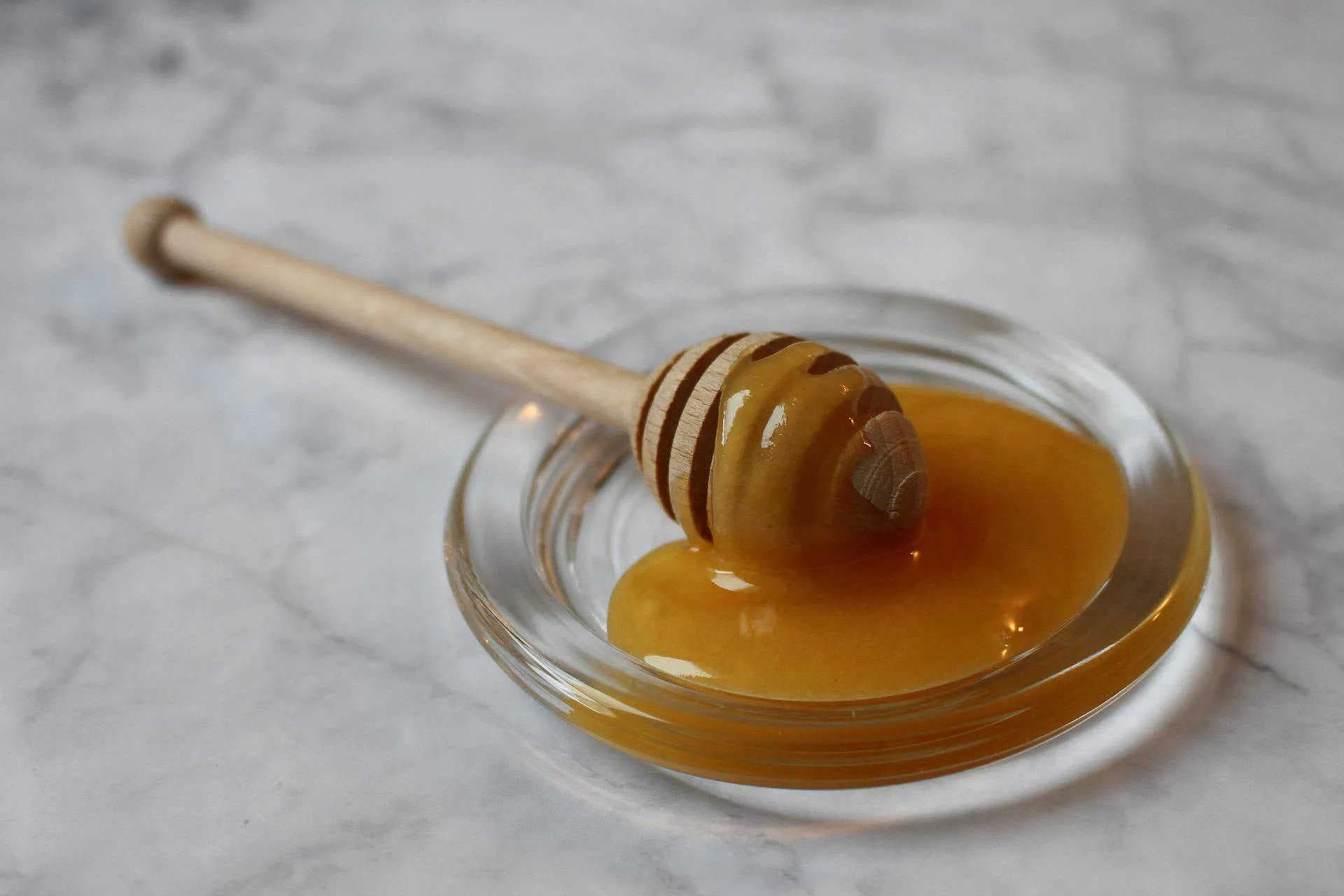
    The honeydew honey, also known as forest honey, is much less sweet than the other honeys, as it contains less sugar. It is reminiscent of bark to the taste and leaves a bitter aftertaste in the mouth, which may be reminiscent of the taste of soil. In some cases, such as fir honeydew honey, its flavour is reminiscent of caramel. Another immediately visible characteristic is the colour. Honeydew honey, in fact, ranges in colour from dark brown to almost black. Of the various types of honey, it is the one with the most minerals and trace elements: calcium, magnesium, manganese, sodium, potassium, copper, chromium and iron. For 100 g of honeydew honey, we have about 320 kcal.
    Honeydew honey

    Eucalyptus honey

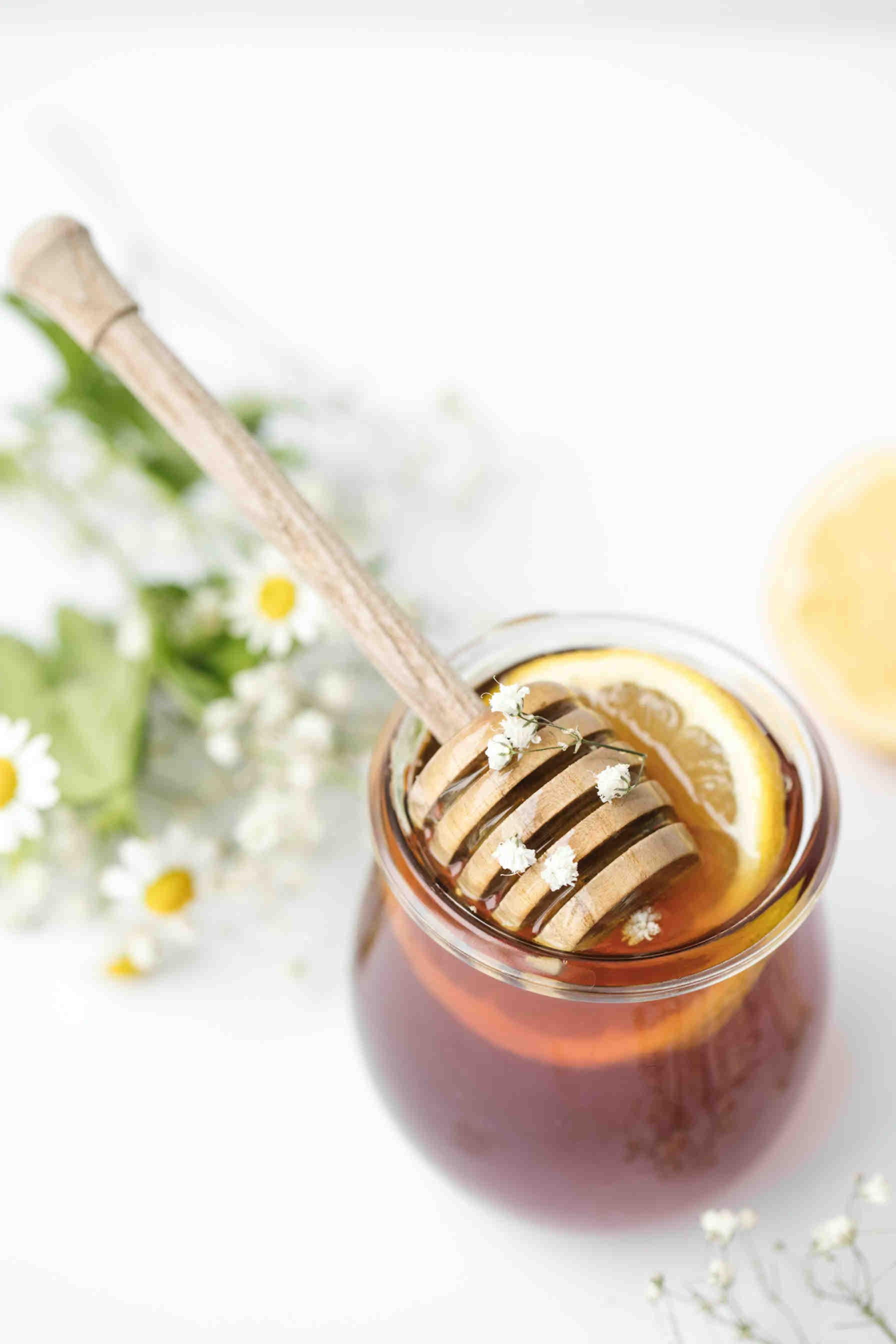
    The eucalyptus honey has an amber colour and a rather compact and dense consistency. It tends to crystallise quickly, within a few months, presenting itself in medium to fine crystals. Once crystallised, its colour changes to beige-greyish. The taste is often described as persistent, strong, intense, particularly balsamic and not overly sweet. The smell is reminiscent of dried mushrooms or bouillon cube, while the taste is comparable to liquorice and malt sweets. Eucalyptus honey is very rich in antioxidants, especially flavonoids. They are extremely useful in preventing inflammatory and degenerative phenomena and fighting free radicals.
    Eucalyptus honey

    Alfalfa honey

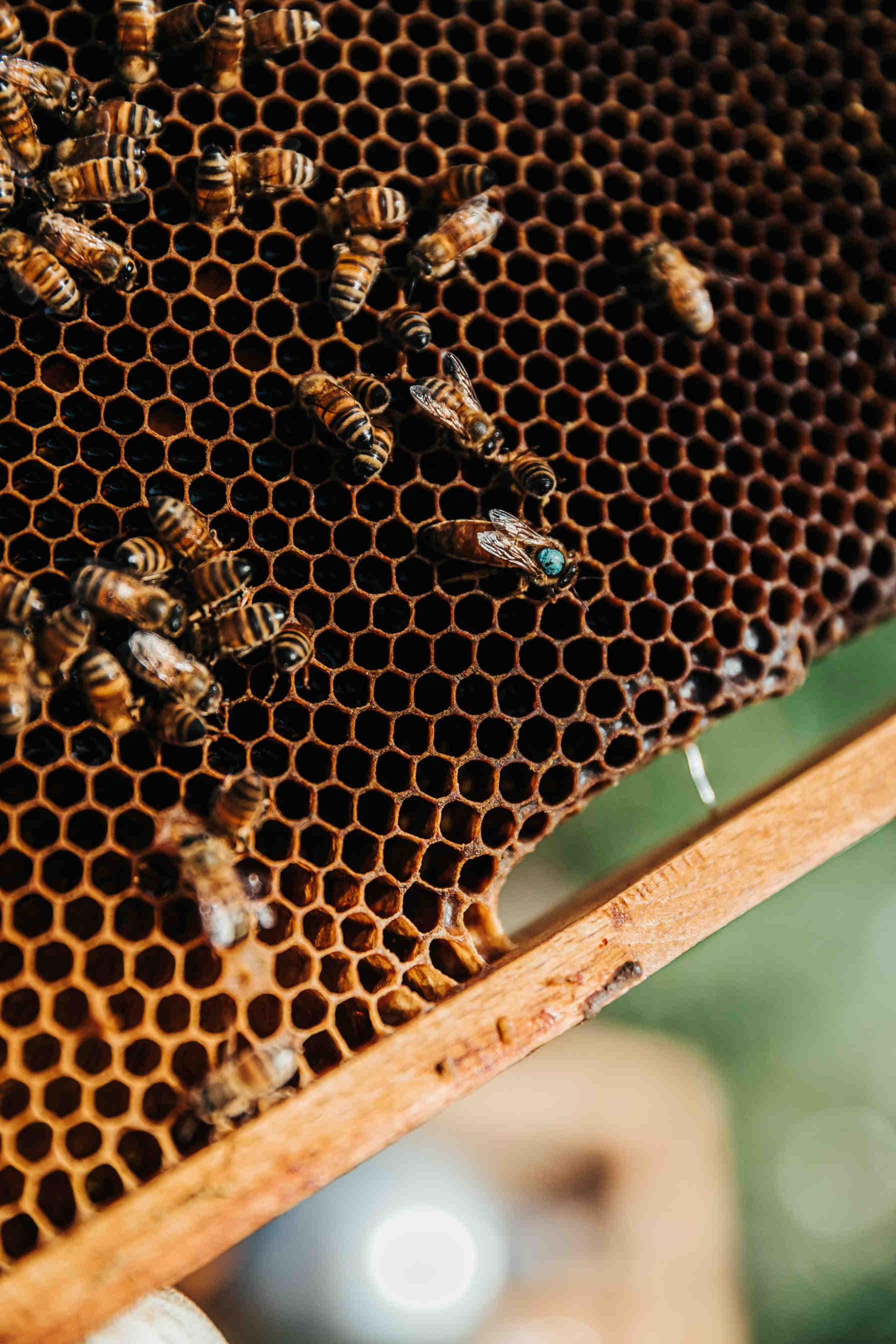
    The alfalfa honey is amber-coloured, only after the very rapid crystallisation it tends to beige-hazelnut. Smell and aroma are medium intense and persistent. The vegetal odour is slightly pungent and reminiscent of melted beeswax and wet grass. While on the palate, it is often reminiscent of the taste of cooked milk or grape must. Its therapeutic properties include anti-spasmodic, diuretic and energetic properties. It is highly recommended for sportsmen and women, immediately after training.
    Alfalfa honey

    Coriander honey

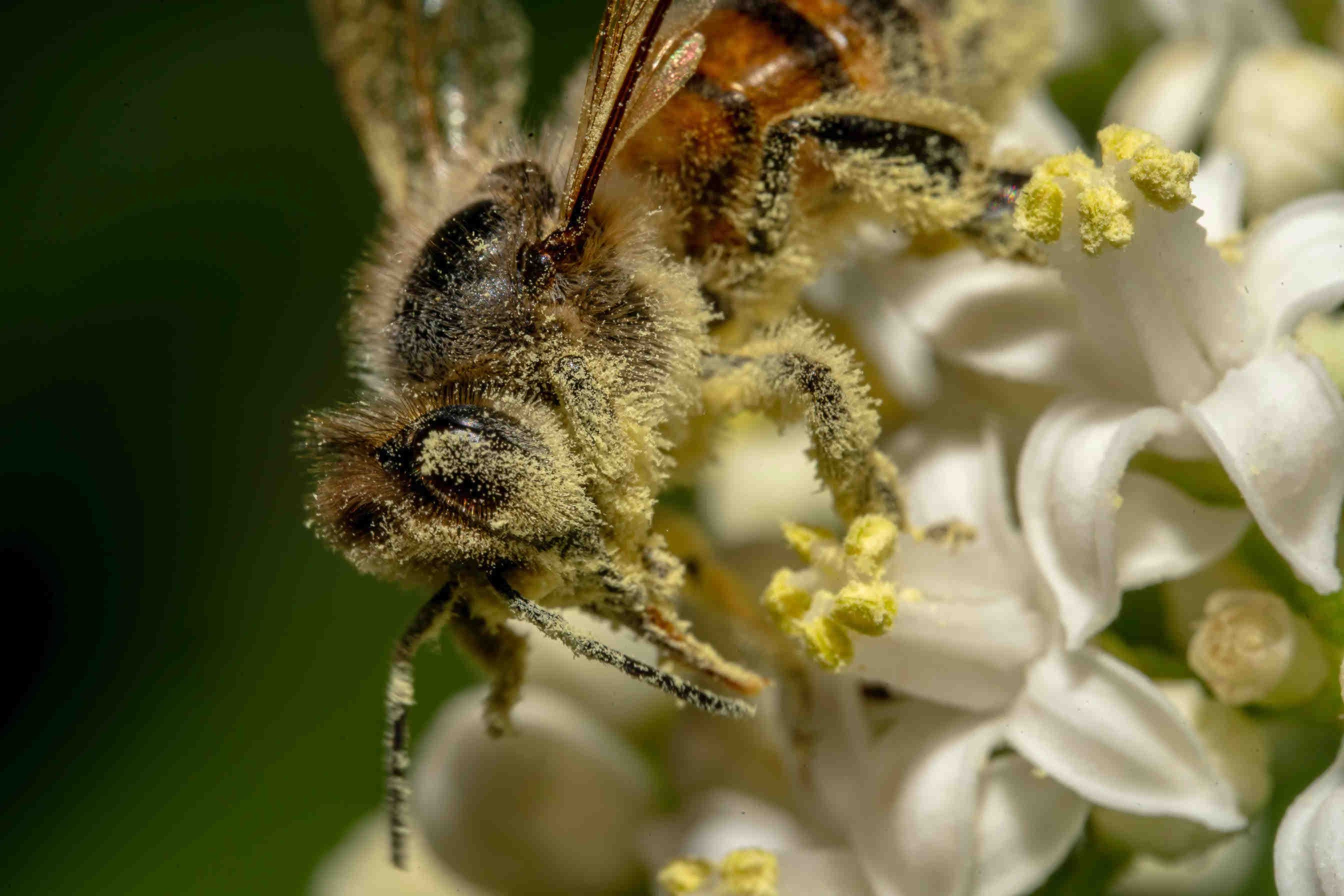
    The flavour of Coriander honey is medium sweet, with characteristic aromatic, spicy and sometimes vegetal notes. What is special about this honey is that it is very refreshing to the taste and the aroma has coconut and hints of toffee. The smell of Coriander honey, on the other hand, is very aromatic and at times reminiscent of coconut cosmetics. This honey is very suitable for people suffering from intestinal disorders against constipation, colic and gastritis. Not only that, it is suitable for improving the ciculatory system, as a digestive aid for proper digestion
    Coriander honey
    06/09/2022Of 3Bee, Elena Fraccaro
    2387 Views
    Newsletter
    newsletter
    Subscribe to the Blog about bees and biodiversity