Can chicken meat really be sustainable?
    ProblemSustainabilityThe 3 ValuesThe Chicken

    Can chicken meat really be sustainable?

    Can chicken meat be part of a sustainable diet? Let's explore meat sustainability together. We take a detailed look at environmental, social and ethical sustainability. People often talk about sustainability without fully analysing what methods are needed to assess it.

    Read the article
    15/01/2023Of 3Bee, Elena Fraccaro
    580 Views
    15/01/2023Of 3Bee, Elena Fraccaro
    580 Views

    Is chicken a problem today?

    The environment is changing and so is the way we have to think about meat consumption. With the world's population constantly increasing and the planet's resources becoming increasingly scarce, it is more important than ever to consider the sustainability of one's diet. In this article we will explore the sustainability of meat, with a focus on chicken. We will examine the environmental, social and ethical aspects of chicken meat production and consumption to determine whether chicken farming can become sustainable or is it greenwashing.

    What is sustainable meat?

    Sustainability is a term that has been used a lot in recent years, but what does it actually mean when it comes to meat? Sustainable meat is that which is produced in an environmentally friendly, socially just and ethically acceptable manner. This means that the production process does not contribute to the depletion of resources or pollution of the environment, that it is fair and humane to the animals involved and that it is respectful of the people working in the industry. To assess the sustainability of a meat product, the entire life cycle of the animal, from birth to death, including production and consumption processes, must be considered. This means examining the diet, housing and transport of the animal, as well as the processing, packaging, distribution and consumption of the meat.

    Foto di un pollo che ti guarda
    XNatura

    Exploring the sustainability of meat

    When it comes to the sustainability of meat, there are a few key considerations. First, there is the environmental impact of the production process, which includes the use of water, land and energy; this has a direct relationship with climate change. Secondly, there is the social impact of the industry, which includes the working conditions of the people involved and the economic effects of the industry. Finally, there is the ethical aspect of the industry, which includes the treatment of animals, the welfare of the animals involved and the impact of pandemics that it could generate through spillover phenomena.

    Is chicken really sustainable?

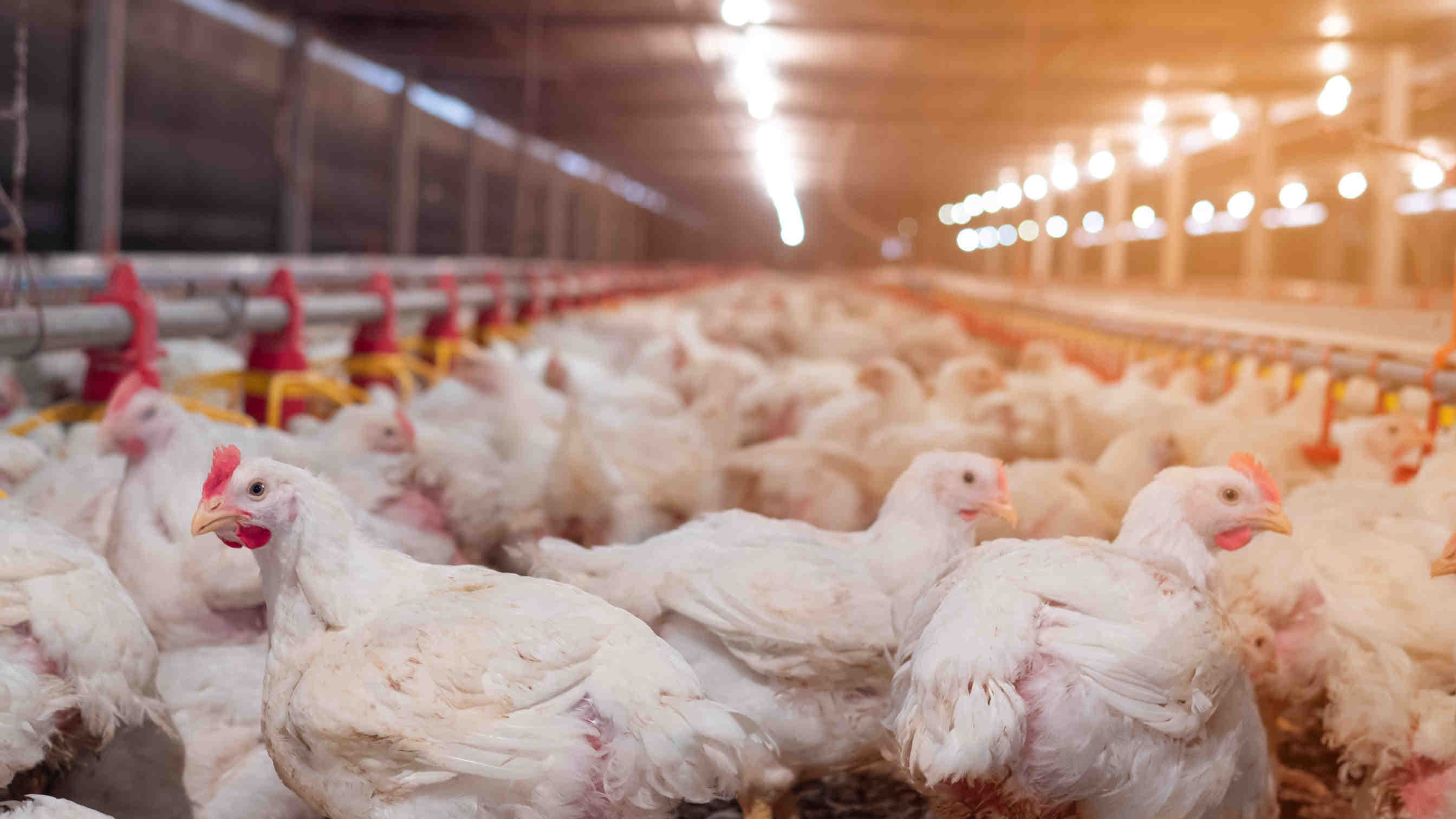
    The sustainability of chicken production and consumption is a hotly debated topic. On the one hand, chicken is a relatively cheap and widely available source of protein, making it an attractive option for many people. On the other hand, there are concerns about the environmental and ethical implications of intensive chicken farming. The debate on the sustainability of chicken is related to the way it is produced. Intensive chicken farming has been criticised for the lack of transparent standards (why not put cameras on open farms? cheap and easy too) of animal welfare and high levels of pollution (why is there no environmental impact written on the packaging?). However, there are also arguments in favour of intensive chicken farming, such as its potential to reduce food waste and its efficiency in producing a large amount of protein in a small area (is it ethical?).

    Allevamento di polli broiler
    XNatura

    Analysis of the pros and cons of chicken meat

    It is important to analyse the pros and cons of chicken as a sustainable meat source in order to make an informed decision on its sustainability. On the positive side, chicken is a relatively cheap and widely available source of protein, making it consumed by billions of people. It is also relatively low in fat and cholesterol, making it a healthier choice than other meats. Furthermore, chicken can be produced in an intensive farming system, which can reduce the amount of land and water needed for production. The impact on climate change is less than with free-range production (crazy, isn't it?). Intensive farming systems are often overcrowded, which causes stress and poor health in animals. In addition, intensive farming systems make extensive use of antibiotics, which can have a negative effect on human health.

    3Bee

    Social sustainability of the chicken market.

    In addition to the environmental and ethical considerations of chicken production, it is important to consider the social sustainability of the market. The poultry industry employs millions of people, from farmers to processing plant workers, so it is important to ensure that these workers work under safe and fair conditions. Chicken meat is also the main source of protein for more than 50% of the world's population, often ranking first or second as the most consumed food. This leads us to say that chicken, whether it makes us happy or not, is such an ingrained food that it is part of human DNA. We must therefore work on making this meat and the farming methods an excellence in terms of environmental and ethical sustainability.

    allevamento di posto estensivo

    Environmental sustainability of chicken, intensive vs. extensive.

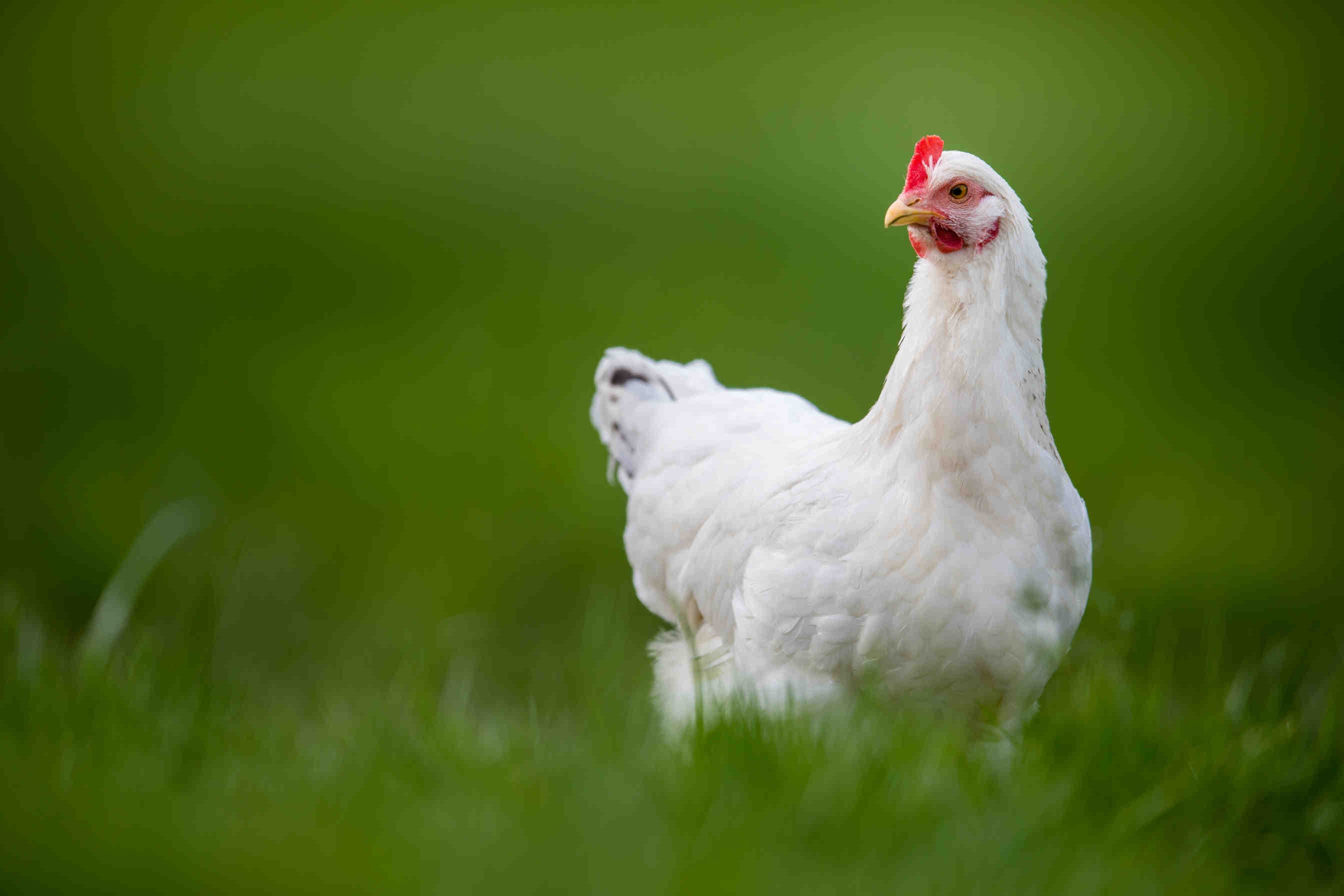
    When examining the environmental sustainability of chicken production, two main types of production systems must be considered: intensive and extensive. Intensive farming systems are characterised by the use of industrialised production methods on a large scale. Extensive farming systems, on the other hand, are based on more 'natural' production methods, such as free-range and organic farming. This is where mathematics comes in. For each chicken raised, how much pollution is generated? You will be shocked to learn that industrial farming consumes less soil, produces less pollution and produces fewer greenhouse gases. Paradoxically, a closed engineering system is better than an open, uncontrolled system. However, an ethical debate opens up here, what about the welfare of the animal?

    Ethical sustainability of chicken meat.

    The ethical sustainability of chicken meat production and consumption is also important to consider. For chicken to be ethically sustainable, it must be produced in a way that respects the animals and people involved. This means ensuring that animal welfare standards are met and that workers are treated fairly. How to absolutely define that an animal is happy is really difficult to measure. However, it is possible empathically to understand that an animal in the open air that can walk is better than an indoor broiler that cannot stand up because it is too heavy and often dies because its legs break. A well-groomed and clean animal is better than a dirty one. An animal that is active and vital is better than one that is dull and makes no noise.

    Conclusion: there is no one answer that satisfies everyone

    In conclusion, meat can hardly be uniquely defined as sustainable. It is important to consider the environmental, social and ethical implications of its production and consumption. Eating organic and free-range chicken will still have important environmental implications. There are currently no comprehensive labels, certifications and often those who raise chickens rely on unsuitable labels. Discover 3Bee's sustainability trails to learn more about how we measure, analyse and regenerate our planet's biodiversity.

    15/01/2023Of 3Bee, Elena Fraccaro
    580 Views
    Newsletter
    newsletter
    Subscribe to the Blog about bees and biodiversity