Fiery January: the effects of climate change
    CausetemperatureItalyPollinators

    Fiery January: the effects of climate change

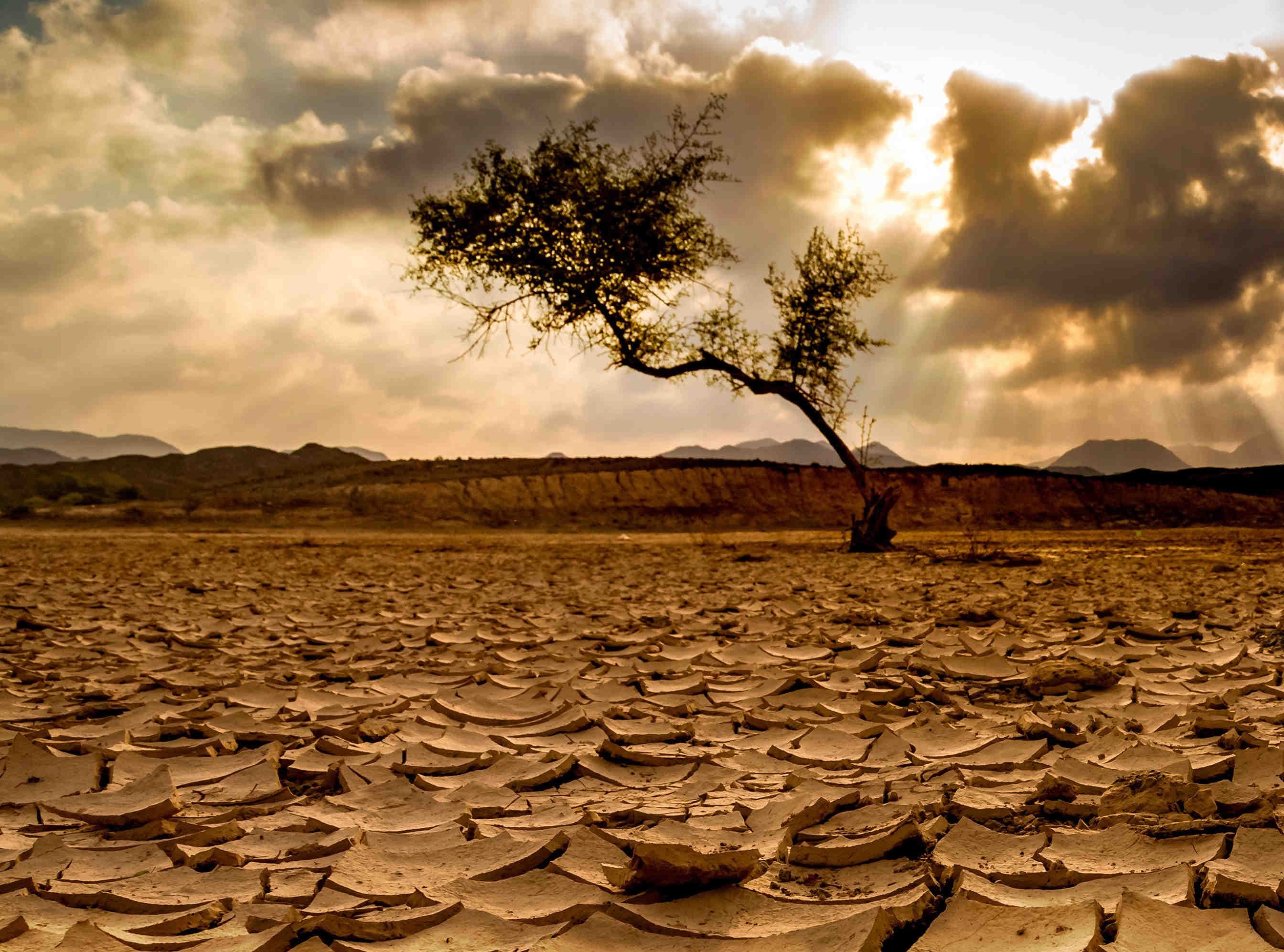
    January was a particularly hot month in many parts of the world. This phenomenon has been linked by scientists to climate change. Many areas of the world are facing more frequent and intense fires, droughts and floods, putting ecosystems and pollinators at risk.

    Read the article
    16/01/2023Of 3Bee, Elena Fraccaro
    344 Views
    16/01/2023Of 3Bee, Elena Fraccaro
    344 Views

    Introduction to climate change

    Climate change is a global phenomenon caused by increasing emissions of greenhouse gases, such as carbon dioxide, into the atmosphere. These gases trap heat and increase the temperature of the Earth's atmosphere and oceans. The global average temperature has increased by about one degree Celsius since pre-industrial times, and most of this increase has occurred since the 1970s. Human activities, such as the burning of fossil fuels, are the main cause of this temperature increase. Climate change has adirect effect on the entire environment. Plants and animals will be forced to adapt to changing conditions or risk extinction.
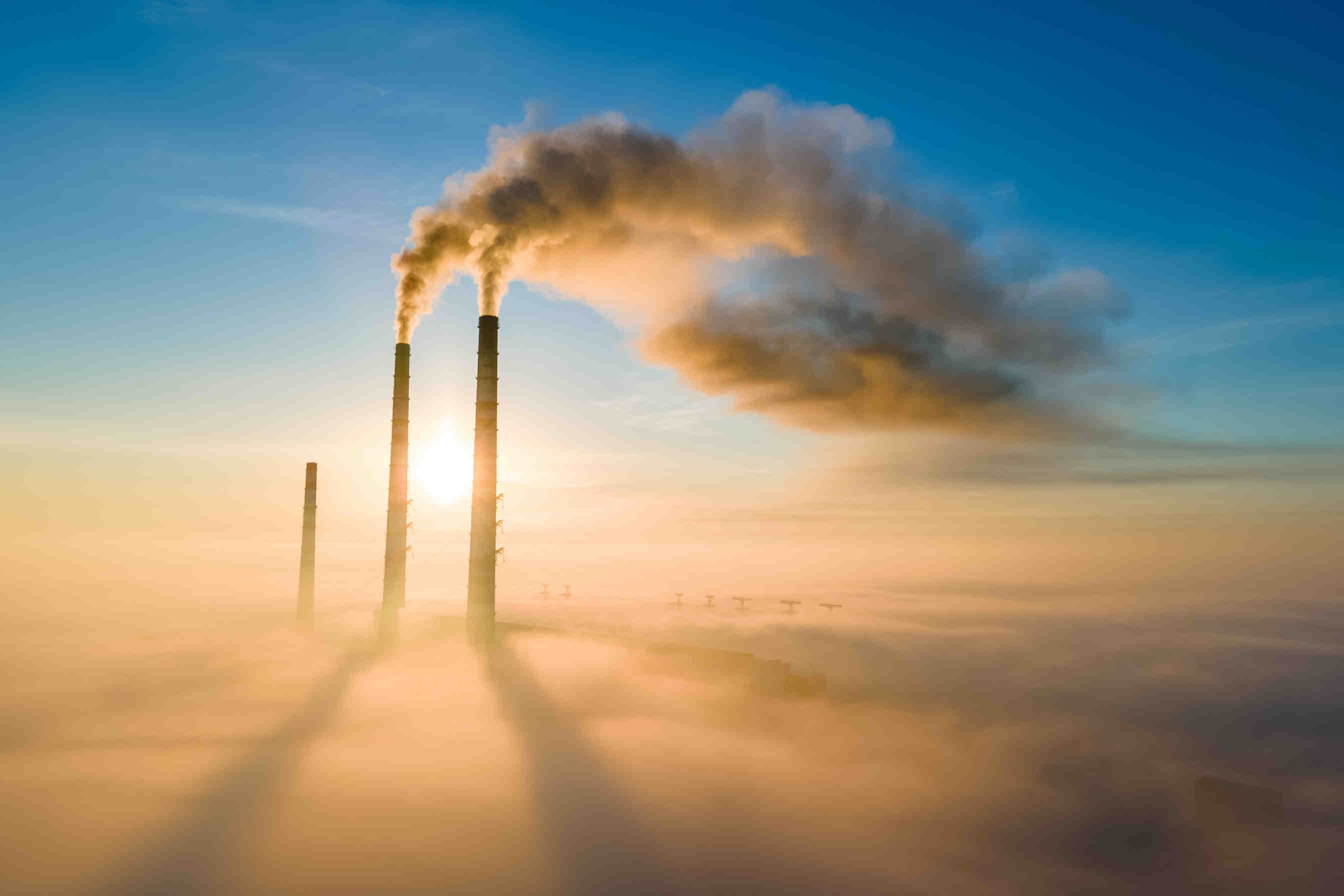
    riscaldamento globale 2022

    What is happening and what will happen

    The year 2023 is beginning with abnormal temperatures in Europe that have been 15 degrees above average. This was caused by a dome of high pressure that trapped warm air from Africa. However, this extreme climate event was influenced by the climate crisis . Furthermore, 2023 is expected to be even warmer than 2022 due to the weather phenomenon El Niño, which causes a warming of the ocean surface in the Pacific and influences weather conditions worldwide. An abnormally warm winter could lead to an increase in pests and disease vectors, as well as a decrease in the number of pollinators. This could have a devastating effect on the planet's biodiversity.

    ape morta
    XNatura

    Global warming and weather conditions in Italy

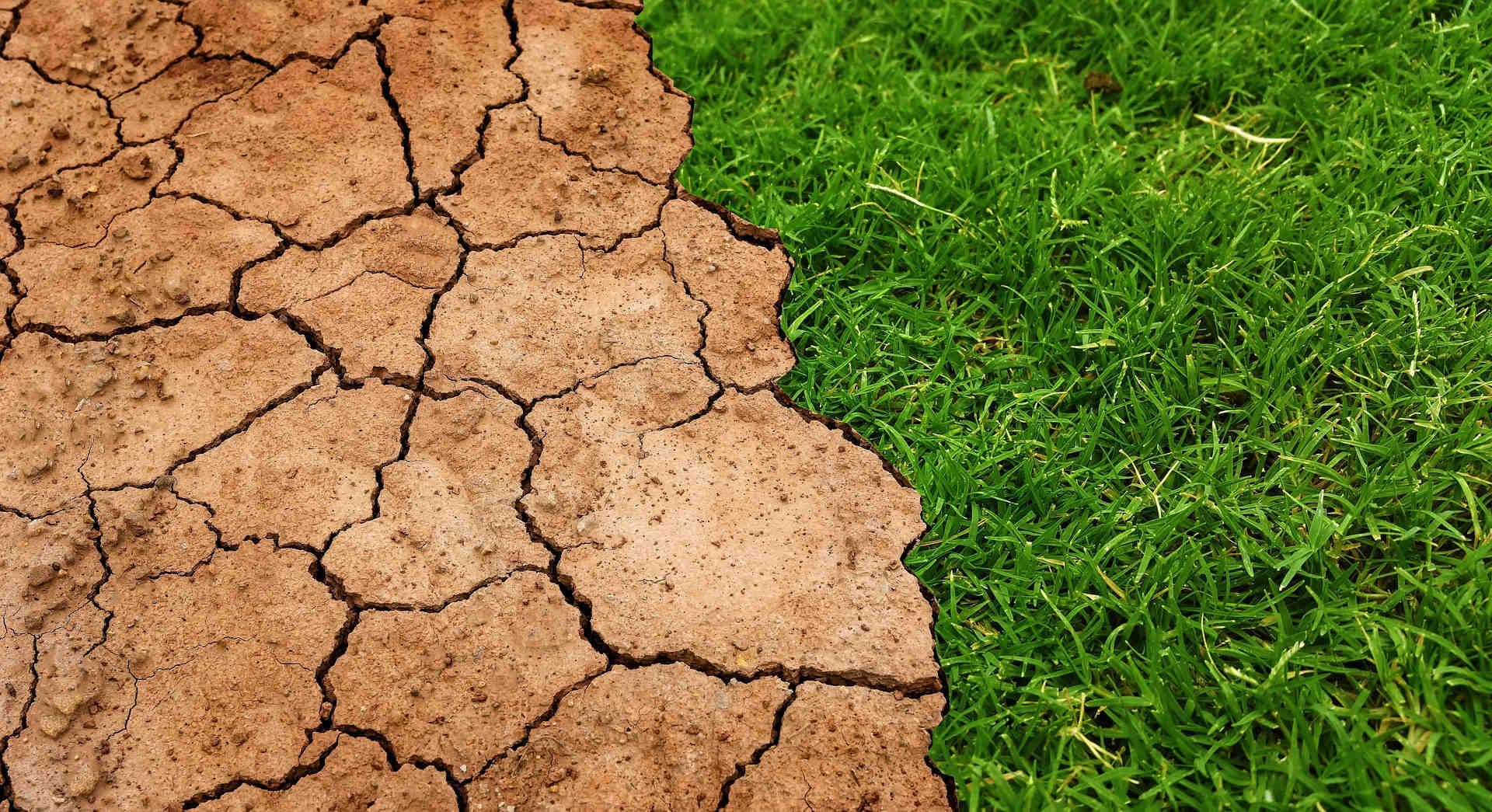
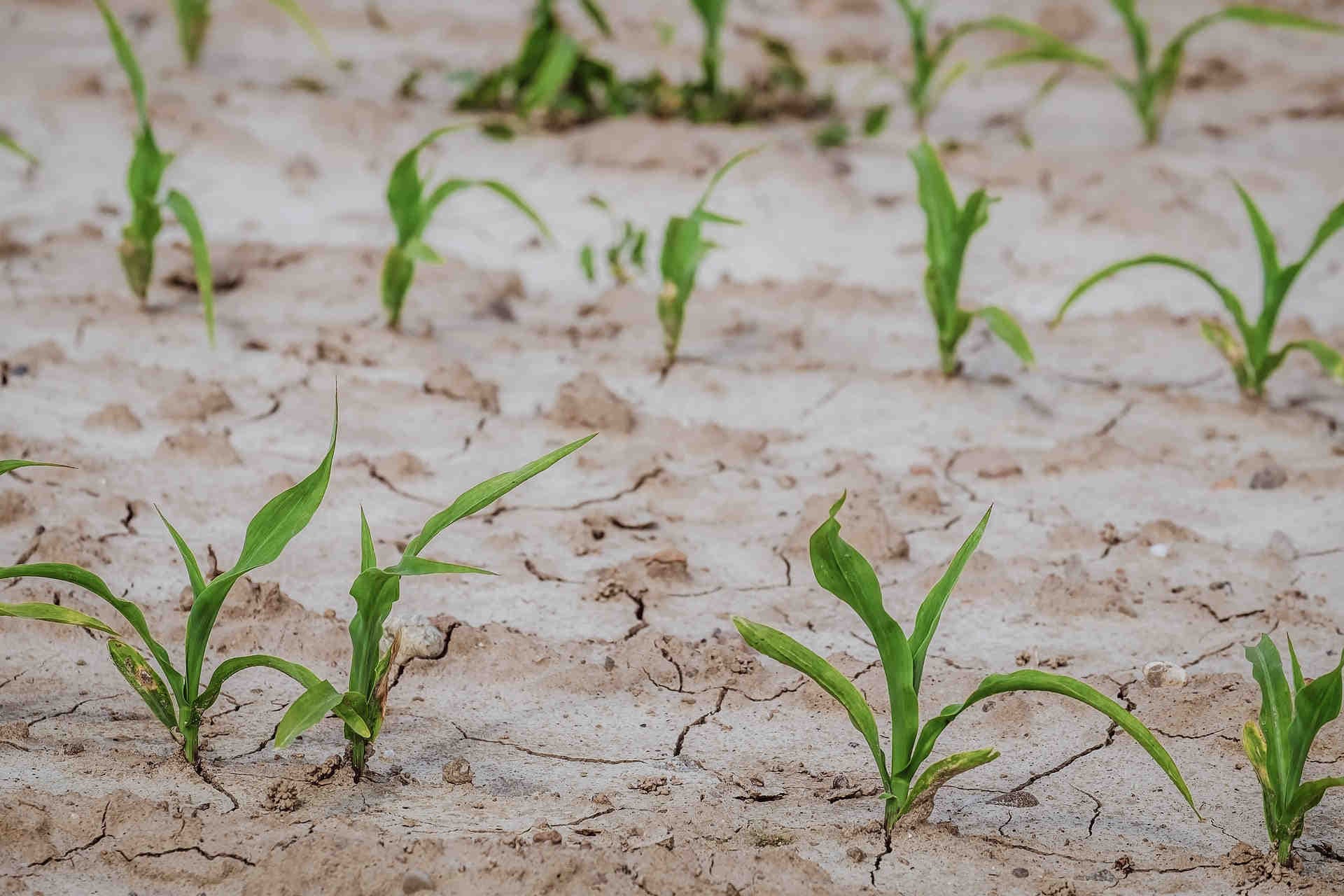
    Italy is expected to be particularly affected by this warm winter. The average temperature in Italy will increase by as much as 3 degrees Celsius by the end of the year. This is a significant increase in temperature compared to the 20th century average. Warmer temperatures will have a significant impact on weather conditions in Italy. The summer months will be drier than usual, increasing the risk of droughts and water shortages. Warmer temperatures will also have animpact on the Italian agricultural industry, causing crops to ripen earlier, resulting in a shorter growing season. This could have a serious impact on crop yields and lead to a increase in food prices for Italian consumers.
    melo selvatico

    The impact of climate change on pollinators

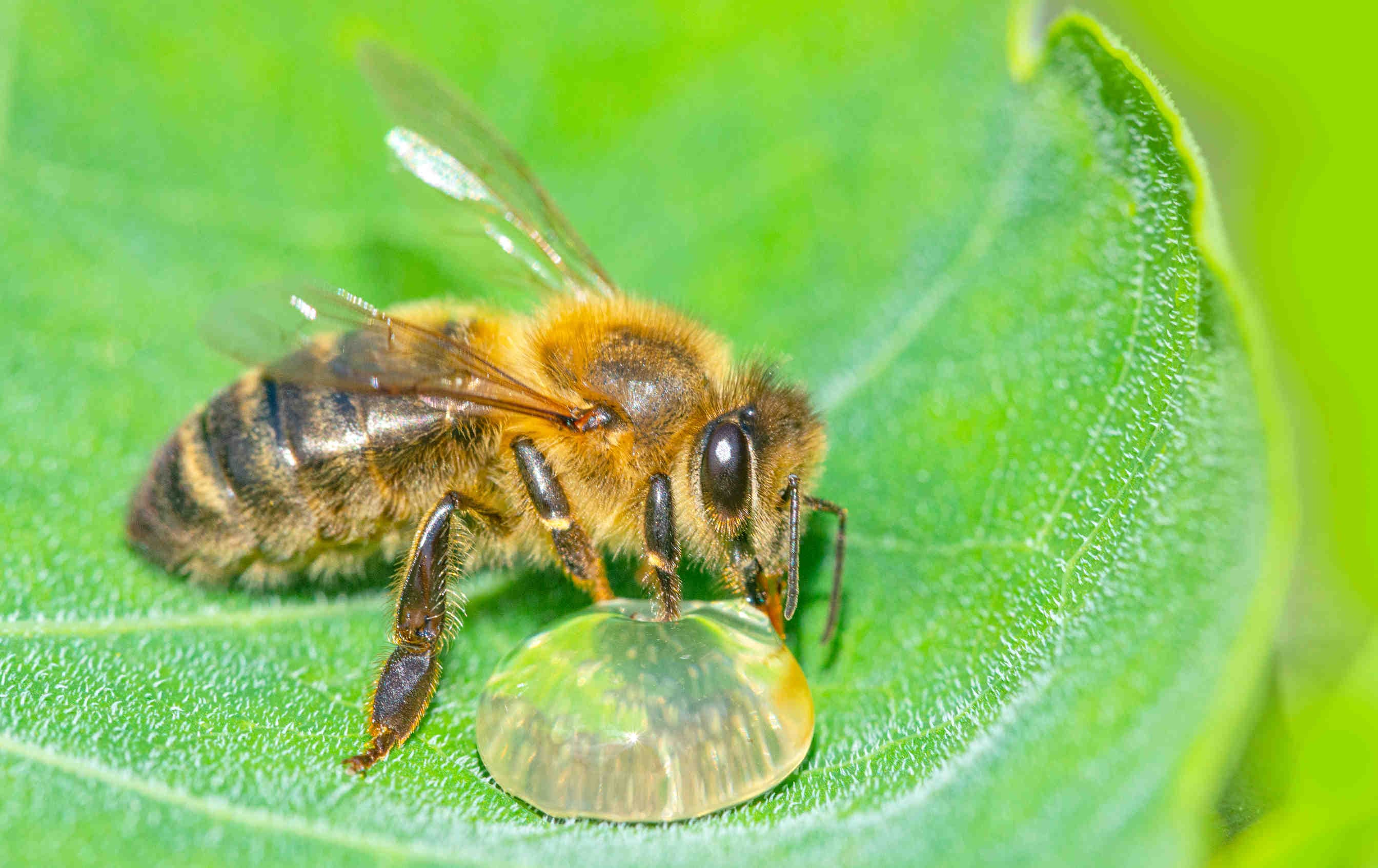
    Climate change is also having a significant impact on pollinators, including bees. Bees are an important part of the ecosystem and play a key role in pollination. However, rising temperatures and extreme weather conditions are making their survival increasingly difficult. . The sudden heat could cause bees to leave the hives earlier than usual, resulting in a decrease in pollination activity. The risk is that an imbalance would be created between the flowering period and the pollinators' search for food. There would also be an increase in the number of pests and disease vectors. Droughts and floods contribute to making life difficult for pollinators by destroying their habitats.
    ape che beve
    XNatura

    How to help pollinators

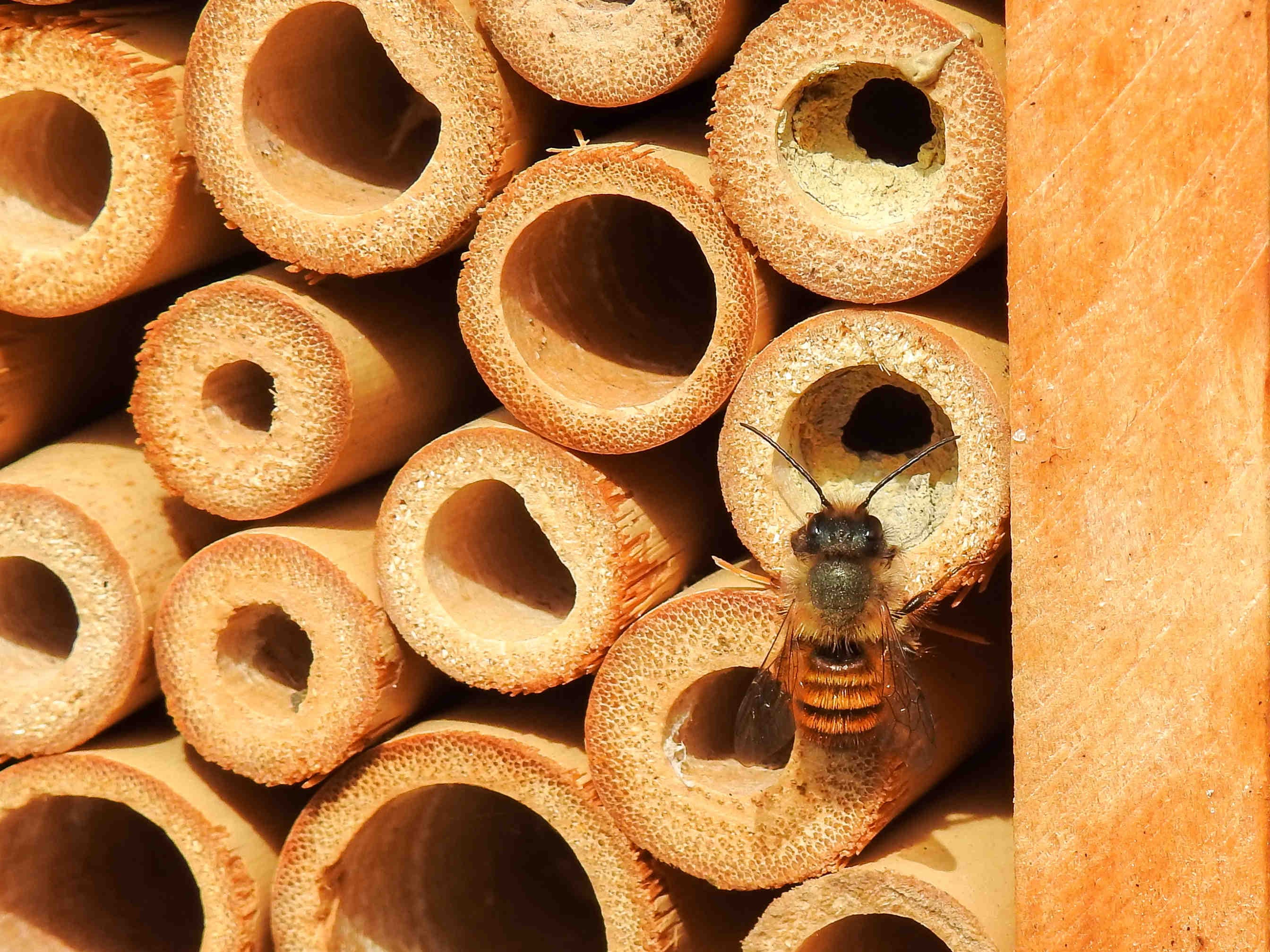
    One of the best ways is to create a pollinator-friendly garden. For this purpose, wild flowers and other plants that attract them such as lavender, sunflowers and dandelions can be planted. It is also important to avoid the use of harmful plant protection substances that can harm them. Another way to help pollinators is to provide them with a safe place to nest, for example by placing a Polly House in your garden for wild bees. It is also important to provide asource of water, using for example a flat dish to allow a safe landing. Finally, it is important to make the public aware of the importance of bees and the impact of climate change on them.

    Bug Hotel
    3Bee

    What 3Bee does

    Climate change is one of the biggest threats to biodiversity worldwide, and 3Bee is playing an increasingly important role in the regeneration and protection of biodiversity. By monitoring hives with Hive-Tech technology and using ESA satellites to track pollen and nectar blooms, 3Bee is able to provide vital data on the health of bee colonies. The ESA satellites provide an incredible level of detail on the vegetation index (NDVI). This data is used to identify areas at risk and to plan future tree plantations. The nectariferous trees planted by 3Bee were carefully selected for their ability to provide a reliable source of nectar and pollen for bee colonies. In addition, these trees also provide a habitat for other species, leading to greater biodiversity in the areas where they are planted.
    pianta in vaso
    16/01/2023Of 3Bee, Elena Fraccaro
    344 Views
    Newsletter
    newsletter
    Subscribe to the Blog about bees and biodiversity