Chestnut honey: characteristics and properties
    3Bee approachChestnutBenefitsFeatures

    Chestnut honey: characteristics and properties

    At 3Bee, honey is a symbol of the hard work of pollination performed by bees and the realisation of their contribution to the ecosystem. Our projects support biodiversity and through our growers ensure a healthy environment for pollinators.

    Read the article
    26/06/2018Of 3Bee, 3Bee
    7623 Views
    26/06/2018Of 3Bee, 3Bee
    7623 Views

    3Bee's approach to biodiversity protection
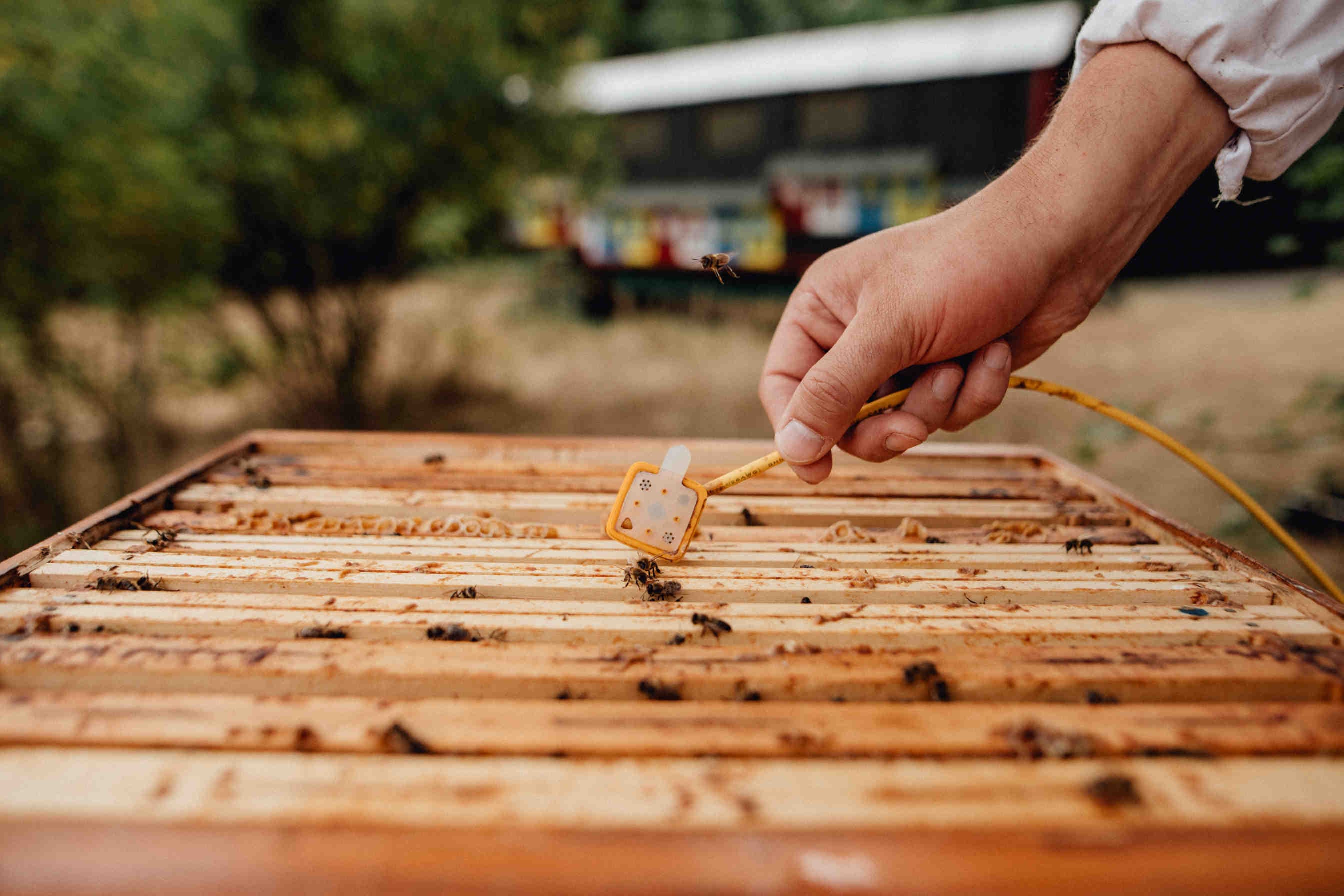
    3Bee is the nature tech company that develops technologies for the protection of biodiversity. Hive-Tech is 3Bee’s first sensor that allows precise monitoring of the health status of honeybees, environmental protectors par excellence. Over time, we have developed other technologies to study and monitor pollinating insects and created more than 100 Biodiversity Oases with thousands of nectariferous plants to provide them with nourishment. Thus, we want to create a virtuous circle: our beekeepers are transformed by necessity into Cultivators of Biodiversity and promoters of environmental biodiversity. We do not encourage massive production and intensive breeding, which have a negative impact on biodiversity and pollinators. However, we recognize the value of honey as a precious symbol of an ecosystem’s biodiversity and as a tool to raise awareness about the commitment to and protection of an area, to be consumed with moderation and respect for the life cycle of these insects.

    3Bee Hive-Tech

    Chestnut honey: what is it and where does it come from?

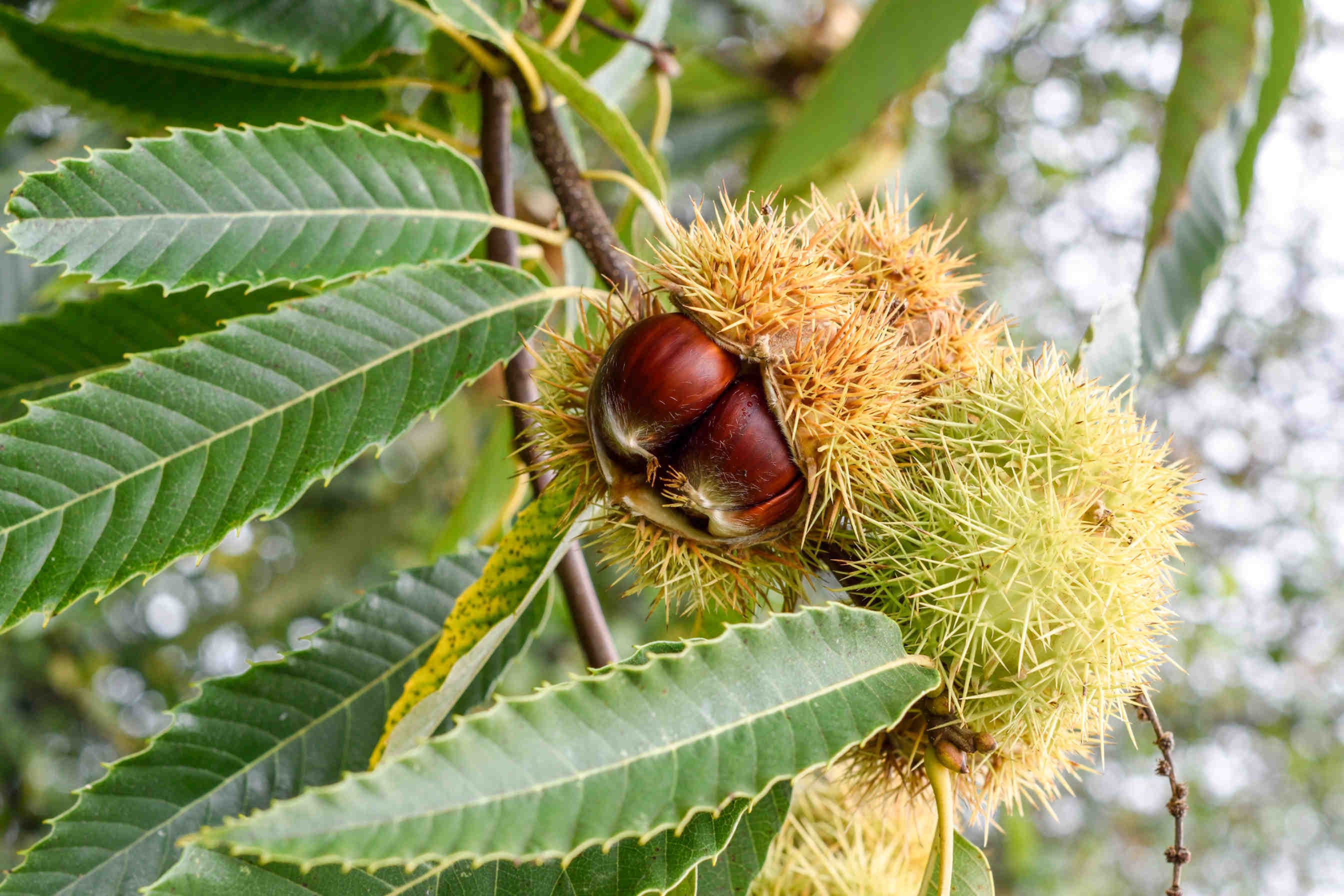
    As the name suggests, this honey is produced from the flower of the chestnut tree . The latter is a tree whose height varies between 10 and 30 metres, very long-lived, and whose flowers bloom in June-July. It is widespread in Portugal and northern Spain, in France, in Italy along the Alps and Apennines, in parts of the Balkans, in Greece and northern Turkey, along the entire Black Sea and extending as far as the Caucasus region. A very important presence in southern Europe, since ancient times it has played a central role for the inhabitants of those territories, who exploited it both for timber and for its seeds (yes, you got it right, the chestnut is a seed!), from which a flour is made that has long been a precious source of sustenance for rural populations.

    XNatura

    Chestnut honey: the benefits

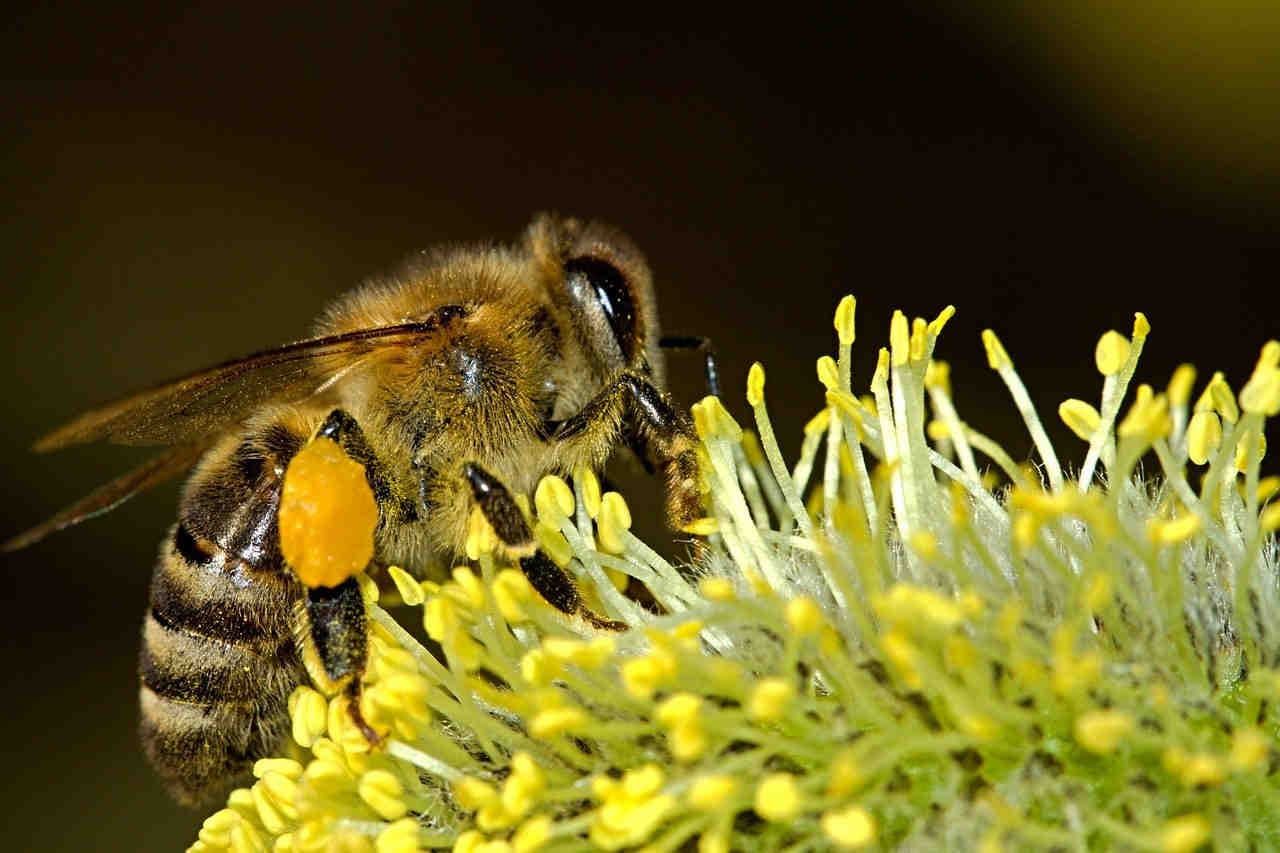
    Thanks to the presence of flavonoids and polyphenols, it is a food with interesting antioxidant effects. As we had seen when discussing the various benefits that result from constant consumption of honey, the darker a honey is, the more considerable its antioxidant action. This is why it is very useful to fight the negative effects that free radicals have on our organism. Moreover, it is very rich in minerals, such as potassium, iron, calcium, magnesium, sodium and manganese. It also boasts a good concentration of pollen, a source of protein, thanks to which it is a very nutritious honey. For this reason, it is a very useful source of energy for sportspeople, children, the elderly and those in a state of convalescence.Common property of all types of honey, chestnut honey is also a powerful anti-inflammatory and anti-bacterial.
    Chestnut honey: the benefits

    Chestnut honey: characteristics

    From the flowers of this plant, bees extract a very special honey. Chestnut honey is one of the darker honeys, the colour of which is a very intense brown, sometimes tending to black. The smell is often described as acrid, pungent and very strong. The taste reflects its scent and is often described as bitter and sharp. Sweetness, therefore, is not really its hallmark: for this reason it may not be suitable as a sweetener for food and drink, although it is much more often sought after for this very characteristic. Like any type of honey, depending on the year and place of origin, it may present more or less peculiar aspects. It is naturally a rather liquid honey, which hardly crystallises. This is due to the greater presence of fructose than glucose.

    XNatura

    Chestnut honey: how to choose it?

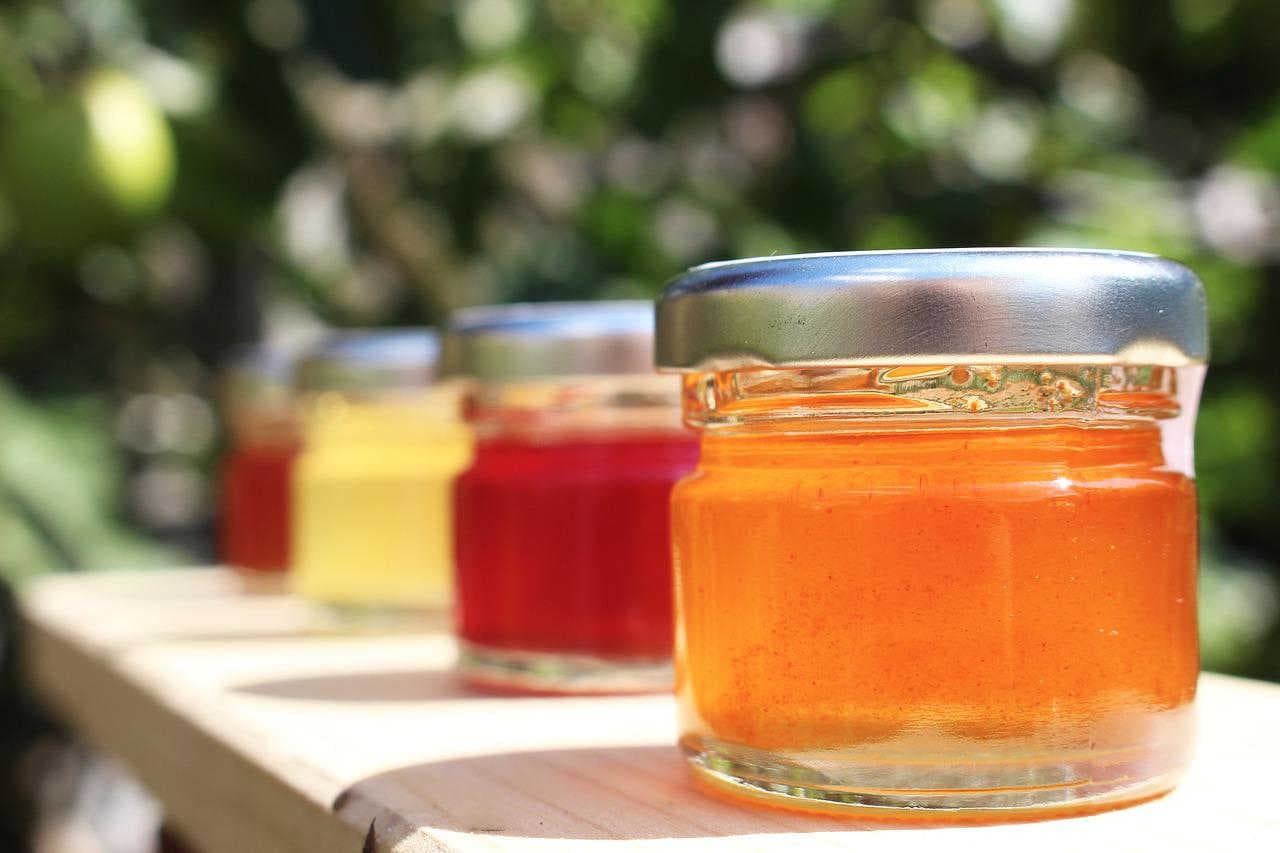
    To be able to fully enjoy all these benefits, however, it is necessary to remember that the honey one chooses must be raw, not subjected to any kind of adulteration or industrial processing that would change its characteristics. Very often, in fact, to meet the demands of large-scale distribution, honey is subjected to special procedures such as pasteurisation, which, however, deprives the product of all its beneficial properties. This is why the choice of what to consume is becoming increasingly important.
    Chestnut honey: how to choose it?
    3Bee

    Chestnut honey: uses in cosmetics and cooking

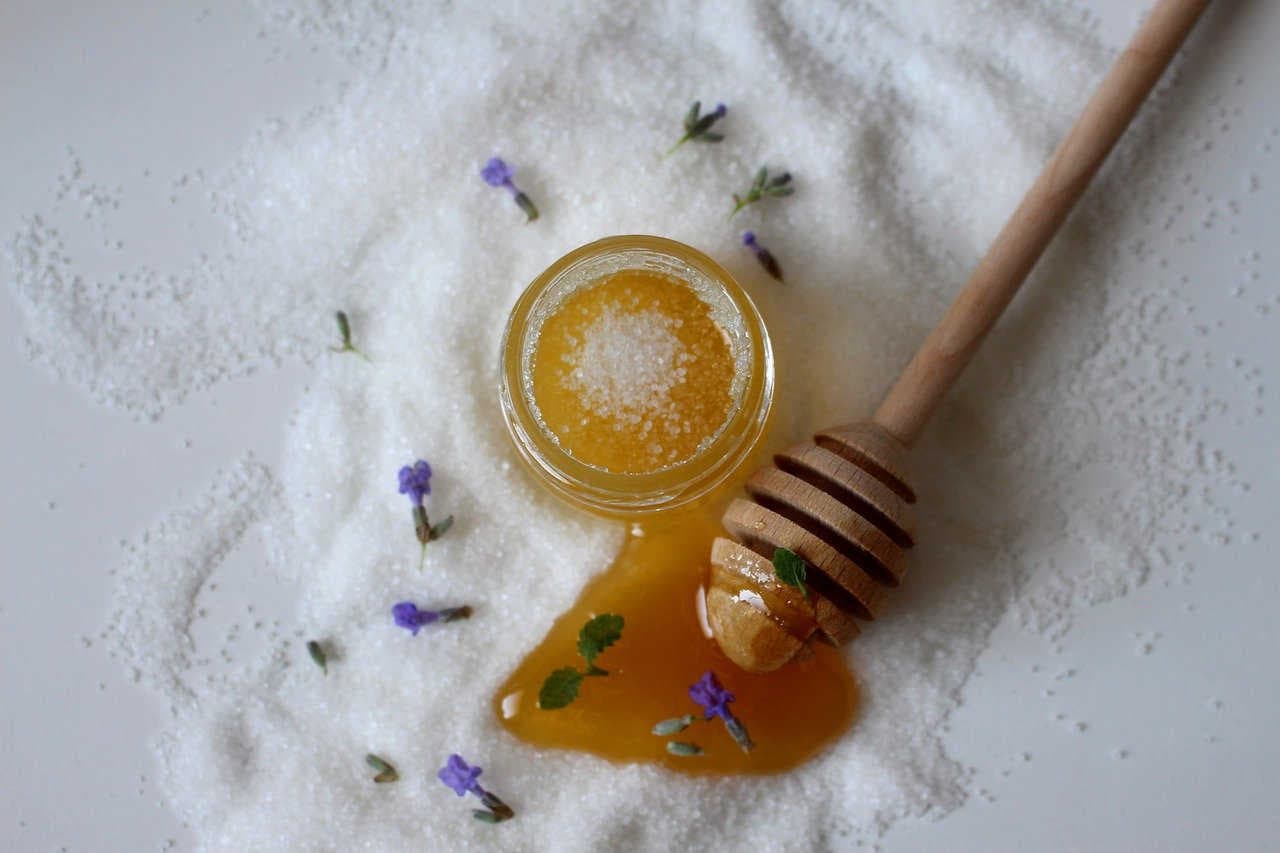
    Chestnut honey is also very popular in cosmetic and culinary. Thanks to its nourishing and soothing properties, it is often used as an ingredient in skin and hair masks, while it is highly valued with very mature cheeses, roast pork or white meat. As we mentioned earlier, choosing the right honey is essential to really enjoy its many benefits. Always choose a local, Italian product, produced by your trusted beekeeper, whose origin is controlled and safe. By adopting a 3Bee hive you will not only have a top-quality product in your home, but you will also be able to monitor the bees that produce it in real time!
    Chestnut honey: uses in cosmetics and cooking

    The importance of honey

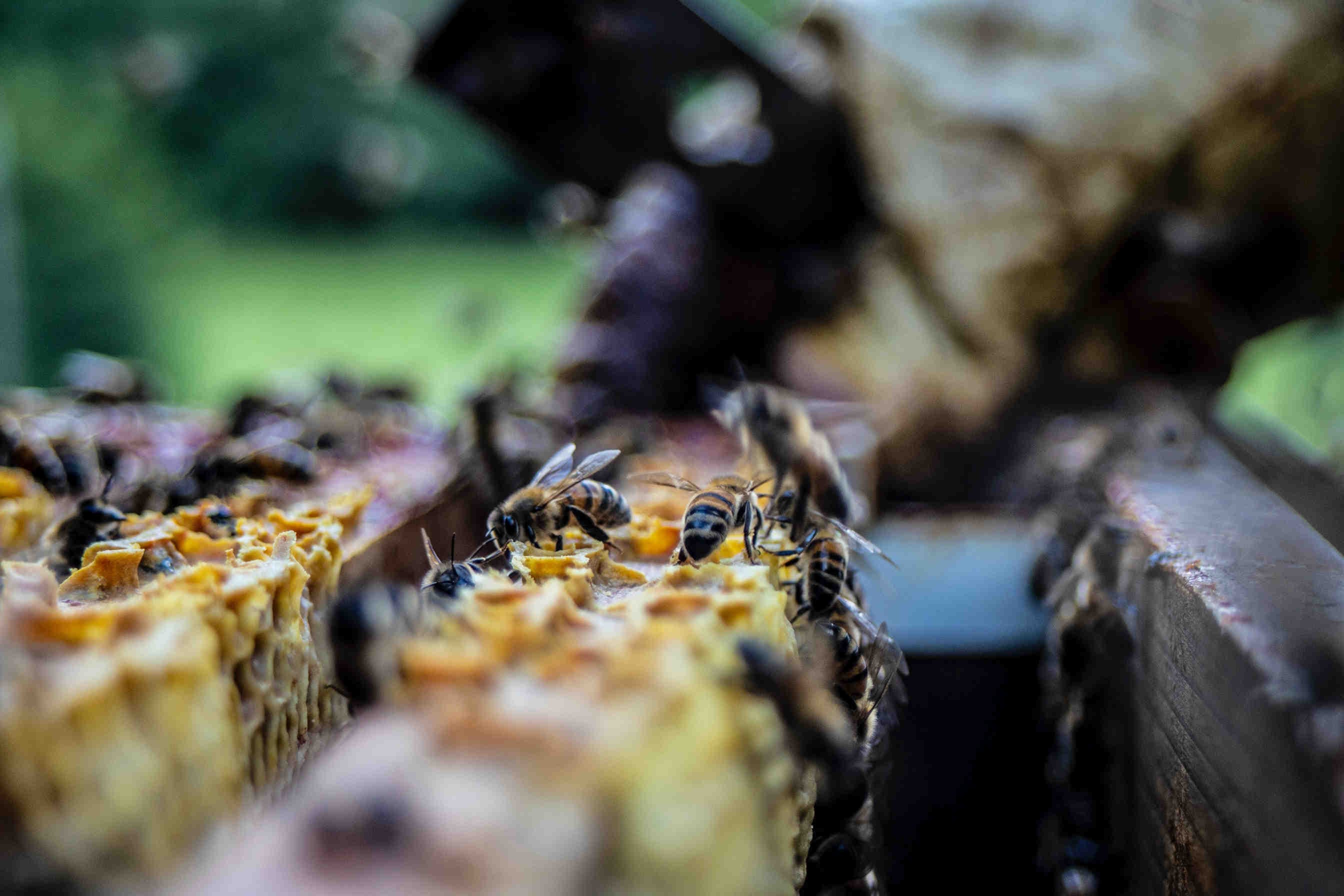
    The information contained in this blog concerns the importance of honey as the fruit of the indefatigable work of bees that transforms the collected nectar (including extra-floral nectar and honeydew) into a precious food product that encompasses the biodiversity with all the countless facets present in the hive's surroundings. Environmentally speaking, honey is the symbol of the bee's pollination activity, flying from flower to flower to collect nectar and, in so doing, transporting the pollen, becoming the vector for the pollination and reproduction of tens of thousands of plant species. honey is still a little-known product, often devalued in its quality or sold as a panacea for all ills. Like all foods, however, it must be consumed with moderation and care as it contains a high content of simple sugars. But it is not in its basic values that its most important quality lies.
    importanza miele 3bee

    Positive effects on the environment

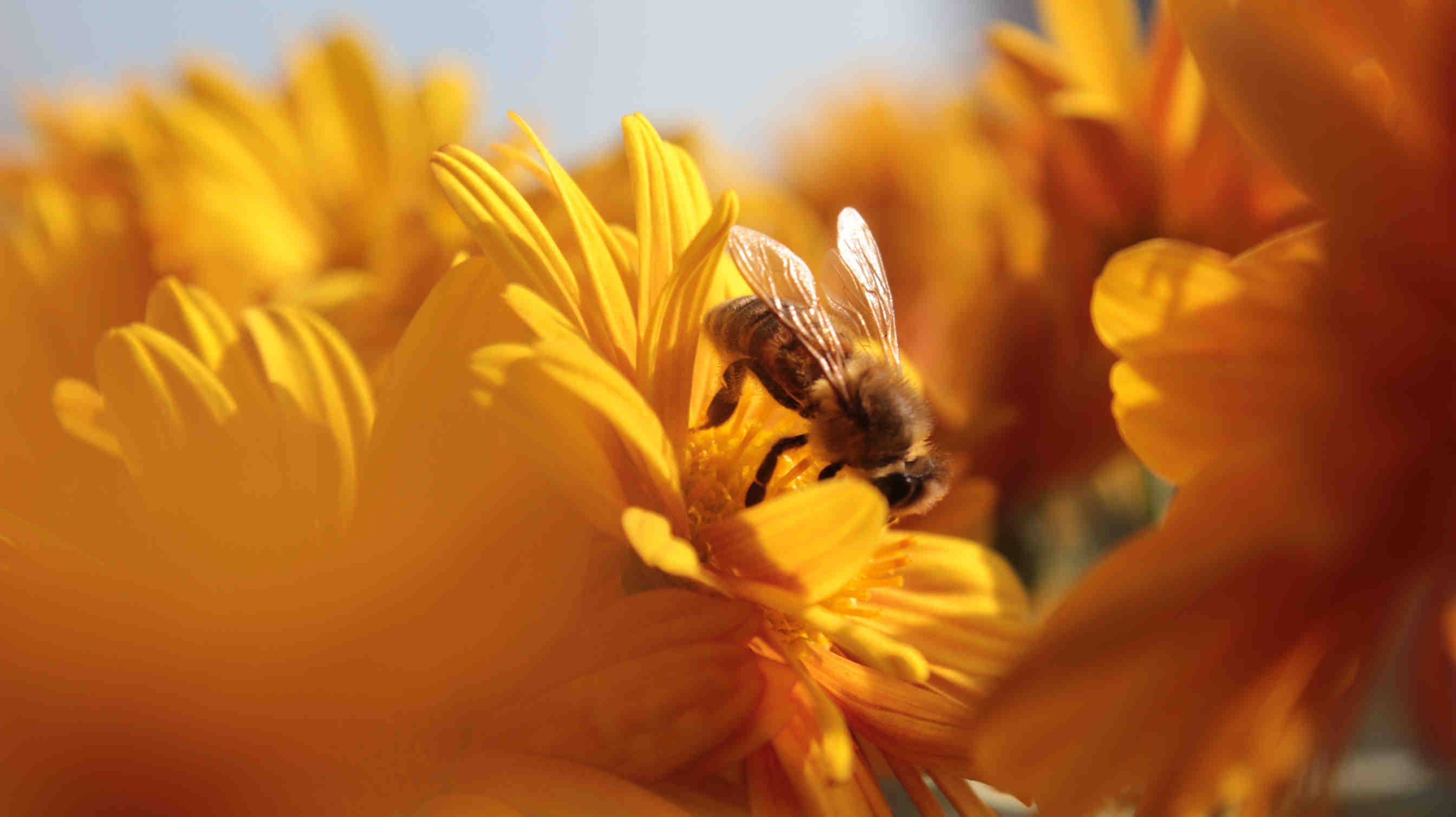
    The aim of this blog is to promote and disseminate a deeper understanding of the crucial role of bees for the preservation of our ecosystem and for the continuation of scientific research directed towards the identification of more sustainable agricultural practices aiming at the regeneration of entire areas. The choice of honey goes far beyond what is written on the label. The true value of honey is linked to its method of production, whether it is respectful of bees and the ecosystems they inhabit. Favouring non-intensive beekeeping practices and promoting the best actions to support the health of the hive are the cornerstones of our activity. The beekeeper for us is not a breeder, but a true 'Grower': he cultivates, cares for and nurtures true Oases of Biodiversity, paying attention not only to bees, but also to ecosystems and their balance.
    importanza biodiversità
    26/06/2018Of 3Bee, 3Bee
    7623 Views
    Newsletter
    newsletter
    Subscribe to the Blog about bees and biodiversity

    Frequently Asked Questions

    Do you have any doubts or other curiosities about this article? Here you will find some insights
