The Cherry Tree: Ally of Pollinators
    MapFloweringPrunus AviumEcosystems

    The Cherry Tree: Ally of Pollinators

    Let's discover the cherry tree, a fascinating and vital plant for bees and ecosystems, revealing its unique characteristics and its vital importance in maintaining the natural habitat.

    Read the article
    29/12/2023Of 3Bee, Elena Fraccaro
    1718 Views
    29/12/2023Of 3Bee, Elena Fraccaro
    1718 Views

    The Cherry Tree: A Gentle Giant in the European Landscape

    The cherry, a fruit tree that can grow up to 20 metres tall, is a common and beloved presence throughout Europe and beyond. Renowned for its beauty, the cherry tree finds a place in gardens, parks and rural landscapes of Europe, North Africa and Asia. In addition to its imposing stature, the cherry tree is known for its honey, a clear and prized product that tends to crystallise quickly. Its widespread presence makes the cherry tree an important element of local ecosystems, contributing to biodiversity and offering both aesthetic and ecosystem benefits.
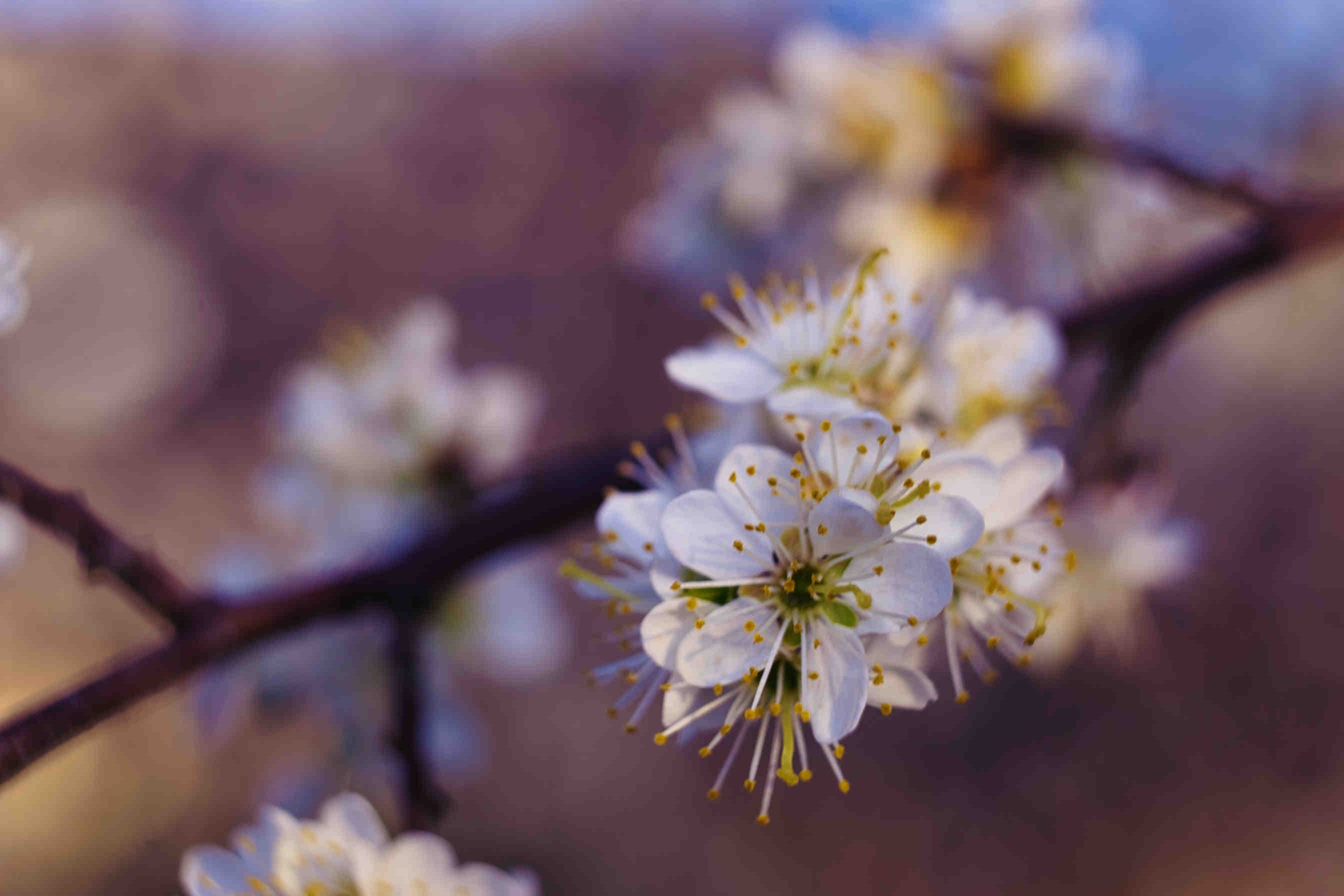
    The Cherry Tree: A Gentle Giant in the European Landscape

    The Leaves and Flowering of the Cherry Tree
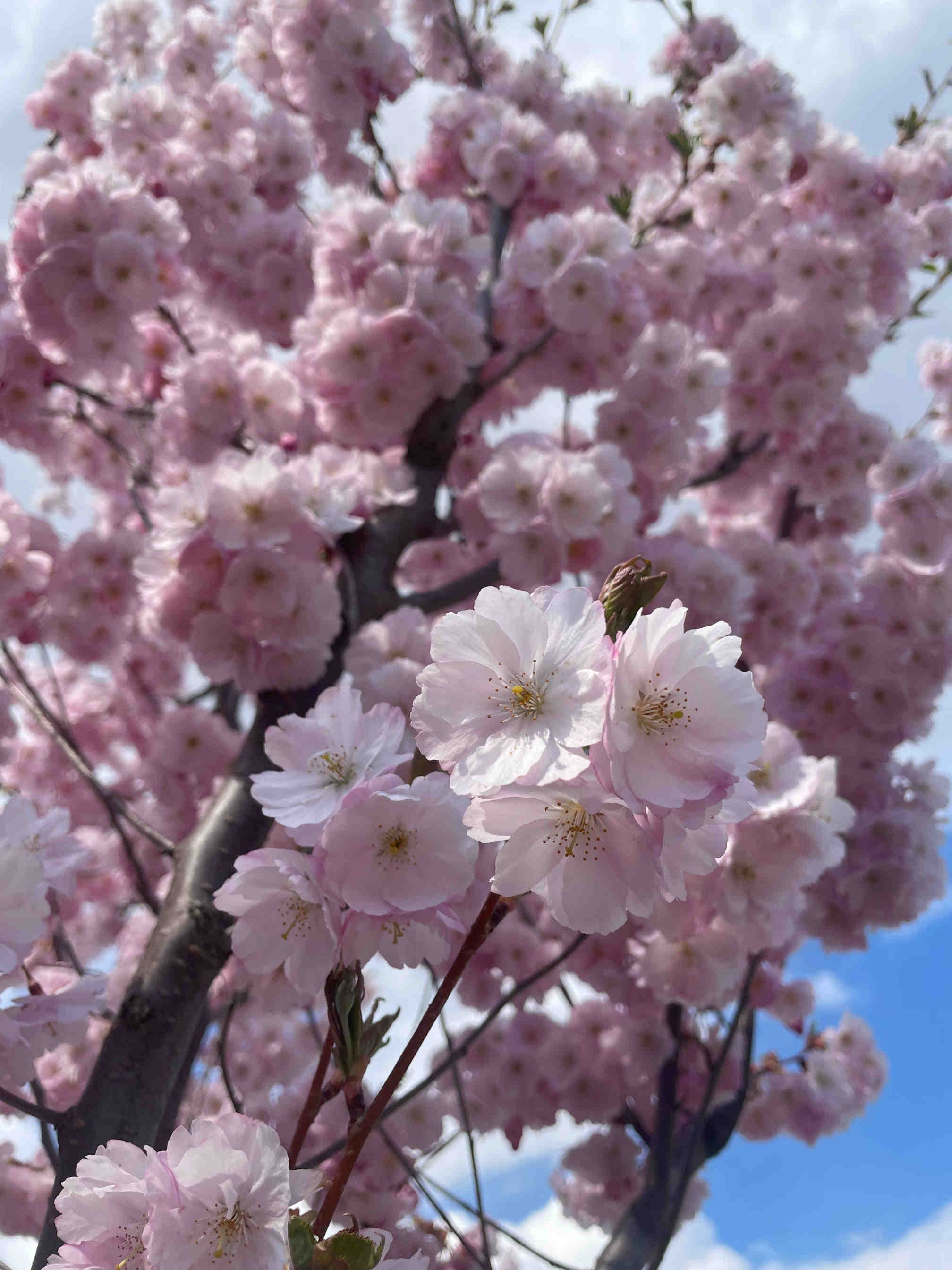
    The leaves of the cherry tree are oval with a serrated edge and are not too deep green. These leaves play a crucial role in photosynthesis, supporting the health and growth of the tree. Cherry trees blossom between March and April, offering a spectacle of rare beauty. The flowers, which range from deep pink to pale white depending on the variety, are vital for bees and other pollinators. Climate change is affecting the flowering period, bringing it forward to early March in some cases. This phenomenon affects pollinators, which depend on cherry blossoms for nectar and pollen, essential for their survival and honey production.
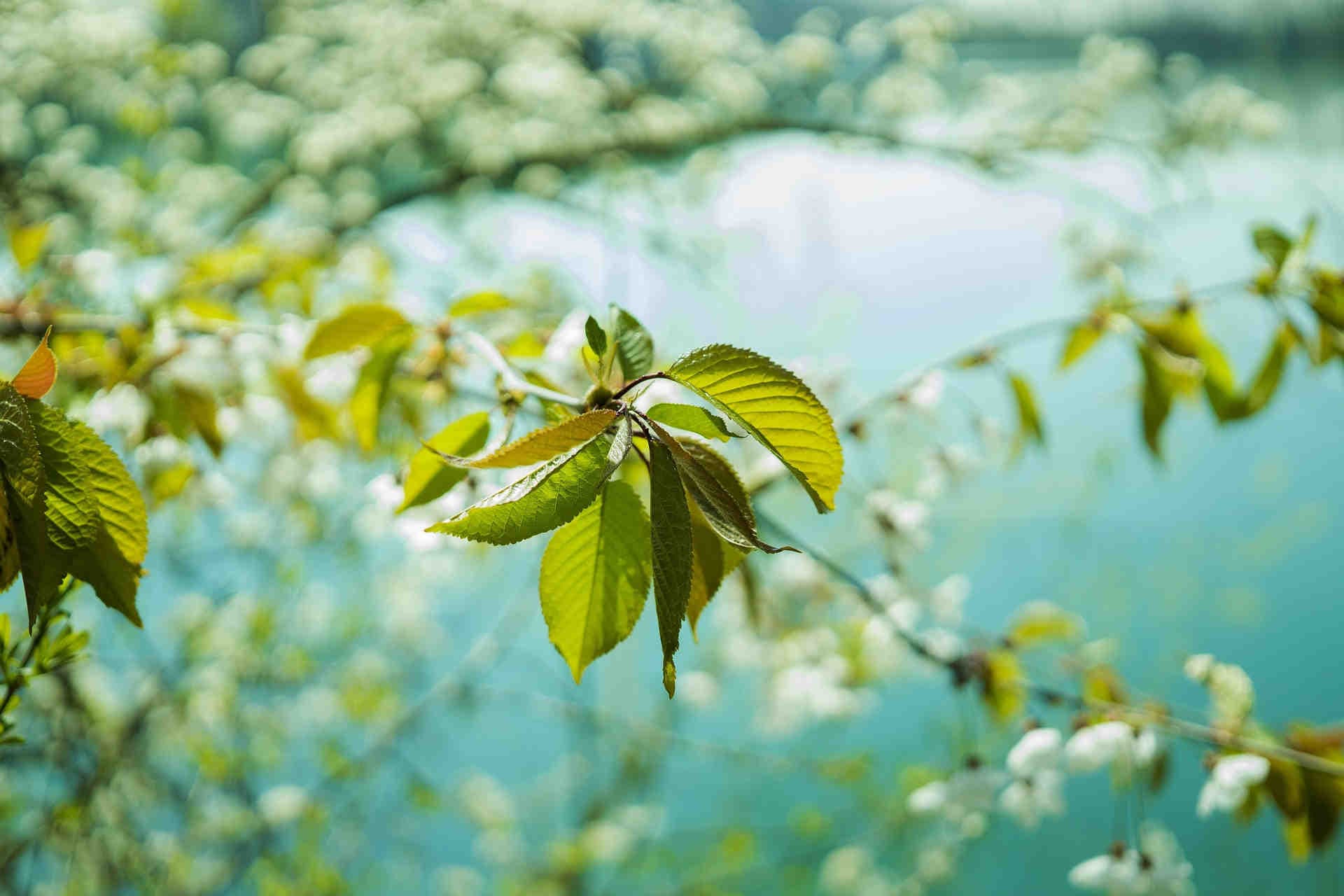
    The Leaves and Flowering of the Cherry Tree
    XNatura

    Cherry Trees and Birds: An Ancient Link

    The cherry tree, known scientifically as Prunus Avium, where 'Avium' means 'bird', reveals an ancient symbiosis with the bird world. This designation reflects a harmonious coexistence: the natural relationship between cherry and birds is emblematic of the interconnection between flora and fauna, where each element plays a vital role in the ecosystem. Birds, feeding on the cherries, play a crucial role in disseminating the seeds of the tree. While feeding, they often travel long distances, transporting the seeds and contributing to the natural spread of the cherry tree to new areas. This dissemination process is crucial for the regeneration and diversification of forests and natural habitats.
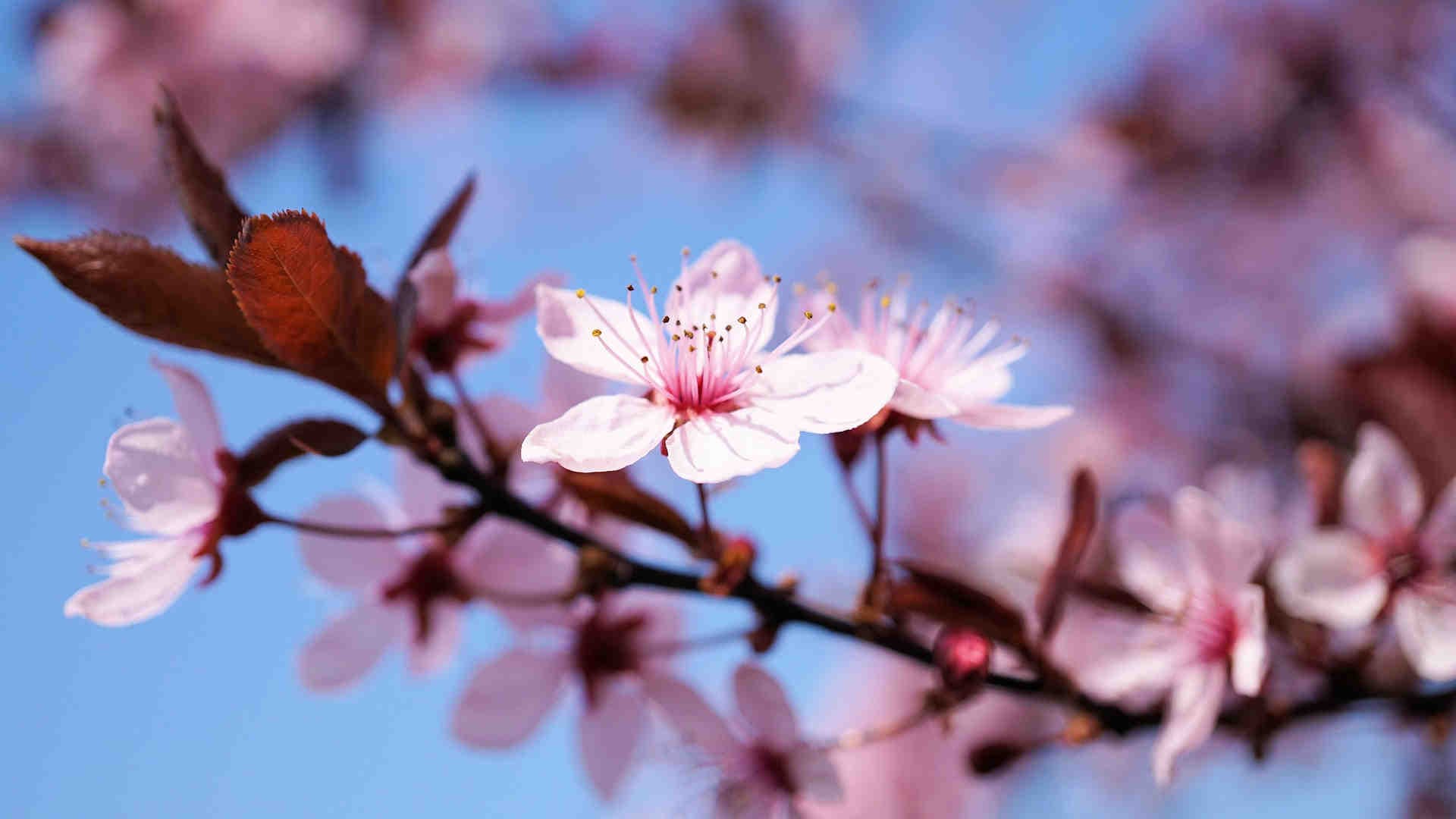
    Cherry Trees and Birds: An Ancient Link

    The Cherry Tree: Vital Crossroads for Pollinators

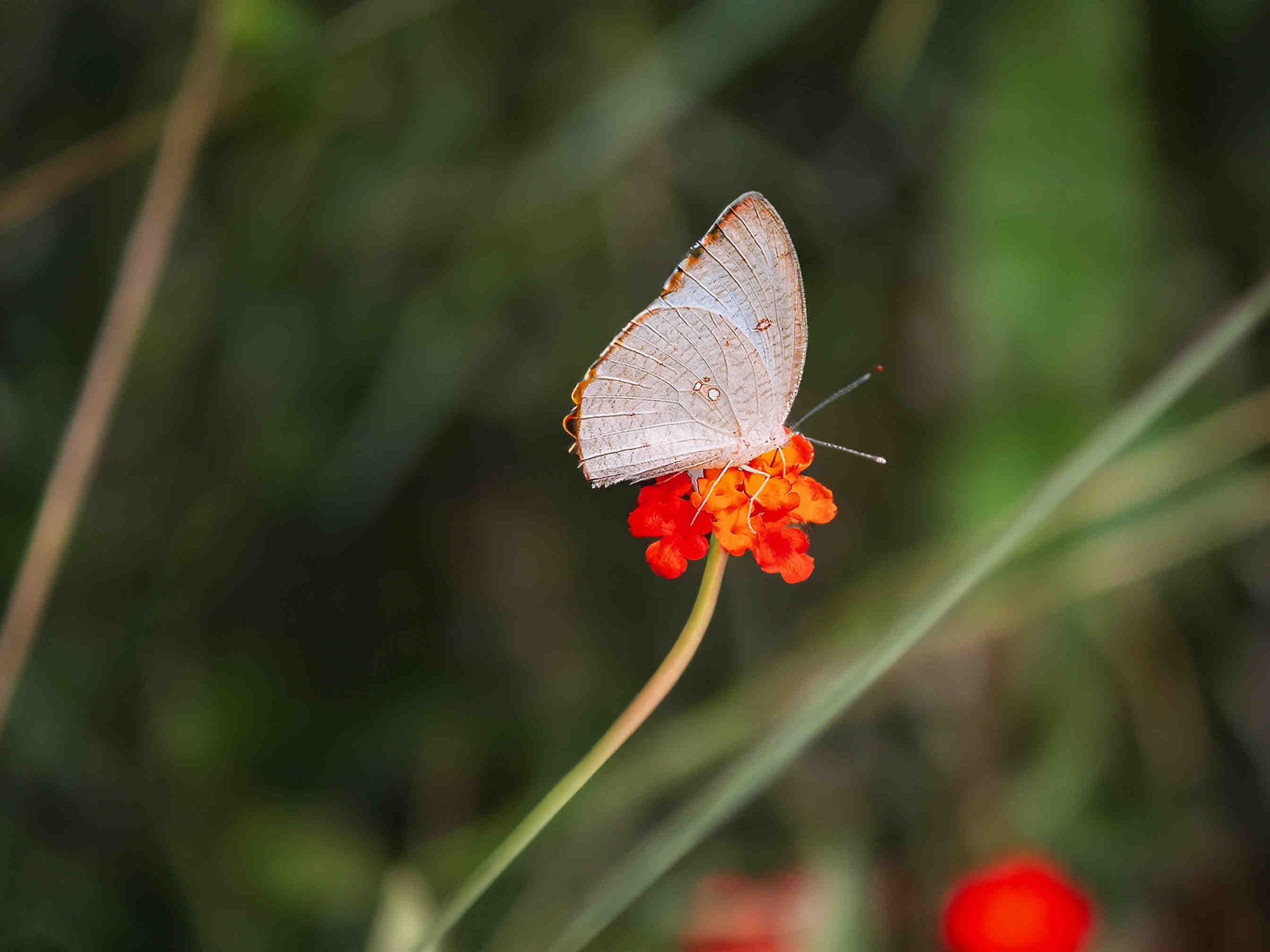
    The cherry tree is distinguished not only by its beauty, but also by its crucial role in the pollinator ecosystem. During its spectacular flowering, it attracts a wide range of pollinators, not only honey bees, but also butterflies, bumblebees and other insects. These pollinators are attracted by the nectar and pollen of the cherry blossoms, which are essential for their nutrition and survival. Pollination is also an essential process for food production, as well as for biodiversity. Pollinators, by visiting the flowers of the cherry tree, promote fertilisation and thus fruit production. The cherry tree plays an irreplaceable role in environmental conservation and the promotion of biodiversity, and is present in 3Bee's Oases of Biodiversity.
    The Cherry Tree: Vital Crossroads for Pollinators
    XNatura

    3Bee's Biodiversity Oases

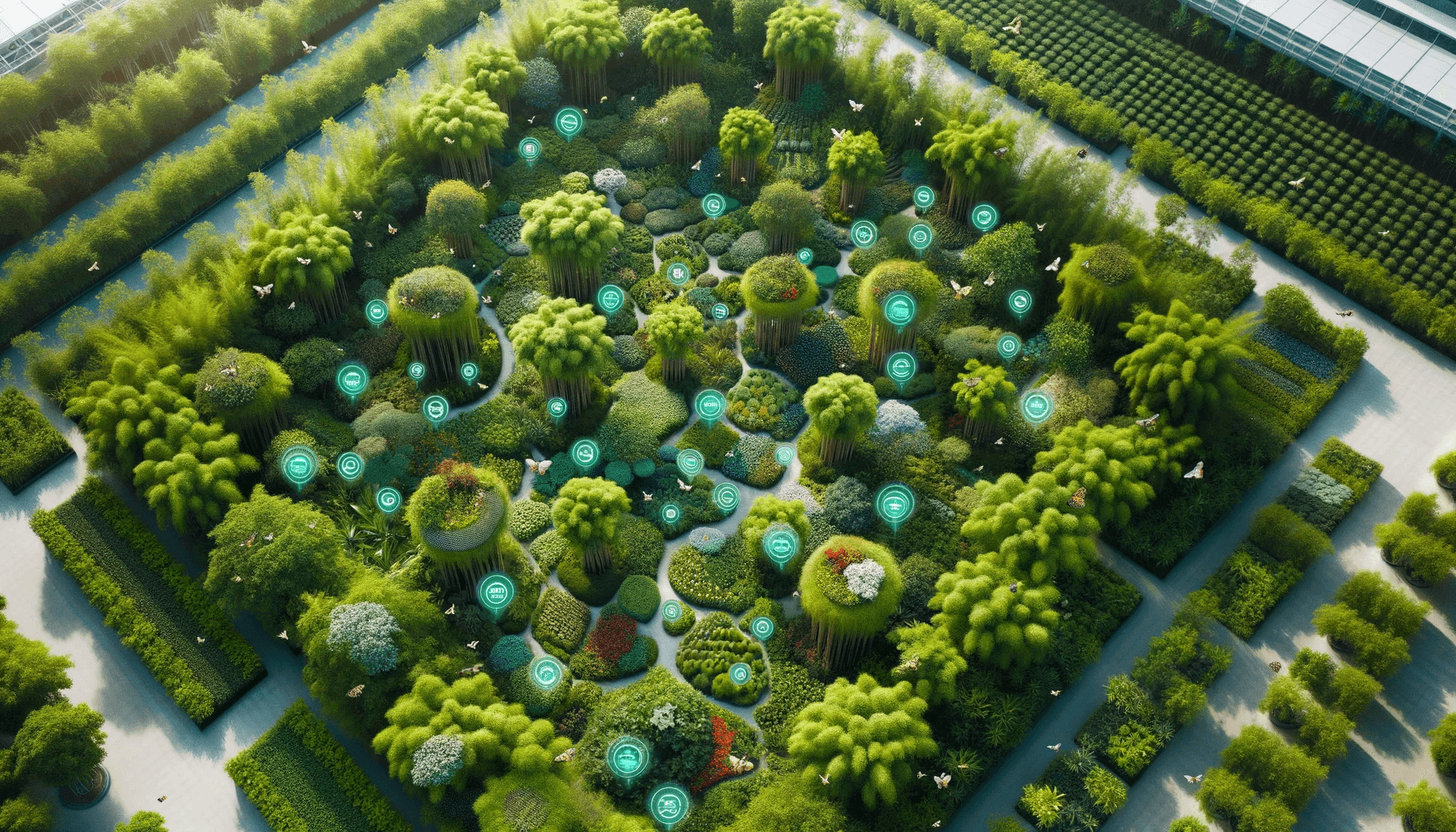
    The nectariferous trees that make up 3Bee's Biodiversity Oases are forest species, an important feature to favour the natural restoration of habitats, as forest plants are more resilient and improve soil structure. No less important, these forests allow CO2 to be stored in woody tissues and contribute to the fight against climate change. But what are 3Bee's Oases of Biodiversity? They are urban and agroforestry habitats recreated in areas of low biodiversity. Physical and digital places where technology and nature come together, with the aim of regenerating biodiversity and taking a first step towards climate resilience. Join us and adopt a nectariferous tree, monitor its growth in real time thanks to 3Bee technologies and contribute to the regeneration of pasture for pollinating insects.
    3Bee's Biodiversity Oases
    3Bee
    29/12/2023Of 3Bee, Elena Fraccaro
    1718 Views
    Newsletter
    newsletter
    Subscribe to the Blog about bees and biodiversity

    Frequently Asked Questions

    Do you have any doubts or other curiosities about this article? Here you will find some insights


