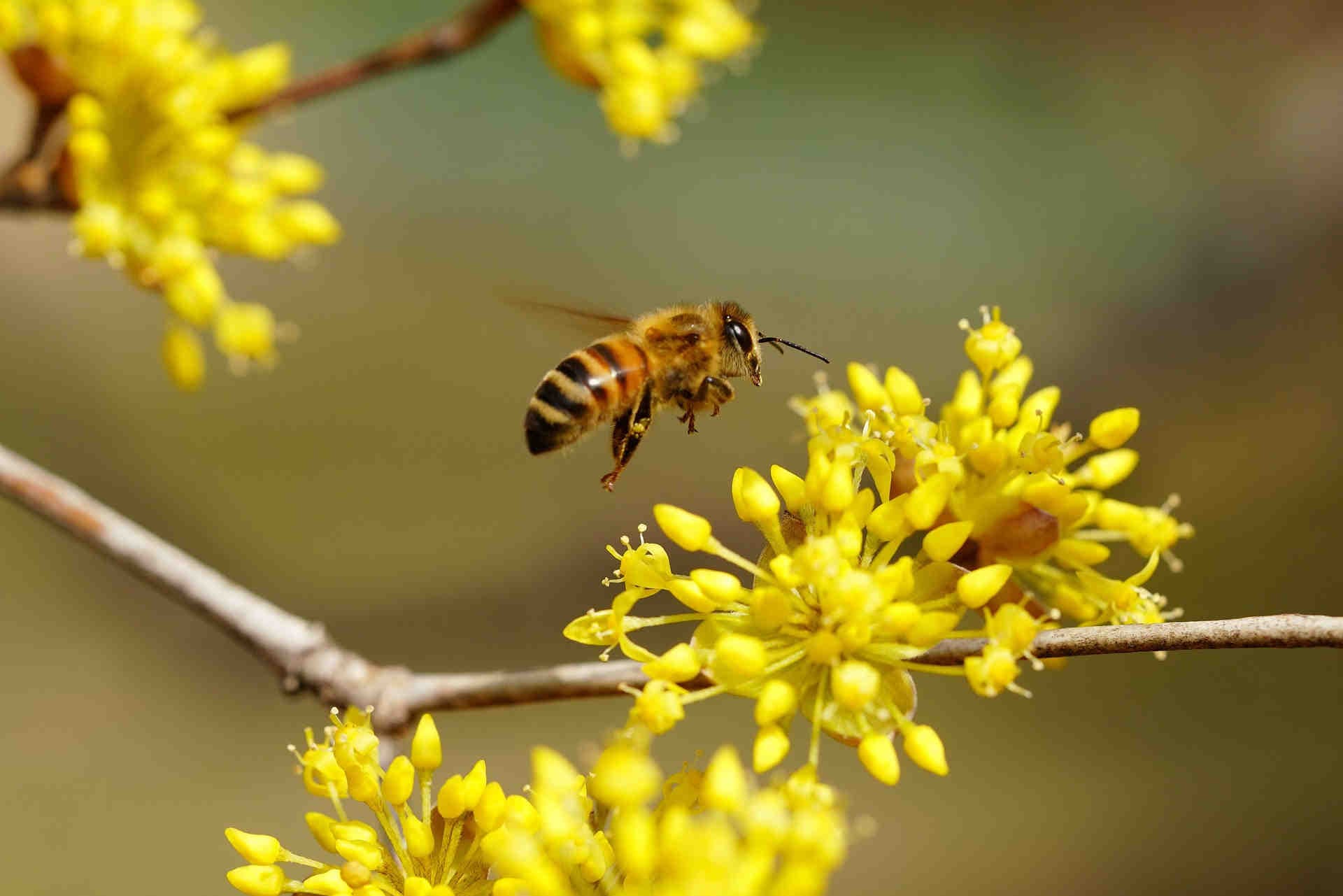
Strawberry tree honey: characteristics and properties
    3Bee approachPlantHoneyFeatures

    Strawberry tree honey: characteristics and properties

    At 3Bee, honey is a symbol of the hard work of pollination performed by bees and the realisation of their contribution to the ecosystem. Our projects support biodiversity and through our growers ensure a healthy environment for pollinators.

    Read the article
    09/10/2019Of 3Bee, 3Bee
    4884 Views
    09/10/2019Of 3Bee, 3Bee
    4884 Views

    3Bee's approach to biodiversity protection
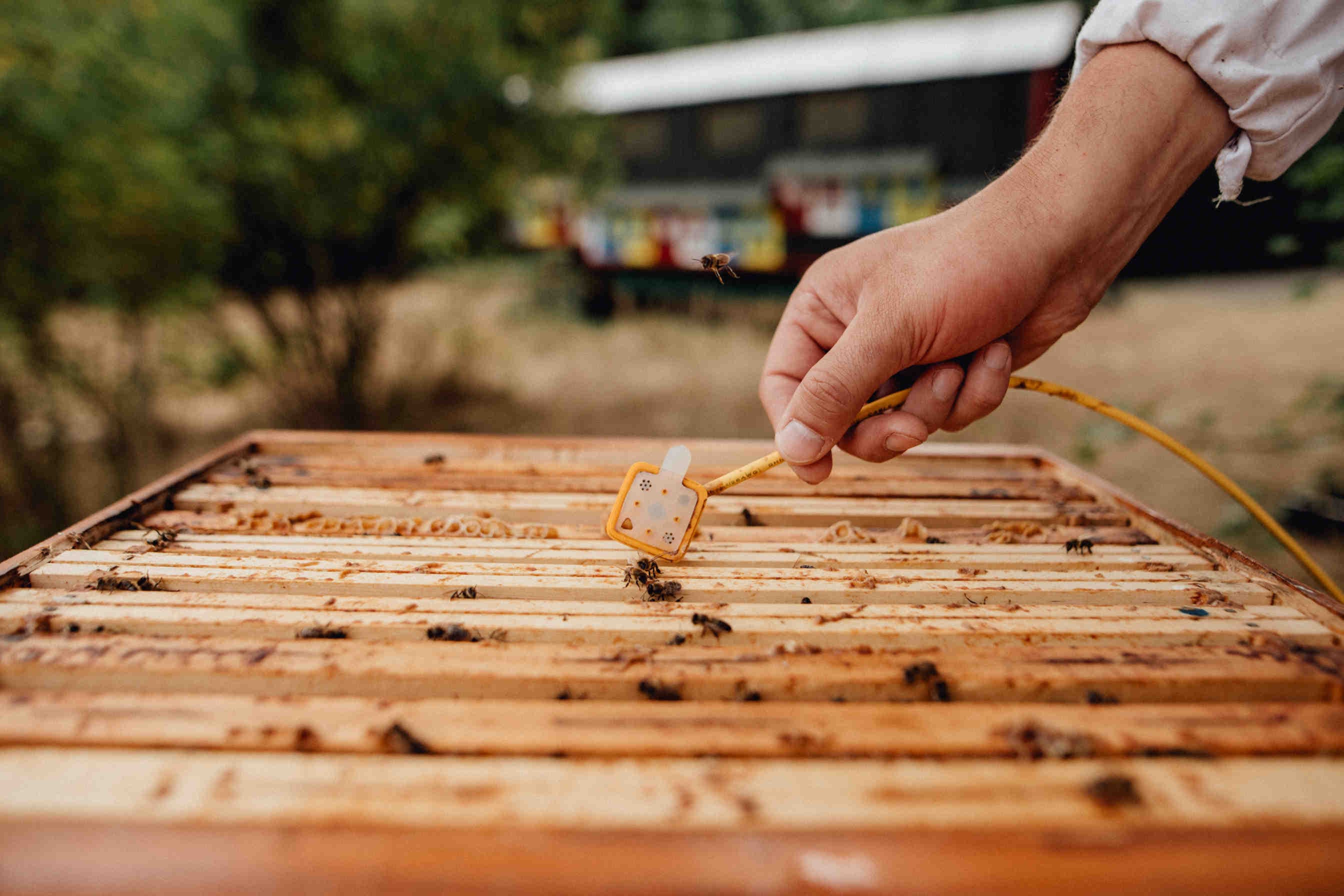
    3Bee is the nature tech company that develops technologies for the protection of biodiversity. Hive-Tech is 3Bee’s first sensor that allows precise monitoring of the health status of honeybees, environmental protectors par excellence. Over time, we have developed other technologies to study and monitor pollinating insects and created more than 100 Biodiversity Oases with thousands of nectariferous plants to provide them with nourishment. Thus, we want to create a virtuous circle: our beekeepers are transformed by necessity into Cultivators of Biodiversity and promoters of environmental biodiversity. We do not encourage massive production and intensive breeding, which have a negative impact on biodiversity and pollinators. However, we recognize the value of honey as a precious symbol of an ecosystem’s biodiversity and as a tool to raise awareness about the commitment to and protection of an area, to be consumed with moderation and respect for the life cycle of these insects.

    3Bee Hive-Tech

    The arbutus plant

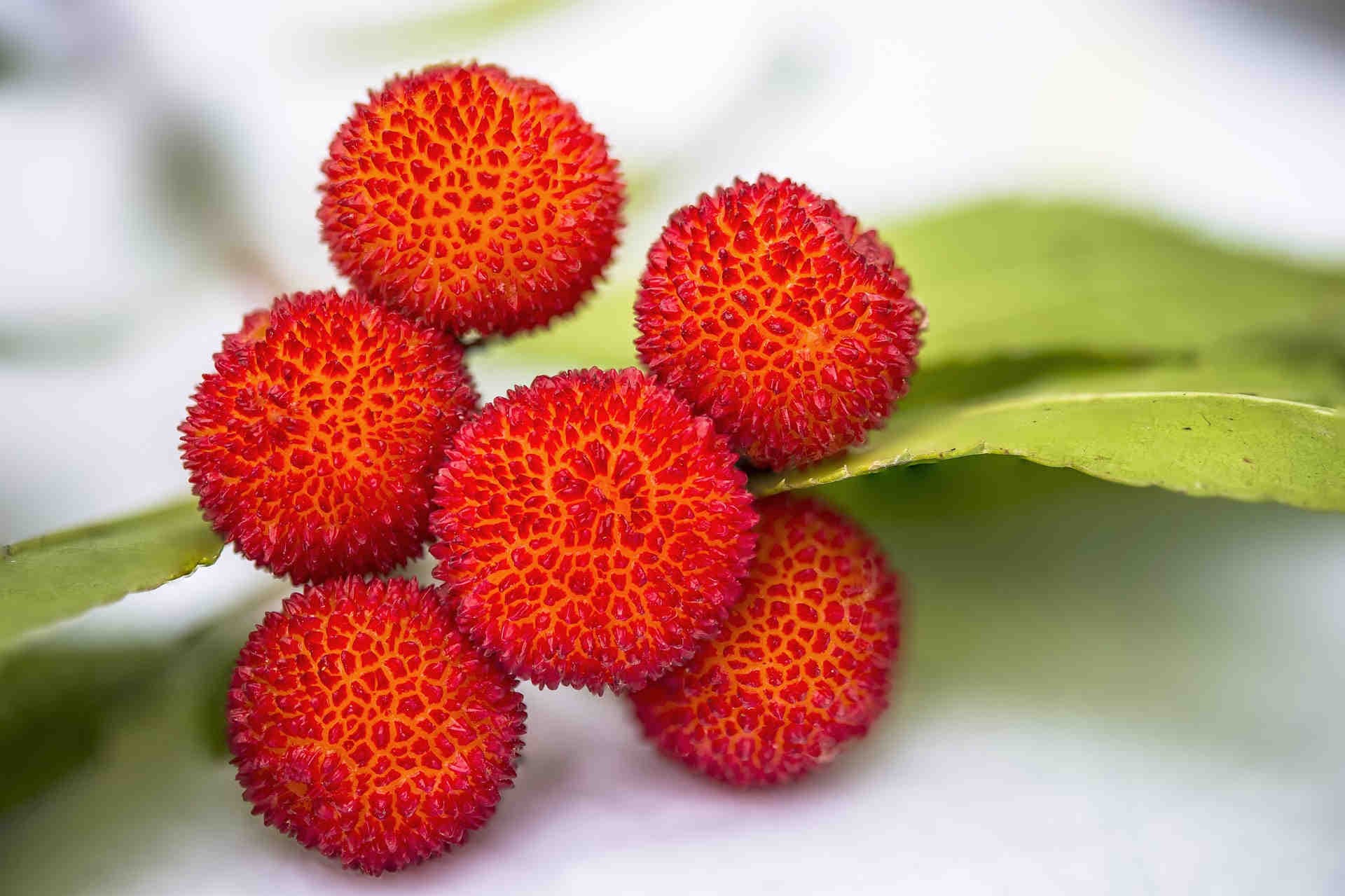
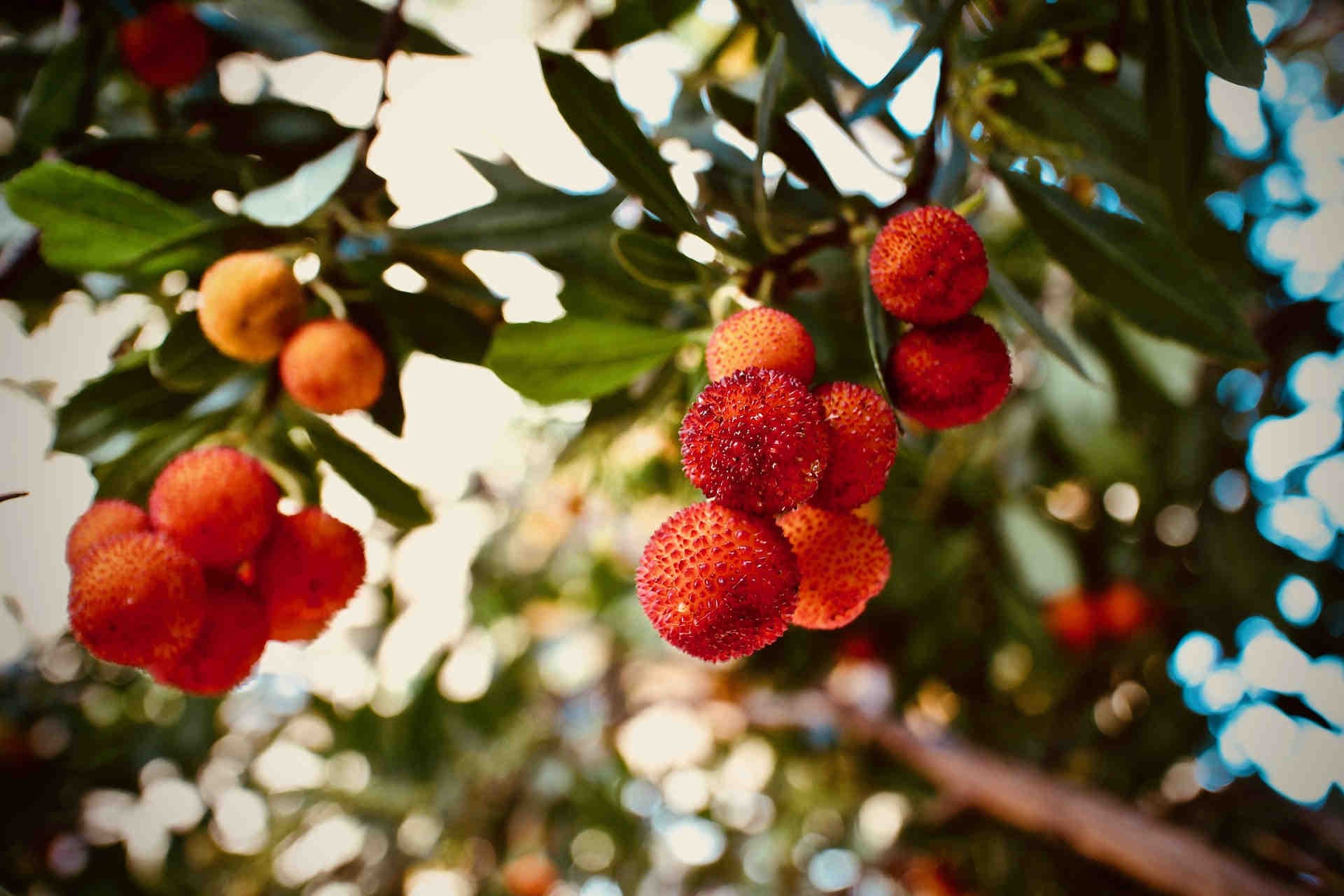
    The strawberry tree is a fruit plant belonging to the Ericaceae family and the genus Arbutus. This plant is rather widespread along the Mediterranean basin, especially on the westernmost coasts. It is an evergreen plant that looks like a bush or a small tree. It can grow to a height of up to 10 metres. It has clusters of yellowish-white flowers that bloom in late autumn, in October and November. The fruits, which ripen the year after the flowers from which they develop, are berries about 2 centimetres in diameter. Ripening in the months between October and December, they often coexist on the plant with the new flowers. The presence of the evergreen leaves, white flowers and red fruits has made the strawberry tree a national symbol of our state.
    The arbutus plant
    XNatura

    A difficult honey to produce

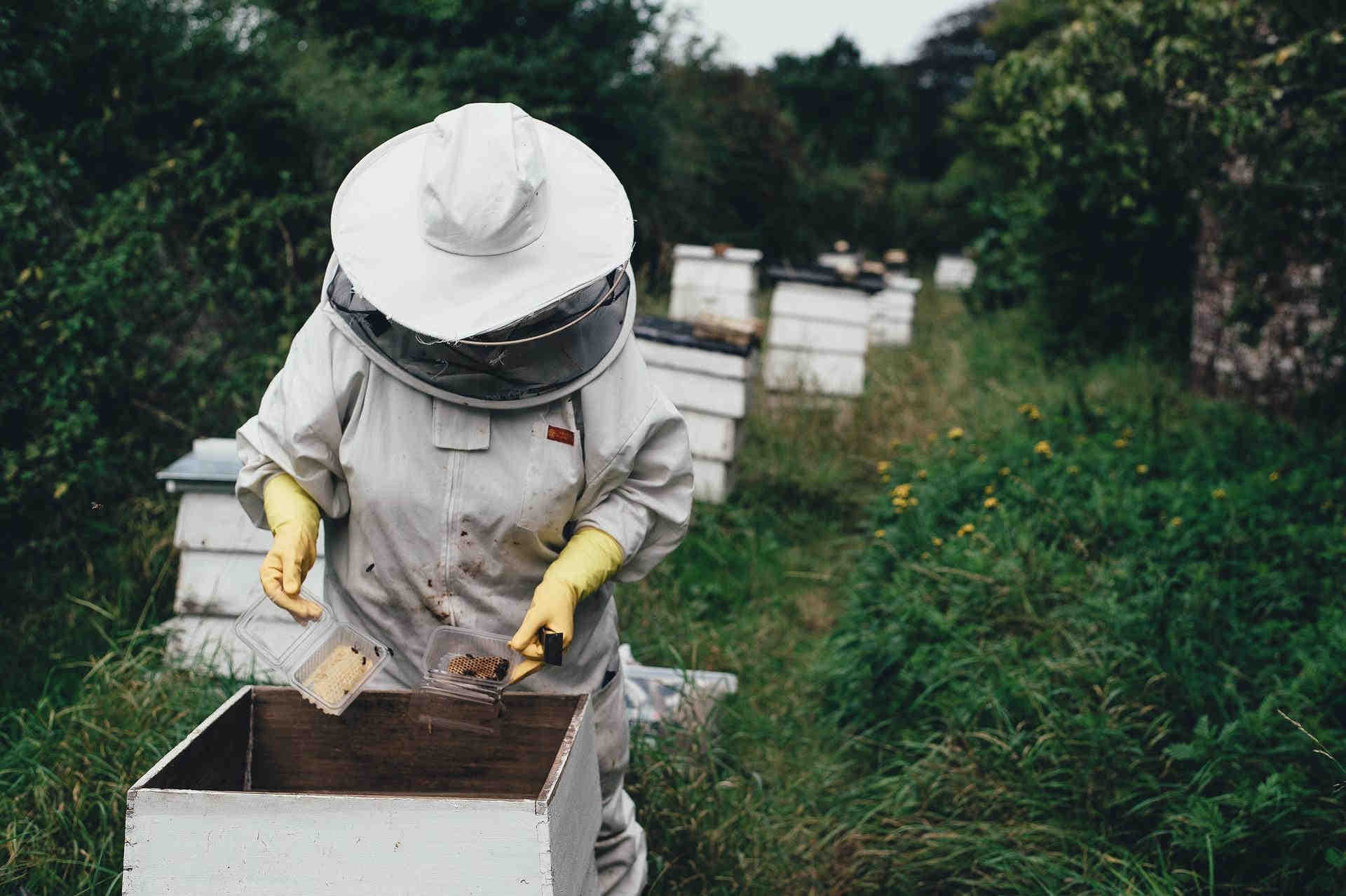
    Although the strawberry tree is rather widespread in Italy, its late flowering does not make honey production particularly easy. Single-flower honey can only be obtained where bee activity continues into the autumn. Only in Sardinia, and in certain favourable years also in Tuscany, do the necessary conditions occur to obtain this highly prized honey. Moreover, once harvested, further intervention by the beekeeper may be necessary to reduce the moisture content of the honey. The bees, in fact, may not be able to concentrate it sufficiently and we know that high humidity can give rise to fermentation phenomena. Added to this are climatic conditions that are not often favourable, such as persistent rainfall or, on the contrary, periods of drought or strong winds. All these factors mean that this honey is sold at a price that can be up to 8 times higher than others!
    A difficult honey to produce

    Characteristics of arbutus honey

    Strawberry tree honey is amber in colour when liquid, while it turns hazelnut/brown with grey/green tones when crystallised. Crystallisation, an entirely natural process that affects almost all types of honey, occurs rather quickly and with very fine crystals. Its consistency becomes soft and creamy. The flavour is perhaps the most characteristic note of this honey. Both aroma and smell are very strong, intense and pungent. The nose is reminiscent of the scent of ivy leaves, coffee grounds, cocoa beans, rhubarb and gentian. On the palate, it similarly returns a flavour of wet tobacco leaf and bitter roots. The adjective most commonly used to describe it, however, is definitely 'bitter'. This peculiarity really makes it a niche honey and reserved for connoisseurs of this very special taste.

    XNatura

    Beneficial properties of arbutus honey

    Arbutus honey has so many beneficial properties that make it a very valuable foodstuff. Like all dark-coloured honeys, it is rich in antioxidants, especially polyphenols and flavonoids. Strawberry tree honey is also an important anti-inflammatory and, like other types of honey, is very useful against coughs, sore throats and various seasonal ailments. Many recognise its beneficial effects on the urinary tract and its astringent and depurative properties. These properties, however, have not been scientifically proven. On the contrary, in vitro studies are being conducted on the effect of arbutus honey on tumour cell lines of the rectal colon tract. It would seem that its effect is far superior to that of Manuka honey, world-famous for its incredible beneficial properties.

    3Bee

    Strawberry tree honey in cooking

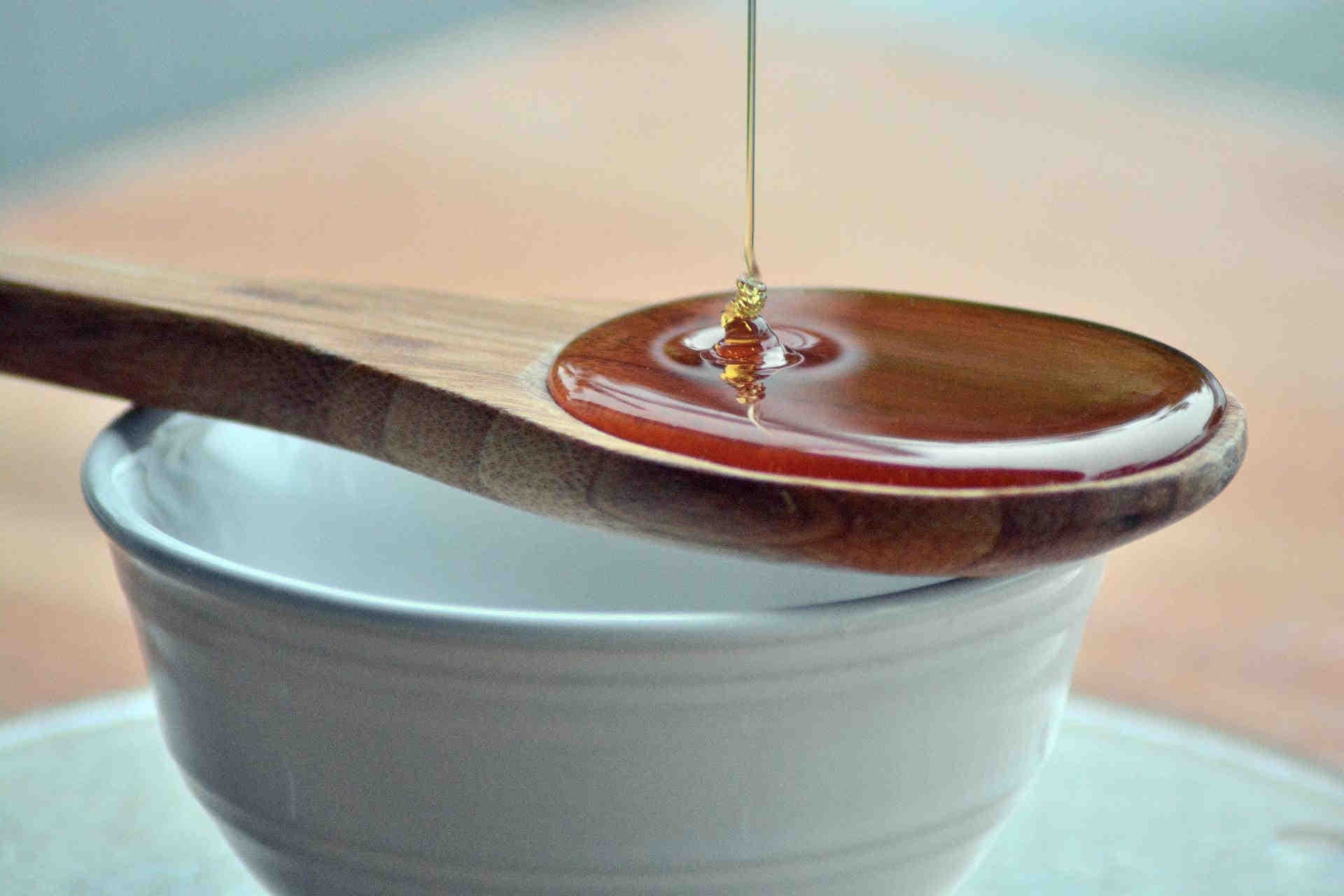
    Strawberry tree honey also finds ample space in our cuisine. Its distinctive flavour allows combinations with equally bitter foods, such as artichokes or thistles, or with sweet or fatty foods. For example, it is excellent with mature and fresh cheeses, lardo di colonnata, fruit salad and ice cream. Interesting is the use of this honey with coffee, whose aroma is not altered by the taste of the honey itself. In order to fully enjoy its beneficial properties, however, one must be sure to consume raw and not industrially processed honey. This is the only way to be sure that all its characteristics remain intact.
    Strawberry tree honey in cooking

    Adopt a 3Bee hive

    Consuming quality honey is therefore the secret to fully enjoying the benefits it brings to our organism. Consciously choosing the product we buy is therefore essential. Through the project of 3Bee "Adopt a hive" you can not only choose an Italian honey produced by local beekeepers, but also monitor your chosen hive 24 hours a day, following its development and growth directly from your mobile phone (there is a dedicated app). Check out the hives still available and choose your favourite honey (adopt a hive).

    Adopt a 3Bee hive

    The importance of honey

    The information contained in this blog concerns the importance of honey as the fruit of the tireless work of bees that transforms the collected nectar (including extra-floral nectar and honeydew) into a precious food product that encompasses the biodiversity with all the countless facets present in the hive's surroundings. At an environmental level, honey is the symbol of the pollination activity of the bees, which flies from flower to flower to collect the nectar and, in so doing, transports the pollen, becoming the vector for the pollination and reproduction of tens of thousands of plant species. Honey is still a little-known product, often devalued in its quality or sold as a panacea for all ills. Like all foods, however, it must be consumed with moderation and care as it contains a high content of simple sugars. But it is not in its basic values that its most important quality lies.

    The importance of honey

    Positive effects on the environment

    The goal of this blog is to promote and spread deeper knowledge about the crucial role of bees in safeguarding our ecosystem and advancing scientific research aimed at identifying more sustainable agricultural practices, with the ultimate goal of regenerating entire areas. Choosing honey goes far beyond what is written on the label. The true value of honey lies in its production method, whether it respects the bees and the ecosystems in which they live. Supporting non-intensive beekeeping practices and promoting the best actions to sustain hive health are the cornerstones of our work. For us, the beekeeper is not merely a farmer but a true 'Cultivator of Biodiversity': someone who nurtures, cares for, and sustains real Biodiversity Oases, paying attention not only to bees but also to ecosystems and their balance
    Positive effects on the environment
    09/10/2019Of 3Bee, 3Bee
    4884 Views
    Newsletter
    newsletter
    Subscribe to the Blog about bees and biodiversity